Easy Weeknight Asian Salmon: 5 Amazing Delicious Steps

Posted on

Uncategorized

Difficulty

Prep time

Cooking time

Total time

Servings

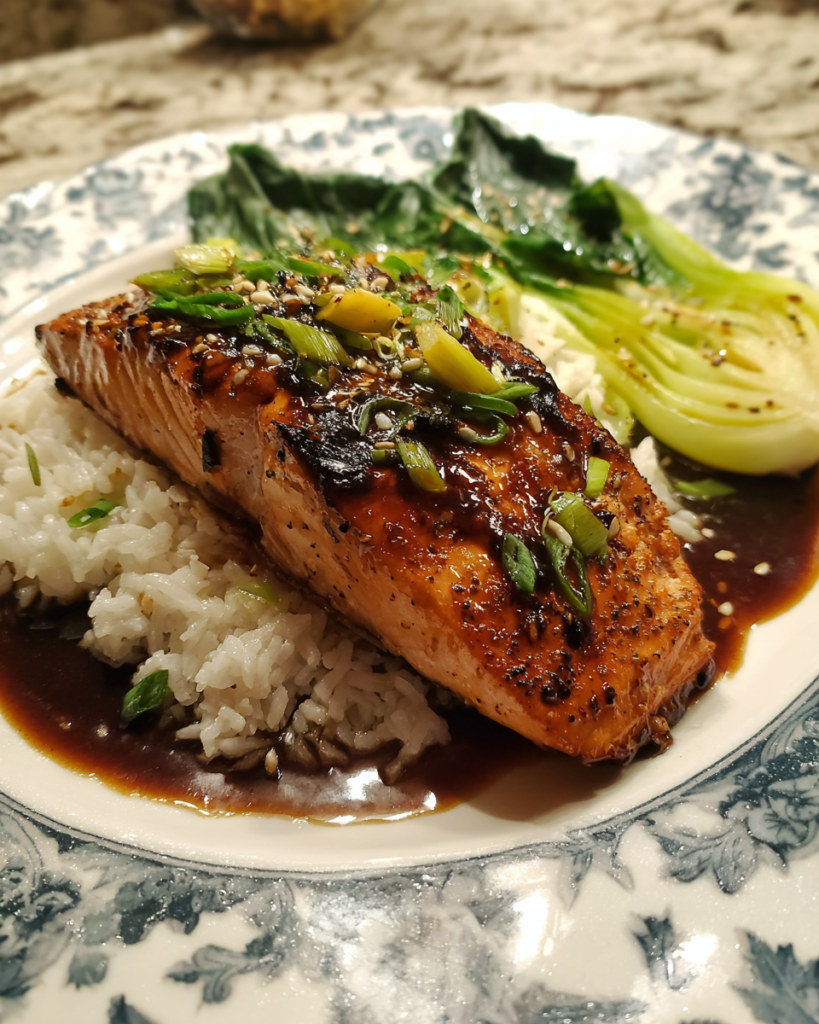
Easy Weeknight Asian Salmon is a flavorful, quick-to-make dish that brings together tender salmon fillets with a savory, slightly sweet glaze inspired by classic Asian flavors. Perfect for busy evenings, this recipe delivers a satisfying meal without requiring complicated techniques or long cooking times. The rich, flaky texture of the salmon pairs beautifully with a glossy sauce made from pantry staples, creating a dish that feels both comforting and refined.

This recipe is designed for simplicity while still offering depth of flavor. A balanced combination of soy sauce, garlic, ginger, and a touch of sweetness creates a glaze that caramelizes gently as the salmon cooks. The result is a dish with a lightly crisp exterior and a moist, tender interior. Whether served with rice, vegetables, or noodles, this salmon adapts easily to different meals and preferences.

Easy Weeknight Asian Salmon is a dependable choice when you want something nourishing, flavorful, and quick to prepare. It’s ideal for home cooks looking to bring variety to their dinner routine without spending hours in the kitchen.

Ingredients Overview
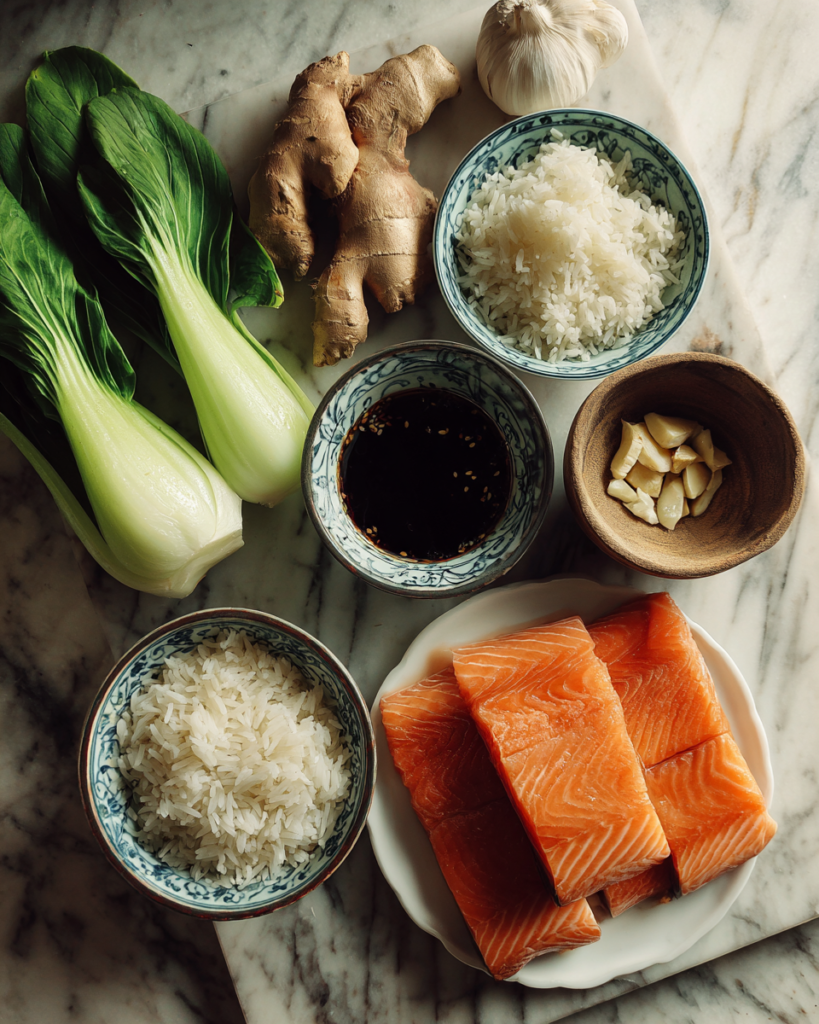
Salmon is the centerpiece of this recipe, offering a rich, buttery texture and mild flavor that absorbs marinades well. Fresh salmon fillets are ideal, but frozen fillets can also be used if properly thawed. Skin-on fillets help retain moisture during cooking, though skinless versions work just as well.

Soy sauce forms the base of the marinade, adding saltiness and depth. For a lower-sodium option, reduced-sodium soy sauce can be substituted. Garlic and fresh ginger provide aromatic warmth, giving the dish its signature savory profile. Honey or brown sugar introduces a gentle sweetness that balances the saltiness and helps the glaze caramelize.

A splash of rice vinegar or lime juice brightens the flavors, while sesame oil adds a subtle nutty note. Cornstarch can be used to slightly thicken the sauce, helping it cling to the salmon. These ingredients work together to create a glaze that is rich, balanced, and full of character without overpowering the natural taste of the fish.

Ingredients

4 salmon fillets (about 6 ounces each)
1/4 cup soy sauce
2 tablespoons honey or brown sugar
2 cloves garlic, minced
1 tablespoon fresh ginger, grated
1 tablespoon rice vinegar or lime juice
1 teaspoon sesame oil
1 teaspoon cornstarch (optional)
2 tablespoons water
1 tablespoon olive oil
2 green onions, sliced
1 teaspoon sesame seeds

Step-by-Step Instructions
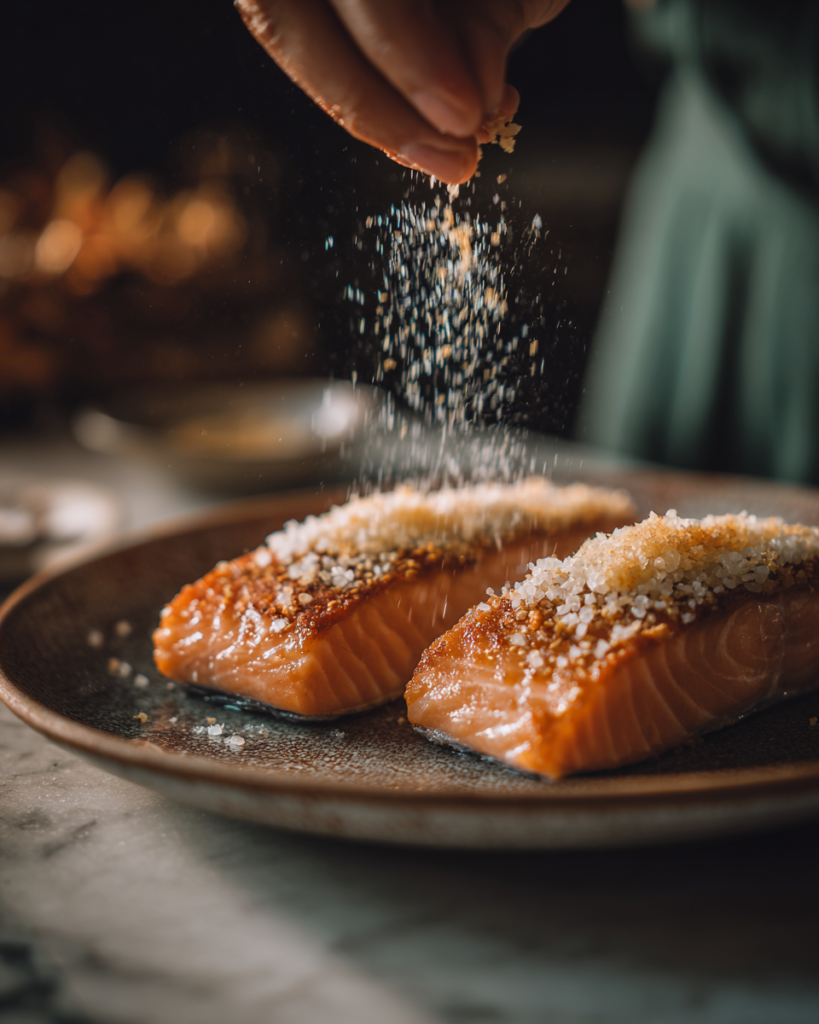
  1. Prepare the Marinade: In a small bowl, whisk together soy sauce, honey or brown sugar, minced garlic, grated ginger, rice vinegar or lime juice, and sesame oil. If you prefer a thicker glaze, dissolve the cornstarch in water and add it to the mixture. Stir until smooth and well combined.
  2. Marinate the Salmon: Place the salmon fillets in a shallow dish or resealable bag. Pour half of the marinade over the fish, making sure each piece is coated. Let it sit for 15–20 minutes. Avoid marinating too long, as the acid can begin to affect the texture of the fish. Reserve the remaining marinade for later use.
  3. Cook the Salmon: Heat olive oil in a large skillet over medium heat. Place the salmon fillets skin-side down (if using skin-on) and cook for about 4–5 minutes. The edges will begin to turn opaque as the fish cooks. Flip carefully and cook for another 3–4 minutes, depending on thickness. The salmon should flake easily with a fork but still remain moist inside.
  4. Add the Glaze: Pour the reserved marinade into the skillet. Let it simmer gently for 2–3 minutes, spooning the sauce over the salmon as it thickens. The glaze should coat the fish evenly and develop a slightly glossy finish. Be careful not to overcook, as the sauce can reduce too quickly.
  5. Finish and Serve: Remove the salmon from heat and transfer to serving plates. Spoon extra glaze over the top and garnish with sliced green onions and sesame seeds. Serve immediately while warm.

Tips, Variations & Substitutions

For a deeper flavor, allow the salmon to marinate for up to 30 minutes, but avoid exceeding that time. If you prefer baking, cook the salmon in a preheated oven at 400°F (200°C) for 12–15 minutes, brushing with glaze halfway through.

Maple syrup can replace honey for a slightly different sweetness, while tamari or coconut aminos can be used instead of soy sauce for dietary preferences. Add a pinch of red pepper flakes or a drizzle of chili oil for gentle heat. For extra texture, top with crushed peanuts or cashews before serving.

Vegetables such as broccoli, snap peas, or bok choy can be cooked alongside the salmon or served on the side, making this a complete and balanced meal.

Serving Ideas & Occasions

Easy Weeknight Asian Salmon pairs well with steamed jasmine rice, brown rice, or noodles. For a lighter option, serve it with a crisp cucumber salad or sautéed greens. The flavorful glaze also complements roasted vegetables or stir-fried dishes.

This recipe is perfect for busy weeknights when time is limited but a satisfying meal is still desired. It also works well for casual dinners with friends or family, offering a dish that feels special without requiring extensive preparation.

Nutritional & Health Notes

Salmon is a rich source of protein and omega-3 fatty acids, which support overall wellness. The dish provides a balance of healthy fats and protein, making it both filling and nourishing. Using reduced-sodium soy sauce can help manage salt intake, while natural sweeteners like honey keep added sugars moderate.

Pairing the salmon with vegetables and whole grains creates a well-rounded meal that supports balanced eating. Adjusting portion sizes and sauce quantities allows for flexibility based on dietary needs.

FAQs

Can I use frozen salmon for this recipe?

Yes, frozen salmon works well if properly thawed. Place it in the refrigerator overnight or use the cold water method for quicker thawing. Once thawed, pat the fillets dry with paper towels to remove excess moisture. This helps the marinade adhere better and allows the salmon to cook evenly. Avoid cooking directly from frozen, as it can result in uneven texture and longer cooking times.

How do I know when the salmon is fully cooked?

Salmon is done when it flakes easily with a fork and turns opaque throughout. The center should still be slightly moist, not dry. If using a thermometer, the internal temperature should reach about 125–130°F (52–54°C) for a tender result. Overcooking can make the fish dry, so it’s best to monitor closely during the final minutes of cooking.

Can I bake instead of pan-fry the salmon?

Yes, baking is a convenient alternative. Preheat your oven to 400°F (200°C) and place the marinated salmon on a lined baking sheet. Bake for 12–15 minutes, depending on thickness. Brush or spoon the glaze over the salmon during cooking for added flavor. Baking offers a hands-off approach while still producing moist, flavorful results.

What can I use instead of soy sauce?

If you prefer a soy-free option, coconut aminos is a good substitute with a slightly sweeter taste. Tamari is another alternative that is often gluten-free. Both options provide a similar depth of flavor while accommodating different dietary needs. Adjust the quantity slightly to taste, as salt levels may vary.

Can I prepare the sauce ahead of time?

Yes, the sauce can be mixed and stored in the refrigerator for up to two days. Stir it well before using, as some ingredients may settle. Preparing the sauce in advance can save time during busy evenings and make the cooking process even more efficient.

What side dishes go best with this salmon?

Steamed rice, noodles, or quinoa pair well with the savory glaze. For vegetables, consider broccoli, green beans, or sautéed spinach. A simple cucumber salad or shredded cabbage slaw adds freshness and contrast to the rich salmon. Combining these sides creates a balanced and satisfying meal.

Can I grill the salmon instead?

Yes, grilling adds a subtle smoky flavor. Preheat the grill to medium heat and lightly oil the grates. Cook the salmon for about 4–5 minutes per side, brushing with the glaze as it cooks. Use a fish spatula to prevent sticking. Grilling works especially well for outdoor meals and adds variety to the preparation method.

[rank_math_breadcrumb]

Easy Weeknight Asian Salmon: 5 Amazing Delicious Steps

Photo of author
Author: Sophia
Published:

Easy Weeknight Asian Salmon is a flavorful, quick-to-make dish that brings together tender salmon fillets with a savory, slightly sweet glaze inspired by classic Asian flavors. Perfect for busy evenings, this recipe delivers a satisfying meal without requiring complicated techniques or long cooking times. The rich, flaky texture of the salmon pairs beautifully with a glossy sauce made from pantry staples, creating a dish that feels both comforting and refined.

This recipe is designed for simplicity while still offering depth of flavor. A balanced combination of soy sauce, garlic, ginger, and a touch of sweetness creates a glaze that caramelizes gently as the salmon cooks. The result is a dish with a lightly crisp exterior and a moist, tender interior. Whether served with rice, vegetables, or noodles, this salmon adapts easily to different meals and preferences.

Easy Weeknight Asian Salmon is a dependable choice when you want something nourishing, flavorful, and quick to prepare. It’s ideal for home cooks looking to bring variety to their dinner routine without spending hours in the kitchen.

Ingredients Overview

Salmon is the centerpiece of this recipe, offering a rich, buttery texture and mild flavor that absorbs marinades well. Fresh salmon fillets are ideal, but frozen fillets can also be used if properly thawed. Skin-on fillets help retain moisture during cooking, though skinless versions work just as well.

Soy sauce forms the base of the marinade, adding saltiness and depth. For a lower-sodium option, reduced-sodium soy sauce can be substituted. Garlic and fresh ginger provide aromatic warmth, giving the dish its signature savory profile. Honey or brown sugar introduces a gentle sweetness that balances the saltiness and helps the glaze caramelize.

A splash of rice vinegar or lime juice brightens the flavors, while sesame oil adds a subtle nutty note. Cornstarch can be used to slightly thicken the sauce, helping it cling to the salmon. These ingredients work together to create a glaze that is rich, balanced, and full of character without overpowering the natural taste of the fish.

Ingredients

4 salmon fillets (about 6 ounces each)
1/4 cup soy sauce
2 tablespoons honey or brown sugar
2 cloves garlic, minced
1 tablespoon fresh ginger, grated
1 tablespoon rice vinegar or lime juice
1 teaspoon sesame oil
1 teaspoon cornstarch (optional)
2 tablespoons water
1 tablespoon olive oil
2 green onions, sliced
1 teaspoon sesame seeds

Step-by-Step Instructions

  1. Prepare the Marinade: In a small bowl, whisk together soy sauce, honey or brown sugar, minced garlic, grated ginger, rice vinegar or lime juice, and sesame oil. If you prefer a thicker glaze, dissolve the cornstarch in water and add it to the mixture. Stir until smooth and well combined.
  2. Marinate the Salmon: Place the salmon fillets in a shallow dish or resealable bag. Pour half of the marinade over the fish, making sure each piece is coated. Let it sit for 15–20 minutes. Avoid marinating too long, as the acid can begin to affect the texture of the fish. Reserve the remaining marinade for later use.
  3. Cook the Salmon: Heat olive oil in a large skillet over medium heat. Place the salmon fillets skin-side down (if using skin-on) and cook for about 4–5 minutes. The edges will begin to turn opaque as the fish cooks. Flip carefully and cook for another 3–4 minutes, depending on thickness. The salmon should flake easily with a fork but still remain moist inside.
  4. Add the Glaze: Pour the reserved marinade into the skillet. Let it simmer gently for 2–3 minutes, spooning the sauce over the salmon as it thickens. The glaze should coat the fish evenly and develop a slightly glossy finish. Be careful not to overcook, as the sauce can reduce too quickly.
  5. Finish and Serve: Remove the salmon from heat and transfer to serving plates. Spoon extra glaze over the top and garnish with sliced green onions and sesame seeds. Serve immediately while warm.

Tips, Variations & Substitutions

For a deeper flavor, allow the salmon to marinate for up to 30 minutes, but avoid exceeding that time. If you prefer baking, cook the salmon in a preheated oven at 400°F (200°C) for 12–15 minutes, brushing with glaze halfway through.

Maple syrup can replace honey for a slightly different sweetness, while tamari or coconut aminos can be used instead of soy sauce for dietary preferences. Add a pinch of red pepper flakes or a drizzle of chili oil for gentle heat. For extra texture, top with crushed peanuts or cashews before serving.

Vegetables such as broccoli, snap peas, or bok choy can be cooked alongside the salmon or served on the side, making this a complete and balanced meal.

Serving Ideas & Occasions

Easy Weeknight Asian Salmon pairs well with steamed jasmine rice, brown rice, or noodles. For a lighter option, serve it with a crisp cucumber salad or sautéed greens. The flavorful glaze also complements roasted vegetables or stir-fried dishes.

This recipe is perfect for busy weeknights when time is limited but a satisfying meal is still desired. It also works well for casual dinners with friends or family, offering a dish that feels special without requiring extensive preparation.

Nutritional & Health Notes

Salmon is a rich source of protein and omega-3 fatty acids, which support overall wellness. The dish provides a balance of healthy fats and protein, making it both filling and nourishing. Using reduced-sodium soy sauce can help manage salt intake, while natural sweeteners like honey keep added sugars moderate.

Pairing the salmon with vegetables and whole grains creates a well-rounded meal that supports balanced eating. Adjusting portion sizes and sauce quantities allows for flexibility based on dietary needs.

FAQs

Can I use frozen salmon for this recipe?

Yes, frozen salmon works well if properly thawed. Place it in the refrigerator overnight or use the cold water method for quicker thawing. Once thawed, pat the fillets dry with paper towels to remove excess moisture. This helps the marinade adhere better and allows the salmon to cook evenly. Avoid cooking directly from frozen, as it can result in uneven texture and longer cooking times.

How do I know when the salmon is fully cooked?

Salmon is done when it flakes easily with a fork and turns opaque throughout. The center should still be slightly moist, not dry. If using a thermometer, the internal temperature should reach about 125–130°F (52–54°C) for a tender result. Overcooking can make the fish dry, so it’s best to monitor closely during the final minutes of cooking.

Can I bake instead of pan-fry the salmon?

Yes, baking is a convenient alternative. Preheat your oven to 400°F (200°C) and place the marinated salmon on a lined baking sheet. Bake for 12–15 minutes, depending on thickness. Brush or spoon the glaze over the salmon during cooking for added flavor. Baking offers a hands-off approach while still producing moist, flavorful results.

What can I use instead of soy sauce?

If you prefer a soy-free option, coconut aminos is a good substitute with a slightly sweeter taste. Tamari is another alternative that is often gluten-free. Both options provide a similar depth of flavor while accommodating different dietary needs. Adjust the quantity slightly to taste, as salt levels may vary.

Can I prepare the sauce ahead of time?

Yes, the sauce can be mixed and stored in the refrigerator for up to two days. Stir it well before using, as some ingredients may settle. Preparing the sauce in advance can save time during busy evenings and make the cooking process even more efficient.

What side dishes go best with this salmon?

Steamed rice, noodles, or quinoa pair well with the savory glaze. For vegetables, consider broccoli, green beans, or sautéed spinach. A simple cucumber salad or shredded cabbage slaw adds freshness and contrast to the rich salmon. Combining these sides creates a balanced and satisfying meal.

Can I grill the salmon instead?

Yes, grilling adds a subtle smoky flavor. Preheat the grill to medium heat and lightly oil the grates. Cook the salmon for about 4–5 minutes per side, brushing with the glaze as it cooks. Use a fish spatula to prevent sticking. Grilling works especially well for outdoor meals and adds variety to the preparation method.
Name

Lorem ipsum dolor sit amet, consectetur adipiscing elit. Suspendisse varius enim in eros elementum tristique. Duis cursus, mi quis viverra ornare, eros dolor interdum nulla, ut commodo diam libero vitae erat.

You Might Also Like...

Simple Chicken Breast Dinner Recipes 5 Easy Delicious Meals

Simple Chicken Breast Dinner Recipes 5 Easy Delicious Meals

Healthy Chicken Breast Tacos Meal 7 Quick Fresh Delightful

Healthy Chicken Breast Tacos Meal 7 Quick Fresh Delightful

Cheesy Chicken Breast Casserole Recipe 5 Ultimate Surprising

Cheesy Chicken Breast Casserole Recipe 5 Ultimate Surprising

Easy Chicken Breast Soup Recipe 7 Simple Cozy Comforting Bowls

Easy Chicken Breast Soup Recipe 7 Simple Cozy Comforting Bowls

Tags:

You might also like these recipes

Leave a Comment