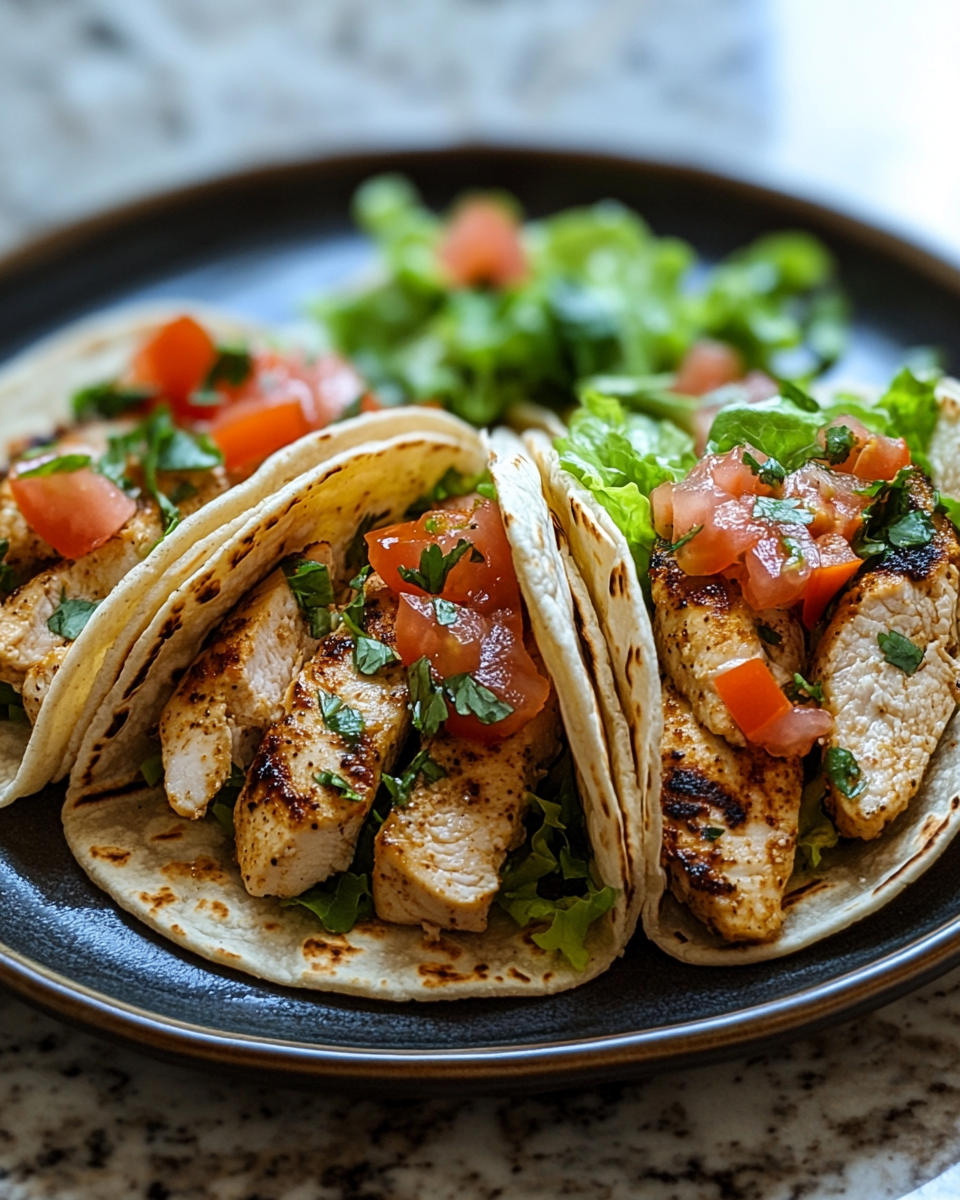
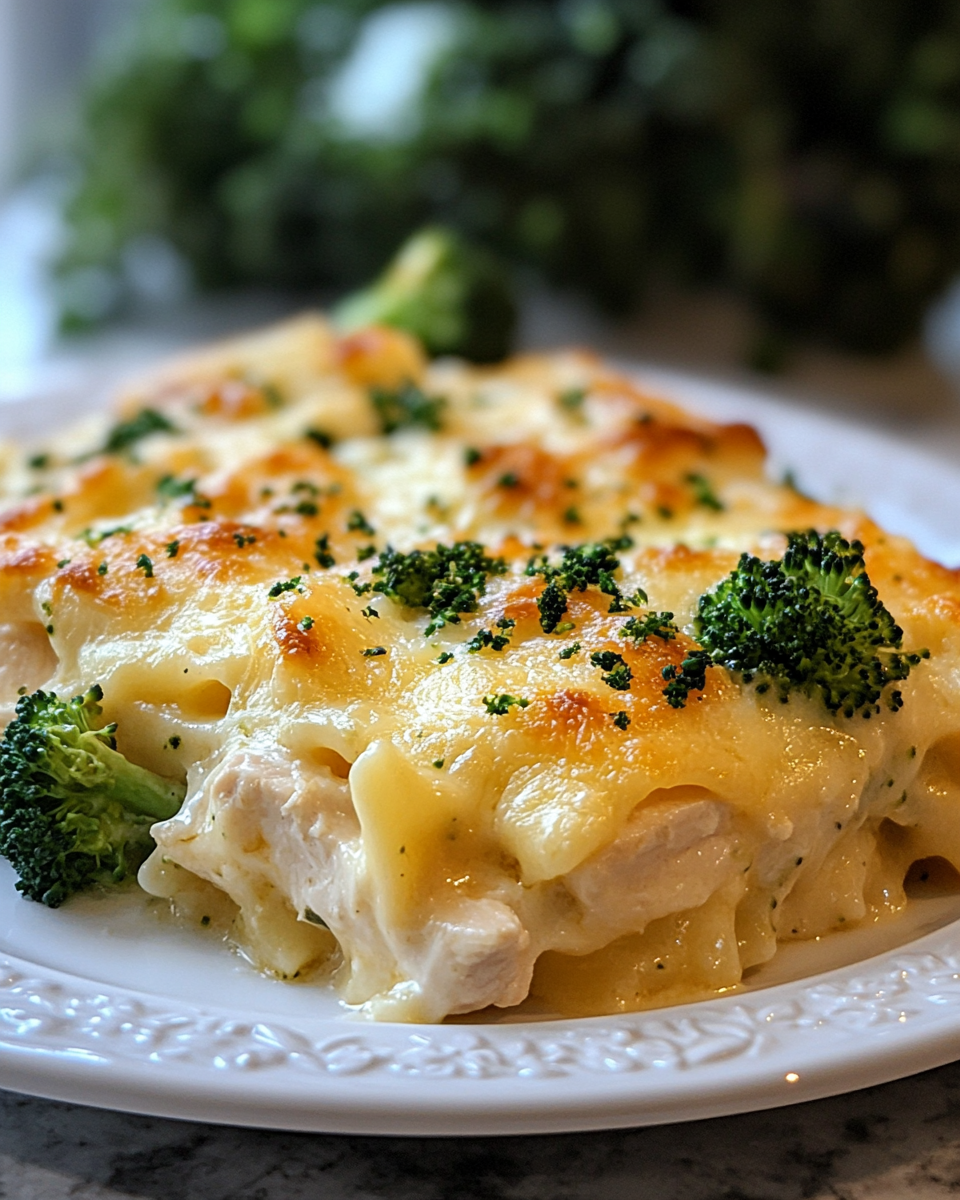
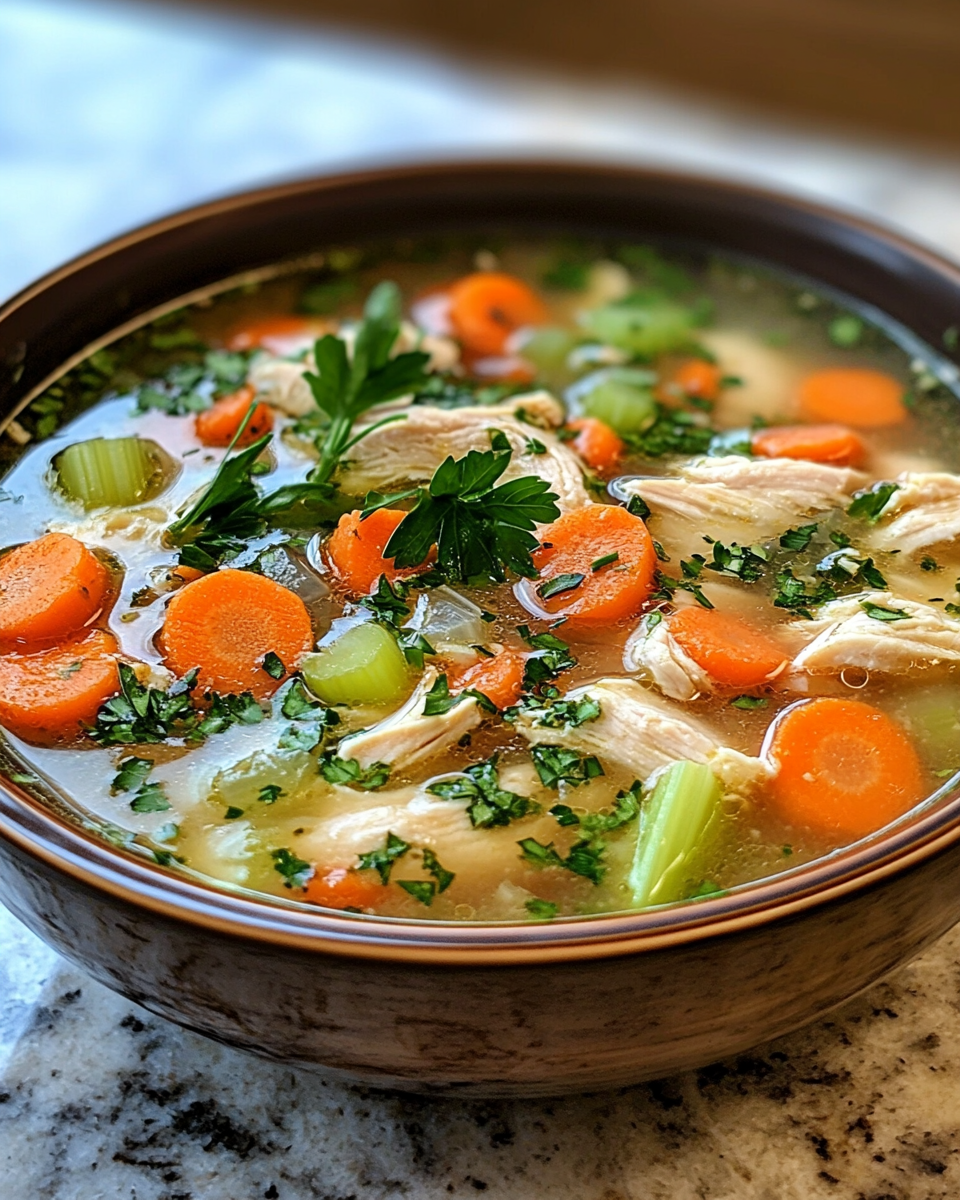
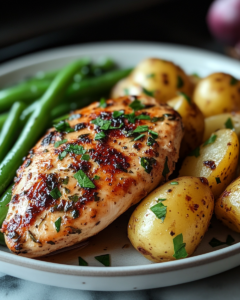
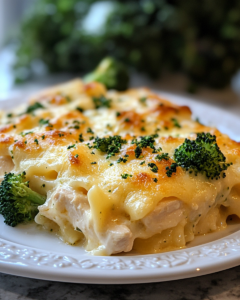
Chicken breast delivers a versatile base for evening meals that fit a wide range of cooking styles, seasoning profiles, and serving ideas. This collection of Simple Chicken Breast Dinner Recipes focuses on practical methods that work in a home kitchen with straightforward preparation steps and dependable results.
Each approach highlights texture development through heat control, seasoning balance, and timing. From oven baking to stovetop cooking, the techniques here are designed to support consistent results across different kitchen setups.
Chicken breast pairs well with herbs, spices, vegetables, grains, and sauces, allowing flexible combinations across multiple meals without complicated preparation. The recipes below focus on approachable cooking paths that keep preparation organized and the cooking process steady.
Ingredients Overview
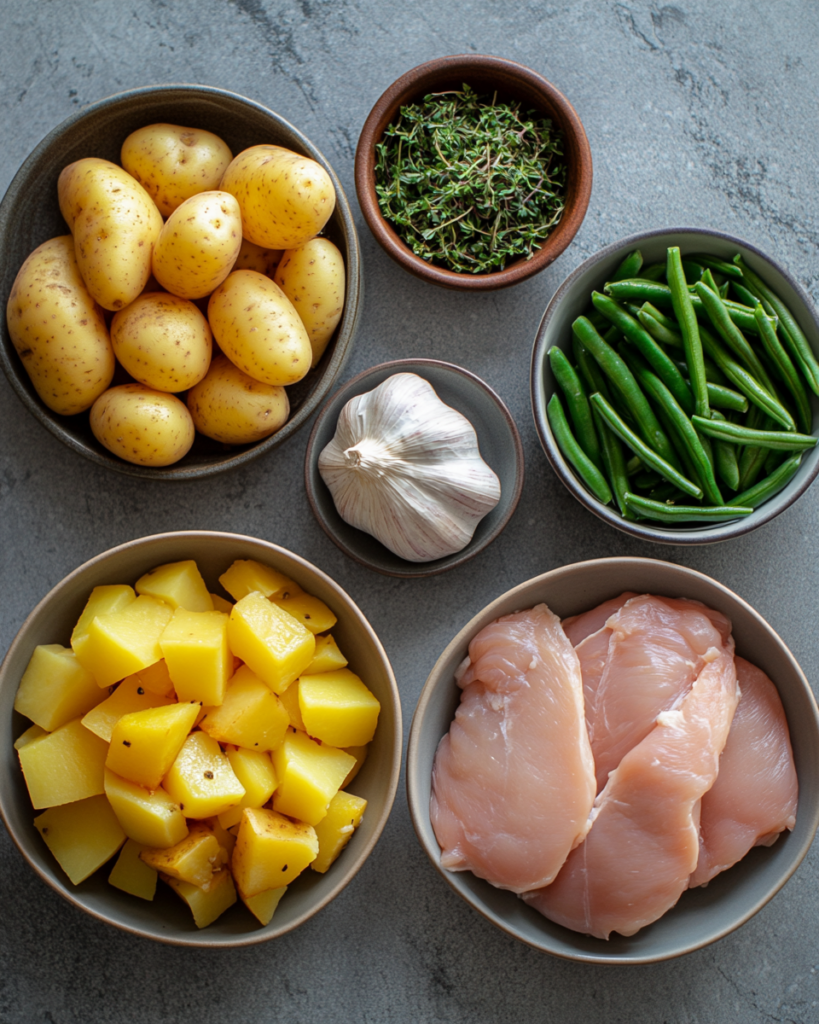
Chicken breast acts as a lean protein with a mild profile that absorbs seasoning well. This quality allows it to pair with a wide range of ingredients such as garlic, onion, paprika, olive oil, lemon juice, and dried herbs.
Olive oil supports browning and helps distribute heat across the surface during cooking. Garlic introduces depth, while onion adds mild sweetness when heated. Paprika contributes gentle warmth and color without overpowering the dish.
Salt plays a key role in seasoning balance, bringing out natural savory notes. Black pepper adds mild heat. Lemon juice introduces brightness that balances richer cooking fats.
Vegetables such as broccoli, bell peppers, zucchini, and carrots work well alongside chicken breast, offering texture contrast and color variety. Rice, potatoes, or pasta can serve as a base to round out the meal.
Herbs such as parsley, thyme, or oregano provide aromatic notes that complement both baked and pan-cooked chicken. Yogurt or light cream-based sauces can add smooth texture when used as finishing elements.
These ingredients work together by layering seasoning, moisture, and texture in a structured cooking process that supports consistent results across different preparation styles.
Ingredients
2 chicken breasts
2 tablespoons olive oil
3 cloves garlic, minced
1 teaspoon paprika
1 teaspoon salt
1/2 teaspoon black pepper
1 tablespoon lemon juice
1 cup broccoli florets
1 bell pepper, sliced
1 small zucchini, sliced
1/2 cup sliced onion
1/2 teaspoon dried oregano
1/2 teaspoon thyme
1 cup cooked rice or pasta
1 tablespoon chopped parsley
Step-by-Step Instructions

Begin by placing chicken breasts on a clean surface. Pat dry using paper towels to remove surface moisture. Drying supports even browning during cooking.
Season both sides with salt, black pepper, paprika, oregano, and thyme. Press seasoning gently into the surface to help adhesion.
Heat olive oil in a skillet over medium heat. Place chicken breasts into the skillet. Allow contact with the surface without moving them during initial browning. This helps develop a firm outer layer.
After several minutes, turn chicken breasts to cook the opposite side. Maintain steady heat so the exterior cooks evenly while the interior gradually reaches safe doneness.
Remove chicken once fully cooked and set aside to rest. Resting allows internal juices to redistribute within the meat structure.
In the same skillet, add onion, garlic, broccoli, bell pepper, and zucchini. Stir gently while heating until vegetables soften while maintaining structure.
Add lemon juice and adjust seasoning across vegetables. Stir to coat ingredients evenly.
Slice rested chicken breasts into even portions. Place over prepared rice or pasta. Arrange cooked vegetables alongside chicken.
Spoon any remaining pan juices over the top before serving.
Tips, Variations & Substitutions
Different seasoning blends can shift the overall profile of this dish. Smoked paprika introduces deeper flavor tones, while chili flakes add mild heat.
Vegetable selection can change depending on availability. Green beans, spinach, or mushrooms can replace or complement listed vegetables.
For oven preparation, chicken breasts can be placed on a baking tray and cooked until internal doneness is reached, then combined with sautéed vegetables afterward.
Rice can be replaced with quinoa or couscous depending on texture preference.
A yogurt-based sauce with garlic and herbs can be added at the end for a creamy finish without heavy ingredients.
Serving Ideas & Occasions
This chicken breast preparation works well for evening meals that require structured cooking without complicated steps. It fits both individual servings and shared dining settings.
Side dishes such as roasted vegetables or light salads pair well with the protein and seasoning profile. Grain-based sides help create a complete plate structure.
Herb garnishes add color contrast and aroma at the end of preparation.
This style of meal works across different serving settings, from casual weekday dining to prepared meals stored for later consumption.
Nutritional & Health Notes
Chicken breast provides a lean protein source that supports balanced meal planning. The cooking methods used here avoid heavy coatings or excessive fats, keeping the structure light while still satisfying.
Vegetables contribute fiber, vitamins, and mineral diversity, adding balance to the protein base. Olive oil supplies moderate healthy fats used during cooking.
Portion balance between protein, vegetables, and grains supports steady energy release across meals.
Seasoning choices allow flavor development without relying on heavy sauces, maintaining a clean ingredient structure.
FAQs
How long should chicken breast remain in the skillet?
Chicken breast typically requires several minutes on each side over medium heat. Thickness affects total cooking duration. A consistent surface color and firm texture indicate completion. Resting afterward supports moisture retention before slicing and serving.
Can frozen chicken breast be used?
Frozen chicken breast should be fully thawed before cooking. Thawing allows even heat distribution during preparation. Cold centers can cause uneven texture if placed directly into heat.
Which vegetables pair with chicken breast?
Broccoli, bell pepper, zucchini, onion, carrots, and green beans work well with chicken breast. These vegetables respond well to skillet cooking and maintain structure while absorbing seasoning from the cooking process.
Can chicken breast be baked instead of pan-cooked?
Chicken breast can be placed in an oven-safe tray and cooked until fully done. Baking supports even heat exposure. Vegetables can be added during or after baking depending on texture preference.
How can dryness be avoided during cooking?
Moderate heat control and resting after cooking support moisture retention. Removing chicken at the correct point and allowing it to rest prevents excessive moisture loss during slicing.
What grain pairs well with this dish?
Rice, pasta, quinoa, or couscous all pair well with chicken breast preparations. Each option provides a neutral base that absorbs seasoning and pan juices.
Can herbs be changed in this recipe?
Herbs such as basil, rosemary, or dill can replace oregano and thyme. Each herb introduces a different aroma profile while maintaining compatibility with chicken breast and vegetables.