Sticky Glazed Salmon (Easy Dinner) 5 Simple Cozy Oven-Baked Dish

Posted on

Uncategorized

Difficulty

Prep time

Cooking time

Total time

Servings

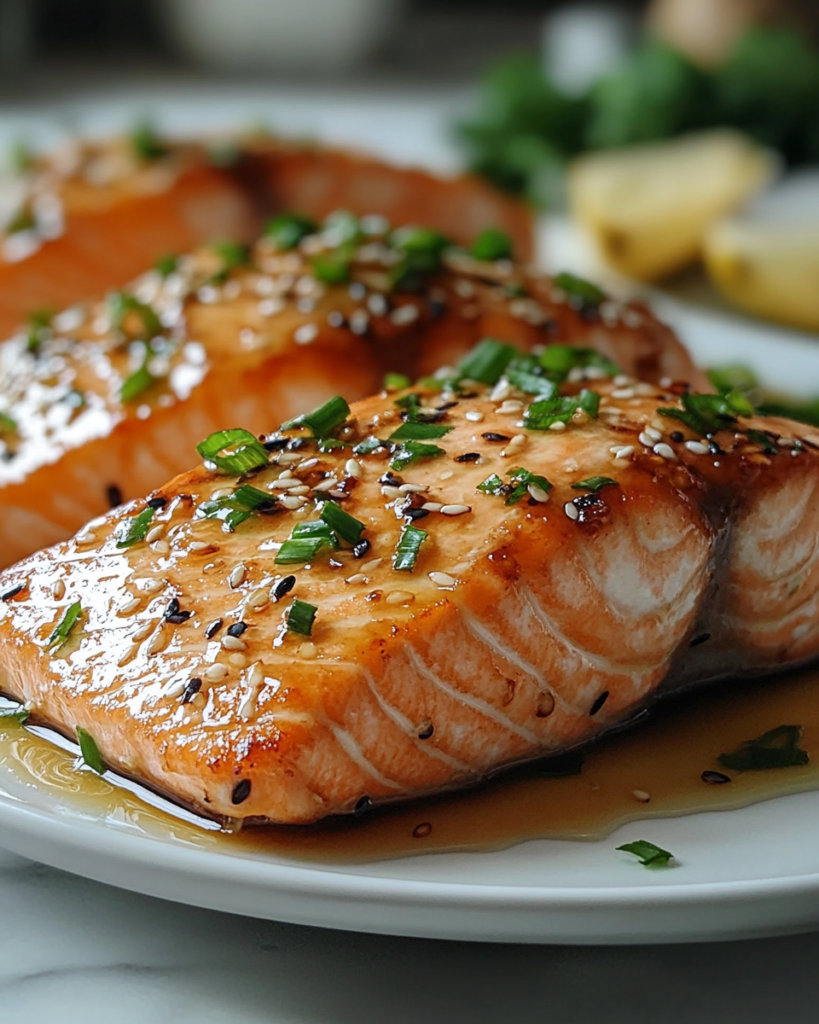
Sticky Glazed Salmon (Easy Dinner) brings together tender salmon fillets with a glossy, savory-sweet glaze that caramelizes gently in the oven. The result is a main dish that feels balanced, with rich flavor and a smooth finish that pairs well with many side dishes.

This recipe focuses on straightforward preparation and everyday ingredients. The glaze forms naturally as it bakes, coating each piece of salmon with a shiny layer that clings to the surface without overpowering the fish. The texture stays moist inside while the outside develops a light, flavorful coating.

It works well for weeknight meals or planned dinners because it comes together quickly and uses a short cooking time. The combination of sweet, salty, and umami notes creates a dish that feels complete with minimal steps in the kitchen.


Ingredients Overview
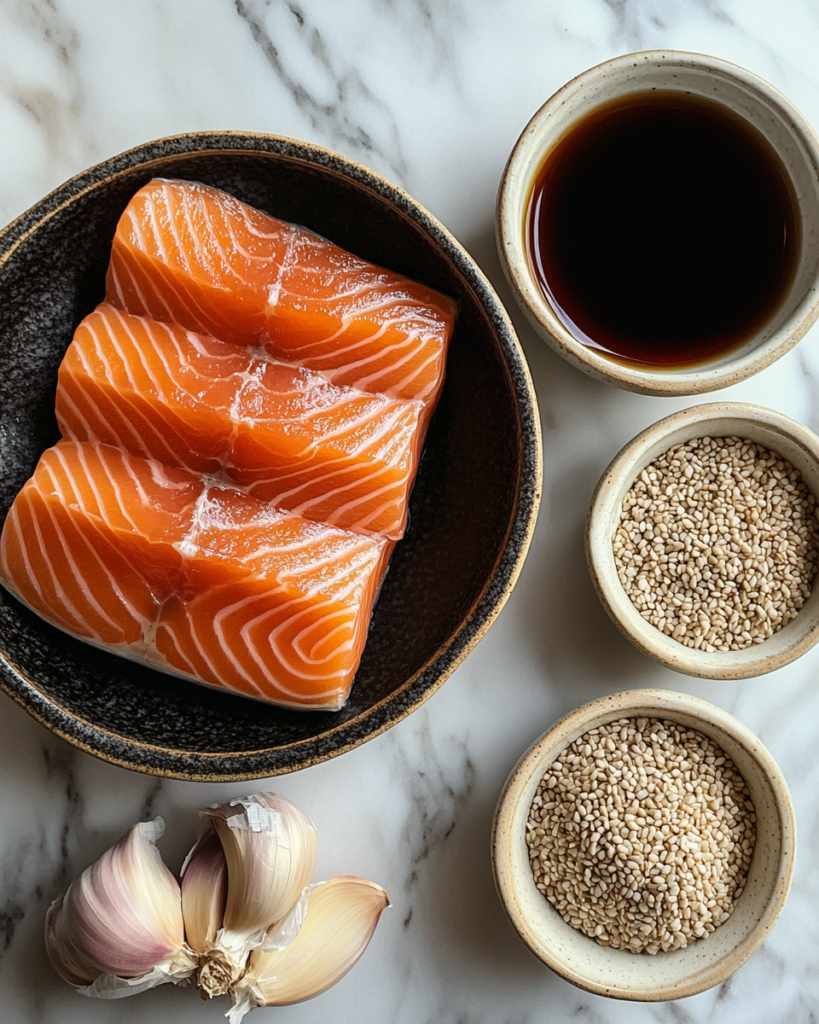
Salmon is the centerpiece of this dish, chosen for its rich texture and natural flavor. When baked correctly, it remains tender and flaky, holding its shape while absorbing the glaze. Skin-on fillets help retain moisture during cooking, though skinless pieces also work well.

The glaze is built from a blend of soy sauce, honey, garlic, and a small amount of ginger. Soy sauce provides depth and saltiness, while honey adds a smooth sweetness that thickens slightly in the oven. Garlic brings warmth and aroma, and ginger adds a subtle sharp note that balances the sweetness.

A small amount of oil helps the glaze coat the salmon evenly and prevents sticking during baking. Rice vinegar or lemon juice can be added for mild acidity, which keeps the flavor balanced and prevents the glaze from becoming too heavy.

Sesame oil is optional but adds a light nutty aroma that enhances the overall profile. A sprinkle of sesame seeds at the end adds texture and visual contrast.

For substitutions, maple syrup can replace honey for a slightly deeper sweetness. Tamari can be used instead of soy sauce for a gluten-free version. Fresh garlic can be swapped with garlic powder if needed, though fresh gives a stronger aroma.


Ingredients

4 salmon fillets (about 6 oz each)
1/4 cup soy sauce
3 tablespoons honey
2 cloves garlic, minced
1 teaspoon fresh ginger, grated
1 tablespoon olive oil
1 teaspoon rice vinegar or lemon juice
1 teaspoon sesame oil (optional)
1 tablespoon sesame seeds
2 green onions, sliced


Step-by-Step Instructions
Preheat the oven to 400°F. Prepare a baking dish or line a baking tray with parchment paper to prevent sticking and make cleanup easier. Lightly brush the surface with a small amount of oil.

Pat the salmon fillets dry using paper towels. This helps the glaze adhere better and supports even cooking. Place the fillets in a single layer in the prepared baking dish, leaving space between each piece.

In a small bowl, combine soy sauce, honey, minced garlic, grated ginger, olive oil, and rice vinegar. Stir until the mixture becomes smooth and slightly thick. This forms the base of the glaze that will coat the salmon during baking.

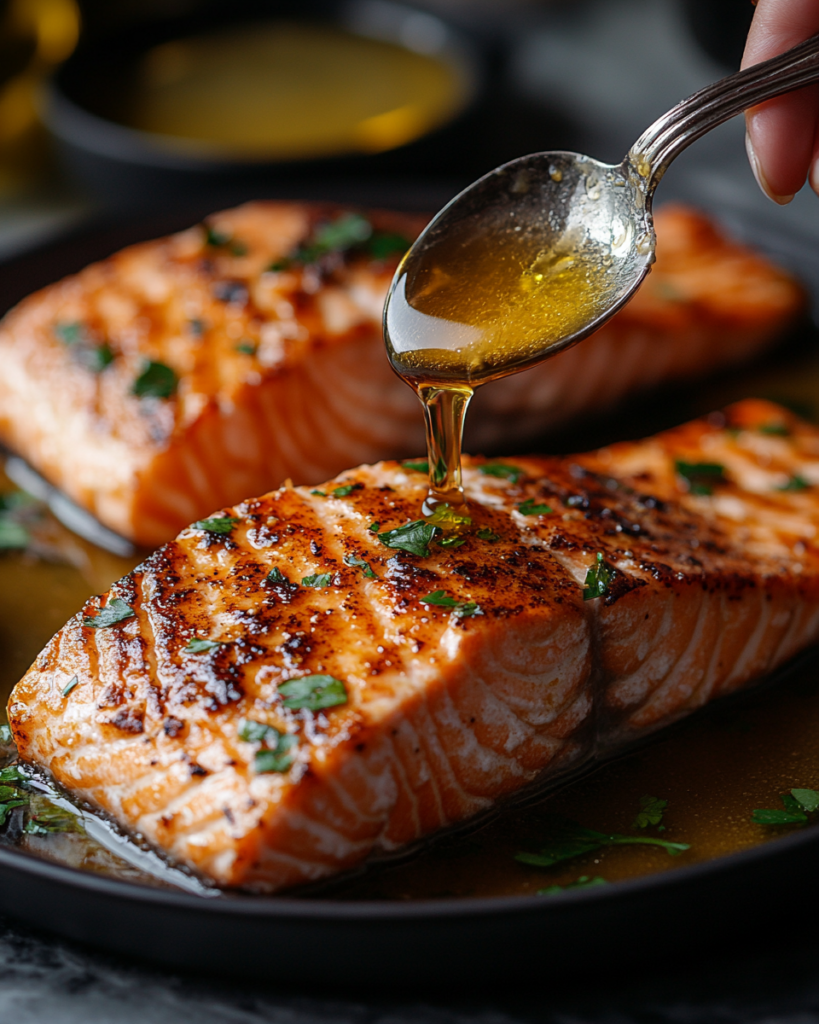
Spoon or brush the glaze evenly over each salmon fillet. Make sure each piece is fully coated so the flavor distributes evenly as it cooks. Let the salmon sit for a few minutes so the surface absorbs some of the glaze.

Place the baking dish in the oven and bake for 12 to 15 minutes, depending on thickness. The salmon is ready when it flakes easily with a fork and appears opaque in the center. Avoid overcooking to maintain a tender texture.

For a slightly caramelized finish, switch the oven to broil for the last 1 to 2 minutes. Watch closely during this step so the glaze does not burn.

Remove the salmon from the oven and allow it to rest briefly. Spoon any remaining glaze from the pan over the top for extra flavor. Finish with sesame seeds and sliced green onions before serving.


Tips, Variations & Substitutions

For a deeper flavor, the salmon can be marinated in the glaze for 20 to 30 minutes before baking. This allows the seasoning to soak slightly into the surface of the fish.

If a thicker glaze is preferred, simmer the sauce in a small pan for a few minutes before brushing it onto the salmon. This creates a more concentrated coating that clings more strongly during baking.

Maple syrup can replace honey for a richer sweetness with a slightly darker flavor profile. Tamari is a good substitute for soy sauce when a gluten-free option is needed.

To add heat, a small pinch of chili flakes or a drop of chili oil can be mixed into the glaze. This creates a gentle warmth without changing the structure of the dish.

This recipe also works well with other fish such as trout or cod, though cooking times may need slight adjustment depending on thickness.


Serving Ideas & Occasions

Sticky glazed salmon pairs well with simple side dishes that balance its rich flavor. Steamed rice, roasted vegetables, or a fresh cucumber salad all work well alongside the glaze.

It also fits nicely into meal planning because it reheats well and holds its texture when stored properly. The flavor remains steady even after cooling, making it suitable for lunch the next day.

For a lighter meal, it can be served with greens such as spinach or bok choy lightly sautéed with garlic. These sides complement the glaze without overpowering it.

A neutral drink such as iced green tea or sparkling water pairs well with the savory-sweet profile of the salmon.


Nutritional & Health Notes

Salmon provides a strong source of protein and natural omega-3 fatty acids, which support overall dietary balance. The glaze adds flavor through small amounts of sugar and sodium, which can be adjusted depending on preference.

Using honey or maple syrup keeps sweetness natural while allowing control over added sugar levels. Reducing soy sauce slightly can lower sodium content without affecting the overall structure of the glaze.

Pairing salmon with vegetables and whole grains creates a balanced plate with protein, fiber, and healthy fats. Portion size also plays an important role in maintaining a well-rounded meal.


FAQs

Can I use frozen salmon for this recipe?

Yes, frozen salmon works well as long as it is fully thawed before cooking. Thaw it in the refrigerator overnight or use a cold water method for faster results. Once thawed, pat it dry to remove excess moisture so the glaze adheres properly and the texture stays firm during baking.

How do I know when salmon is fully cooked?

Salmon is done when it turns opaque and flakes easily with a fork. The internal texture should be moist but not translucent. Cooking time usually ranges between 12 and 15 minutes depending on thickness. Avoid overcooking, as it can make the fish dry and less tender.

Can I cook this salmon in a pan instead of the oven?

Yes, the salmon can be cooked in a skillet over medium heat. Add a small amount of oil and place the fillets skin-side down first. Cook for several minutes on each side, brushing the glaze over the fish as it cooks. This method creates a slightly crisp exterior.

What can I use instead of honey?

Maple syrup is a common substitute for honey and provides a deeper, slightly caramel-like flavor. Brown sugar dissolved into a small amount of warm water can also work in place of honey. Each option changes the sweetness slightly but keeps the glaze structure intact.

Can I prepare the glaze in advance?

Yes, the glaze can be mixed ahead of time and stored in the refrigerator for a few days. Stir it before using since natural separation may occur. Preparing it in advance can reduce cooking time and make meal preparation faster.

What vegetables pair well with this dish?

Broccoli, green beans, asparagus, and bok choy all pair well with sticky glazed salmon. These vegetables balance the richness of the fish and absorb some of the glaze flavor when served together. They can be roasted or lightly steamed depending on preference.

Can I make this dish spicier?

Yes, a small amount of chili flakes, fresh chili, or chili oil can be added to the glaze. This introduces heat without changing the overall balance of flavors. Adjust the amount slowly to match your preferred spice level.

[rank_math_breadcrumb]

Sticky Glazed Salmon (Easy Dinner) 5 Simple Cozy Oven-Baked Dish

Photo of author
Author: Sophia
Published:

Sticky Glazed Salmon (Easy Dinner) brings together tender salmon fillets with a glossy, savory-sweet glaze that caramelizes gently in the oven. The result is a main dish that feels balanced, with rich flavor and a smooth finish that pairs well with many side dishes.

This recipe focuses on straightforward preparation and everyday ingredients. The glaze forms naturally as it bakes, coating each piece of salmon with a shiny layer that clings to the surface without overpowering the fish. The texture stays moist inside while the outside develops a light, flavorful coating.

It works well for weeknight meals or planned dinners because it comes together quickly and uses a short cooking time. The combination of sweet, salty, and umami notes creates a dish that feels complete with minimal steps in the kitchen.


Ingredients Overview

Salmon is the centerpiece of this dish, chosen for its rich texture and natural flavor. When baked correctly, it remains tender and flaky, holding its shape while absorbing the glaze. Skin-on fillets help retain moisture during cooking, though skinless pieces also work well.

The glaze is built from a blend of soy sauce, honey, garlic, and a small amount of ginger. Soy sauce provides depth and saltiness, while honey adds a smooth sweetness that thickens slightly in the oven. Garlic brings warmth and aroma, and ginger adds a subtle sharp note that balances the sweetness.

A small amount of oil helps the glaze coat the salmon evenly and prevents sticking during baking. Rice vinegar or lemon juice can be added for mild acidity, which keeps the flavor balanced and prevents the glaze from becoming too heavy.

Sesame oil is optional but adds a light nutty aroma that enhances the overall profile. A sprinkle of sesame seeds at the end adds texture and visual contrast.

For substitutions, maple syrup can replace honey for a slightly deeper sweetness. Tamari can be used instead of soy sauce for a gluten-free version. Fresh garlic can be swapped with garlic powder if needed, though fresh gives a stronger aroma.


Ingredients

4 salmon fillets (about 6 oz each)
1/4 cup soy sauce
3 tablespoons honey
2 cloves garlic, minced
1 teaspoon fresh ginger, grated
1 tablespoon olive oil
1 teaspoon rice vinegar or lemon juice
1 teaspoon sesame oil (optional)
1 tablespoon sesame seeds
2 green onions, sliced


Step-by-Step Instructions

Preheat the oven to 400°F. Prepare a baking dish or line a baking tray with parchment paper to prevent sticking and make cleanup easier. Lightly brush the surface with a small amount of oil.

Pat the salmon fillets dry using paper towels. This helps the glaze adhere better and supports even cooking. Place the fillets in a single layer in the prepared baking dish, leaving space between each piece.

In a small bowl, combine soy sauce, honey, minced garlic, grated ginger, olive oil, and rice vinegar. Stir until the mixture becomes smooth and slightly thick. This forms the base of the glaze that will coat the salmon during baking.

Spoon or brush the glaze evenly over each salmon fillet. Make sure each piece is fully coated so the flavor distributes evenly as it cooks. Let the salmon sit for a few minutes so the surface absorbs some of the glaze.

Place the baking dish in the oven and bake for 12 to 15 minutes, depending on thickness. The salmon is ready when it flakes easily with a fork and appears opaque in the center. Avoid overcooking to maintain a tender texture.

For a slightly caramelized finish, switch the oven to broil for the last 1 to 2 minutes. Watch closely during this step so the glaze does not burn.

Remove the salmon from the oven and allow it to rest briefly. Spoon any remaining glaze from the pan over the top for extra flavor. Finish with sesame seeds and sliced green onions before serving.


Tips, Variations & Substitutions

For a deeper flavor, the salmon can be marinated in the glaze for 20 to 30 minutes before baking. This allows the seasoning to soak slightly into the surface of the fish.

If a thicker glaze is preferred, simmer the sauce in a small pan for a few minutes before brushing it onto the salmon. This creates a more concentrated coating that clings more strongly during baking.

Maple syrup can replace honey for a richer sweetness with a slightly darker flavor profile. Tamari is a good substitute for soy sauce when a gluten-free option is needed.

To add heat, a small pinch of chili flakes or a drop of chili oil can be mixed into the glaze. This creates a gentle warmth without changing the structure of the dish.

This recipe also works well with other fish such as trout or cod, though cooking times may need slight adjustment depending on thickness.


Serving Ideas & Occasions

Sticky glazed salmon pairs well with simple side dishes that balance its rich flavor. Steamed rice, roasted vegetables, or a fresh cucumber salad all work well alongside the glaze.

It also fits nicely into meal planning because it reheats well and holds its texture when stored properly. The flavor remains steady even after cooling, making it suitable for lunch the next day.

For a lighter meal, it can be served with greens such as spinach or bok choy lightly sautéed with garlic. These sides complement the glaze without overpowering it.

A neutral drink such as iced green tea or sparkling water pairs well with the savory-sweet profile of the salmon.


Nutritional & Health Notes

Salmon provides a strong source of protein and natural omega-3 fatty acids, which support overall dietary balance. The glaze adds flavor through small amounts of sugar and sodium, which can be adjusted depending on preference.

Using honey or maple syrup keeps sweetness natural while allowing control over added sugar levels. Reducing soy sauce slightly can lower sodium content without affecting the overall structure of the glaze.

Pairing salmon with vegetables and whole grains creates a balanced plate with protein, fiber, and healthy fats. Portion size also plays an important role in maintaining a well-rounded meal.


FAQs

Can I use frozen salmon for this recipe?

Yes, frozen salmon works well as long as it is fully thawed before cooking. Thaw it in the refrigerator overnight or use a cold water method for faster results. Once thawed, pat it dry to remove excess moisture so the glaze adheres properly and the texture stays firm during baking.

How do I know when salmon is fully cooked?

Salmon is done when it turns opaque and flakes easily with a fork. The internal texture should be moist but not translucent. Cooking time usually ranges between 12 and 15 minutes depending on thickness. Avoid overcooking, as it can make the fish dry and less tender.

Can I cook this salmon in a pan instead of the oven?

Yes, the salmon can be cooked in a skillet over medium heat. Add a small amount of oil and place the fillets skin-side down first. Cook for several minutes on each side, brushing the glaze over the fish as it cooks. This method creates a slightly crisp exterior.

What can I use instead of honey?

Maple syrup is a common substitute for honey and provides a deeper, slightly caramel-like flavor. Brown sugar dissolved into a small amount of warm water can also work in place of honey. Each option changes the sweetness slightly but keeps the glaze structure intact.

Can I prepare the glaze in advance?

Yes, the glaze can be mixed ahead of time and stored in the refrigerator for a few days. Stir it before using since natural separation may occur. Preparing it in advance can reduce cooking time and make meal preparation faster.

What vegetables pair well with this dish?

Broccoli, green beans, asparagus, and bok choy all pair well with sticky glazed salmon. These vegetables balance the richness of the fish and absorb some of the glaze flavor when served together. They can be roasted or lightly steamed depending on preference.

Can I make this dish spicier?

Yes, a small amount of chili flakes, fresh chili, or chili oil can be added to the glaze. This introduces heat without changing the overall balance of flavors. Adjust the amount slowly to match your preferred spice level.
Name

Lorem ipsum dolor sit amet, consectetur adipiscing elit. Suspendisse varius enim in eros elementum tristique. Duis cursus, mi quis viverra ornare, eros dolor interdum nulla, ut commodo diam libero vitae erat.

You Might Also Like...

Simple Chicken Breast Dinner Recipes 5 Easy Delicious Meals

Simple Chicken Breast Dinner Recipes 5 Easy Delicious Meals

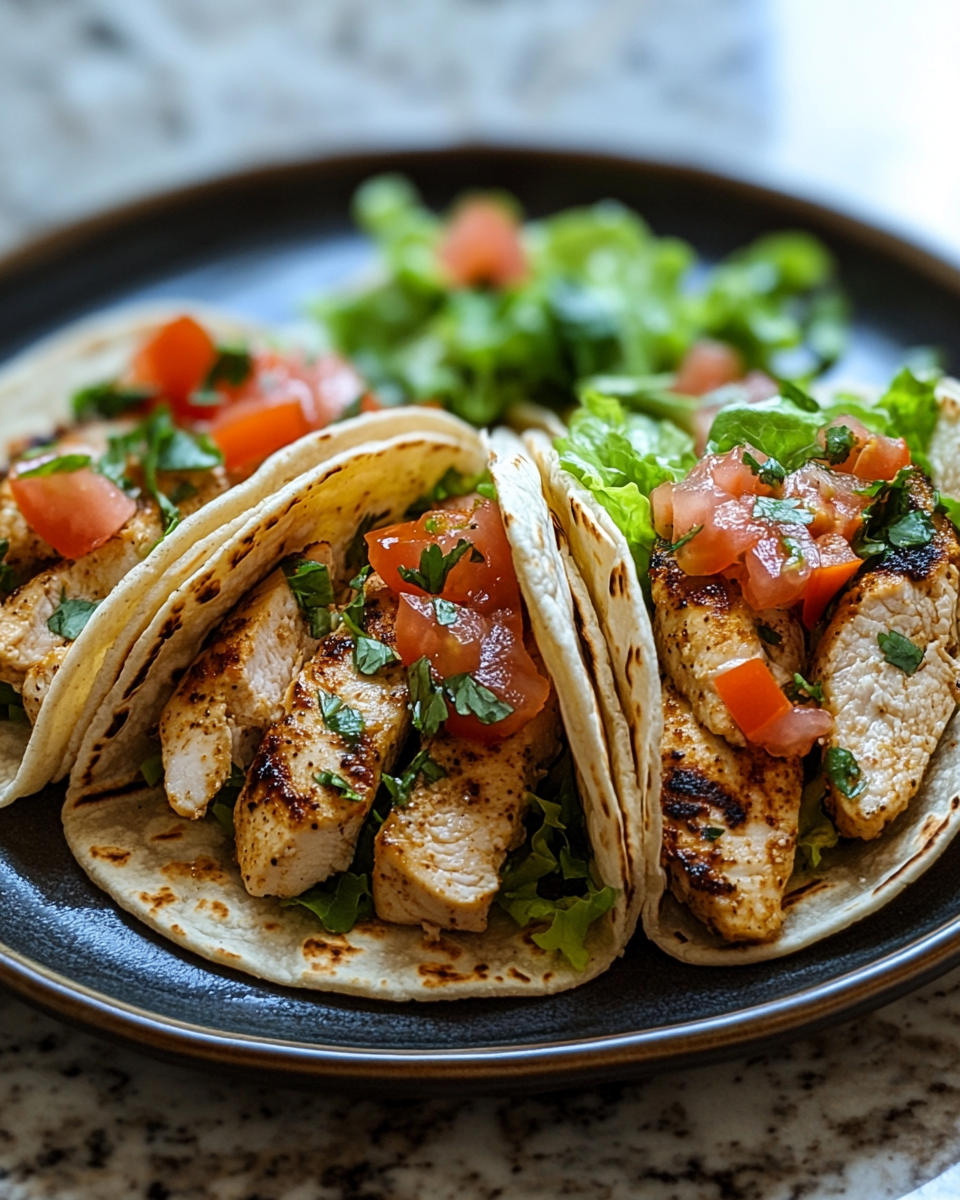
Healthy Chicken Breast Tacos Meal 7 Quick Fresh Delightful

Healthy Chicken Breast Tacos Meal 7 Quick Fresh Delightful

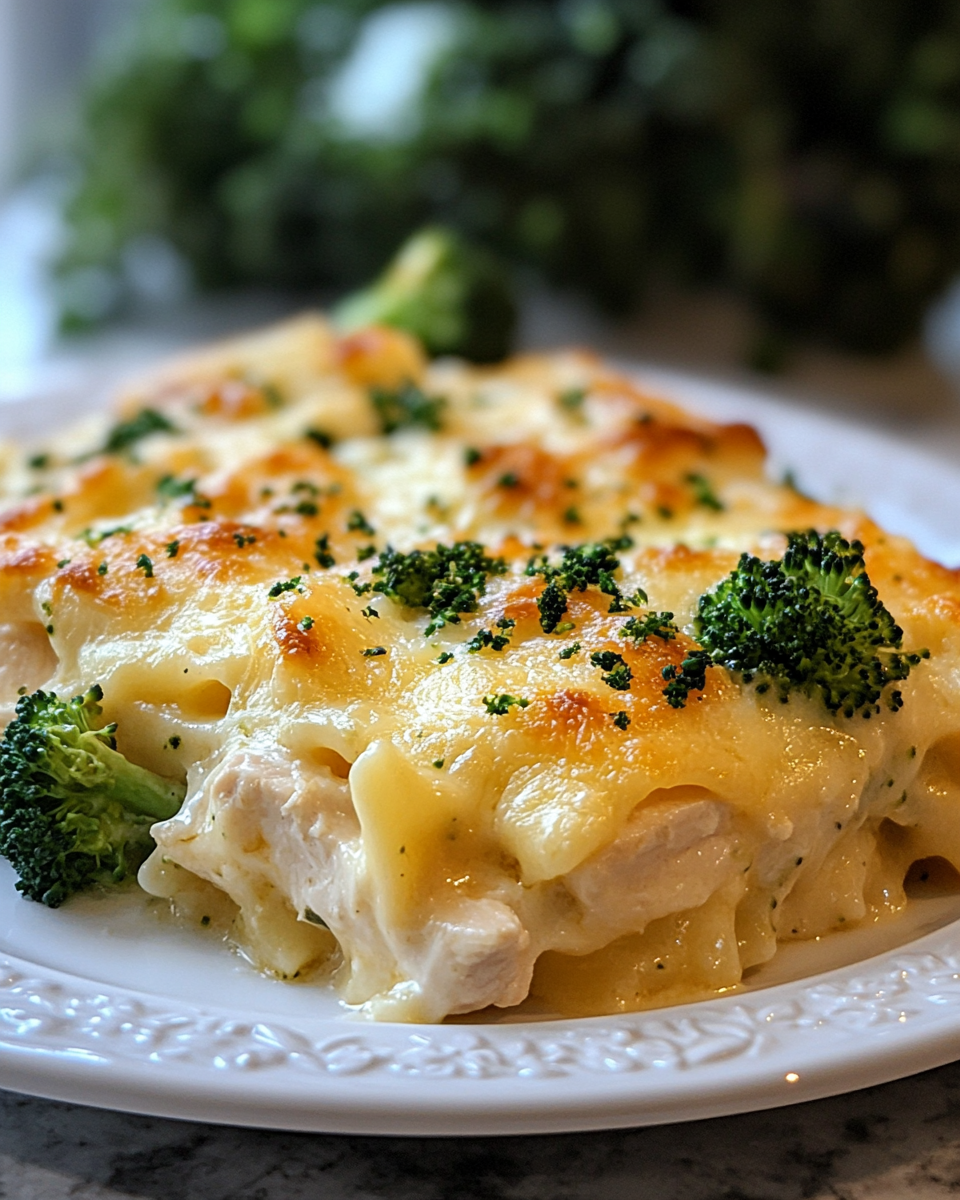
Cheesy Chicken Breast Casserole Recipe 5 Ultimate Surprising

Cheesy Chicken Breast Casserole Recipe 5 Ultimate Surprising

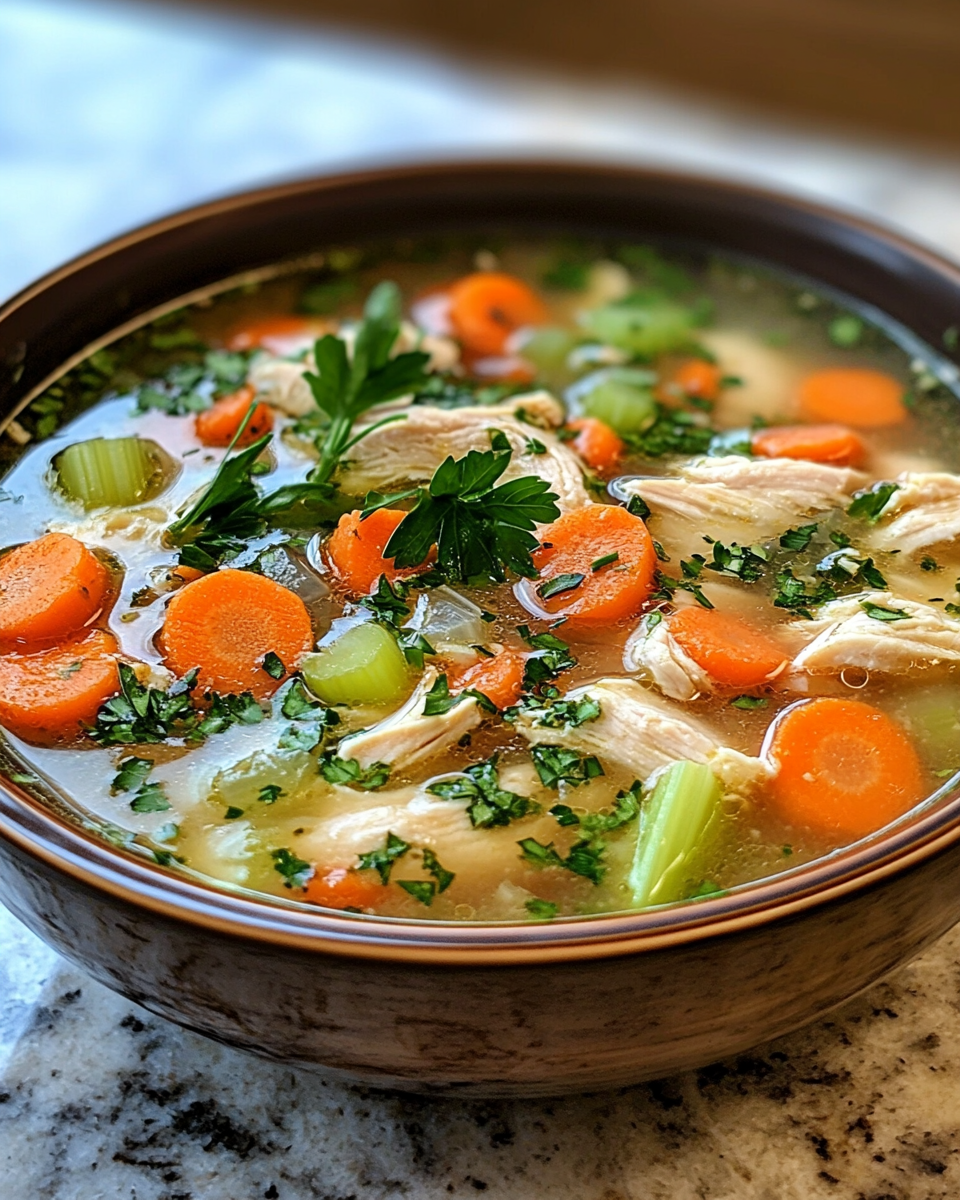
Easy Chicken Breast Soup Recipe 7 Simple Cozy Comforting Bowls

Easy Chicken Breast Soup Recipe 7 Simple Cozy Comforting Bowls

Tags:

You might also like these recipes

Leave a Comment