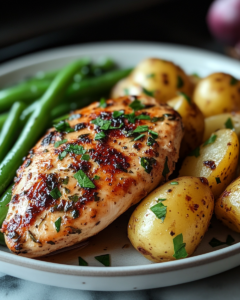
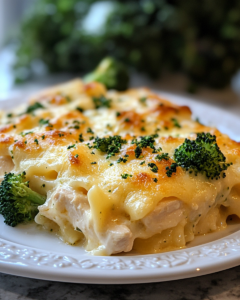
A quick honey garlic salmon dish brings together tender salmon fillets with a glossy garlic-infused glaze that cooks in just minutes. It is a reliable option for busy evenings when a warm, flavorful meal is needed without long preparation time.
The combination of honey, garlic, soy sauce, and lemon creates a balanced coating that clings to the salmon as it cooks. The fish develops a lightly caramelized surface while staying moist and flaky inside.
This recipe works well for weeknight cooking, offering a satisfying meal that pairs easily with rice, vegetables, or simple salads. It comes together in one pan, keeping cleanup minimal and cooking straightforward.
Ingredients Overview

Salmon is the centerpiece of this dish, valued for its rich texture and natural flavor. Fillets with the skin on help retain moisture during cooking, though skinless pieces also work well. The fish cooks quickly and absorbs the honey garlic glaze as it heats, forming a light coating on the surface.
Honey provides sweetness and helps create a slightly sticky glaze that clings to the salmon. When heated, it gently thickens and caramelizes, giving the dish a mild depth of flavor without overpowering the fish.
Garlic is an essential aromatic in this recipe. Freshly minced garlic adds sharpness and warmth, blending into the sauce as it cooks. It softens in the pan, releasing flavor that spreads evenly through the glaze.
Soy sauce adds savory depth and saltiness, balancing the sweetness of honey. It also contributes color to the sauce, giving it a rich golden-brown tone as it cooks.
Lemon juice introduces brightness and helps cut through the richness of the salmon. It keeps the glaze balanced and adds a light citrus note that lifts the overall flavor.
Olive oil is used for searing the salmon, helping develop a lightly crisp exterior while preventing sticking. A small amount of butter can also be added for extra richness in the sauce.
Optional ingredients such as red pepper flakes can add gentle heat, while parsley or green onions can be used at the end for freshness and color.
Ingredients
4 salmon fillets (about 6 oz each)
2 tablespoons olive oil
3 cloves garlic, minced
1/3 cup honey
1/4 cup soy sauce
2 tablespoons lemon juice
1 tablespoon butter
1/2 teaspoon black pepper
1/4 teaspoon salt
1/2 teaspoon red pepper flakes (optional)
2 tablespoons chopped parsley
Step-by-Step Instructions

Start by preparing the salmon fillets. Pat them dry with paper towels to remove excess moisture. This helps the surface brown more evenly during cooking. Lightly season both sides with salt and black pepper.
Place a large skillet over medium heat and add olive oil. Allow the oil to warm before adding the salmon. Place the fillets in the pan skin-side down if they have skin. Cook without moving them for a few minutes so the surface develops a light sear.
Flip the fillets carefully once the bottom turns golden and the salmon releases easily from the pan. Cook the other side for a short time, just until the fish is nearly cooked through. Remove the salmon from the pan and set it aside.
Reduce the heat slightly and add butter to the same skillet. Once melted, add minced garlic and stir for a short time until it becomes fragrant. Keep the heat moderate so the garlic does not burn, as that can change the flavor.
Pour in soy sauce, honey, and lemon juice. Stir the mixture so it becomes smooth and begins to lightly bubble. The sauce will slowly thicken as it heats, forming a glaze that will coat the salmon later.
If using red pepper flakes, add them at this stage so the heat blends into the sauce. Let the mixture simmer briefly until it becomes slightly glossy and thicker in texture.
Return the salmon fillets to the skillet. Spoon the sauce over each piece so they are fully coated. Let them cook together for a minute or two so the glaze adheres to the fish and finishes cooking it through.
Turn off the heat and sprinkle chopped parsley over the top. The fresh herbs add color and a light contrast to the rich glaze.
Avoid cooking salmon on high heat, as it can dry out quickly. A steady medium heat helps keep the texture tender. Also avoid overcooking the sauce, since honey can thicken fast and become too sticky if left too long on heat.
Tips, Variations & Substitutions
For a slightly deeper flavor, allow the salmon to rest in the honey soy mixture for a short time before cooking. This gives the surface a light coating that caramelizes more easily in the pan.
If salmon is not available, this glaze works well with trout or cod. Cooking times may vary depending on thickness, so adjust heat and timing as needed to keep the fish tender.
For a lighter version, reduce the honey slightly and add a bit more lemon juice. This shifts the balance toward a brighter, less sweet profile while keeping the same structure of the sauce.
Fresh ginger can be added with the garlic for an extra layer of warmth. It blends well with soy sauce and honey, adding a mild spice note.
Leftovers can be stored in a sealed container in the refrigerator and reheated gently over low heat. Adding a small splash of water helps loosen the sauce during reheating.
Serving Ideas & Occasions
This salmon dish pairs well with simple sides such as steamed rice, roasted vegetables, or mashed potatoes. The sauce naturally flavors whatever it is served with, making it easy to build a complete meal.
For lighter meals, it can be served over a fresh salad with cucumbers, greens, and a simple vinaigrette. The warm glaze contrasts well with crisp vegetables.
It also fits well into quick weeknight dinners when time is limited. Since it cooks in one pan and requires minimal preparation, it is practical for busy schedules.
Nutritional & Health Notes
Salmon is a strong source of protein and contains healthy fats that support balanced eating. The natural richness of the fish provides satisfaction without heavy ingredients.
Honey adds sweetness in small amounts, while soy sauce contributes saltiness, so portion balance matters. Lemon juice helps lighten the overall profile of the dish.
Serving the salmon with vegetables or grains helps create a well-rounded meal that includes protein, carbohydrates, and fiber in one plate.
FAQs
Can I use frozen salmon for this recipe?
Yes, frozen salmon works well if it is fully thawed before cooking. Allow it to thaw in the refrigerator for several hours or overnight. Pat the fillets dry before placing them in the pan to remove excess moisture. This helps the surface sear properly and allows the glaze to stick evenly during cooking.
How do I know when salmon is fully cooked?
Salmon is done when it flakes easily with a fork and turns opaque throughout. The center should no longer appear translucent. Cooking time can vary depending on thickness, but most fillets finish within a few minutes per side. Removing it slightly early and letting it rest in the sauce helps prevent dryness.
Can I bake instead of pan-searing?
Yes, baking is a good alternative. Place the salmon in a baking dish, pour the prepared sauce over it, and bake at moderate heat until cooked through. The texture will be softer compared to pan-searing, but the flavor remains rich and balanced.
What can I use instead of soy sauce?
Coconut aminos or tamari can be used as substitutes. Both provide a similar savory depth, though coconut aminos are slightly sweeter and less salty. Adjust seasoning as needed when making replacements.
Can this dish be made ahead of time?
Yes, it can be prepared ahead and stored in the refrigerator. Cook the salmon and sauce, let it cool, then store in a sealed container. Reheat gently over low heat to keep the fish tender and avoid drying it out.
What sides go best with honey garlic salmon?
Steamed rice, roasted vegetables, quinoa, or simple greens all pair well. The sauce blends nicely with mild sides that can absorb flavor without overpowering the dish.
How do I prevent garlic from burning?
Keep the heat moderate and add garlic after lowering the temperature slightly. Stir it briefly and move quickly to adding liquids. Burnt garlic can create a bitter taste, so short cooking time is important.