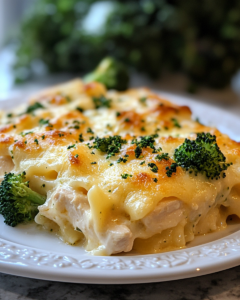
Baked parmesan chicken 5 Simple Surprising

Posted on

Uncategorized

Difficulty

Prep time

Cooking time

Total time

Servings

Baked parmesan chicken is a comforting oven dish featuring juicy chicken coated in a crisp parmesan crust. It brings together pantry staples and turns them into a golden, savory meal that fits both busy weeknights and relaxed family dinners.

The appeal of baked parmesan chicken comes from its contrast in texture: tender chicken inside with a crunchy, flavorful coating outside. The oven does most of the work, leaving you with a dish that feels hearty without needing constant attention at the stove.

This recipe works well because it relies on a balanced combination of cheese, breadcrumbs, and seasoning. The parmesan adds a sharp, nutty depth, while breadcrumbs give structure and crispness. Eggs or a light oil coating help everything adhere so the crust bakes evenly.

It is also flexible. You can adjust the seasoning profile depending on preference, add herbs for freshness, or pair it with different sauces. Whether served with pasta, vegetables, or a simple salad, baked parmesan chicken remains a reliable main dish that feels satisfying without being complicated.

Ingredients Overview

The foundation of baked parmesan chicken starts with boneless chicken breasts, which provide a lean and tender base. Choosing pieces of similar size helps them cook evenly in the oven, preventing dryness or undercooked centers. Light pounding can also help create uniform thickness.

Parmesan cheese is the key flavor builder. Its salty, nutty profile deepens as it bakes, forming a crisp crust when combined with breadcrumbs. Freshly grated parmesan melts and browns better than pre-packaged versions, though either can work depending on availability.

Breadcrumbs bring structure and crunch. Panko breadcrumbs create a lighter, airier coating, while traditional breadcrumbs produce a finer crust. Both options absorb seasoning well, allowing garlic powder, paprika, and herbs to distribute evenly.

Eggs act as a binding layer, helping the coating adhere to the chicken. A light brush of olive oil can also assist in browning and crisping during baking. Seasonings like salt, pepper, and garlic powder round out the flavor, while optional herbs such as parsley or oregano add freshness.

Some variations include adding a small amount of mozzarella for extra richness or serving the finished chicken with marinara sauce for a tomato-forward pairing. Each ingredient plays a specific role, working together to create a balanced, oven-baked main dish with a crisp exterior and juicy interior.

Ingredients

2 large boneless skinless chicken breasts
1 cup grated parmesan cheese
1 cup panko breadcrumbs
2 large eggs
1 teaspoon garlic powder
1 teaspoon onion powder
1 teaspoon paprika
1/2 teaspoon salt
1/2 teaspoon black pepper
2 tablespoons olive oil
1/2 teaspoon dried oregano
1/4 cup chopped fresh parsley (optional)

Step-by-Step Instructions

Start by preparing the chicken. Slice each breast horizontally if they are thick, or gently pound them to an even thickness of about 1/2 inch. This helps them cook evenly and prevents dry edges. Pat the chicken dry with paper towels so the coating adheres properly.

Set up a coating station with three shallow bowls. In the first, beat the eggs until smooth. In the second, combine parmesan cheese, breadcrumbs, garlic powder, onion powder, paprika, salt, pepper, and oregano. Mix well so the seasoning spreads evenly. The third bowl is for holding coated pieces before baking.

Dip each chicken piece into the egg mixture first, letting excess drip off. Then press it firmly into the parmesan breadcrumb mixture, coating both sides thoroughly. Press gently so the coating sticks well. Repeat until all pieces are coated.

Preheat the oven to 400°F (200°C). Lightly grease a baking sheet with olive oil or line it with parchment paper. Place the coated chicken pieces on the tray, leaving space between them for air circulation. Drizzle or brush a small amount of olive oil over the top to encourage browning.

Bake for 20–25 minutes, depending on thickness. Halfway through, gently flip the chicken for even crisping. The crust should turn golden brown, and the internal temperature should reach 165°F (74°C). Avoid overbaking, as this can dry out the chicken.

Once done, let the chicken rest for 5 minutes before serving. This helps the juices settle inside the meat, keeping it tender when sliced.

Tips, Variations & Substitutions

For extra crisp texture, use panko breadcrumbs instead of standard ones. They create a lighter coating that bakes into a more pronounced crunch. Mixing a small amount of melted butter with olive oil can also deepen browning.

If you prefer stronger flavor, add a pinch of chili flakes or smoked paprika to the coating mixture. Fresh herbs like basil or thyme can also be mixed in for a more aromatic finish. For a richer version, place a thin slice of mozzarella on top during the last few minutes of baking.

Chicken thighs can be used instead of breasts for a juicier result, though cooking time may need slight adjustment. Gluten-free breadcrumbs work well as a substitute for those avoiding wheat products.

Leftovers can be reheated in an oven or air fryer to help restore crispness. Avoid microwaving for long periods, as it can soften the coating.

Serving Ideas & Occasions

Baked parmesan chicken pairs well with a variety of sides. Pasta with marinara sauce is a classic option, especially when you want a heartier meal. Roasted vegetables, mashed potatoes, or a crisp green salad also complement the savory coating.

For a lighter plate, serve it with steamed broccoli or zucchini. A squeeze of lemon over the top adds brightness that balances the richness of the parmesan crust.

This dish works well for weeknight dinners, casual gatherings, or meal prep for the week. It also holds up nicely when sliced and added to sandwiches or wraps.

Nutritional & Health Notes

Baked parmesan chicken provides a balance of protein, fats, and carbohydrates. Chicken breast offers lean protein, which supports muscle maintenance and satiety. Parmesan cheese contributes calcium and flavor, while breadcrumbs add energy-rich carbohydrates.

Oven baking reduces the need for deep frying, which helps keep the dish lighter while still achieving a crisp texture. Using olive oil instead of heavier fats keeps the overall profile more balanced.

Portion size plays an important role in nutrition. Pairing the chicken with vegetables increases fiber intake and adds variety to the meal. Adjusting cheese or breadcrumb amounts can also tailor the dish to different dietary preferences without changing its core structure.

FAQs

Can I use chicken thighs instead of chicken breasts?

Chicken thighs work well in baked parmesan chicken and often produce a juicier result due to their higher fat content. When using thighs, try to choose boneless and skinless pieces for even coating and consistent baking. Because thighs can vary in thickness, cooking time may need to be extended slightly, usually by 5–10 minutes. Always check that the internal temperature reaches 165°F (74°C). The coating still crisps nicely, especially when panko breadcrumbs are used, making thighs a flavorful alternative to traditional chicken breasts.

What type of parmesan works best?

Freshly grated parmesan is preferred for baked parmesan chicken because it melts and browns more effectively during baking. It also has a stronger, more natural flavor compared to pre-packaged grated cheese. However, pre-shredded parmesan can still be used in a pinch, though the texture of the crust may be slightly less crisp. For the most consistent coating, combine parmesan with breadcrumbs so it distributes evenly. Avoid powdered shelf-stable versions if possible, as they do not provide the same texture or depth of flavor when baked.

How do I keep the coating from falling off?

To keep the coating intact, make sure the chicken is patted dry before starting. Moisture on the surface can prevent proper adhesion. Pressing the breadcrumb-parmesan mixture firmly onto the chicken also helps it stick. Allowing the coated chicken to rest for a few minutes before baking can further improve adherence. Another helpful step is to dip each piece thoroughly in beaten eggs so the coating has a strong binding layer. Avoid flipping the chicken too early during baking, as this can loosen the crust.

Can I make this recipe ahead of time?

Yes, baked parmesan chicken can be prepared ahead of time by coating the chicken and storing it in the refrigerator for a few hours before baking. This can actually help the coating set more firmly. Keep the prepared chicken covered and chilled until ready to bake. It is not recommended to store it for more than 24 hours before cooking, as the coating may become too moist. When ready, bake directly from the refrigerator, adding a few extra minutes if needed for even cooking.

What is the best way to reheat leftovers?

The best way to reheat baked parmesan chicken is in an oven or air fryer. Set the temperature to around 350°F (175°C) and heat until warmed through, usually 10–15 minutes. This method helps restore crispness to the coating. Avoid using a microwave for long periods, as it can soften the crust and make it soggy. If using a microwave, reheat in short intervals and finish in a hot skillet or oven for texture recovery. Proper reheating keeps the chicken closer to its original quality.

Can I make this dish gluten-free?

Yes, baked parmesan chicken can easily be adapted to a gluten-free version. Replace traditional breadcrumbs with gluten-free breadcrumbs or crushed gluten-free crackers. The parmesan cheese and other seasonings are naturally gluten-free, but always check labels to confirm. The coating process remains the same, and baking time does not need to be adjusted. The texture may vary slightly depending on the breadcrumb substitute, but the result will still be crisp and flavorful when baked properly in the oven.

What sauces go well with baked parmesan chicken?

Baked parmesan chicken pairs well with several sauces depending on your preference. Marinara sauce is a popular choice, adding a tangy tomato contrast to the savory crust. Creamy garlic sauce or Alfredo sauce also complements the dish for a richer profile. For a lighter option, a lemon herb drizzle or yogurt-based sauce works well. You can also serve it without sauce and rely on the seasoning in the crust for flavor. Each sauce changes the character of the dish while keeping its core appeal intact.

[rank_math_breadcrumb]

Baked parmesan chicken 5 Simple Surprising

Photo of author
Author: Sophia
Published:

Baked parmesan chicken is a comforting oven dish featuring juicy chicken coated in a crisp parmesan crust. It brings together pantry staples and turns them into a golden, savory meal that fits both busy weeknights and relaxed family dinners.

The appeal of baked parmesan chicken comes from its contrast in texture: tender chicken inside with a crunchy, flavorful coating outside. The oven does most of the work, leaving you with a dish that feels hearty without needing constant attention at the stove.

This recipe works well because it relies on a balanced combination of cheese, breadcrumbs, and seasoning. The parmesan adds a sharp, nutty depth, while breadcrumbs give structure and crispness. Eggs or a light oil coating help everything adhere so the crust bakes evenly.

It is also flexible. You can adjust the seasoning profile depending on preference, add herbs for freshness, or pair it with different sauces. Whether served with pasta, vegetables, or a simple salad, baked parmesan chicken remains a reliable main dish that feels satisfying without being complicated.

Ingredients Overview

The foundation of baked parmesan chicken starts with boneless chicken breasts, which provide a lean and tender base. Choosing pieces of similar size helps them cook evenly in the oven, preventing dryness or undercooked centers. Light pounding can also help create uniform thickness.

Parmesan cheese is the key flavor builder. Its salty, nutty profile deepens as it bakes, forming a crisp crust when combined with breadcrumbs. Freshly grated parmesan melts and browns better than pre-packaged versions, though either can work depending on availability.

Breadcrumbs bring structure and crunch. Panko breadcrumbs create a lighter, airier coating, while traditional breadcrumbs produce a finer crust. Both options absorb seasoning well, allowing garlic powder, paprika, and herbs to distribute evenly.

Eggs act as a binding layer, helping the coating adhere to the chicken. A light brush of olive oil can also assist in browning and crisping during baking. Seasonings like salt, pepper, and garlic powder round out the flavor, while optional herbs such as parsley or oregano add freshness.

Some variations include adding a small amount of mozzarella for extra richness or serving the finished chicken with marinara sauce for a tomato-forward pairing. Each ingredient plays a specific role, working together to create a balanced, oven-baked main dish with a crisp exterior and juicy interior.

Ingredients

2 large boneless skinless chicken breasts
1 cup grated parmesan cheese
1 cup panko breadcrumbs
2 large eggs
1 teaspoon garlic powder
1 teaspoon onion powder
1 teaspoon paprika
1/2 teaspoon salt
1/2 teaspoon black pepper
2 tablespoons olive oil
1/2 teaspoon dried oregano
1/4 cup chopped fresh parsley (optional)

Step-by-Step Instructions

Start by preparing the chicken. Slice each breast horizontally if they are thick, or gently pound them to an even thickness of about 1/2 inch. This helps them cook evenly and prevents dry edges. Pat the chicken dry with paper towels so the coating adheres properly.

Set up a coating station with three shallow bowls. In the first, beat the eggs until smooth. In the second, combine parmesan cheese, breadcrumbs, garlic powder, onion powder, paprika, salt, pepper, and oregano. Mix well so the seasoning spreads evenly. The third bowl is for holding coated pieces before baking.

Dip each chicken piece into the egg mixture first, letting excess drip off. Then press it firmly into the parmesan breadcrumb mixture, coating both sides thoroughly. Press gently so the coating sticks well. Repeat until all pieces are coated.

Preheat the oven to 400°F (200°C). Lightly grease a baking sheet with olive oil or line it with parchment paper. Place the coated chicken pieces on the tray, leaving space between them for air circulation. Drizzle or brush a small amount of olive oil over the top to encourage browning.

Bake for 20–25 minutes, depending on thickness. Halfway through, gently flip the chicken for even crisping. The crust should turn golden brown, and the internal temperature should reach 165°F (74°C). Avoid overbaking, as this can dry out the chicken.

Once done, let the chicken rest for 5 minutes before serving. This helps the juices settle inside the meat, keeping it tender when sliced.

Tips, Variations & Substitutions

For extra crisp texture, use panko breadcrumbs instead of standard ones. They create a lighter coating that bakes into a more pronounced crunch. Mixing a small amount of melted butter with olive oil can also deepen browning.

If you prefer stronger flavor, add a pinch of chili flakes or smoked paprika to the coating mixture. Fresh herbs like basil or thyme can also be mixed in for a more aromatic finish. For a richer version, place a thin slice of mozzarella on top during the last few minutes of baking.

Chicken thighs can be used instead of breasts for a juicier result, though cooking time may need slight adjustment. Gluten-free breadcrumbs work well as a substitute for those avoiding wheat products.

Leftovers can be reheated in an oven or air fryer to help restore crispness. Avoid microwaving for long periods, as it can soften the coating.

Serving Ideas & Occasions

Baked parmesan chicken pairs well with a variety of sides. Pasta with marinara sauce is a classic option, especially when you want a heartier meal. Roasted vegetables, mashed potatoes, or a crisp green salad also complement the savory coating.

For a lighter plate, serve it with steamed broccoli or zucchini. A squeeze of lemon over the top adds brightness that balances the richness of the parmesan crust.

This dish works well for weeknight dinners, casual gatherings, or meal prep for the week. It also holds up nicely when sliced and added to sandwiches or wraps.

Nutritional & Health Notes

Baked parmesan chicken provides a balance of protein, fats, and carbohydrates. Chicken breast offers lean protein, which supports muscle maintenance and satiety. Parmesan cheese contributes calcium and flavor, while breadcrumbs add energy-rich carbohydrates.

Oven baking reduces the need for deep frying, which helps keep the dish lighter while still achieving a crisp texture. Using olive oil instead of heavier fats keeps the overall profile more balanced.

Portion size plays an important role in nutrition. Pairing the chicken with vegetables increases fiber intake and adds variety to the meal. Adjusting cheese or breadcrumb amounts can also tailor the dish to different dietary preferences without changing its core structure.

FAQs

Can I use chicken thighs instead of chicken breasts?

Chicken thighs work well in baked parmesan chicken and often produce a juicier result due to their higher fat content. When using thighs, try to choose boneless and skinless pieces for even coating and consistent baking. Because thighs can vary in thickness, cooking time may need to be extended slightly, usually by 5–10 minutes. Always check that the internal temperature reaches 165°F (74°C). The coating still crisps nicely, especially when panko breadcrumbs are used, making thighs a flavorful alternative to traditional chicken breasts.

What type of parmesan works best?

Freshly grated parmesan is preferred for baked parmesan chicken because it melts and browns more effectively during baking. It also has a stronger, more natural flavor compared to pre-packaged grated cheese. However, pre-shredded parmesan can still be used in a pinch, though the texture of the crust may be slightly less crisp. For the most consistent coating, combine parmesan with breadcrumbs so it distributes evenly. Avoid powdered shelf-stable versions if possible, as they do not provide the same texture or depth of flavor when baked.

How do I keep the coating from falling off?

To keep the coating intact, make sure the chicken is patted dry before starting. Moisture on the surface can prevent proper adhesion. Pressing the breadcrumb-parmesan mixture firmly onto the chicken also helps it stick. Allowing the coated chicken to rest for a few minutes before baking can further improve adherence. Another helpful step is to dip each piece thoroughly in beaten eggs so the coating has a strong binding layer. Avoid flipping the chicken too early during baking, as this can loosen the crust.

Can I make this recipe ahead of time?

Yes, baked parmesan chicken can be prepared ahead of time by coating the chicken and storing it in the refrigerator for a few hours before baking. This can actually help the coating set more firmly. Keep the prepared chicken covered and chilled until ready to bake. It is not recommended to store it for more than 24 hours before cooking, as the coating may become too moist. When ready, bake directly from the refrigerator, adding a few extra minutes if needed for even cooking.

What is the best way to reheat leftovers?

The best way to reheat baked parmesan chicken is in an oven or air fryer. Set the temperature to around 350°F (175°C) and heat until warmed through, usually 10–15 minutes. This method helps restore crispness to the coating. Avoid using a microwave for long periods, as it can soften the crust and make it soggy. If using a microwave, reheat in short intervals and finish in a hot skillet or oven for texture recovery. Proper reheating keeps the chicken closer to its original quality.

Can I make this dish gluten-free?

Yes, baked parmesan chicken can easily be adapted to a gluten-free version. Replace traditional breadcrumbs with gluten-free breadcrumbs or crushed gluten-free crackers. The parmesan cheese and other seasonings are naturally gluten-free, but always check labels to confirm. The coating process remains the same, and baking time does not need to be adjusted. The texture may vary slightly depending on the breadcrumb substitute, but the result will still be crisp and flavorful when baked properly in the oven.

What sauces go well with baked parmesan chicken?

Baked parmesan chicken pairs well with several sauces depending on your preference. Marinara sauce is a popular choice, adding a tangy tomato contrast to the savory crust. Creamy garlic sauce or Alfredo sauce also complements the dish for a richer profile. For a lighter option, a lemon herb drizzle or yogurt-based sauce works well. You can also serve it without sauce and rely on the seasoning in the crust for flavor. Each sauce changes the character of the dish while keeping its core appeal intact.
Name

Lorem ipsum dolor sit amet, consectetur adipiscing elit. Suspendisse varius enim in eros elementum tristique. Duis cursus, mi quis viverra ornare, eros dolor interdum nulla, ut commodo diam libero vitae erat.

You Might Also Like...

Simple Chicken Breast Dinner Recipes 5 Easy Delicious Meals

Simple Chicken Breast Dinner Recipes 5 Easy Delicious Meals

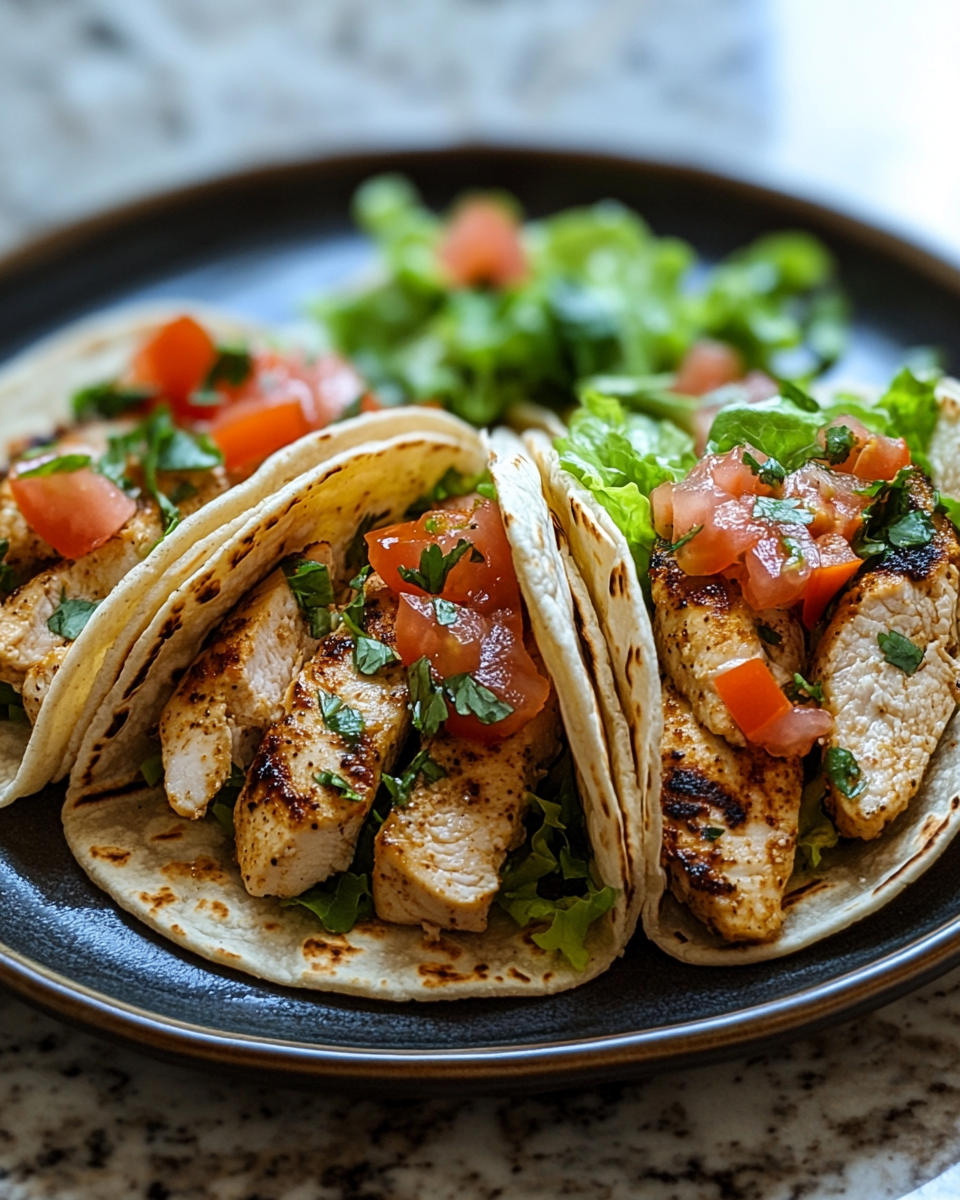
Healthy Chicken Breast Tacos Meal 7 Quick Fresh Delightful

Healthy Chicken Breast Tacos Meal 7 Quick Fresh Delightful

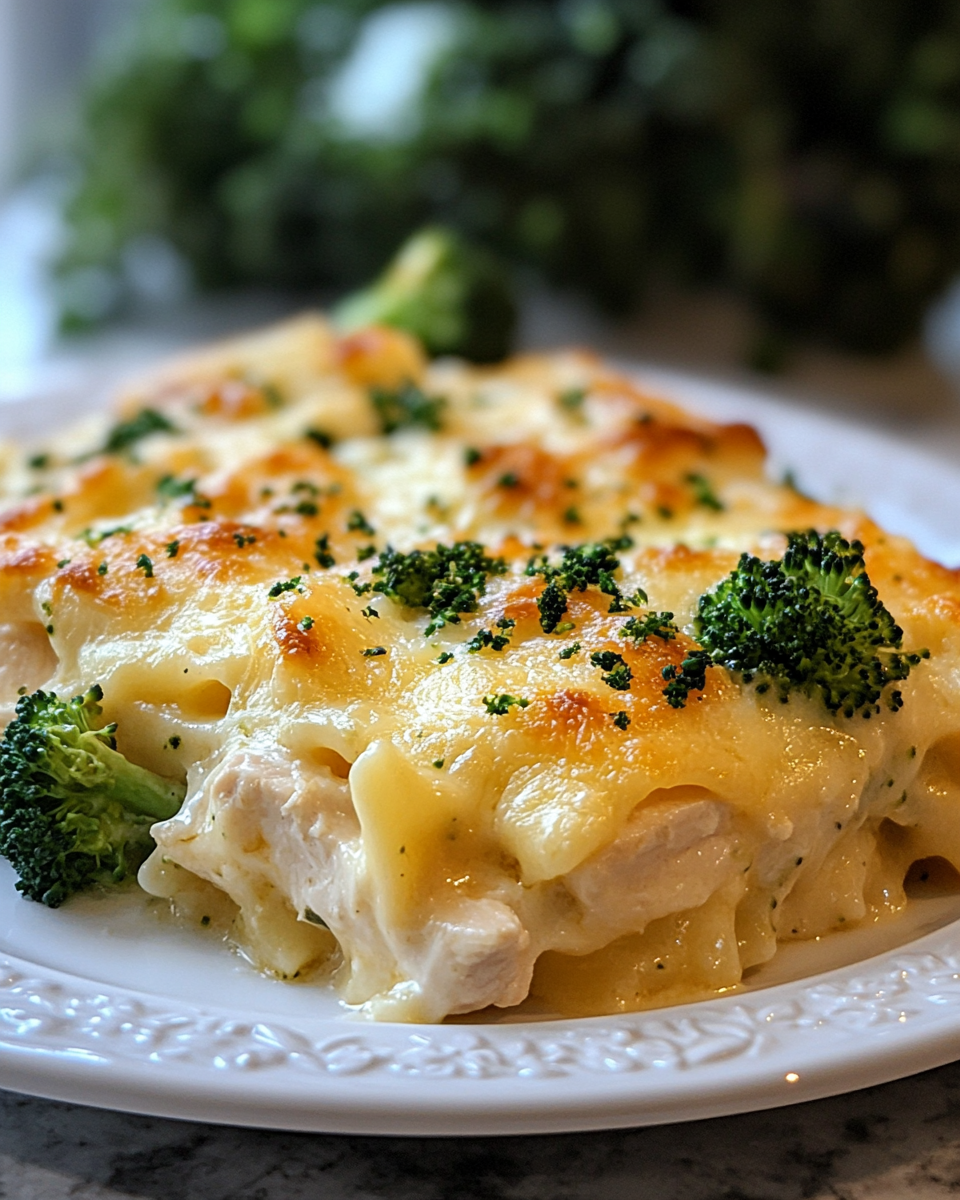
Cheesy Chicken Breast Casserole Recipe 5 Ultimate Surprising

Cheesy Chicken Breast Casserole Recipe 5 Ultimate Surprising

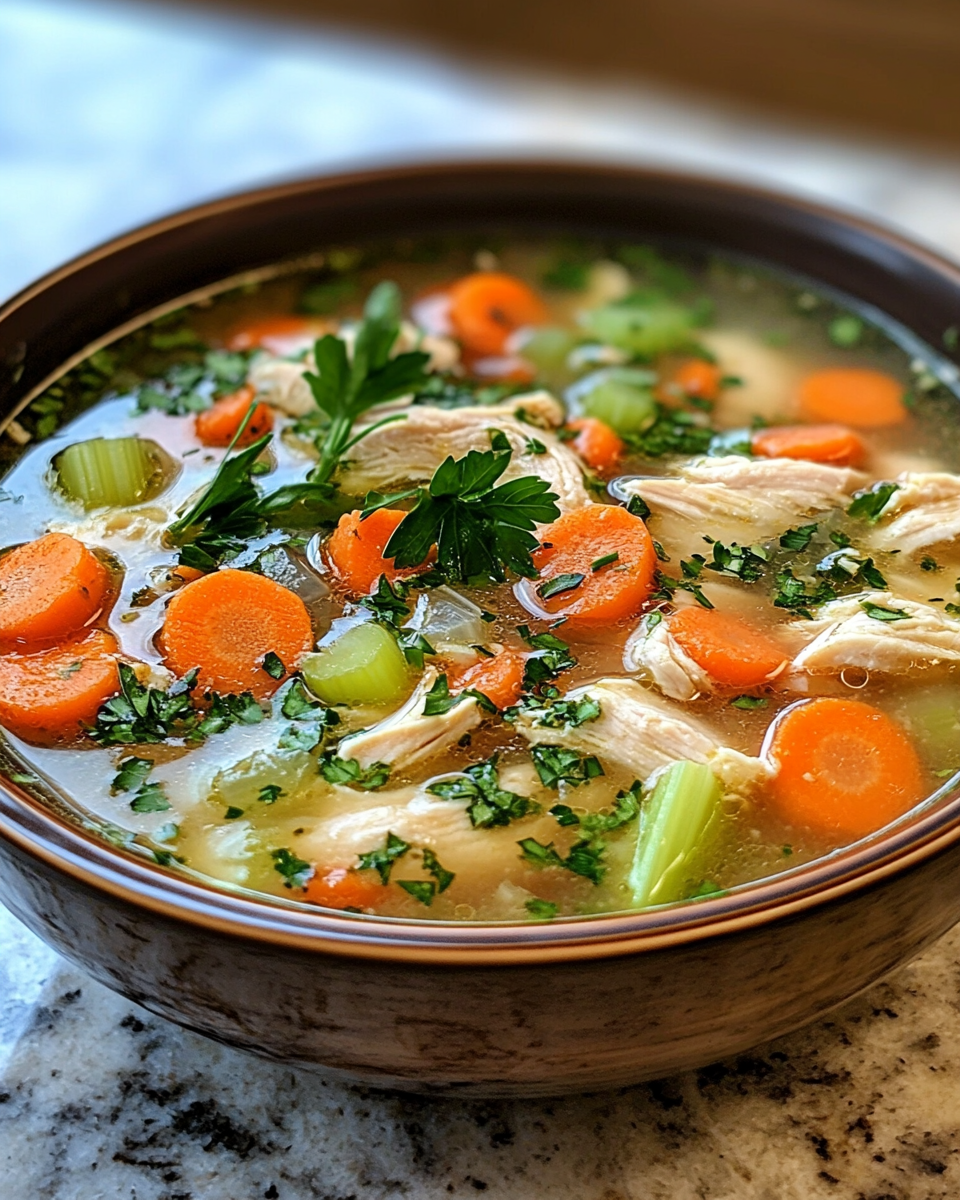
Easy Chicken Breast Soup Recipe 7 Simple Cozy Comforting Bowls

Easy Chicken Breast Soup Recipe 7 Simple Cozy Comforting Bowls

Tags:

You might also like these recipes

Leave a Comment