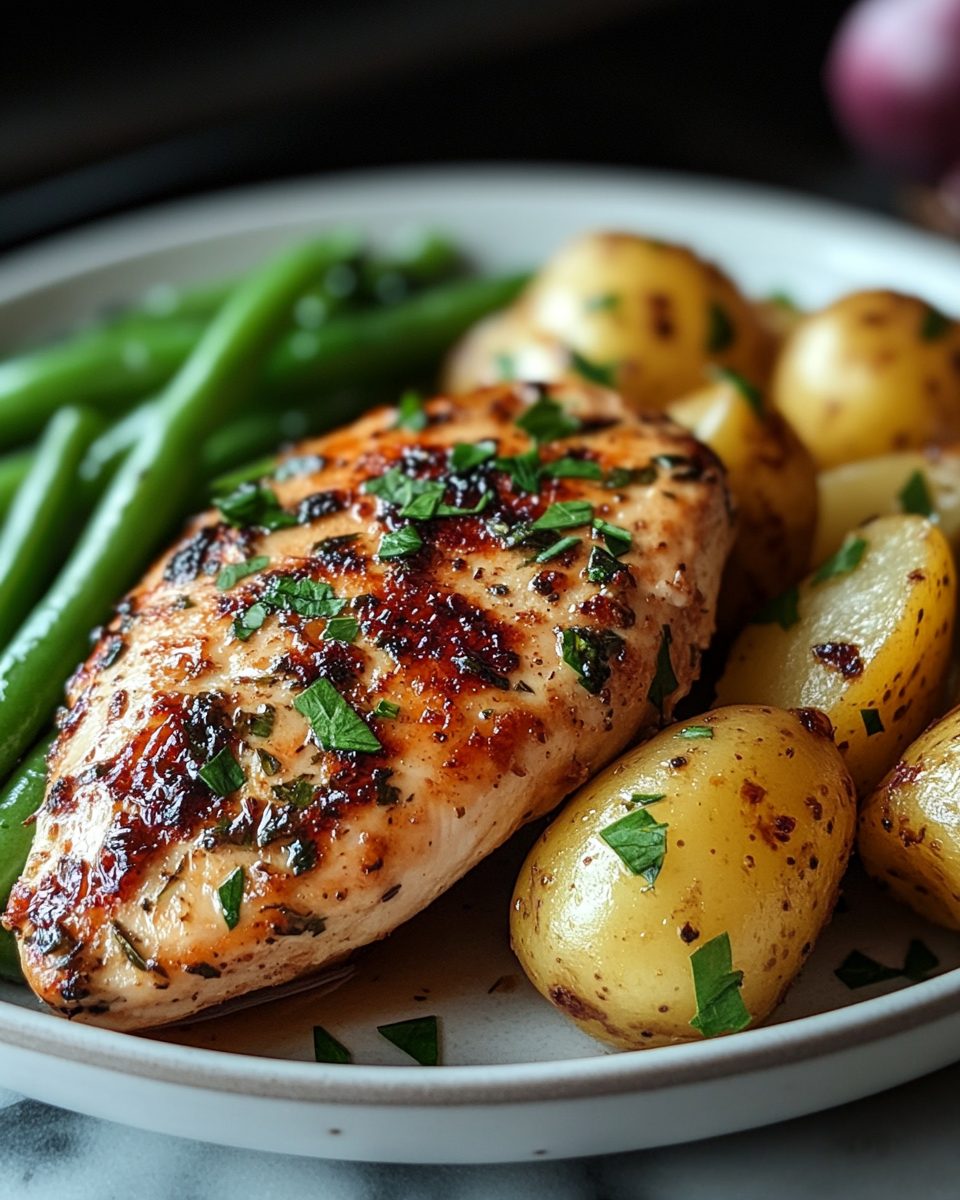
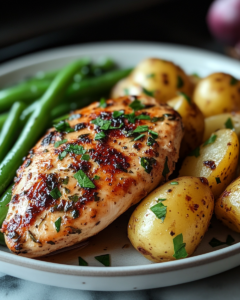
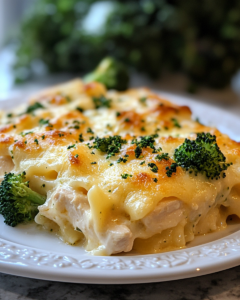
Oven baked chicken coated with garlic and herbs creates a tender center and lightly crisp surface that fits well with many meal styles. Garlic Herb Baked Chicken is prepared using a balanced mix of dried herbs, olive oil, and fresh garlic that infuses deep aroma during baking. The heat of the oven slowly cooks the chicken, allowing seasoning to settle into each layer while keeping texture moist.
This Garlic Herb Baked Chicken recipe fits both casual meals and structured dinner plans. The process relies on steady oven heat and even coating of seasoning for consistent results. Each portion carries a savory profile built from basic pantry components that blend during roasting.
Ingredients Overview

Garlic Herb Baked Chicken relies on a combination of simple pantry staples and fresh elements that create depth without complexity. Chicken pieces form the base, offering a neutral canvas that absorbs garlic and herb seasoning during baking. Olive oil supports moisture retention while helping seasoning adhere evenly across surfaces.
Garlic contributes strong aromatic character, infusing the meat as heat releases its natural oils. A mix of dried herbs such as thyme, rosemary, and parsley builds layered flavor without requiring fresh herb preparation. Salt and black pepper round out seasoning, bringing balance to the savory profile.
Paprika adds subtle color and mild warmth, enhancing visual appeal and taste structure. Lemon juice can be added for mild acidity, supporting balance against richer notes from oil and chicken fat. Butter may replace part of the oil for a richer finish, while skin-on or skinless cuts adjust texture preference.
Chicken thighs provide higher juiciness, while chicken breasts offer a leaner bite. Each variation interacts differently with seasoning, but both respond well to slow oven roasting. Ingredient harmony depends on even coating and steady heat exposure during baking.
Ingredients
2 pounds chicken thighs or chicken breasts
3 tablespoons olive oil
4 cloves garlic, minced
1 teaspoon dried thyme
1 teaspoon dried rosemary
1 teaspoon dried parsley
1 teaspoon paprika
1 teaspoon salt
1/2 teaspoon black pepper
1 tablespoon lemon juice
1 tablespoon unsalted butter, melted
Step-by-Step Instructions

Oven is set to 400 degrees Fahrenheit and allowed to reach full heat before preparation begins. Chicken pieces are placed in a large bowl, creating space for even coating. Olive oil is poured over the surface, followed by minced garlic and lemon juice. Each piece is coated thoroughly until seasoning spreads across all sides.
A mixture of thyme, rosemary, parsley, paprika, salt, and black pepper is sprinkled evenly over chicken. Gentle mixing or rubbing motion distributes herbs across surface areas. Chicken is arranged in a baking dish with space between pieces to support even heat circulation.
Melted butter is drizzled lightly across the top for added richness during roasting. Baking dish is placed in oven center rack. Cooking duration ranges between 35 and 45 minutes depending on thickness of chicken cuts.
Internal temperature is checked using a thermometer, aiming for 165 degrees Fahrenheit at thickest section. Surface should show light browning with slightly crisp edges while interior remains tender and moist. Excess crowding in baking dish can lead to uneven cooking, so spacing remains important.
After removal from oven, chicken rests for several minutes. Resting allows juices to redistribute within meat, preventing dryness during slicing. Herb coating settles during this stage, intensifying aroma and overall taste structure.
Tips, Variations & Substitutions
Chicken cuts with skin retain more moisture and create a richer texture after baking. Skinless versions produce a lighter profile and absorb seasoning more directly. Adjusting herb ratios allows different aromatic directions, such as increasing rosemary for stronger earthy tones or increasing parsley for a milder herbal finish.
Smoked paprika can replace standard paprika for deeper color and subtle smokiness. Fresh garlic may be substituted with garlic powder in situations where smoother texture is preferred, though intensity will shift slightly. Lemon zest can be added for sharper citrus aroma without increasing liquid content.
For lower fat preparation, butter can be omitted and replaced with additional olive oil. For richer coating, a small amount of grated parmesan can be added during final baking minutes. Baking dish material also influences outcome, with glass dishes retaining heat longer than metal pans.
Serving Ideas & Occasions
Garlic Herb Baked Chicken pairs well with roasted vegetables such as carrots, potatoes, or green beans. Rice or quinoa provides a neutral base that absorbs pan juices. Light salads with vinaigrette complement the savory profile without overpowering seasoning.
This dish fits weeknight dinner routines, meal preparation schedules, and shared family meals. It also works well for plated service during gatherings where simple oven dishes are preferred. Warm bread on the side helps capture remaining garlic herb juices from the baking dish.
Beverage pairing may include sparkling water with citrus, light herbal teas, or simple fruit-based drinks. Serving temperature is typically warm shortly after resting phase for best texture and aroma retention.
Nutritional & Health Notes
Garlic Herb Baked Chicken provides a balance of protein and moderate fat depending on cut selection. Chicken breast contains lower fat content, while thighs offer richer texture and slightly higher calorie density. Olive oil contributes unsaturated fats that support balanced dietary intake.
Garlic and herbs add flavor without significant calorie increase, allowing seasoning flexibility without heavy sauces. Sodium levels can be adjusted by reducing salt quantity during preparation. Lemon juice supports brightness without added sugars or fats.
Portion size influences overall nutritional intake, making this dish adaptable for different dietary structures. Pairing with vegetables increases fiber content and overall meal balance. Baking method reduces need for frying oils, supporting a lighter cooking approach compared to pan-fried alternatives.
FAQs
What type of chicken works for this recipe?
Both chicken thighs and chicken breasts work well for Garlic Herb Baked Chicken. Thighs provide a juicier texture due to higher fat content, while breasts offer a leaner bite with firmer structure. Choice depends on preferred texture and dietary goals. Even cooking is supported when pieces are similar in size, allowing uniform heat distribution in the oven.
Can fresh herbs replace dried herbs?
Fresh herbs can replace dried versions in Garlic Herb Baked Chicken. Fresh thyme, rosemary, and parsley bring a lighter aroma and slightly softer taste profile. Quantity typically increases when using fresh herbs since dried herbs carry stronger concentration. Even distribution across chicken surface helps maintain balanced flavor during baking.
How can dryness be prevented during baking?
Dryness is reduced by coating chicken thoroughly with olive oil or butter before baking. Proper oven temperature control also plays a major role, as excessive heat can remove moisture too quickly. Resting chicken after baking allows internal juices to settle back into fibers, improving tenderness during serving.
Is marinating required for this dish?
Marinating is not required for Garlic Herb Baked Chicken, though a short resting period with seasoning can improve flavor depth. Even a brief coating period before baking allows garlic and herbs to begin infusing surface layers. Longer resting in refrigeration can intensify seasoning absorption without altering cooking method.
Can this dish be prepared ahead of cooking?
Preparation can be completed ahead of baking by coating chicken and storing it covered in refrigeration. This allows seasoning to settle into meat before heat exposure. Baking should still occur within a safe refrigeration window to maintain ingredient quality. Bringing chicken closer to room temperature before baking supports even cooking.
What side dishes match this chicken?
Roasted vegetables, mashed potatoes, rice, or quinoa pair well with Garlic Herb Baked Chicken. These sides absorb pan juices and complement herb seasoning. Light salads with simple dressing add contrast to savory notes. Bread also works well for collecting garlic infused drippings from the baking dish.
How can flavor be adjusted without changing ingredients?
Flavor intensity can be adjusted by modifying herb ratios, garlic amount, or lemon juice level. Increased garlic results in stronger aroma, while additional rosemary brings deeper herbal tone. Reduced salt creates a lighter profile. Small adjustments allow control over final taste without altering core structure of the recipe.