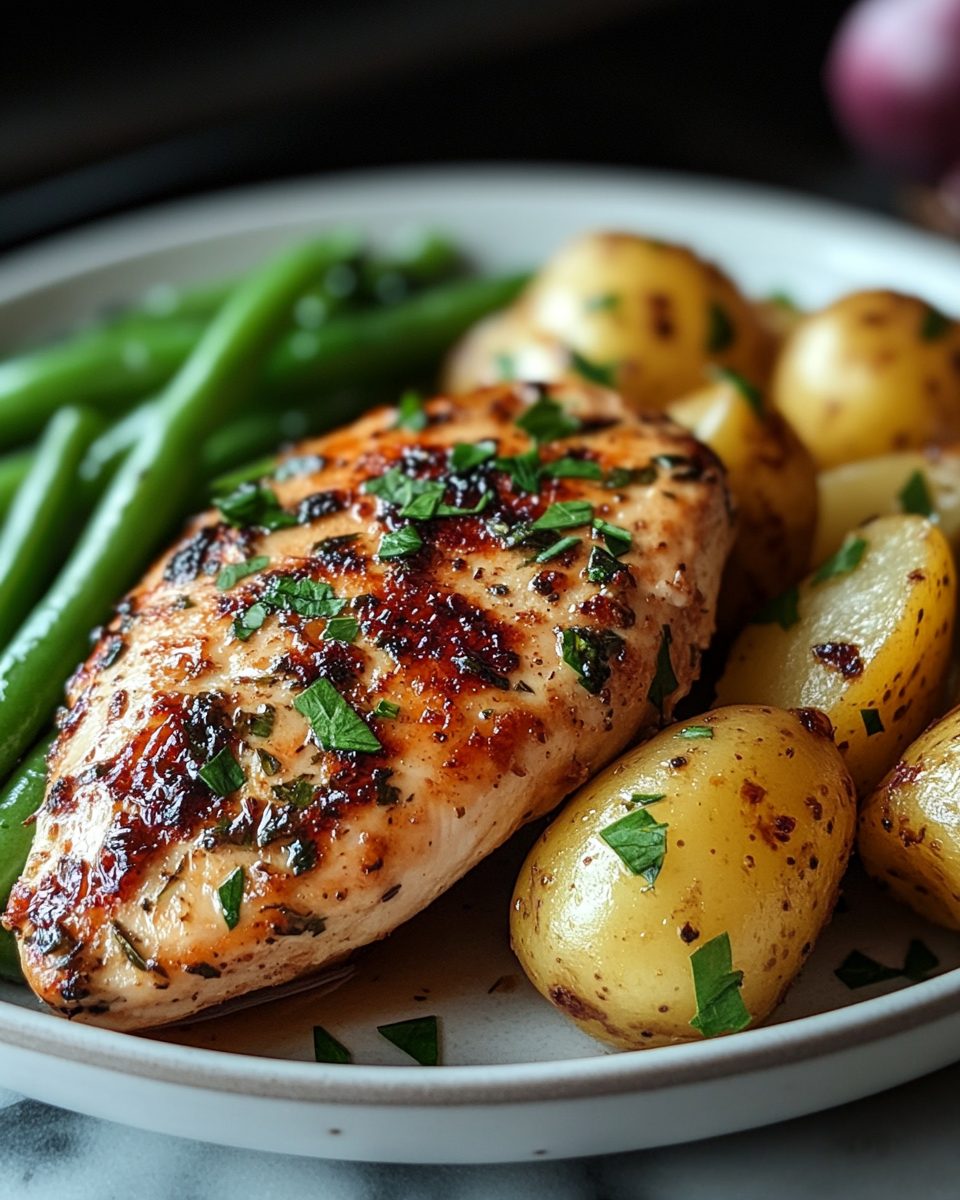
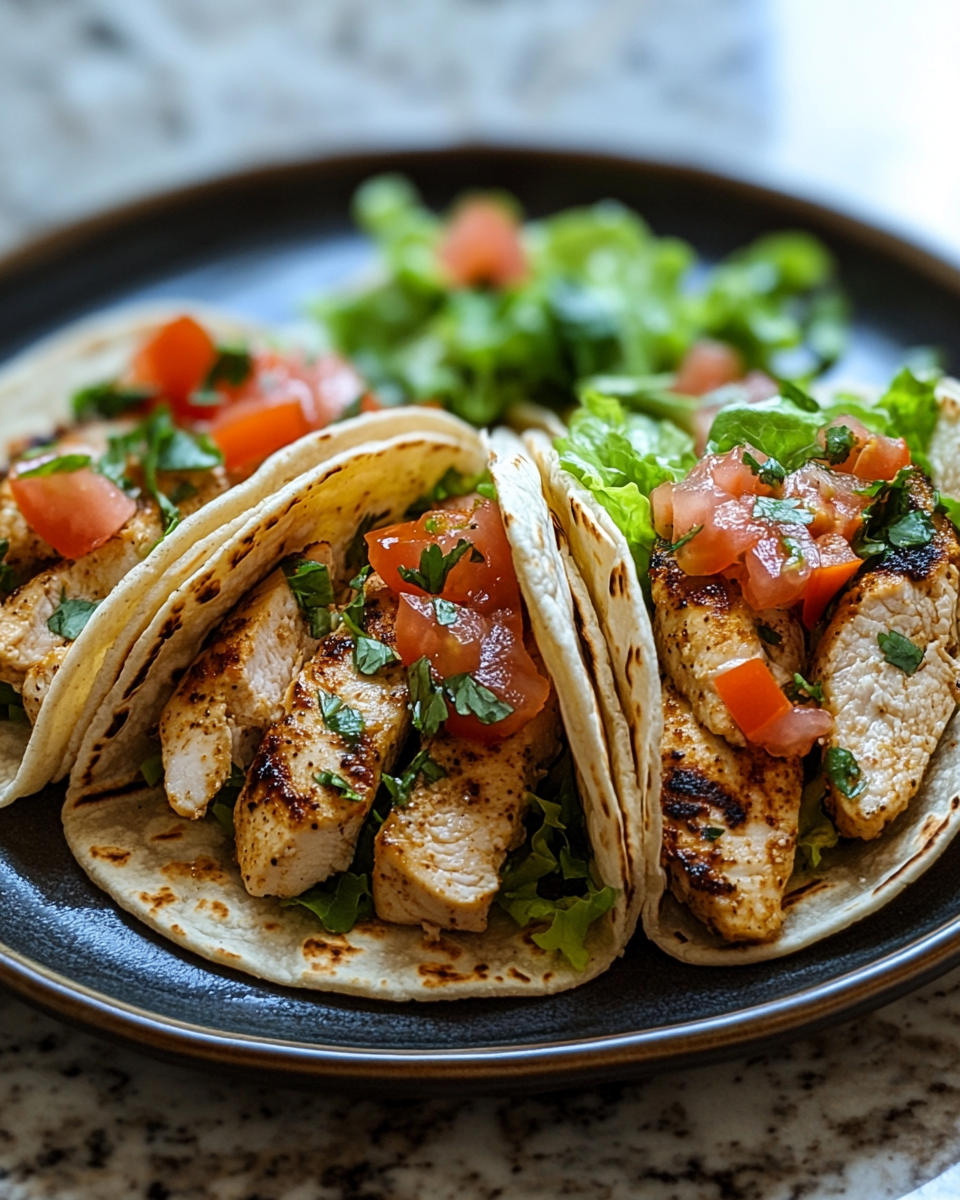
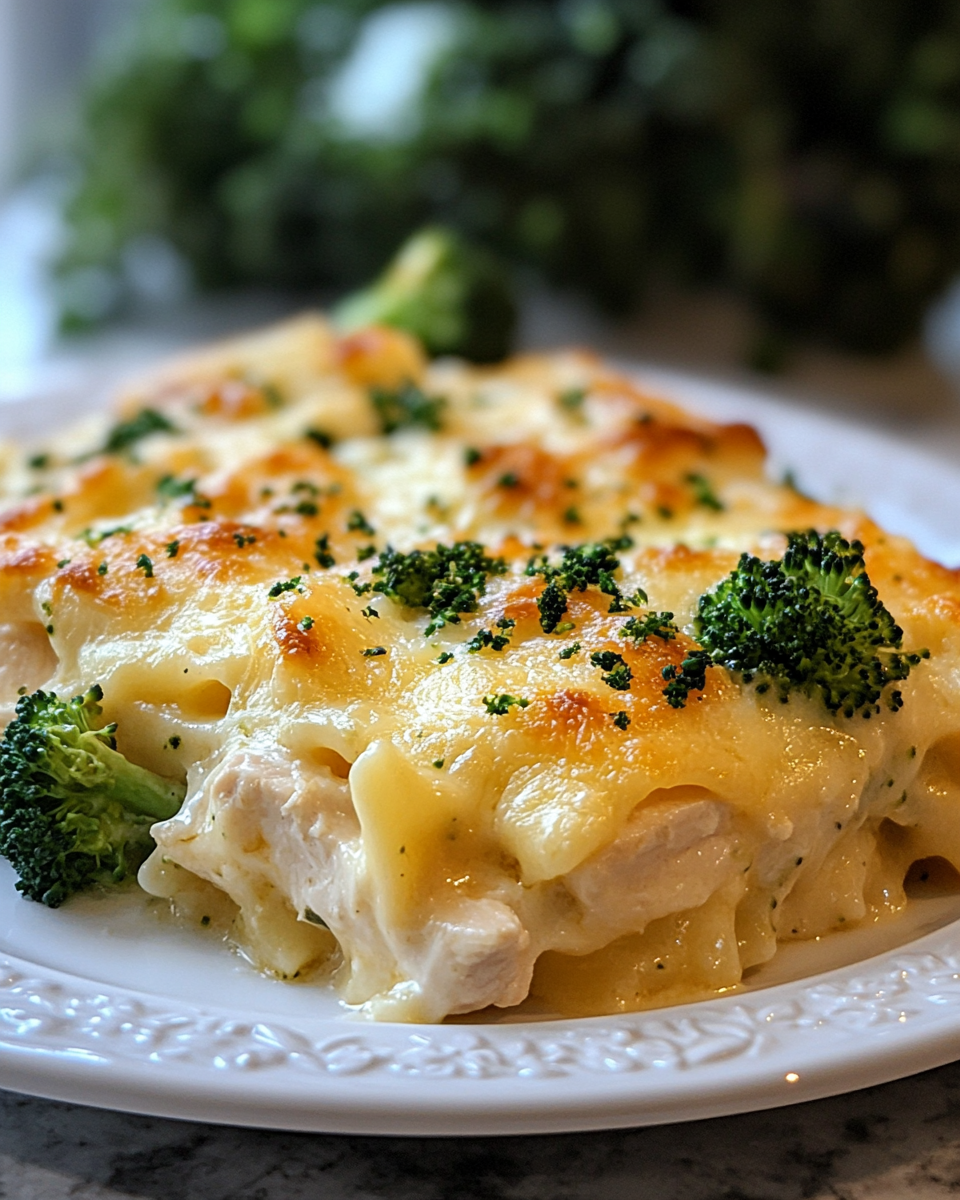
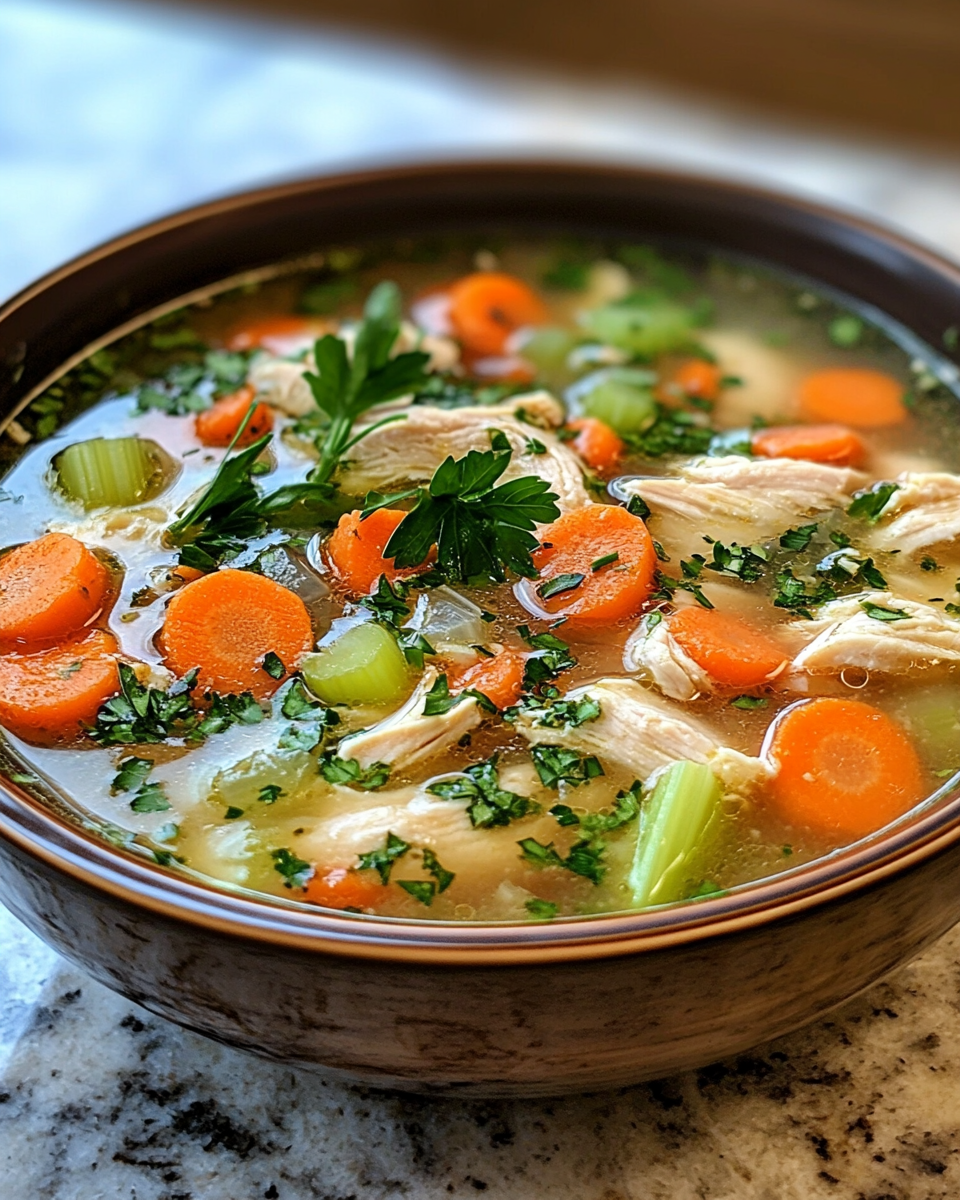
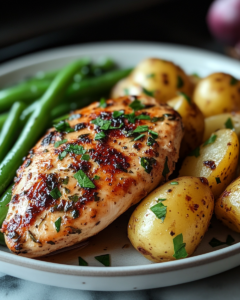
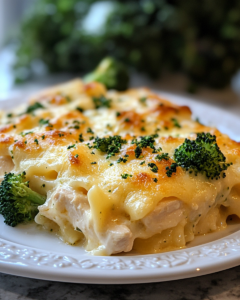
Low-carb chicken skillet is a satisfying one-pan meal that brings together tender chicken, fresh vegetables, and rich seasonings in a way that feels hearty without relying on heavy carbohydrates. It’s a practical choice for weeknight dinners, offering bold flavor while keeping the ingredient list simple and balanced.
This dish is all about contrast and texture. Juicy chicken pieces develop a golden crust in the skillet, while vegetables soften just enough to release their natural sweetness. A light sauce ties everything together, coating each bite without overpowering the ingredients. The result is a comforting, well-rounded meal that fits easily into a low-carb lifestyle.
Cooking everything in one pan also means fewer dishes and a streamlined process. From stovetop to table, this low-carb chicken skillet delivers a warm, home-cooked feel that works for both casual dinners and meal prep.
Ingredients Overview
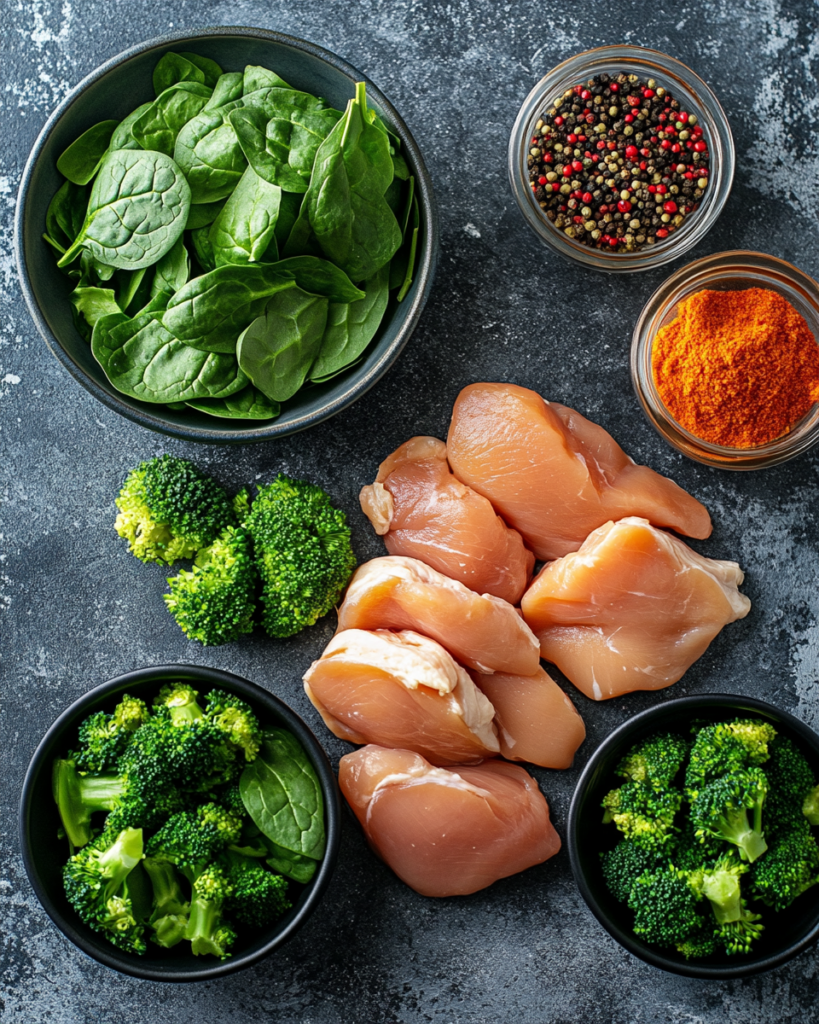
The foundation of a low-carb chicken skillet begins with boneless, skinless chicken breasts or thighs. Chicken breasts are leaner and cook quickly, while thighs offer a richer flavor and remain tender even if slightly overcooked. Both options work well, depending on your preference.
Fresh vegetables play a key role in both texture and flavor. Bell peppers add a mild sweetness and vibrant color, while zucchini provides a soft, slightly creamy bite once cooked. Mushrooms bring an earthy depth, absorbing the juices from the chicken and seasonings. Spinach or kale can be added toward the end for a boost of greens without adding bulk.
Garlic and onion create a strong flavor base. As they cook, they release aromatic notes that carry throughout the dish. Olive oil or butter is used to cook everything evenly while adding richness.
For seasoning, a blend of paprika, Italian herbs, salt, and black pepper gives the skillet a warm, savory profile. A splash of chicken broth or cream can be added to create a light sauce, depending on how rich you want the final dish.
Substitutions are flexible. Broccoli or green beans can replace zucchini, and turkey can stand in for chicken. For a dairy-free version, skip the cream and rely on broth and a squeeze of lemon for brightness.
Ingredients
1 pound boneless skinless chicken breast, cut into bite-sized pieces
1 tablespoon olive oil
2 tablespoons butter
1 small onion, diced
3 cloves garlic, minced
1 red bell pepper, sliced
1 zucchini, sliced into half moons
1 cup mushrooms, sliced
2 cups fresh spinach
1/2 cup chicken broth
1/4 cup heavy cream
1 teaspoon paprika
1 teaspoon Italian seasoning
1/2 teaspoon salt
1/4 teaspoon black pepper
1/4 teaspoon crushed red pepper flakes (optional)
1/4 cup grated Parmesan cheese
1 tablespoon chopped fresh parsley
Step-by-Step Instructions
Begin by preparing all ingredients before heating the skillet. Cut the chicken into even pieces so they cook at the same rate. Slice vegetables uniformly to prevent uneven textures in the final dish.
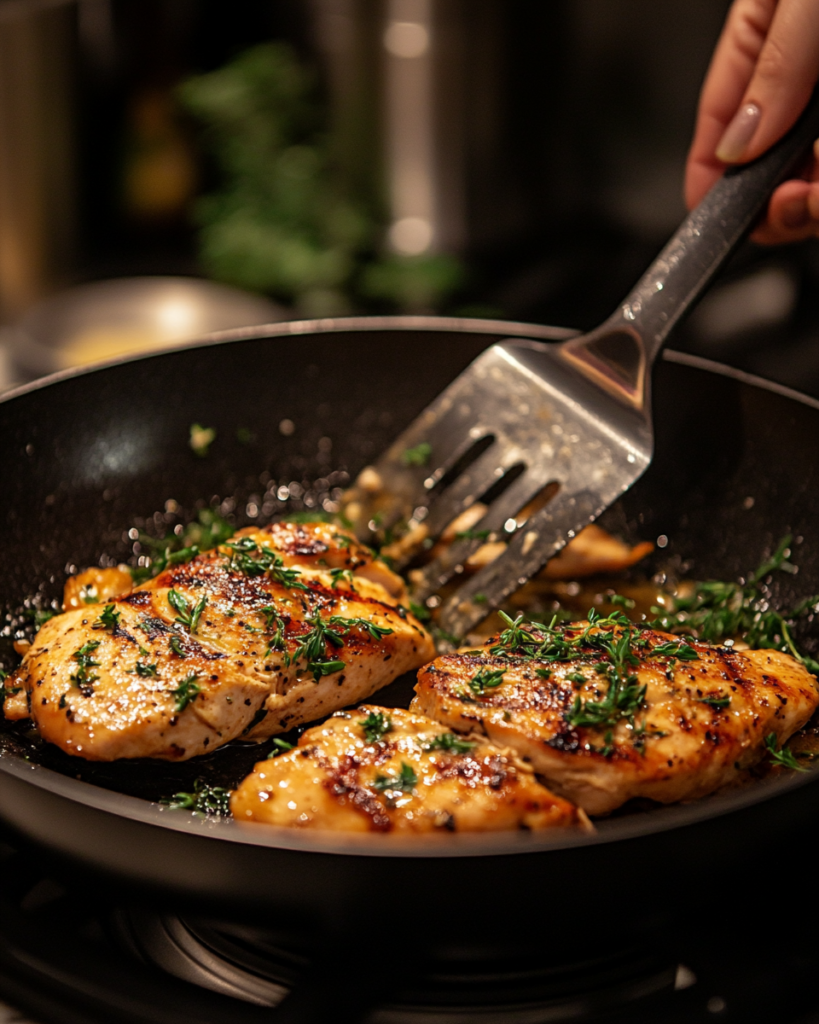
Heat a large skillet over medium-high heat and add the olive oil. Once the oil is hot but not smoking, add the chicken pieces in a single layer. Avoid overcrowding the pan, as this can cause the chicken to steam rather than brown. Let the chicken cook undisturbed for 3–4 minutes to develop a golden crust, then stir and continue cooking until fully done. Remove the chicken from the skillet and set it aside.
Reduce the heat to medium and add butter to the same skillet. Once melted, stir in the diced onion and cook for about 3 minutes until softened. Add the garlic and cook for another 30 seconds, stirring constantly to prevent burning.
Add the bell pepper, zucchini, and mushrooms. Cook for 5–7 minutes, stirring occasionally, until the vegetables are tender but still slightly firm. This balance keeps the dish from becoming overly soft.
Pour in the chicken broth and scrape the bottom of the skillet to release any browned bits. These add depth to the sauce. Stir in the heavy cream, paprika, Italian seasoning, salt, black pepper, and red pepper flakes if using.
Return the cooked chicken to the skillet and stir well to coat everything evenly. Let the mixture simmer for 3–5 minutes until the sauce thickens slightly.
Add the spinach and cook just until wilted, about 1–2 minutes. Sprinkle Parmesan cheese over the top and stir gently until melted into the sauce.
Taste and adjust seasoning if needed. Garnish with fresh parsley before serving.
Avoid overcooking the chicken, as it can become dry. Keep an eye on the sauce as well; it should be lightly creamy, not overly thick or watery.
Tips, Variations & Substitutions
For the best texture, allow the chicken to sear properly before stirring. This step builds flavor and prevents the meat from sticking to the pan. Using a heavy skillet helps maintain even heat throughout the cooking process.
If you prefer a lighter version, replace the heavy cream with additional chicken broth or a splash of unsweetened almond milk. The dish will still have a cohesive sauce without the extra richness.
To add variety, try different seasoning blends. A touch of smoked paprika can introduce a deeper flavor, while a squeeze of lemon juice at the end brightens the entire dish. Fresh herbs like basil or thyme can also shift the flavor profile in subtle ways.
For a dairy-free option, skip the Parmesan and butter, and cook entirely with olive oil. Nutritional yeast can be added for a mild cheesy flavor without dairy.
This recipe also adapts well to meal prep. Store portions in airtight containers and reheat gently to maintain the texture of the chicken and vegetables.
Serving Ideas & Occasions
Low-carb chicken skillet works well as a complete meal on its own, but it can also be paired with simple sides. Cauliflower rice is a popular option, soaking up the sauce without adding many carbohydrates. A crisp green salad with a light vinaigrette provides a refreshing contrast to the warm skillet.
For a more filling plate, consider serving it alongside roasted vegetables such as asparagus or Brussels sprouts. These add extra texture and complement the savory flavors of the dish.
This meal fits easily into weeknight dinners when time is limited. It’s also a reliable choice for casual gatherings, as it can be made in a large batch and served directly from the skillet. Its balanced nature makes it suitable for those following low-carb or keto-inspired eating patterns.
Nutritional & Health Notes
This low-carb chicken skillet focuses on protein and vegetables, making it a balanced option for those reducing carbohydrate intake. Chicken provides a strong source of protein, which helps support muscle maintenance and keeps meals satisfying.
The vegetables contribute fiber, vitamins, and minerals without significantly increasing the carbohydrate count. Ingredients like spinach and bell peppers bring natural nutrients that round out the dish.
Using olive oil and moderate amounts of butter adds fat, which helps with satiety and flavor. The inclusion of cream and cheese increases richness, but these can be adjusted based on dietary needs.
Portion control remains important, especially when adding richer ingredients. Adjusting the ratio of vegetables to chicken can shift the nutritional balance depending on your goals.
FAQs
Can I use chicken thighs instead of chicken breasts?
Yes, chicken thighs work very well in this recipe. They tend to stay juicier during cooking and bring a slightly richer flavor compared to chicken breasts. When using thighs, trim excess fat and cut them into similar-sized pieces for even cooking. You may need to cook them a bit longer to reach full doneness. The internal temperature should reach 165°F. Thighs also release more natural juices, which can deepen the flavor of the sauce without needing extra ingredients.
How do I keep the chicken from drying out?
The key is to avoid overcooking and to use proper heat. Start with medium-high heat to sear the chicken quickly, then remove it from the skillet once it is just cooked through. It will finish cooking slightly when returned to the sauce. Cutting the chicken into even pieces also helps prevent some parts from drying out while others are still cooking. Adding it back at the end ensures it stays tender and coated in the sauce.
Can I make this dish dairy-free?
Yes, this recipe can easily be made dairy-free. Replace butter with olive oil and skip the Parmesan cheese. Instead of heavy cream, use more chicken broth or a dairy-free alternative like unsweetened almond milk. The result will be lighter but still flavorful. Adding a squeeze of lemon juice at the end can help bring brightness and balance without relying on dairy-based richness.
What vegetables work best in this skillet?
This dish is flexible and works with many low-carb vegetables. Zucchini, mushrooms, and bell peppers are popular because they cook quickly and absorb flavor well. Broccoli, green beans, or asparagus can also be used, though they may require slightly longer cooking times. It’s best to avoid vegetables with high water content that can make the dish watery, such as cucumbers. Mixing a few different vegetables creates a more interesting texture.
Can I prepare this in advance?
Yes, low-carb chicken skillet is well-suited for meal prep. Cook the dish as directed, allow it to cool, and store it in airtight containers in the refrigerator for up to four days. When reheating, use a skillet over medium heat or a microwave, adding a small splash of broth if needed to loosen the sauce. This helps maintain the texture and prevents the chicken from becoming dry.
Is this recipe suitable for keto diets?
This recipe fits well within many keto guidelines, especially when using full-fat ingredients like heavy cream and cheese. The carbohydrate content mainly comes from the vegetables, which are relatively low in carbs. To keep it strictly keto, choose vegetables like zucchini, spinach, and mushrooms, and avoid higher-carb additions. Adjusting the fat content can also help align the dish with specific dietary targets.
How can I make the dish more flavorful?
Building layers of flavor is important. Start by properly browning the chicken, then cook the aromatics until fragrant. Deglazing the pan with broth captures the browned bits that add depth. Season gradually and taste as you go. Adding fresh herbs or a small amount of acid, like lemon juice, at the end can lift the overall flavor. Even a pinch of red pepper flakes can bring subtle heat that balances the richness.