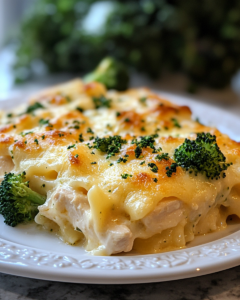
Chicken stir fry noodles 7 Quick Surprising Delight

Posted on

Chicken

Difficulty

Prep time

Cooking time

Total time

Servings

A comforting plate of Chicken stir fry noodles brings together tender chicken, chewy noodles, and crisp vegetables coated in a savory sauce that clings to every bite. It is the kind of dish that feels both familiar and satisfying, yet flexible enough to adapt to what is in your kitchen. The balance of texture and flavor is what keeps it so appealing, from the slight char on the chicken to the silky coating on the noodles.

This dish is often chosen for busy evenings because it comes together quickly while still feeling complete as a full meal. The aroma of garlic, soy, and sesame fills the kitchen as everything cooks in one pan, creating layers of flavor without complicated steps. Each element plays a role, and when combined, the result is a warm, savory noodle bowl that works for lunch or dinner any day of the week.

Ingredients Overview
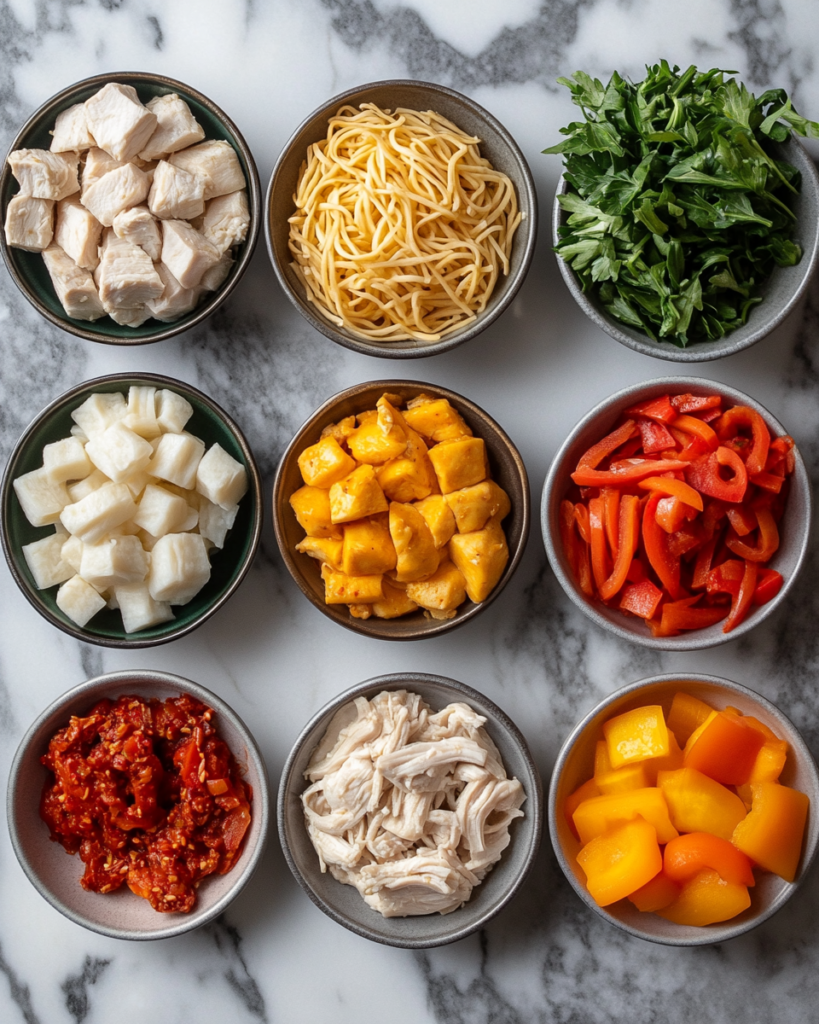
Chicken stir fry noodles rely on a handful of everyday ingredients that work together to create depth and balance. The chicken is the main protein, typically boneless and skinless thighs or breast. Thighs tend to stay juicier during high-heat cooking, while breast offers a leaner option. Both absorb marinade well, which helps build flavor from the inside out.

The noodles are just as important. Egg noodles, ramen noodles, or wheat stir fry noodles all work depending on preference. They provide a soft yet slightly chewy base that holds the sauce without becoming soggy. Cooking them just until tender is key, as they will finish cooking in the pan with the sauce.

Vegetables bring color, crunch, and freshness. Common choices include bell peppers, carrots, cabbage, and green onions. These vegetables hold up well under heat and add natural sweetness and texture contrast. Garlic and ginger form the aromatic base, infusing the oil and setting the foundation for the entire dish.

The sauce is a simple blend of soy sauce, a touch of oyster sauce, and a hint of sesame oil. This combination creates a savory, slightly rich coating that ties everything together. A small amount of sugar can balance the saltiness, while cornstarch helps the sauce lightly thicken so it clings to the noodles.

Substitutions are easy. Shrimp, beef, or tofu can replace chicken. Rice noodles can stand in for egg noodles if desired. Vegetables can be adjusted based on availability, making this a flexible meal that adapts well to different tastes and ingredients on hand.

Ingredients

8 ounces egg noodles
1 pound boneless chicken thighs, sliced thin
2 tablespoons soy sauce
1 tablespoon oyster sauce
1 teaspoon sesame oil
2 cloves garlic, minced
1 teaspoon fresh ginger, grated
1 tablespoon cornstarch
2 tablespoons vegetable oil
1 cup sliced bell peppers
1 cup shredded carrots
1 cup sliced cabbage
3 green onions, chopped
1 teaspoon sugar
1/4 cup chicken broth
Salt to taste
Black pepper to taste

Step-by-Step Instructions

Begin by preparing the noodles according to package directions until just tender. Drain them and set aside. Rinsing lightly with cool water helps stop further cooking and prevents sticking while the other ingredients are prepared.

Place the sliced chicken in a bowl and coat it with soy sauce, cornstarch, and a pinch of black pepper. This light coating helps the chicken develop a soft crust when cooked and keeps it juicy inside. Let it rest briefly while preparing the vegetables and sauce mixture.

Heat a large pan or wok over medium-high heat and add vegetable oil. Once the oil is hot, add the chicken in a single layer. Cook until the pieces turn golden on the outside and are fully cooked through. Stir occasionally to avoid burning, then transfer the chicken to a plate.

In the same pan, add a small amount of oil if needed, then cook the garlic and ginger. Stir them quickly so they release aroma without burning. Add the bell peppers, carrots, and cabbage next. Cook until they begin to soften but still retain a slight crunch, which keeps the dish textured and fresh.

Return the cooked chicken to the pan along with the noodles. Pour in oyster sauce, sesame oil, sugar, and chicken broth. Toss everything together so the noodles absorb the sauce evenly. The heat helps the flavors blend while the sauce lightly coats each strand.

Continue tossing until everything is heated through and the sauce slightly thickens. Add green onions near the end so they stay fresh and slightly crisp. Taste and adjust salt or pepper as needed. The final dish should be glossy, savory, and well balanced with soft noodles, tender chicken, and crisp vegetables in every bite.

Tips, Variations & Substitutions

For deeper flavor, marinate the chicken longer, even up to a few hours. This allows the soy sauce and seasoning to soak into the meat more fully. Using a very hot pan is important, as it helps create light browning without overcooking the chicken.

Vegetable choices can be adjusted based on preference or what is available. Snap peas, broccoli, or mushrooms work well and add different textures. If a slightly spicier version is desired, chili flakes or a small amount of chili paste can be added to the sauce mixture.

Different noodles can change the overall feel of the dish. Thin rice noodles create a lighter version, while thicker udon noodles make it more substantial. For a lower-carb option, zucchini noodles can be used, though they should be added at the very end to avoid excess moisture.

Serving Ideas & Occasions

Chicken stir fry noodles can be served on its own as a complete meal since it contains protein, vegetables, and starch in one bowl. It also pairs well with light sides such as cucumber salad or steamed dumplings for a more filling spread.

This dish is commonly served for quick weeknight dinners, meal prep lunches, or casual gatherings. It reheats well in a pan, making it practical for preparing ahead of time. A squeeze of fresh lime or a sprinkle of sesame seeds before serving adds a final layer of freshness.

Nutritional & Health Notes

This dish provides a balanced combination of protein, carbohydrates, and vegetables. Chicken contributes lean protein, supporting muscle maintenance and satiety. The vegetables add fiber, vitamins, and natural color, making the meal more nutrient-rich.

The sauce ingredients add flavor without requiring heavy fats, though sodium content can vary depending on soy sauce and oyster sauce amounts. Using low-sodium soy sauce can help reduce overall salt levels while maintaining taste.

Portion size can be adjusted depending on dietary needs. Increasing vegetable content or reducing noodles slightly can shift the balance toward a lighter meal while still keeping the core flavors intact.

FAQs

What type of noodles work best for this dish?

Egg noodles are commonly used because of their soft texture and ability to absorb sauce. However, wheat noodles, ramen noodles, or even udon can work well. The key is to cook them until just tender so they do not become too soft when mixed with the sauce. Each noodle type changes the texture slightly, but all can deliver a satisfying result when handled properly.

Can chicken breast be used instead of thighs?

Chicken breast works well as a leaner alternative. It cooks quickly, so it should be watched closely to avoid drying out. Slicing it thin helps maintain tenderness. Chicken thighs remain juicier due to their higher fat content, but both options absorb marinade and develop good flavor during cooking.

How can I prevent noodles from sticking together?

Rinsing cooked noodles briefly under cool water helps remove excess starch that causes sticking. Tossing them lightly with a small amount of oil can also help. Adding them to the pan while still slightly warm allows them to mix more evenly with the sauce without clumping.

Can this dish be made ahead of time?

Yes, it stores well in the refrigerator for a couple of days. Reheating in a pan with a splash of water or broth helps loosen the sauce and restore texture. It is best enjoyed within a short time frame to maintain the freshness of the vegetables.

What vegetables can replace bell peppers and cabbage?

Broccoli, snap peas, bok choy, or zucchini are all good alternatives. These vegetables hold up well during stir frying and add different textures and flavors. Using a mix of vegetables also adds color variety and keeps the dish interesting.

Is it possible to make this dish gluten-free?

Yes, by using gluten-free noodles such as rice noodles and replacing soy sauce with a gluten-free version. Oyster sauce alternatives labeled gluten-free can also be used. Checking ingredient labels helps maintain a fully gluten-free version.

How can the flavor be made richer?

A small amount of additional sesame oil or oyster sauce can deepen the savory notes. Cooking the chicken until lightly browned before removing it from the pan also adds extra flavor to the overall dish. A splash of broth helps blend everything into a cohesive sauce.

[rank_math_breadcrumb]

Chicken stir fry noodles 7 Quick Surprising Delight

Photo of author
Author: Sophia
Published:

A comforting plate of Chicken stir fry noodles brings together tender chicken, chewy noodles, and crisp vegetables coated in a savory sauce that clings to every bite. It is the kind of dish that feels both familiar and satisfying, yet flexible enough to adapt to what is in your kitchen. The balance of texture and flavor is what keeps it so appealing, from the slight char on the chicken to the silky coating on the noodles.

This dish is often chosen for busy evenings because it comes together quickly while still feeling complete as a full meal. The aroma of garlic, soy, and sesame fills the kitchen as everything cooks in one pan, creating layers of flavor without complicated steps. Each element plays a role, and when combined, the result is a warm, savory noodle bowl that works for lunch or dinner any day of the week.

Ingredients Overview

Chicken stir fry noodles rely on a handful of everyday ingredients that work together to create depth and balance. The chicken is the main protein, typically boneless and skinless thighs or breast. Thighs tend to stay juicier during high-heat cooking, while breast offers a leaner option. Both absorb marinade well, which helps build flavor from the inside out.

The noodles are just as important. Egg noodles, ramen noodles, or wheat stir fry noodles all work depending on preference. They provide a soft yet slightly chewy base that holds the sauce without becoming soggy. Cooking them just until tender is key, as they will finish cooking in the pan with the sauce.

Vegetables bring color, crunch, and freshness. Common choices include bell peppers, carrots, cabbage, and green onions. These vegetables hold up well under heat and add natural sweetness and texture contrast. Garlic and ginger form the aromatic base, infusing the oil and setting the foundation for the entire dish.

The sauce is a simple blend of soy sauce, a touch of oyster sauce, and a hint of sesame oil. This combination creates a savory, slightly rich coating that ties everything together. A small amount of sugar can balance the saltiness, while cornstarch helps the sauce lightly thicken so it clings to the noodles.

Substitutions are easy. Shrimp, beef, or tofu can replace chicken. Rice noodles can stand in for egg noodles if desired. Vegetables can be adjusted based on availability, making this a flexible meal that adapts well to different tastes and ingredients on hand.

Ingredients

8 ounces egg noodles
1 pound boneless chicken thighs, sliced thin
2 tablespoons soy sauce
1 tablespoon oyster sauce
1 teaspoon sesame oil
2 cloves garlic, minced
1 teaspoon fresh ginger, grated
1 tablespoon cornstarch
2 tablespoons vegetable oil
1 cup sliced bell peppers
1 cup shredded carrots
1 cup sliced cabbage
3 green onions, chopped
1 teaspoon sugar
1/4 cup chicken broth
Salt to taste
Black pepper to taste

Step-by-Step Instructions

Begin by preparing the noodles according to package directions until just tender. Drain them and set aside. Rinsing lightly with cool water helps stop further cooking and prevents sticking while the other ingredients are prepared.

Place the sliced chicken in a bowl and coat it with soy sauce, cornstarch, and a pinch of black pepper. This light coating helps the chicken develop a soft crust when cooked and keeps it juicy inside. Let it rest briefly while preparing the vegetables and sauce mixture.

Heat a large pan or wok over medium-high heat and add vegetable oil. Once the oil is hot, add the chicken in a single layer. Cook until the pieces turn golden on the outside and are fully cooked through. Stir occasionally to avoid burning, then transfer the chicken to a plate.

In the same pan, add a small amount of oil if needed, then cook the garlic and ginger. Stir them quickly so they release aroma without burning. Add the bell peppers, carrots, and cabbage next. Cook until they begin to soften but still retain a slight crunch, which keeps the dish textured and fresh.

Return the cooked chicken to the pan along with the noodles. Pour in oyster sauce, sesame oil, sugar, and chicken broth. Toss everything together so the noodles absorb the sauce evenly. The heat helps the flavors blend while the sauce lightly coats each strand.

Continue tossing until everything is heated through and the sauce slightly thickens. Add green onions near the end so they stay fresh and slightly crisp. Taste and adjust salt or pepper as needed. The final dish should be glossy, savory, and well balanced with soft noodles, tender chicken, and crisp vegetables in every bite.

Tips, Variations & Substitutions

For deeper flavor, marinate the chicken longer, even up to a few hours. This allows the soy sauce and seasoning to soak into the meat more fully. Using a very hot pan is important, as it helps create light browning without overcooking the chicken.

Vegetable choices can be adjusted based on preference or what is available. Snap peas, broccoli, or mushrooms work well and add different textures. If a slightly spicier version is desired, chili flakes or a small amount of chili paste can be added to the sauce mixture.

Different noodles can change the overall feel of the dish. Thin rice noodles create a lighter version, while thicker udon noodles make it more substantial. For a lower-carb option, zucchini noodles can be used, though they should be added at the very end to avoid excess moisture.

Serving Ideas & Occasions

Chicken stir fry noodles can be served on its own as a complete meal since it contains protein, vegetables, and starch in one bowl. It also pairs well with light sides such as cucumber salad or steamed dumplings for a more filling spread.

This dish is commonly served for quick weeknight dinners, meal prep lunches, or casual gatherings. It reheats well in a pan, making it practical for preparing ahead of time. A squeeze of fresh lime or a sprinkle of sesame seeds before serving adds a final layer of freshness.

Nutritional & Health Notes

This dish provides a balanced combination of protein, carbohydrates, and vegetables. Chicken contributes lean protein, supporting muscle maintenance and satiety. The vegetables add fiber, vitamins, and natural color, making the meal more nutrient-rich.

The sauce ingredients add flavor without requiring heavy fats, though sodium content can vary depending on soy sauce and oyster sauce amounts. Using low-sodium soy sauce can help reduce overall salt levels while maintaining taste.

Portion size can be adjusted depending on dietary needs. Increasing vegetable content or reducing noodles slightly can shift the balance toward a lighter meal while still keeping the core flavors intact.

FAQs

What type of noodles work best for this dish?

Egg noodles are commonly used because of their soft texture and ability to absorb sauce. However, wheat noodles, ramen noodles, or even udon can work well. The key is to cook them until just tender so they do not become too soft when mixed with the sauce. Each noodle type changes the texture slightly, but all can deliver a satisfying result when handled properly.

Can chicken breast be used instead of thighs?

Chicken breast works well as a leaner alternative. It cooks quickly, so it should be watched closely to avoid drying out. Slicing it thin helps maintain tenderness. Chicken thighs remain juicier due to their higher fat content, but both options absorb marinade and develop good flavor during cooking.

How can I prevent noodles from sticking together?

Rinsing cooked noodles briefly under cool water helps remove excess starch that causes sticking. Tossing them lightly with a small amount of oil can also help. Adding them to the pan while still slightly warm allows them to mix more evenly with the sauce without clumping.

Can this dish be made ahead of time?

Yes, it stores well in the refrigerator for a couple of days. Reheating in a pan with a splash of water or broth helps loosen the sauce and restore texture. It is best enjoyed within a short time frame to maintain the freshness of the vegetables.

What vegetables can replace bell peppers and cabbage?

Broccoli, snap peas, bok choy, or zucchini are all good alternatives. These vegetables hold up well during stir frying and add different textures and flavors. Using a mix of vegetables also adds color variety and keeps the dish interesting.

Is it possible to make this dish gluten-free?

Yes, by using gluten-free noodles such as rice noodles and replacing soy sauce with a gluten-free version. Oyster sauce alternatives labeled gluten-free can also be used. Checking ingredient labels helps maintain a fully gluten-free version.

How can the flavor be made richer?

A small amount of additional sesame oil or oyster sauce can deepen the savory notes. Cooking the chicken until lightly browned before removing it from the pan also adds extra flavor to the overall dish. A splash of broth helps blend everything into a cohesive sauce.
Name

Lorem ipsum dolor sit amet, consectetur adipiscing elit. Suspendisse varius enim in eros elementum tristique. Duis cursus, mi quis viverra ornare, eros dolor interdum nulla, ut commodo diam libero vitae erat.

You Might Also Like...

Simple Chicken Breast Dinner Recipes 5 Easy Delicious Meals

Simple Chicken Breast Dinner Recipes 5 Easy Delicious Meals

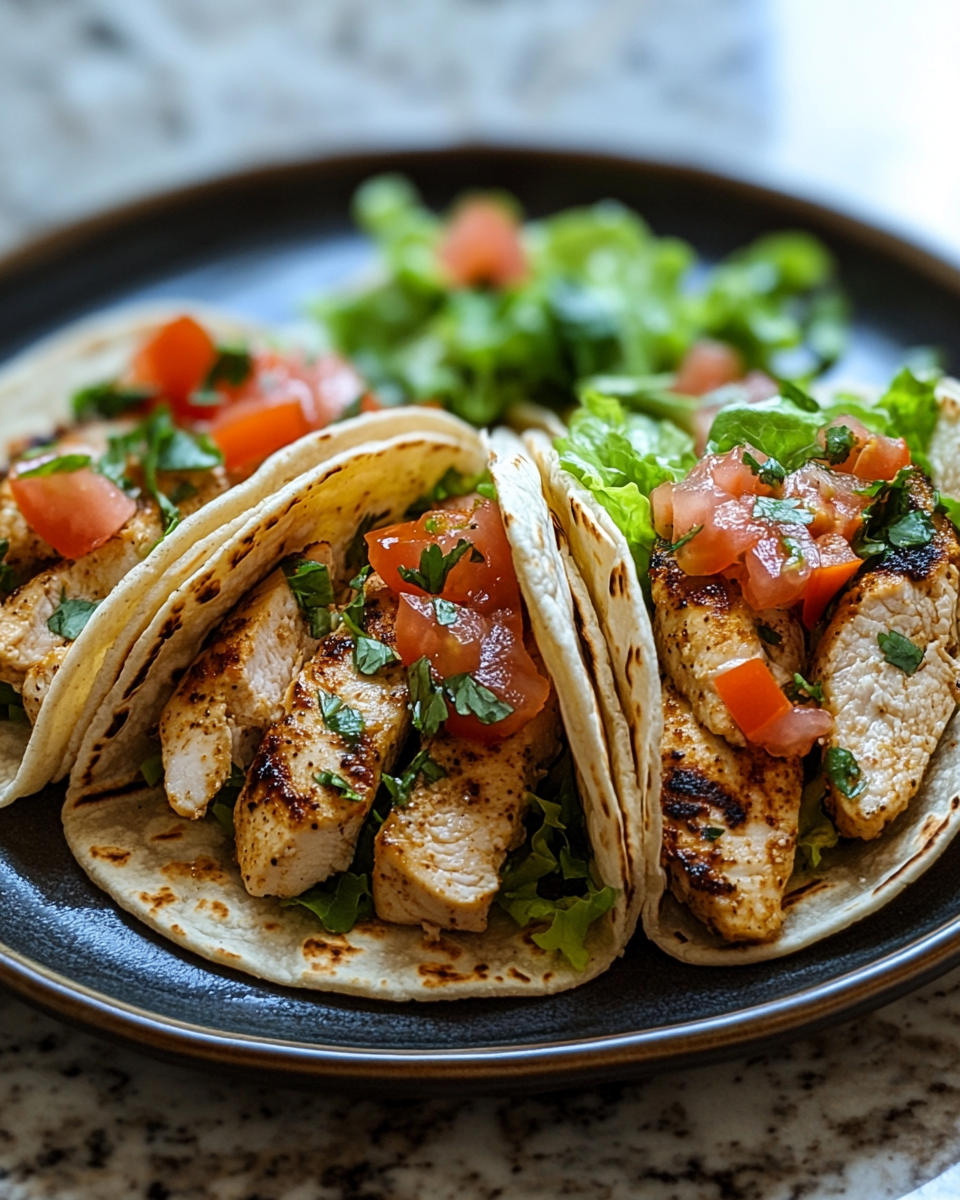
Healthy Chicken Breast Tacos Meal 7 Quick Fresh Delightful

Healthy Chicken Breast Tacos Meal 7 Quick Fresh Delightful

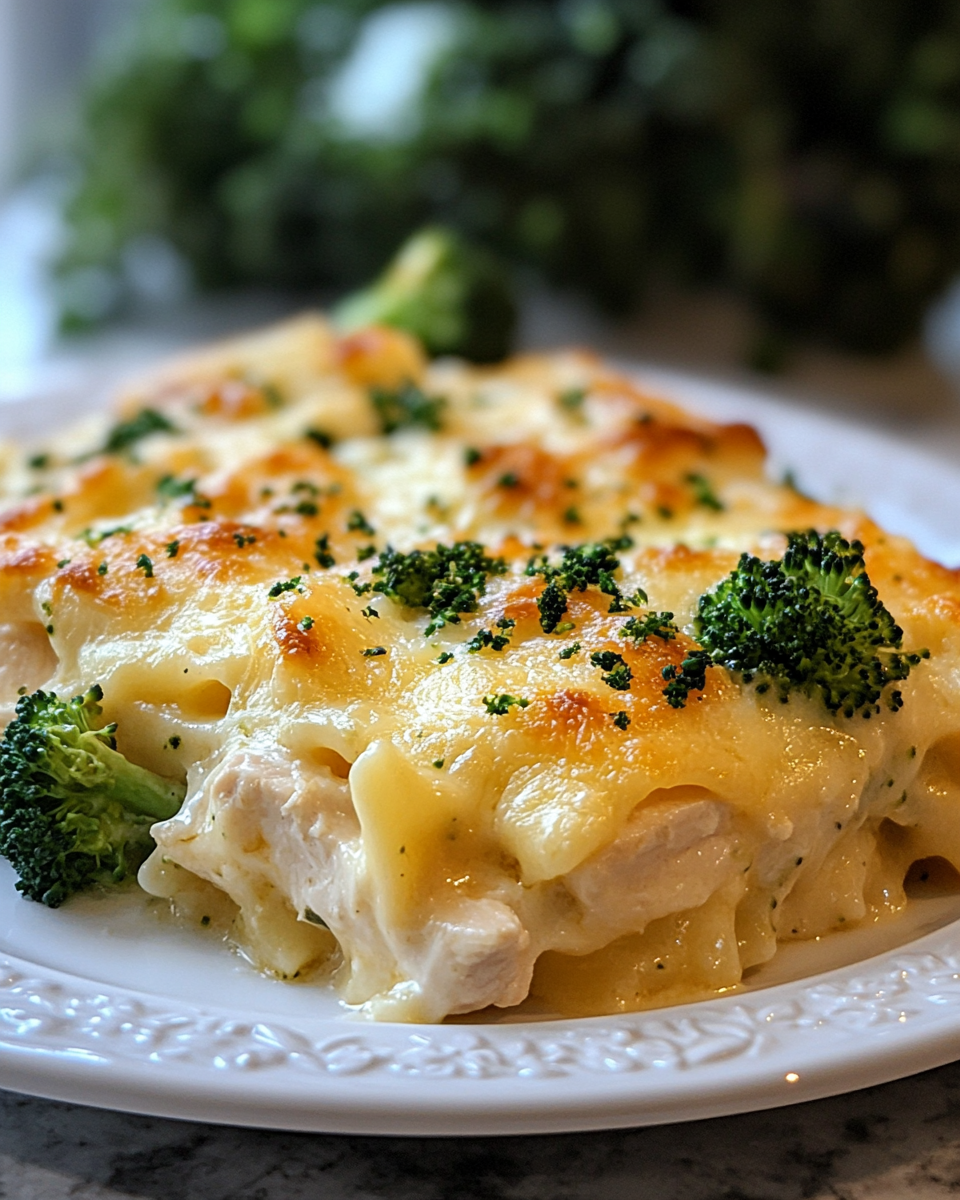
Cheesy Chicken Breast Casserole Recipe 5 Ultimate Surprising

Cheesy Chicken Breast Casserole Recipe 5 Ultimate Surprising

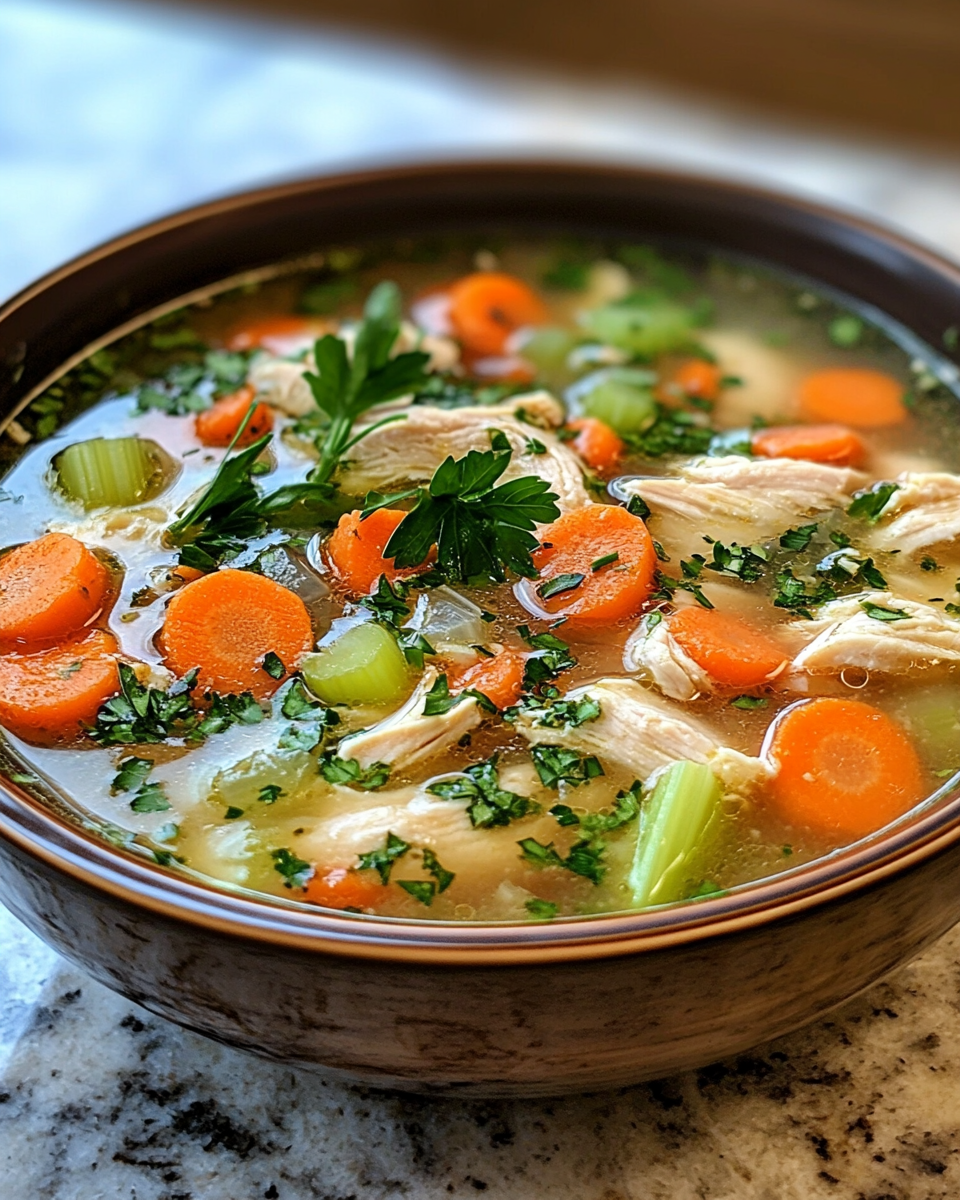
Easy Chicken Breast Soup Recipe 7 Simple Cozy Comforting Bowls

Easy Chicken Breast Soup Recipe 7 Simple Cozy Comforting Bowls

Tags:

You might also like these recipes

Leave a Comment