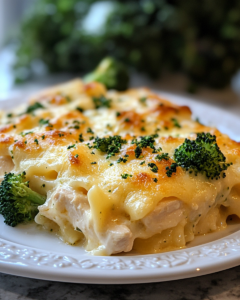
Orange Chicken 7-Step Crispy Flavor Recipe Guide

Posted on

Chicken

Difficulty

Prep time

Cooking time

Total time

Servings

Orange chicken brings together crisp fried chicken pieces coated in a citrus based sauce with balanced savory notes. The dish is commonly associated with Chinese American cooking and is known for its glossy coating and tender interior texture. Each bite combines citrus brightness with gentle sweetness and savory depth, creating a dish that works well for casual dinners or shared plates.

The preparation involves coating chicken in a light batter, frying until crisp, then tossing it in a sauce built from orange juice, soy sauce, vinegar, garlic, and ginger. The process is straightforward, but timing matters to keep the coating crisp while still absorbing the sauce. When done correctly, the exterior stays slightly firm while the sauce clings evenly.

Orange chicken is often served with rice or steamed vegetables. The sauce can be adjusted for stronger citrus notes or deeper savory balance depending on preference. This recipe focuses on a method that keeps texture consistent and flavor balanced without heaviness.

Ingredients Overview
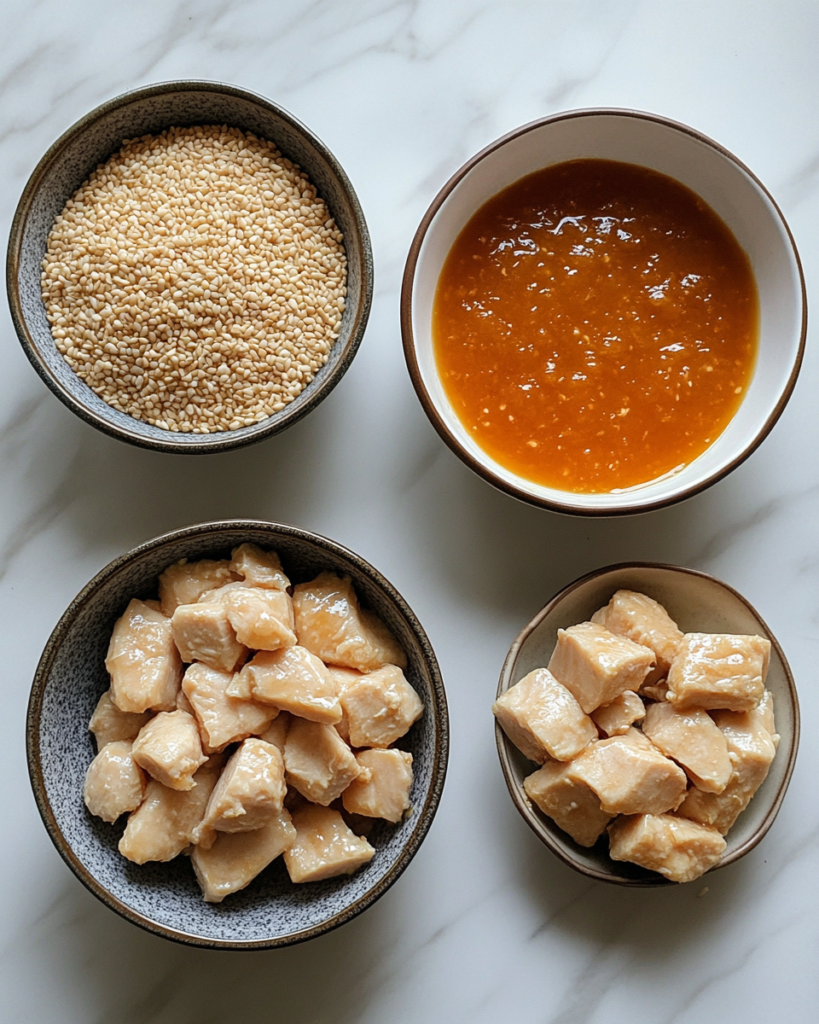
The main component of orange chicken is boneless chicken, typically thigh meat due to its tenderness and ability to remain juicy after frying. Breast meat can also be used, though it requires careful attention during cooking to avoid dryness. Cutting the chicken into even bite sized pieces helps maintain uniform cooking.

The coating usually consists of cornstarch and flour combined with egg. This mixture forms a light crust that becomes crisp when fried. Cornstarch plays a key role in creating a delicate texture that holds up against the sauce. Flour adds structure, while egg helps bind everything together.

The sauce is built from fresh orange juice, soy sauce, rice vinegar, garlic, ginger, and a small amount of sugar. Orange zest is often included to deepen citrus aroma without adding extra liquid. Soy sauce provides savory balance, while vinegar adds gentle acidity. Garlic and ginger contribute warmth and aroma that support the citrus profile.

A small amount of oil is used for frying, typically neutral oil with a high smoke point. Sesame oil may be added in small quantities for finishing aroma. Cornstarch is also used in the sauce to create slight thickness so it coats the chicken evenly.

Each ingredient plays a clear role in balancing crisp texture, citrus brightness, and savory depth. Substitutions such as tamari for soy sauce or honey for sugar can be used depending on dietary preferences.

Ingredients

1 ½ pounds boneless chicken thighs, cut into bite sized pieces
1 cup cornstarch
½ cup all purpose flour
2 large eggs
½ teaspoon salt
¼ teaspoon black pepper
1 cup fresh orange juice
1 tablespoon orange zest
¼ cup soy sauce
2 tablespoons rice vinegar
3 tablespoons granulated sugar
2 cloves garlic, minced
1 teaspoon grated fresh ginger
1 tablespoon cornstarch (for sauce thickening)
½ cup water
3 cups neutral oil for frying
1 teaspoon sesame oil

Step-by-Step Instructions
Start by preparing the chicken. Cut the chicken thighs into evenly sized pieces to allow consistent cooking. Place them in a bowl with salt and black pepper, mixing until evenly coated.

Prepare a dredging station using flour, cornstarch, and beaten eggs. Coat each chicken piece first in the dry mixture, then dip into egg, and return to the dry mixture for a second coating. This layered approach helps create a crisp outer texture after frying.

Heat oil in a deep pan over medium-high heat. The oil should be hot enough that a small drop of batter sizzles immediately upon contact. Carefully place chicken pieces into the oil in small batches. Avoid overcrowding, as this lowers oil temperature and affects texture.

Fry the chicken until light golden on all sides. Remove and place on a wire rack or paper towel to drain excess oil. Allow the chicken to rest while preparing the sauce.

For the sauce, combine orange juice, orange zest, soy sauce, rice vinegar, sugar, garlic, and ginger in a saucepan. Heat over medium heat until the mixture begins to simmer gently.

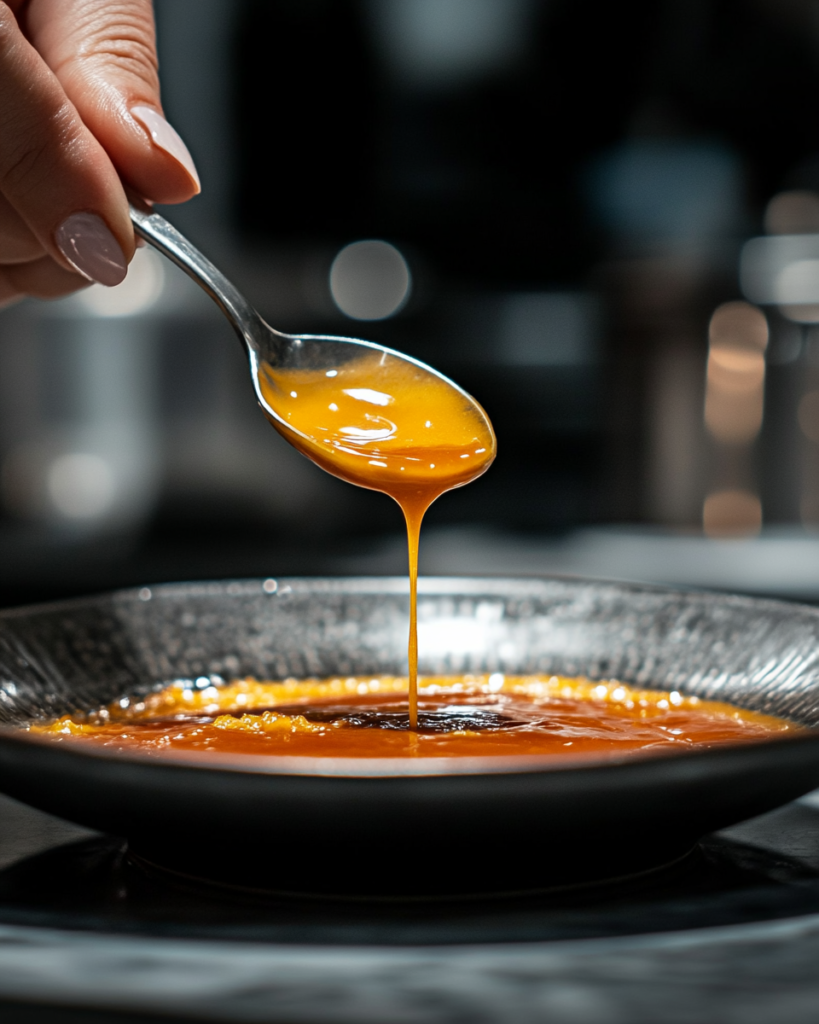
In a separate bowl, mix cornstarch with water until fully dissolved. Slowly pour this mixture into the simmering sauce while stirring continuously. The sauce will gradually thicken and become glossy.

Once the sauce reaches a smooth consistency, reduce heat slightly and allow it to cook for another minute. This helps the flavors blend evenly.

Return the fried chicken to a large pan or wok. Pour the warm sauce over the chicken and toss gently until each piece is coated evenly. Work quickly so the coating remains crisp while absorbing flavor.

Drizzle sesame oil over the finished dish and give a final gentle mix. Serve immediately for best texture. The contrast between crisp exterior and coated surface is most noticeable when served fresh.

Common issues include overly soft coating, which usually results from oil temperature being too low, or overly thick sauce, which can be adjusted with a small amount of water.

Tips, Variations & Substitutions

Chicken thighs provide a juicier result, but chicken breast can be used for a leaner version. When using breast meat, reduce frying time slightly to maintain tenderness.

For a lighter coating, skip the second dredge step and use a single coating of flour and cornstarch. This creates a thinner crust with less crunch but still holds sauce well.

The sauce can be adjusted by increasing orange zest for stronger citrus aroma or reducing sugar for a less sweet profile. Honey can replace sugar for a different type of sweetness with a softer finish.

For added texture, toasted sesame seeds or thinly sliced green onions can be added at the end. Chili flakes can also be included for gentle heat.

Baking the chicken instead of frying is possible, though the texture will be less crisp. Air frying is another option that reduces oil use while maintaining some crispness.

Serving Ideas & Occasions

Orange chicken pairs well with steamed white rice, jasmine rice, or fried rice. The sauce naturally complements grains by coating them lightly without overwhelming flavor.

Vegetable sides such as steamed broccoli, sautéed bok choy, or snap peas balance the dish with freshness and light texture. These sides also absorb extra sauce effectively.

This dish is commonly served as a main course for casual dinners or shared meals. It works well for gatherings where plated dishes are passed around the table.

Beverage pairings often include lightly flavored iced teas or citrus based drinks that match the sauce profile without overpowering it.

Nutritional & Health Notes

Orange chicken provides a balance of protein from chicken and carbohydrates from the coating and sauce. The frying process increases calorie content, while the sauce adds sugars and sodium depending on ingredients used.

Using chicken breast reduces fat content compared to thighs. Baking or air frying lowers oil absorption, making the dish lighter overall.

Orange juice contributes small amounts of vitamin C, though most of its nutritional value is balanced by sugar content in the sauce. Adjusting sugar levels can create a lighter profile without changing core flavor structure.

Portion control plays an important role due to the fried nature of the dish. Pairing with vegetables and rice helps balance the overall meal composition.

FAQs

What type of chicken works well for this dish?

Boneless chicken thighs are commonly used because they stay tender after frying. Chicken breast can also be used, though it requires careful timing during cooking to avoid dryness. Both options should be cut into even pieces for consistent texture.

Can fresh orange juice be replaced with bottled juice?

Bottled juice can be used, but fresh juice provides stronger citrus aroma and a cleaner flavor. If using bottled juice, choose one without added sugar to maintain balance in the sauce.

Why does the coating sometimes become soft?

Soft coating usually results from low oil temperature or leaving chicken in sauce too long before serving. Keeping oil hot during frying and coating chicken just before serving helps maintain texture.

Can the dish be prepared without frying?

Yes, baking or air frying can be used instead of deep frying. The texture will be less crisp, but the flavor of the sauce remains consistent. Light oil coating helps improve surface browning.

What thickens the sauce in this recipe?

Cornstarch mixed with water is used to create thickness. It should be added slowly to the simmering sauce while stirring to avoid lumps and achieve smooth consistency.

How can the sauce be adjusted for less sweetness?

Reducing sugar or replacing it with a smaller amount of honey creates a less sweet profile. Increasing soy sauce slightly can also balance sweetness with savory depth.

What side dishes work well with orange chicken?

Steamed rice is the most common pairing. Vegetables such as broccoli, bok choy, or green beans also work well by adding freshness and texture contrast

[rank_math_breadcrumb]

Orange Chicken 7-Step Crispy Flavor Recipe Guide

Photo of author
Author: Sophia
Published:

Orange chicken brings together crisp fried chicken pieces coated in a citrus based sauce with balanced savory notes. The dish is commonly associated with Chinese American cooking and is known for its glossy coating and tender interior texture. Each bite combines citrus brightness with gentle sweetness and savory depth, creating a dish that works well for casual dinners or shared plates.

The preparation involves coating chicken in a light batter, frying until crisp, then tossing it in a sauce built from orange juice, soy sauce, vinegar, garlic, and ginger. The process is straightforward, but timing matters to keep the coating crisp while still absorbing the sauce. When done correctly, the exterior stays slightly firm while the sauce clings evenly.

Orange chicken is often served with rice or steamed vegetables. The sauce can be adjusted for stronger citrus notes or deeper savory balance depending on preference. This recipe focuses on a method that keeps texture consistent and flavor balanced without heaviness.

Ingredients Overview

The main component of orange chicken is boneless chicken, typically thigh meat due to its tenderness and ability to remain juicy after frying. Breast meat can also be used, though it requires careful attention during cooking to avoid dryness. Cutting the chicken into even bite sized pieces helps maintain uniform cooking.

The coating usually consists of cornstarch and flour combined with egg. This mixture forms a light crust that becomes crisp when fried. Cornstarch plays a key role in creating a delicate texture that holds up against the sauce. Flour adds structure, while egg helps bind everything together.

The sauce is built from fresh orange juice, soy sauce, rice vinegar, garlic, ginger, and a small amount of sugar. Orange zest is often included to deepen citrus aroma without adding extra liquid. Soy sauce provides savory balance, while vinegar adds gentle acidity. Garlic and ginger contribute warmth and aroma that support the citrus profile.

A small amount of oil is used for frying, typically neutral oil with a high smoke point. Sesame oil may be added in small quantities for finishing aroma. Cornstarch is also used in the sauce to create slight thickness so it coats the chicken evenly.

Each ingredient plays a clear role in balancing crisp texture, citrus brightness, and savory depth. Substitutions such as tamari for soy sauce or honey for sugar can be used depending on dietary preferences.

Ingredients

1 ½ pounds boneless chicken thighs, cut into bite sized pieces
1 cup cornstarch
½ cup all purpose flour
2 large eggs
½ teaspoon salt
¼ teaspoon black pepper
1 cup fresh orange juice
1 tablespoon orange zest
¼ cup soy sauce
2 tablespoons rice vinegar
3 tablespoons granulated sugar
2 cloves garlic, minced
1 teaspoon grated fresh ginger
1 tablespoon cornstarch (for sauce thickening)
½ cup water
3 cups neutral oil for frying
1 teaspoon sesame oil

Step-by-Step Instructions

Start by preparing the chicken. Cut the chicken thighs into evenly sized pieces to allow consistent cooking. Place them in a bowl with salt and black pepper, mixing until evenly coated.

Prepare a dredging station using flour, cornstarch, and beaten eggs. Coat each chicken piece first in the dry mixture, then dip into egg, and return to the dry mixture for a second coating. This layered approach helps create a crisp outer texture after frying.

Heat oil in a deep pan over medium-high heat. The oil should be hot enough that a small drop of batter sizzles immediately upon contact. Carefully place chicken pieces into the oil in small batches. Avoid overcrowding, as this lowers oil temperature and affects texture.

Fry the chicken until light golden on all sides. Remove and place on a wire rack or paper towel to drain excess oil. Allow the chicken to rest while preparing the sauce.

For the sauce, combine orange juice, orange zest, soy sauce, rice vinegar, sugar, garlic, and ginger in a saucepan. Heat over medium heat until the mixture begins to simmer gently.

In a separate bowl, mix cornstarch with water until fully dissolved. Slowly pour this mixture into the simmering sauce while stirring continuously. The sauce will gradually thicken and become glossy.

Once the sauce reaches a smooth consistency, reduce heat slightly and allow it to cook for another minute. This helps the flavors blend evenly.

Return the fried chicken to a large pan or wok. Pour the warm sauce over the chicken and toss gently until each piece is coated evenly. Work quickly so the coating remains crisp while absorbing flavor.

Drizzle sesame oil over the finished dish and give a final gentle mix. Serve immediately for best texture. The contrast between crisp exterior and coated surface is most noticeable when served fresh.

Common issues include overly soft coating, which usually results from oil temperature being too low, or overly thick sauce, which can be adjusted with a small amount of water.

Tips, Variations & Substitutions

Chicken thighs provide a juicier result, but chicken breast can be used for a leaner version. When using breast meat, reduce frying time slightly to maintain tenderness.

For a lighter coating, skip the second dredge step and use a single coating of flour and cornstarch. This creates a thinner crust with less crunch but still holds sauce well.

The sauce can be adjusted by increasing orange zest for stronger citrus aroma or reducing sugar for a less sweet profile. Honey can replace sugar for a different type of sweetness with a softer finish.

For added texture, toasted sesame seeds or thinly sliced green onions can be added at the end. Chili flakes can also be included for gentle heat.

Baking the chicken instead of frying is possible, though the texture will be less crisp. Air frying is another option that reduces oil use while maintaining some crispness.

Serving Ideas & Occasions

Orange chicken pairs well with steamed white rice, jasmine rice, or fried rice. The sauce naturally complements grains by coating them lightly without overwhelming flavor.

Vegetable sides such as steamed broccoli, sautéed bok choy, or snap peas balance the dish with freshness and light texture. These sides also absorb extra sauce effectively.

This dish is commonly served as a main course for casual dinners or shared meals. It works well for gatherings where plated dishes are passed around the table.

Beverage pairings often include lightly flavored iced teas or citrus based drinks that match the sauce profile without overpowering it.

Nutritional & Health Notes

Orange chicken provides a balance of protein from chicken and carbohydrates from the coating and sauce. The frying process increases calorie content, while the sauce adds sugars and sodium depending on ingredients used.

Using chicken breast reduces fat content compared to thighs. Baking or air frying lowers oil absorption, making the dish lighter overall.

Orange juice contributes small amounts of vitamin C, though most of its nutritional value is balanced by sugar content in the sauce. Adjusting sugar levels can create a lighter profile without changing core flavor structure.

Portion control plays an important role due to the fried nature of the dish. Pairing with vegetables and rice helps balance the overall meal composition.

FAQs

What type of chicken works well for this dish?

Boneless chicken thighs are commonly used because they stay tender after frying. Chicken breast can also be used, though it requires careful timing during cooking to avoid dryness. Both options should be cut into even pieces for consistent texture.

Can fresh orange juice be replaced with bottled juice?

Bottled juice can be used, but fresh juice provides stronger citrus aroma and a cleaner flavor. If using bottled juice, choose one without added sugar to maintain balance in the sauce.

Why does the coating sometimes become soft?

Soft coating usually results from low oil temperature or leaving chicken in sauce too long before serving. Keeping oil hot during frying and coating chicken just before serving helps maintain texture.

Can the dish be prepared without frying?

Yes, baking or air frying can be used instead of deep frying. The texture will be less crisp, but the flavor of the sauce remains consistent. Light oil coating helps improve surface browning.

What thickens the sauce in this recipe?

Cornstarch mixed with water is used to create thickness. It should be added slowly to the simmering sauce while stirring to avoid lumps and achieve smooth consistency.

How can the sauce be adjusted for less sweetness?

Reducing sugar or replacing it with a smaller amount of honey creates a less sweet profile. Increasing soy sauce slightly can also balance sweetness with savory depth.

What side dishes work well with orange chicken?

Steamed rice is the most common pairing. Vegetables such as broccoli, bok choy, or green beans also work well by adding freshness and texture contrast
Name

Lorem ipsum dolor sit amet, consectetur adipiscing elit. Suspendisse varius enim in eros elementum tristique. Duis cursus, mi quis viverra ornare, eros dolor interdum nulla, ut commodo diam libero vitae erat.

You Might Also Like...

Simple Chicken Breast Dinner Recipes 5 Easy Delicious Meals

Simple Chicken Breast Dinner Recipes 5 Easy Delicious Meals

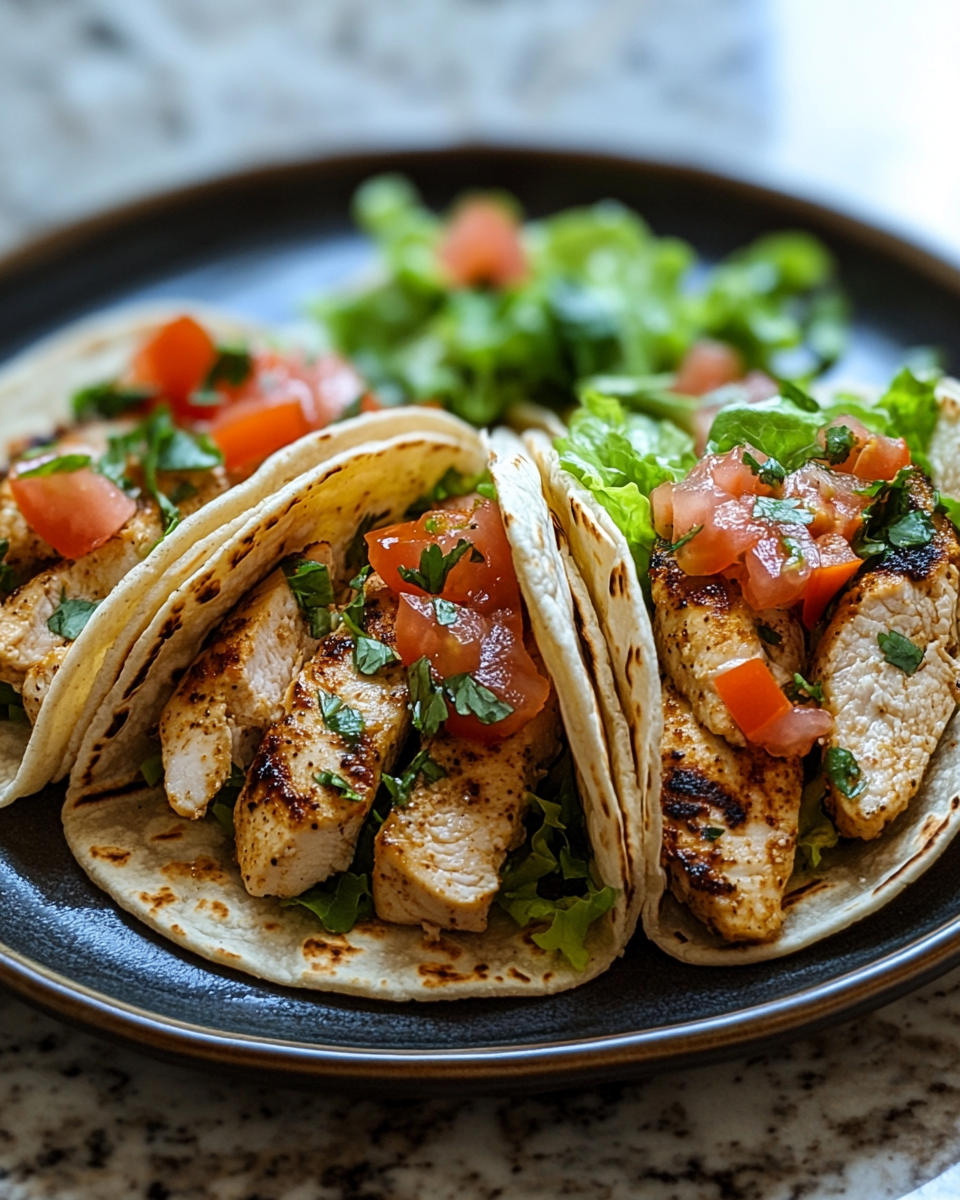
Healthy Chicken Breast Tacos Meal 7 Quick Fresh Delightful

Healthy Chicken Breast Tacos Meal 7 Quick Fresh Delightful

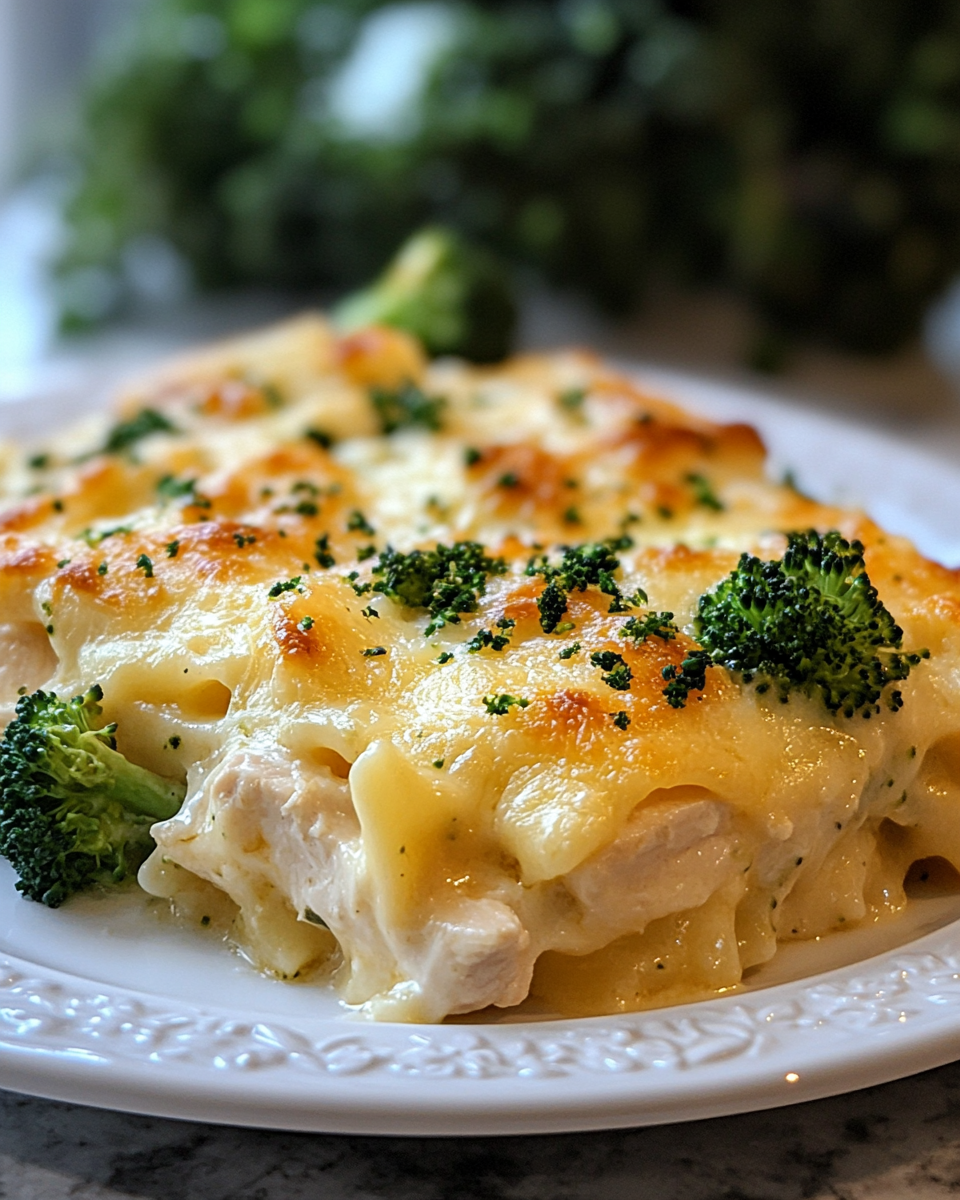
Cheesy Chicken Breast Casserole Recipe 5 Ultimate Surprising

Cheesy Chicken Breast Casserole Recipe 5 Ultimate Surprising

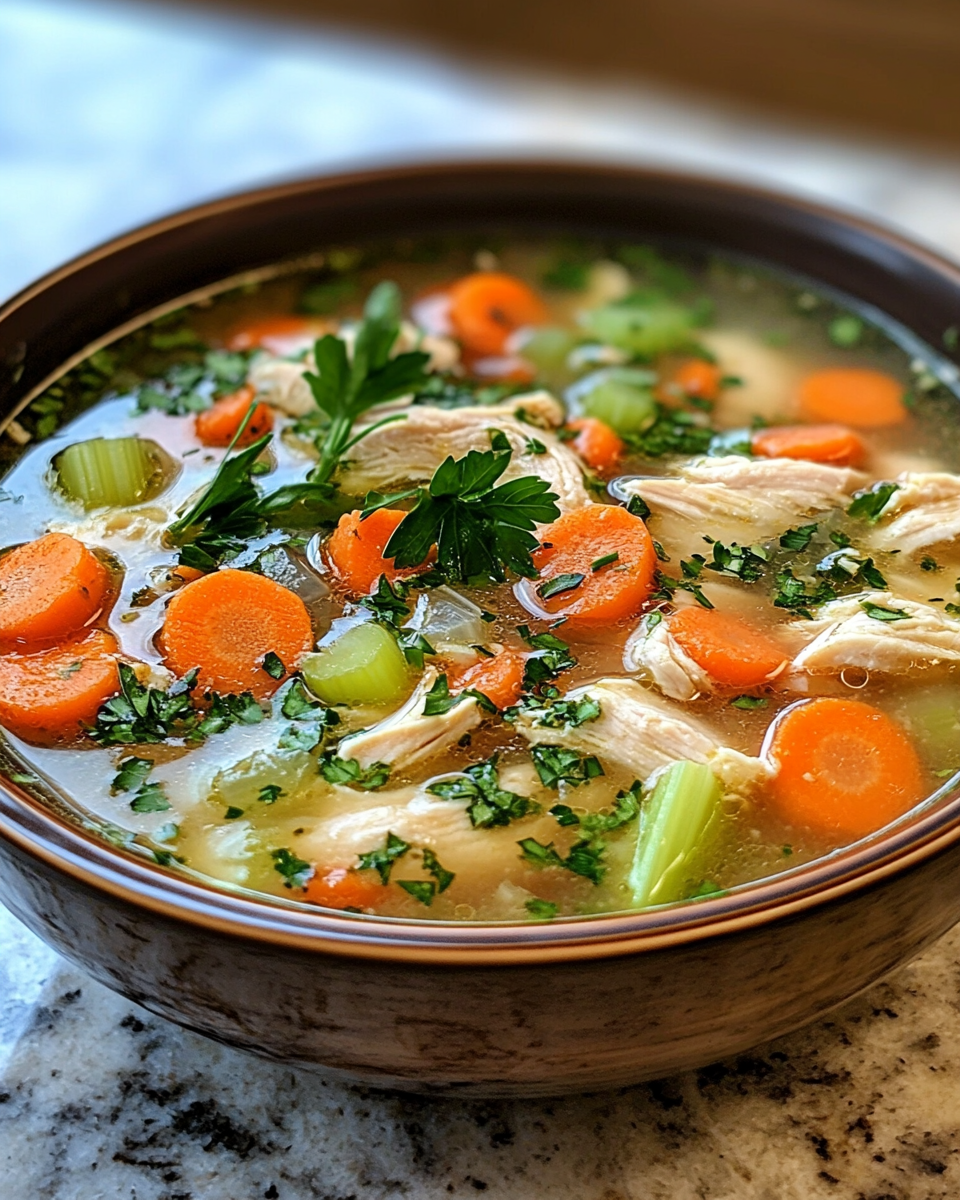
Easy Chicken Breast Soup Recipe 7 Simple Cozy Comforting Bowls

Easy Chicken Breast Soup Recipe 7 Simple Cozy Comforting Bowls

Tags:

You might also like these recipes

Leave a Comment