Tomato Basil Chicken Pasta with Balsamic Glaze 1 Big Joy

Posted on

Uncategorized

Difficulty

Prep time

Cooking time

Total time

Servings

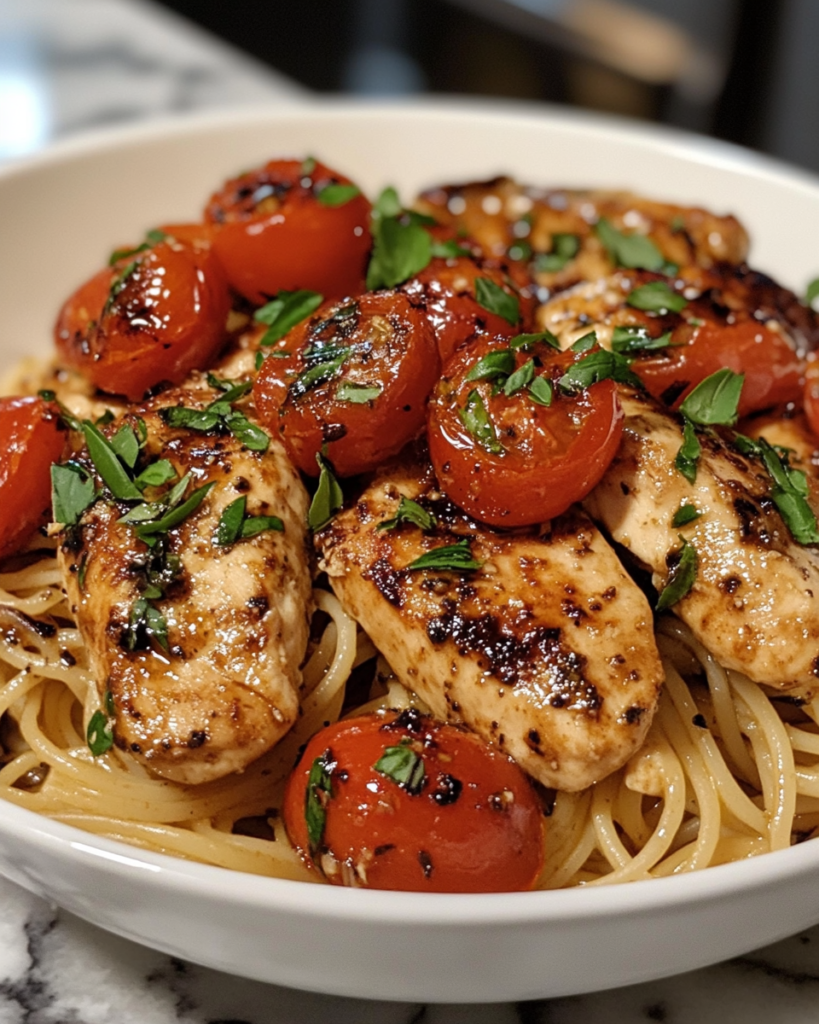
Juicy chicken, ripe tomatoes, and fresh basil come together in this Tomato Basil Chicken Pasta with Balsamic Glaze, creating a warm and comforting dish that feels both rustic and refined. The balsamic glaze adds a rich tangy sweetness that ties everything together, coating each strand of pasta in deep, savory flavor.

This recipe is built for busy weeknights yet carries enough depth to serve at a relaxed dinner gathering. Each component is cooked in a way that keeps its texture and character intact, so every bite feels balanced and satisfying.

The combination of tender chicken, soft pasta, and aromatic basil creates a dish that feels complete without being complicated. The balsamic glaze is reduced until slightly thick, giving the pasta a glossy finish and a gentle sweetness that rounds out the acidity of the tomatoes.

Ingredients Overview
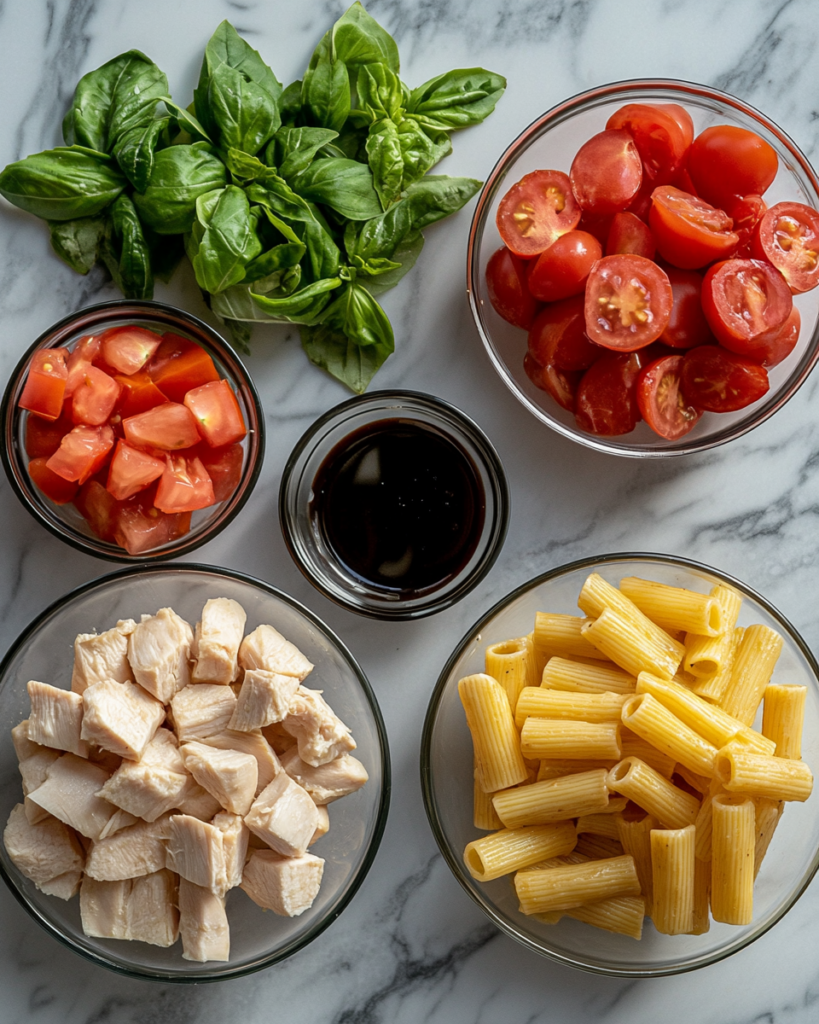
This dish relies on a handful of fresh, accessible ingredients that work together in layers of flavor. Chicken breast is the main protein, offering a lean and tender base that absorbs the seasoning well during cooking. When seared properly, it develops a light golden crust that adds depth to the final dish.

Tomatoes bring natural acidity and juiciness. Cherry tomatoes or grape tomatoes work especially well because they soften quickly and release just enough juice to form a light sauce without becoming overly watery. Their sweetness balances the balsamic glaze.

Fresh basil is added at the end to preserve its aroma. It contributes a fragrant, slightly peppery note that lifts the entire dish. Dried basil can be used in a pinch, but fresh leaves provide a brighter flavor.

Pasta acts as the foundation, with shapes like penne, fettuccine, or spaghetti working well. These options hold onto the sauce and glaze without becoming heavy.

Balsamic vinegar is gently reduced into a glaze, creating a smooth, slightly syrupy finish. This element adds richness and a mild sweetness that ties the dish together.

Garlic and olive oil form the aromatic base, while a small amount of salt and black pepper brings balance. Parmesan cheese can be added at the end for a savory finish, though it is optional.

Ingredients

12 ounces pasta (penne, spaghetti, or fettuccine)
1 pound boneless chicken breast, cut into bite-sized pieces
2 tablespoons olive oil
3 cloves garlic, minced
2 cups cherry tomatoes, halved
1 teaspoon salt
1/2 teaspoon black pepper
1 teaspoon Italian seasoning
1/2 cup balsamic vinegar
1 tablespoon honey
1/2 cup chicken broth
1/2 cup grated Parmesan cheese (optional)
1/2 cup fresh basil leaves, torn
1 tablespoon butter

Step-by-Step Instructions
Begin by cooking the pasta in a large pot of salted boiling water. Stir occasionally to prevent sticking and cook until it reaches a firm yet tender texture. Drain and set aside, reserving a small cup of pasta water for later use if needed.

Heat olive oil in a large skillet over medium heat. Add the chicken pieces in a single layer and season with salt, black pepper, and Italian seasoning. Allow the chicken to cook without frequent stirring so it develops a light golden color on the surface. Once fully cooked and no longer pink inside, transfer it to a plate.

In the same skillet, add minced garlic and cook briefly until fragrant. Be careful not to let it brown too much, as this can introduce a bitter taste. Add the cherry tomatoes and cook until they begin to soften and release their juices, forming a light base.

Return the chicken to the skillet and stir everything together. Pour in the chicken broth to loosen the mixture and create a light sauce that coats the ingredients evenly. Let it simmer gently so the flavors begin to blend.

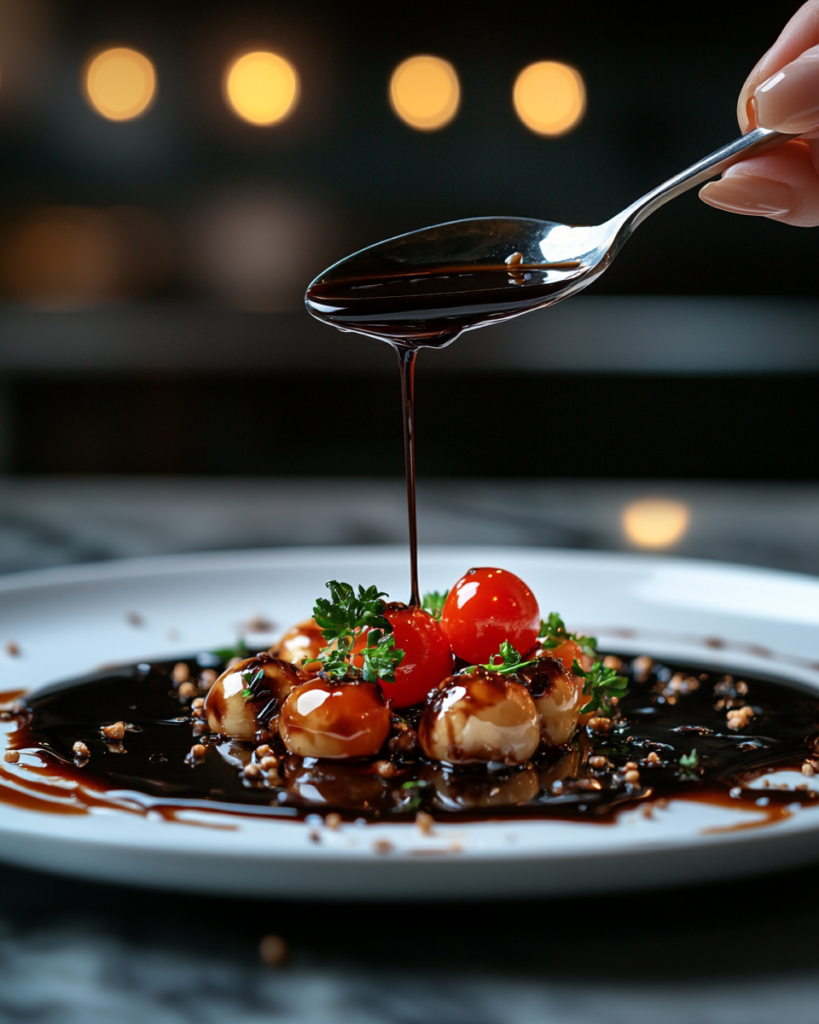
In a separate small pan, combine balsamic vinegar and honey. Warm over low heat, stirring occasionally, until the mixture reduces slightly and thickens into a glossy glaze. This step should be slow so the flavor remains balanced rather than overly sharp.

Add the cooked pasta into the skillet with the chicken and tomato mixture. Toss gently so the pasta absorbs the sauce evenly. If the mixture feels too thick, add a small splash of reserved pasta water to loosen it.

Drizzle the balsamic glaze over the pasta and mix again until everything is coated. The glaze should lightly cling to the pasta and chicken without overpowering the other ingredients.

Turn off the heat and add fresh basil leaves. Stir gently so the basil wilts slightly from the residual warmth, releasing its aroma throughout the dish. If using Parmesan cheese, sprinkle it over the top and allow it to melt slightly into the pasta.

Serve immediately while warm, allowing the sauce to remain silky and the flavors well balanced.

Tips, Variations & Substitutions

For a deeper flavor, chicken thighs can be used instead of chicken breast. They offer a slightly richer taste and remain tender during cooking. If you prefer a lighter version, zucchini noodles can replace traditional pasta, though the texture will be different.

Adding a small pinch of red pepper flakes during the garlic stage introduces a gentle heat that blends well with the sweetness of the balsamic glaze. This works especially well for those who enjoy a mild kick in their meals.

If cherry tomatoes are not available, diced Roma tomatoes can be used. They contain less water and provide a slightly firmer texture. Sun-dried tomatoes can also be added for a more concentrated tomato flavor.

For a creamier variation, a small splash of heavy cream can be stirred in just before adding the pasta. This softens the acidity of the balsamic glaze and creates a richer sauce.

Leftovers can be stored in an airtight container and gently reheated on the stove with a splash of broth to loosen the sauce.

Serving Ideas & Occasions

This pasta pairs well with simple side dishes like a green salad with olive oil dressing or roasted vegetables. Garlic bread or toasted baguette slices also complement the balsamic glaze by soaking up the extra sauce.

It works well for casual family dinners, relaxed weekend meals, or shared gatherings where a comforting pasta dish is preferred. The balance of protein, pasta, and vegetables makes it suitable as a complete main course without additional dishes.

A light sparkling water with lemon or a chilled herbal iced tea pairs nicely with the flavors, keeping the meal refreshing and balanced.

Nutritional & Health Notes

This dish provides a balanced combination of protein, carbohydrates, and healthy fats. Chicken breast offers lean protein that supports muscle maintenance and satiety.

Tomatoes contribute vitamins and natural antioxidants, while basil adds small amounts of micronutrients and aromatic compounds. Olive oil provides heart-friendly fats that support overall nutritional balance.

The balsamic glaze adds flavor without requiring large amounts of added sugar, especially when lightly reduced with a small amount of honey.

Portion control can be adjusted depending on dietary needs, and whole wheat pasta can be used to increase fiber content. Removing cheese or reducing oil can also make the dish lighter while maintaining its core flavor profile.

FAQs

Can I use another type of pasta?

Yes, different pasta shapes work well in this recipe. Penne, spaghetti, and fusilli are all good options because they hold sauce effectively. Short pasta tends to capture more of the balsamic glaze in each bite, while long pasta provides a smoother texture experience. Cooking time may vary slightly depending on the type chosen, so checking for a firm yet tender texture is important.

Can I prepare this dish in advance?

This pasta can be prepared ahead of time, though it is best enjoyed fresh. If made in advance, store the pasta and sauce together in an airtight container. When reheating, add a small amount of broth or water to loosen the sauce. Fresh basil should be added only after reheating to maintain its aroma and texture.

What can I use instead of balsamic vinegar?

If balsamic vinegar is not available, a mixture of red wine vinegar with a small amount of honey can provide a similar balance of acidity and sweetness. The flavor will be slightly different but still works well with chicken and tomatoes. Adjust the sweetness carefully to match your preference.

Can I make this dish without chicken?

Yes, the chicken can be omitted for a vegetarian version. In that case, mushrooms or zucchini can be used as a substitute to provide texture and substance. Chickpeas also work well, adding protein while absorbing the flavors of the sauce.

How do I prevent the pasta from becoming dry?

If the pasta begins to feel dry after mixing, a small splash of reserved pasta water or broth can be added. Stir gently to help the sauce coat the pasta again. The starch in the pasta water helps bring everything back together without thinning the flavor.

Can I use dried basil instead of fresh?

Dried basil can be used, but it should be added earlier during cooking so it has time to release its flavor. Fresh basil is added at the end for aroma and brightness, while dried basil provides a more subtle herbal background throughout the dish.

Is this recipe suitable for meal prep?

This dish works well for meal prep when stored properly. Keep it in sealed containers in the refrigerator and reheat gently before serving. Adding fresh basil after reheating helps restore its aromatic quality and keeps the dish more vibrant in flavor.

[rank_math_breadcrumb]

Tomato Basil Chicken Pasta with Balsamic Glaze 1 Big Joy

Photo of author
Author: Sophia
Published:

Juicy chicken, ripe tomatoes, and fresh basil come together in this Tomato Basil Chicken Pasta with Balsamic Glaze, creating a warm and comforting dish that feels both rustic and refined. The balsamic glaze adds a rich tangy sweetness that ties everything together, coating each strand of pasta in deep, savory flavor.

This recipe is built for busy weeknights yet carries enough depth to serve at a relaxed dinner gathering. Each component is cooked in a way that keeps its texture and character intact, so every bite feels balanced and satisfying.

The combination of tender chicken, soft pasta, and aromatic basil creates a dish that feels complete without being complicated. The balsamic glaze is reduced until slightly thick, giving the pasta a glossy finish and a gentle sweetness that rounds out the acidity of the tomatoes.

Ingredients Overview

This dish relies on a handful of fresh, accessible ingredients that work together in layers of flavor. Chicken breast is the main protein, offering a lean and tender base that absorbs the seasoning well during cooking. When seared properly, it develops a light golden crust that adds depth to the final dish.

Tomatoes bring natural acidity and juiciness. Cherry tomatoes or grape tomatoes work especially well because they soften quickly and release just enough juice to form a light sauce without becoming overly watery. Their sweetness balances the balsamic glaze.

Fresh basil is added at the end to preserve its aroma. It contributes a fragrant, slightly peppery note that lifts the entire dish. Dried basil can be used in a pinch, but fresh leaves provide a brighter flavor.

Pasta acts as the foundation, with shapes like penne, fettuccine, or spaghetti working well. These options hold onto the sauce and glaze without becoming heavy.

Balsamic vinegar is gently reduced into a glaze, creating a smooth, slightly syrupy finish. This element adds richness and a mild sweetness that ties the dish together.

Garlic and olive oil form the aromatic base, while a small amount of salt and black pepper brings balance. Parmesan cheese can be added at the end for a savory finish, though it is optional.

Ingredients

12 ounces pasta (penne, spaghetti, or fettuccine)
1 pound boneless chicken breast, cut into bite-sized pieces
2 tablespoons olive oil
3 cloves garlic, minced
2 cups cherry tomatoes, halved
1 teaspoon salt
1/2 teaspoon black pepper
1 teaspoon Italian seasoning
1/2 cup balsamic vinegar
1 tablespoon honey
1/2 cup chicken broth
1/2 cup grated Parmesan cheese (optional)
1/2 cup fresh basil leaves, torn
1 tablespoon butter

Step-by-Step Instructions

Begin by cooking the pasta in a large pot of salted boiling water. Stir occasionally to prevent sticking and cook until it reaches a firm yet tender texture. Drain and set aside, reserving a small cup of pasta water for later use if needed.

Heat olive oil in a large skillet over medium heat. Add the chicken pieces in a single layer and season with salt, black pepper, and Italian seasoning. Allow the chicken to cook without frequent stirring so it develops a light golden color on the surface. Once fully cooked and no longer pink inside, transfer it to a plate.

In the same skillet, add minced garlic and cook briefly until fragrant. Be careful not to let it brown too much, as this can introduce a bitter taste. Add the cherry tomatoes and cook until they begin to soften and release their juices, forming a light base.

Return the chicken to the skillet and stir everything together. Pour in the chicken broth to loosen the mixture and create a light sauce that coats the ingredients evenly. Let it simmer gently so the flavors begin to blend.

In a separate small pan, combine balsamic vinegar and honey. Warm over low heat, stirring occasionally, until the mixture reduces slightly and thickens into a glossy glaze. This step should be slow so the flavor remains balanced rather than overly sharp.

Add the cooked pasta into the skillet with the chicken and tomato mixture. Toss gently so the pasta absorbs the sauce evenly. If the mixture feels too thick, add a small splash of reserved pasta water to loosen it.

Drizzle the balsamic glaze over the pasta and mix again until everything is coated. The glaze should lightly cling to the pasta and chicken without overpowering the other ingredients.

Turn off the heat and add fresh basil leaves. Stir gently so the basil wilts slightly from the residual warmth, releasing its aroma throughout the dish. If using Parmesan cheese, sprinkle it over the top and allow it to melt slightly into the pasta.

Serve immediately while warm, allowing the sauce to remain silky and the flavors well balanced.

Tips, Variations & Substitutions

For a deeper flavor, chicken thighs can be used instead of chicken breast. They offer a slightly richer taste and remain tender during cooking. If you prefer a lighter version, zucchini noodles can replace traditional pasta, though the texture will be different.

Adding a small pinch of red pepper flakes during the garlic stage introduces a gentle heat that blends well with the sweetness of the balsamic glaze. This works especially well for those who enjoy a mild kick in their meals.

If cherry tomatoes are not available, diced Roma tomatoes can be used. They contain less water and provide a slightly firmer texture. Sun-dried tomatoes can also be added for a more concentrated tomato flavor.

For a creamier variation, a small splash of heavy cream can be stirred in just before adding the pasta. This softens the acidity of the balsamic glaze and creates a richer sauce.

Leftovers can be stored in an airtight container and gently reheated on the stove with a splash of broth to loosen the sauce.

Serving Ideas & Occasions

This pasta pairs well with simple side dishes like a green salad with olive oil dressing or roasted vegetables. Garlic bread or toasted baguette slices also complement the balsamic glaze by soaking up the extra sauce.

It works well for casual family dinners, relaxed weekend meals, or shared gatherings where a comforting pasta dish is preferred. The balance of protein, pasta, and vegetables makes it suitable as a complete main course without additional dishes.

A light sparkling water with lemon or a chilled herbal iced tea pairs nicely with the flavors, keeping the meal refreshing and balanced.

Nutritional & Health Notes

This dish provides a balanced combination of protein, carbohydrates, and healthy fats. Chicken breast offers lean protein that supports muscle maintenance and satiety.

Tomatoes contribute vitamins and natural antioxidants, while basil adds small amounts of micronutrients and aromatic compounds. Olive oil provides heart-friendly fats that support overall nutritional balance.

The balsamic glaze adds flavor without requiring large amounts of added sugar, especially when lightly reduced with a small amount of honey.

Portion control can be adjusted depending on dietary needs, and whole wheat pasta can be used to increase fiber content. Removing cheese or reducing oil can also make the dish lighter while maintaining its core flavor profile.

FAQs

Can I use another type of pasta?

Yes, different pasta shapes work well in this recipe. Penne, spaghetti, and fusilli are all good options because they hold sauce effectively. Short pasta tends to capture more of the balsamic glaze in each bite, while long pasta provides a smoother texture experience. Cooking time may vary slightly depending on the type chosen, so checking for a firm yet tender texture is important.

Can I prepare this dish in advance?

This pasta can be prepared ahead of time, though it is best enjoyed fresh. If made in advance, store the pasta and sauce together in an airtight container. When reheating, add a small amount of broth or water to loosen the sauce. Fresh basil should be added only after reheating to maintain its aroma and texture.

What can I use instead of balsamic vinegar?

If balsamic vinegar is not available, a mixture of red wine vinegar with a small amount of honey can provide a similar balance of acidity and sweetness. The flavor will be slightly different but still works well with chicken and tomatoes. Adjust the sweetness carefully to match your preference.

Can I make this dish without chicken?

Yes, the chicken can be omitted for a vegetarian version. In that case, mushrooms or zucchini can be used as a substitute to provide texture and substance. Chickpeas also work well, adding protein while absorbing the flavors of the sauce.

How do I prevent the pasta from becoming dry?

If the pasta begins to feel dry after mixing, a small splash of reserved pasta water or broth can be added. Stir gently to help the sauce coat the pasta again. The starch in the pasta water helps bring everything back together without thinning the flavor.

Can I use dried basil instead of fresh?

Dried basil can be used, but it should be added earlier during cooking so it has time to release its flavor. Fresh basil is added at the end for aroma and brightness, while dried basil provides a more subtle herbal background throughout the dish.

Is this recipe suitable for meal prep?

This dish works well for meal prep when stored properly. Keep it in sealed containers in the refrigerator and reheat gently before serving. Adding fresh basil after reheating helps restore its aromatic quality and keeps the dish more vibrant in flavor.
Name

Lorem ipsum dolor sit amet, consectetur adipiscing elit. Suspendisse varius enim in eros elementum tristique. Duis cursus, mi quis viverra ornare, eros dolor interdum nulla, ut commodo diam libero vitae erat.

You Might Also Like...

Simple Chicken Breast Dinner Recipes 5 Easy Delicious Meals

Simple Chicken Breast Dinner Recipes 5 Easy Delicious Meals

Healthy Chicken Breast Tacos Meal 7 Quick Fresh Delightful

Healthy Chicken Breast Tacos Meal 7 Quick Fresh Delightful

Cheesy Chicken Breast Casserole Recipe 5 Ultimate Surprising

Cheesy Chicken Breast Casserole Recipe 5 Ultimate Surprising

Easy Chicken Breast Soup Recipe 7 Simple Cozy Comforting Bowls

Easy Chicken Breast Soup Recipe 7 Simple Cozy Comforting Bowls

Tags:

You might also like these recipes

Leave a Comment