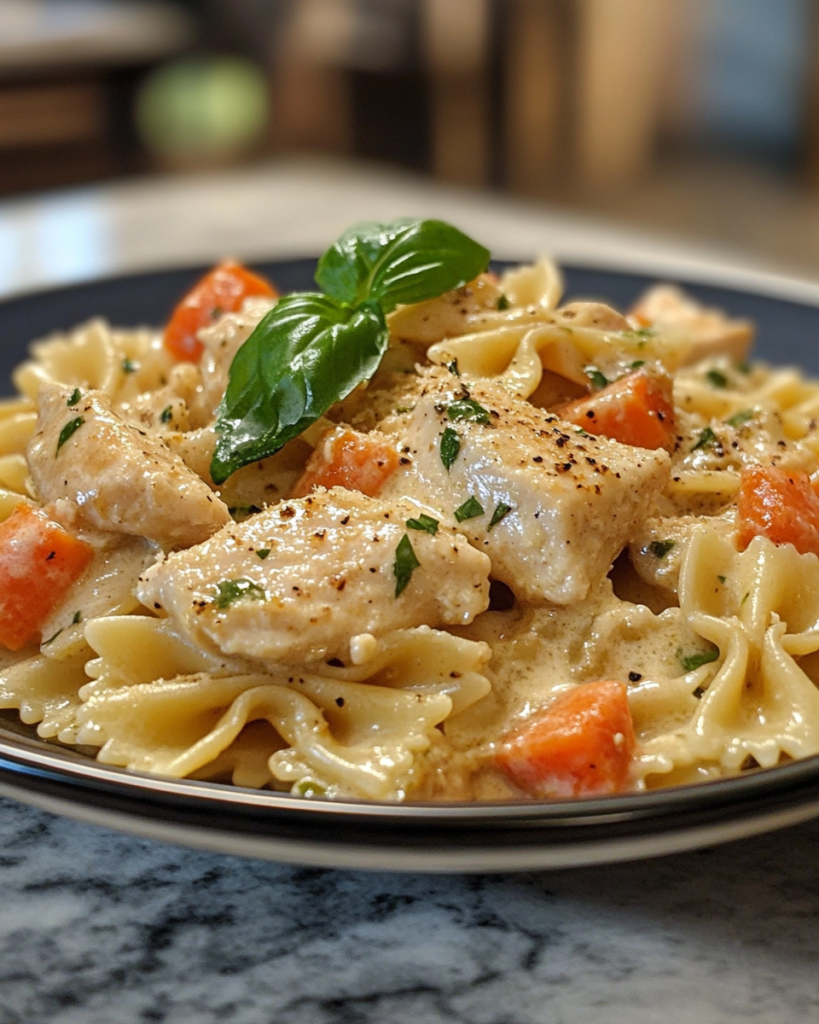
Chicken Veggie Bowtie Pasta in Parmesan Cream Sauce is a comforting, flavorful meal that brings together tender chicken, vibrant vegetables, and perfectly cooked pasta in a rich, creamy coating. The bowtie pasta captures the sauce in its folds, creating a satisfying bite every time.
This dish works beautifully for both weeknight dinners and casual gatherings. It feels hearty without being too heavy, thanks to the balance of lean protein and fresh vegetables. The Parmesan cream sauce ties everything together with a smooth, savory finish that complements each ingredient.
With simple preparation and familiar ingredients, this recipe delivers consistent results while still feeling special enough to serve to guests.
Ingredients Overview
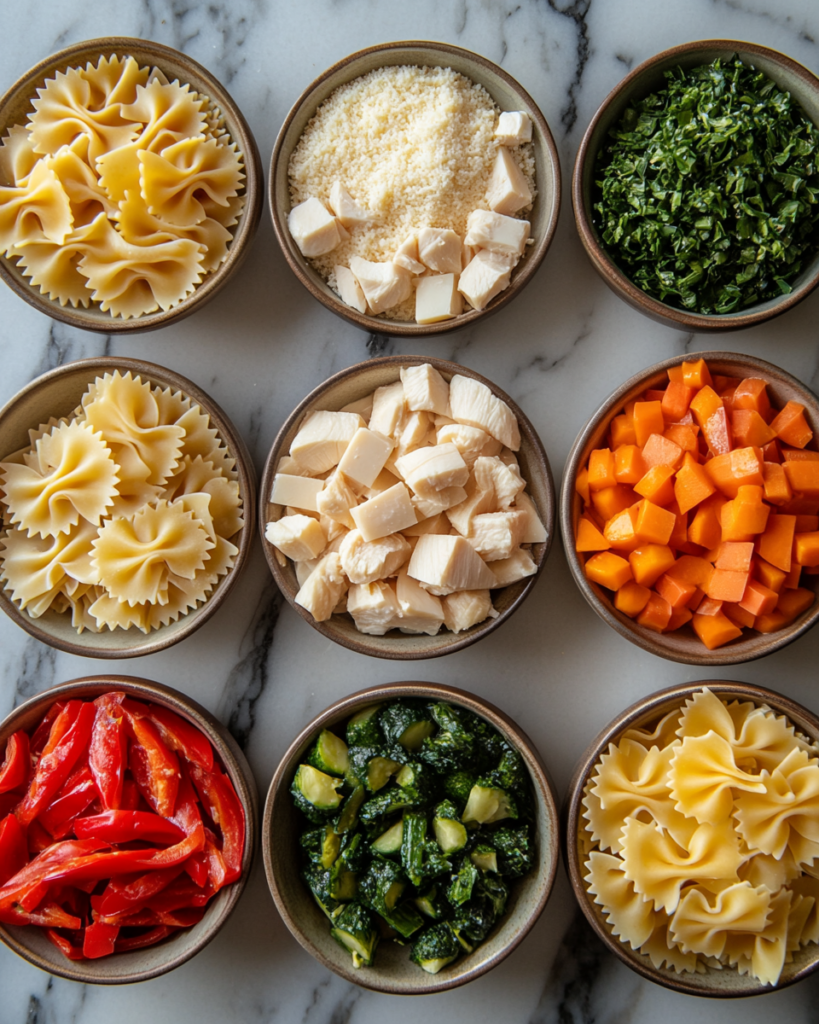
The success of Chicken Veggie Bowtie Pasta in Parmesan Cream Sauce comes from the way each ingredient contributes to the overall flavor and texture. Boneless, skinless chicken breasts provide a lean protein base. When cooked properly, they stay juicy and absorb the flavors of the sauce.
Bowtie pasta, also known as farfalle, is ideal for creamy sauces. Its ridged surface and pinched center hold onto the Parmesan cream, ensuring every bite is well coated. Cooking the pasta to al dente prevents it from becoming too soft once mixed with the sauce.
Vegetables add color, texture, and freshness. Bell peppers bring sweetness, while broccoli adds a slight crunch and earthy taste. Zucchini softens quickly and blends smoothly into the dish. Garlic and onion create a savory foundation that deepens the overall flavor.
The Parmesan cream sauce is made with butter, heavy cream, and freshly grated Parmesan cheese. The cheese melts into the cream, forming a silky texture with a slightly salty, nutty flavor. A small amount of chicken broth helps lighten the sauce while maintaining richness.
Substitutions are simple. Chicken thighs can replace chicken breasts for a richer taste. Half-and-half can be used instead of heavy cream for a lighter version. Frozen vegetables work in place of fresh when needed, though they should be drained well to avoid excess moisture.
Ingredients
1 pound boneless, skinless chicken breasts, cut into bite-sized pieces
12 ounces bowtie pasta
2 tablespoons olive oil
1 tablespoon butter
3 cloves garlic, minced
1 small onion, finely chopped
1 cup broccoli florets
1 red bell pepper, sliced
1 zucchini, sliced
1 cup heavy cream
1/2 cup chicken broth
1 cup freshly grated Parmesan cheese
1/2 teaspoon salt
1/2 teaspoon black pepper
1/2 teaspoon Italian seasoning
1/4 teaspoon red pepper flakes (optional)
2 tablespoons chopped fresh parsley
Step-by-Step Instructions
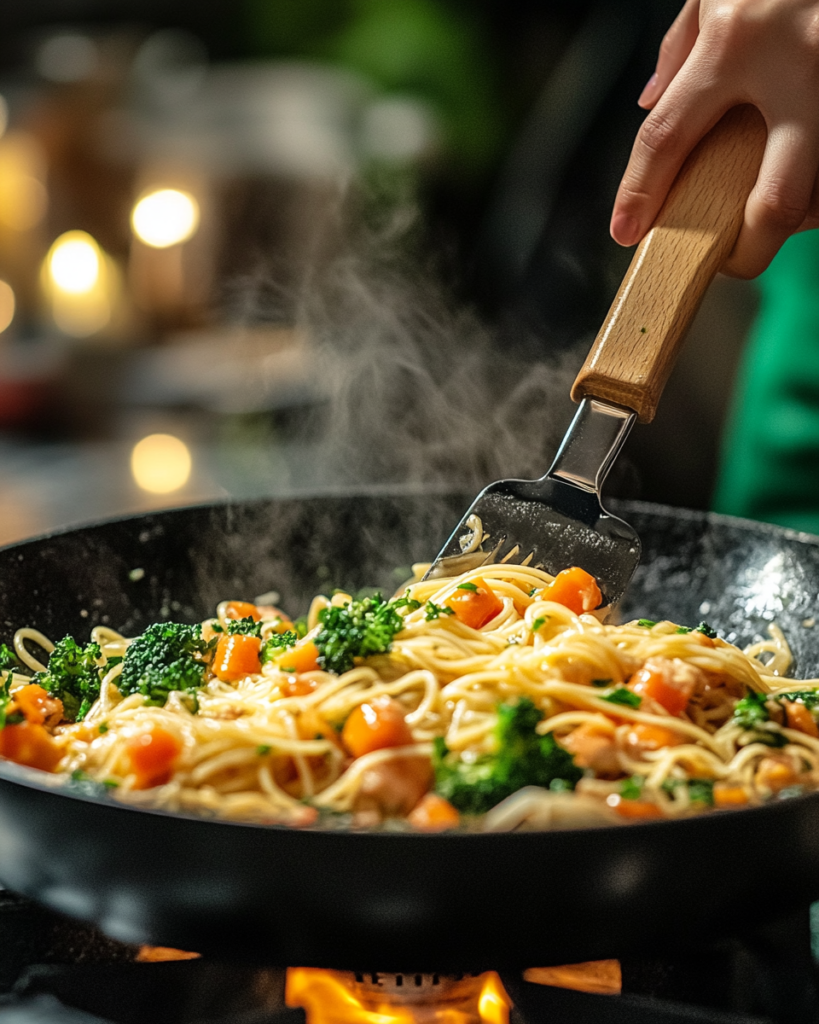
Begin by bringing a large pot of salted water to a boil. Add the bowtie pasta and cook according to package instructions until al dente. Reserve about 1/2 cup of pasta water before draining, then set the pasta aside.
While the pasta cooks, heat one tablespoon of olive oil in a large skillet over medium heat. Add the chicken pieces in a single layer. Cook for about 5–7 minutes, turning occasionally, until the chicken is golden on the outside and fully cooked inside. Remove the chicken from the skillet and set it aside.
In the same skillet, add the remaining olive oil and butter. Once melted, stir in the chopped onion and cook for 3–4 minutes until softened. Add the minced garlic and cook for another 30 seconds, stirring constantly to prevent burning.
Add the broccoli, bell pepper, and zucchini to the skillet. Cook for 5–6 minutes until the vegetables are tender but still slightly crisp. Avoid overcooking, as the vegetables should retain some texture.
Pour in the chicken broth and let it simmer for 2 minutes, scraping up any browned bits from the bottom of the pan. Reduce the heat to low and stir in the heavy cream. Allow the mixture to gently simmer for 3–4 minutes.
Gradually add the grated Parmesan cheese, stirring continuously until it melts and the sauce thickens. Season with salt, black pepper, Italian seasoning, and red pepper flakes if using.
Return the cooked chicken to the skillet, followed by the drained pasta. Toss everything together until evenly coated in the sauce. If the sauce feels too thick, add a splash of reserved pasta water to loosen it.
Cook for an additional 2–3 minutes to allow the flavors to blend. Garnish with fresh parsley before serving.
A common mistake is overheating the sauce after adding the cheese, which can cause it to separate. Keep the heat low and stir gently for a smooth finish.
Tips, Variations & Substitutions
For the best texture, cook the pasta just until al dente. It will continue to soften slightly when mixed with the hot sauce. Overcooked pasta can become mushy and lose its shape.
Cut the chicken into evenly sized pieces to ensure consistent cooking. Avoid overcrowding the pan, as this can cause the chicken to steam rather than brown.
For a different flavor profile, swap Parmesan with Pecorino Romano for a sharper taste. Adding a squeeze of lemon juice at the end can brighten the richness of the cream sauce.
Vegetable variations work well in this dish. Mushrooms add depth, while spinach can be stirred in at the end for a softer texture. Carrots or snap peas can also be included for added color and crunch.
For a lighter version, replace heavy cream with half-and-half and reduce the amount of cheese slightly. To make it gluten-free, use gluten-free pasta without changing the rest of the recipe.
Those who prefer a richer dish can add a splash of white wine before the cream, allowing it to cook down for extra flavor.
Serving Ideas & Occasions
Chicken Veggie Bowtie Pasta in Parmesan Cream Sauce pairs well with simple side dishes that balance its creamy texture. A crisp green salad with a light vinaigrette adds freshness and contrast. Garlic bread or a warm baguette is ideal for soaking up any extra sauce.
This dish fits comfortably into a variety of occasions. It works as a satisfying family dinner, a meal prep option for busy weeks, or a centerpiece for casual gatherings. Its appealing presentation makes it suitable for sharing at potlucks or small celebrations.
For drinks, a chilled white wine such as Chardonnay or Pinot Grigio complements the creamy sauce. Sparkling water with a slice of lemon is a refreshing non-alcoholic option.
Nutritional & Health Notes
This pasta dish offers a balanced combination of protein, carbohydrates, and fats. The chicken provides lean protein, which supports muscle maintenance and helps create a filling meal.
Vegetables contribute fiber, vitamins, and minerals, adding nutritional value and supporting overall health. Including a variety of vegetables increases the range of nutrients in each serving.
The Parmesan cream sauce adds richness and flavor but also increases the fat content. Portion control can help maintain balance, especially for those watching calorie intake.
Using whole grain pasta instead of regular pasta can increase fiber content and improve satiety. Adjusting the amount of cream and cheese allows for flexibility depending on dietary preferences.
FAQs
Can I use a different type of pasta?
Yes, other pasta shapes work well in this recipe. Penne, fusilli, or rotini are all good choices because their shapes hold onto the creamy sauce effectively. Long pasta like fettuccine can also be used, though it creates a slightly different texture. When substituting, cook the pasta according to package instructions and aim for an al dente texture. The key is selecting a pasta that can पकड़ the sauce without becoming too soft after mixing.
How do I store leftovers?
Store leftovers in an airtight container in the refrigerator for up to three days. Allow the pasta to cool completely before sealing to prevent condensation, which can make the dish watery. When reheating, add a small splash of milk or broth to restore the creamy texture. Heat gently on the stovetop or in the microwave, stirring occasionally to distribute the sauce evenly.
Can I make this dish ahead of time?
This recipe can be prepared in advance, though it is best served fresh. If making ahead, cook the pasta and sauce separately and combine them just before serving. This prevents the pasta from absorbing too much sauce and becoming overly soft. Reheat the sauce gently and toss with freshly warmed pasta for the best texture and flavor.
What can I use instead of heavy cream?
Half-and-half or whole milk can be used as substitutes for heavy cream. The sauce will be lighter and slightly less thick, but still flavorful. To help thicken it, a small amount of flour or cornstarch slurry can be added. Another option is using a combination of milk and cream cheese for a creamy consistency without relying entirely on heavy cream.
How can I add more flavor to the dish?
Additional herbs and spices can deepen the flavor. Fresh basil, thyme, or oregano can be added toward the end of cooking. A pinch of smoked paprika introduces a subtle smoky note. For extra richness, a small amount of grated garlic or a splash of white wine can be incorporated into the sauce before adding the cream.
Is it possible to make this dish vegetarian?
Yes, the chicken can be omitted and replaced with hearty vegetables like mushrooms, eggplant, or chickpeas. Using vegetable broth instead of chicken broth keeps the dish consistent with a vegetarian diet. The Parmesan cheese should be checked to confirm it aligns with vegetarian preferences, as some varieties contain animal-derived enzymes.
Why did my sauce turn grainy?
A grainy sauce often results from overheating the cheese or adding it too quickly. Parmesan should be added gradually over low heat while stirring continuously. High temperatures can cause the proteins in the cheese to separate, leading to a rough texture. Using freshly grated cheese instead of pre-shredded varieties also helps create a smoother sauce.