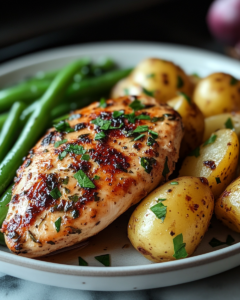
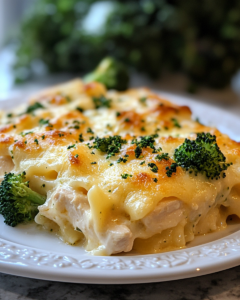
Balsamic Chicken Pasta with Fresh Tomatoes & Basil is a bright, satisfying meal that brings together tender chicken, juicy tomatoes, and fragrant basil in a glossy balsamic glaze. The balance of tangy vinegar, natural sweetness, and savory notes creates a comforting yet fresh dish that works just as well for a weeknight dinner as it does for a relaxed gathering.
The pasta absorbs the rich sauce while the chicken stays juicy and flavorful. Fresh tomatoes soften slightly during cooking, releasing their juices and blending beautifully with the balsamic reduction. A finishing touch of basil adds a burst of aroma that ties everything together.
Ingredients Overview

The foundation of Balsamic Chicken Pasta with Fresh Tomatoes & Basil lies in simple, fresh ingredients that complement one another. Chicken breast is a lean protein that cooks quickly and absorbs the tangy balsamic flavor. When sliced thinly, it stays tender and cooks evenly, making it ideal for pasta dishes.
Balsamic vinegar plays a central role in the sauce. Its slightly sweet and acidic profile thickens as it reduces, coating the pasta and chicken with a rich glaze. Choosing a good-quality balsamic vinegar makes a noticeable difference in flavor, though standard grocery store options work well when simmered properly.
Fresh tomatoes add natural sweetness and a soft texture. Cherry or grape tomatoes are especially suitable because they hold their shape and release juices gradually. Garlic enhances the savory depth, while olive oil brings everything together with a smooth, rounded finish.
Fresh basil is essential for a fragrant finish. It adds a light herbal note that contrasts with the richness of the sauce. If fresh basil is unavailable, a small amount of dried basil can be used, though the flavor will be less pronounced.
Pasta acts as the base, soaking up the sauce. Short shapes like penne or fusilli work well, but spaghetti or linguine can also be used. Parmesan cheese, added at the end, contributes a salty, nutty finish.
Ingredients
12 ounces pasta (penne or spaghetti)
2 tablespoons olive oil
1 pound boneless, skinless chicken breasts, sliced thin
1 teaspoon salt
1/2 teaspoon black pepper
3 cloves garlic, minced
1 1/2 cups cherry tomatoes, halved
1/3 cup balsamic vinegar
1 tablespoon honey
1/2 teaspoon dried oregano
1/4 teaspoon red pepper flakes (optional)
1/4 cup fresh basil leaves, chopped
1/2 cup grated Parmesan cheese
1/4 cup reserved pasta water
Step-by-Step Instructions

Begin by bringing a large pot of salted water to a boil. Cook the pasta according to package instructions until al dente. Before draining, reserve about 1/4 cup of the pasta cooking water, which will help bring the sauce together later.
While the pasta cooks, heat olive oil in a large skillet over medium heat. Season the sliced chicken with salt and black pepper. Add the chicken to the pan in a single layer and cook for 4–5 minutes, turning occasionally, until golden brown and fully cooked. Remove the chicken from the skillet and set it aside.
In the same skillet, add the minced garlic and cook for about 30 seconds until fragrant. Stir frequently to prevent burning, as garlic can turn bitter quickly. Add the cherry tomatoes and cook for 4–5 minutes, allowing them to soften and release their juices.
Pour in the balsamic vinegar and stir in the honey and dried oregano. Let the mixture simmer for 3–4 minutes until it slightly thickens. The sauce should coat the back of a spoon but remain pourable.
Return the cooked chicken to the skillet and stir to coat it in the sauce. Add the drained pasta and toss everything together. If the mixture appears dry, gradually add the reserved pasta water until the desired consistency is reached.
Sprinkle in the red pepper flakes if using, then add the chopped fresh basil and grated Parmesan cheese. Toss gently to combine and allow the cheese to melt into the sauce.
Taste and adjust seasoning if needed. Serve immediately while warm, making sure each portion includes chicken, pasta, and tomatoes coated in the balsamic glaze.
Avoid overcooking the chicken, as it can become dry. Also, do not skip reserving pasta water, as it helps create a cohesive sauce rather than a dry mixture.
Tips, Variations & Substitutions
For the best flavor, allow the balsamic vinegar to reduce properly. A rushed reduction can leave the sauce too sharp, while a slow simmer brings out its natural sweetness. If the sauce becomes too thick, a splash of pasta water will loosen it without diluting the flavor.
Chicken thighs can be used instead of chicken breasts for a richer taste. They remain juicy even with longer cooking times. For a vegetarian version, replace the chicken with sautéed mushrooms or zucchini.
Whole wheat or gluten-free pasta can be substituted without affecting the overall structure of the dish. The sauce pairs well with both options, though cooking times may vary slightly.
For added texture, consider tossing in toasted pine nuts or walnuts just before serving. A handful of fresh spinach can also be stirred in at the end for extra greens.
If you prefer a creamier variation, a splash of heavy cream or a spoonful of cream cheese can be added to the sauce, creating a richer consistency while still keeping the balsamic flavor present.
Serving Ideas & Occasions
Balsamic Chicken Pasta with Fresh Tomatoes & Basil pairs beautifully with simple side dishes that complement its bold flavors. A crisp green salad with a light vinaigrette balances the richness of the pasta, while garlic bread adds a satisfying crunch.
For drinks, a glass of red wine such as Merlot or a light white wine like Pinot Grigio works well. Sparkling water with lemon is a refreshing non-alcoholic option.
This dish is ideal for weeknight dinners because of its quick preparation time, yet it is also suitable for casual entertaining. Its vibrant presentation, with bright tomatoes and fresh basil, makes it appealing on the table.
It can also be prepared ahead and reheated gently, making it a practical choice for meal planning.
Nutritional & Health Notes
This dish provides a balanced combination of protein, carbohydrates, and fats. Chicken offers lean protein that supports muscle maintenance, while pasta supplies energy through carbohydrates.
Olive oil contributes healthy fats, and tomatoes provide vitamins such as vitamin C and antioxidants. Fresh basil adds small amounts of micronutrients while enhancing flavor without extra calories.
Using whole grain pasta can increase fiber content, helping with digestion and satiety. Reducing the amount of cheese slightly can lower overall fat and sodium levels without sacrificing too much flavor.
Portion control plays an important role, as pasta dishes can be calorie-dense. Pairing with a salad can help create a more balanced meal.
FAQs
Can I use store-bought balsamic glaze instead of vinegar?
Yes, store-bought balsamic glaze can be used as a shortcut. It is already reduced and slightly sweetened, so you can skip the simmering step. However, it tends to be thicker and sweeter than homemade reductions, so use it sparingly at first. You can always add more if needed. When using glaze, consider reducing or omitting the honey to prevent the dish from becoming overly sweet. The flavor will still be rich, though slightly less layered than when reducing vinegar from scratch.
How do I keep the chicken tender?
To keep the chicken tender, slice it thinly and cook it over medium heat without overcrowding the pan. Overcooking is the most common reason for dry chicken, so remove it from the heat as soon as it is fully cooked. Letting the chicken rest briefly before adding it back to the sauce also helps retain its juices. Using chicken thighs instead of breasts is another option, as they naturally stay more moist during cooking.
Can I make this dish ahead of time?
This dish can be made ahead and stored in the refrigerator for up to three days. When reheating, add a splash of water or broth to loosen the sauce, as it tends to thicken when chilled. Warm it gently over medium heat or in the microwave, stirring occasionally. For the best texture, add fresh basil just before serving rather than during initial cooking, as it retains its aroma better.
What type of pasta works best?
Short pasta shapes like penne, rigatoni, or fusilli work particularly well because they पकड़ the sauce in their ridges and curves. Long pasta such as spaghetti or linguine is also suitable, offering a smoother texture. The choice depends on personal preference, but sturdier shapes tend to hold up better when tossed with the chicken and sauce.
Can I add vegetables to this recipe?
Yes, additional vegetables can be included to increase variety and nutrition. Spinach, zucchini, bell peppers, or mushrooms are excellent choices. Add them during the cooking process based on their texture. Softer vegetables like spinach can be stirred in at the end, while firmer vegetables should be sautéed earlier to soften properly.
Is this recipe gluten-free?
The dish can easily be made gluten-free by using gluten-free pasta. All other ingredients are naturally gluten-free, but it is always important to check labels, especially for balsamic vinegar and Parmesan cheese. Cooking times for gluten-free pasta may differ slightly, so follow the package instructions carefully.
How can I make the sauce less tangy?
If the sauce tastes too tangy, adding a small amount of honey or sugar can balance the acidity. You can also stir in a bit of butter or cream to soften the sharpness of the balsamic vinegar. Another approach is to let the sauce simmer a bit longer, as reduction naturally mellows the acidity while concentrating the sweetness.