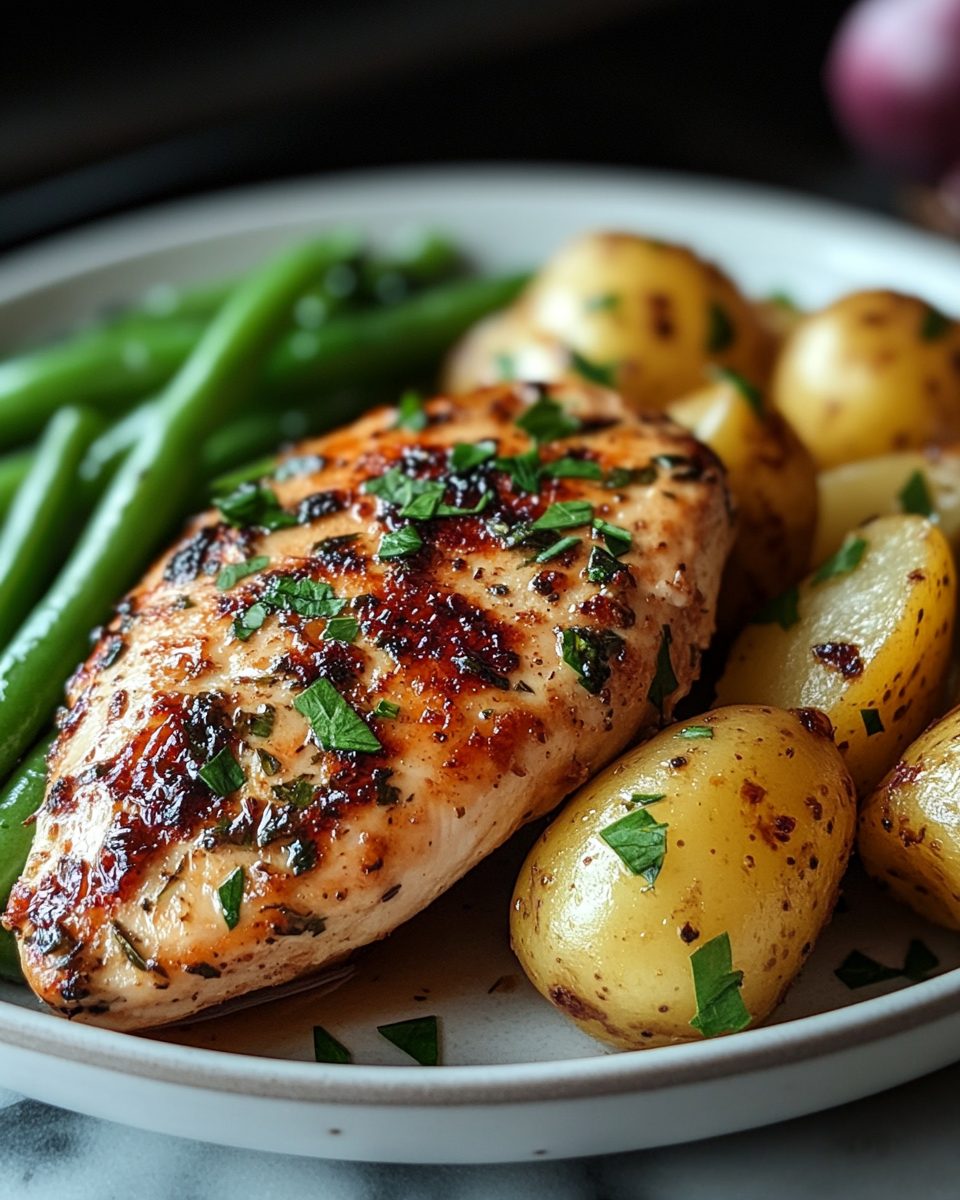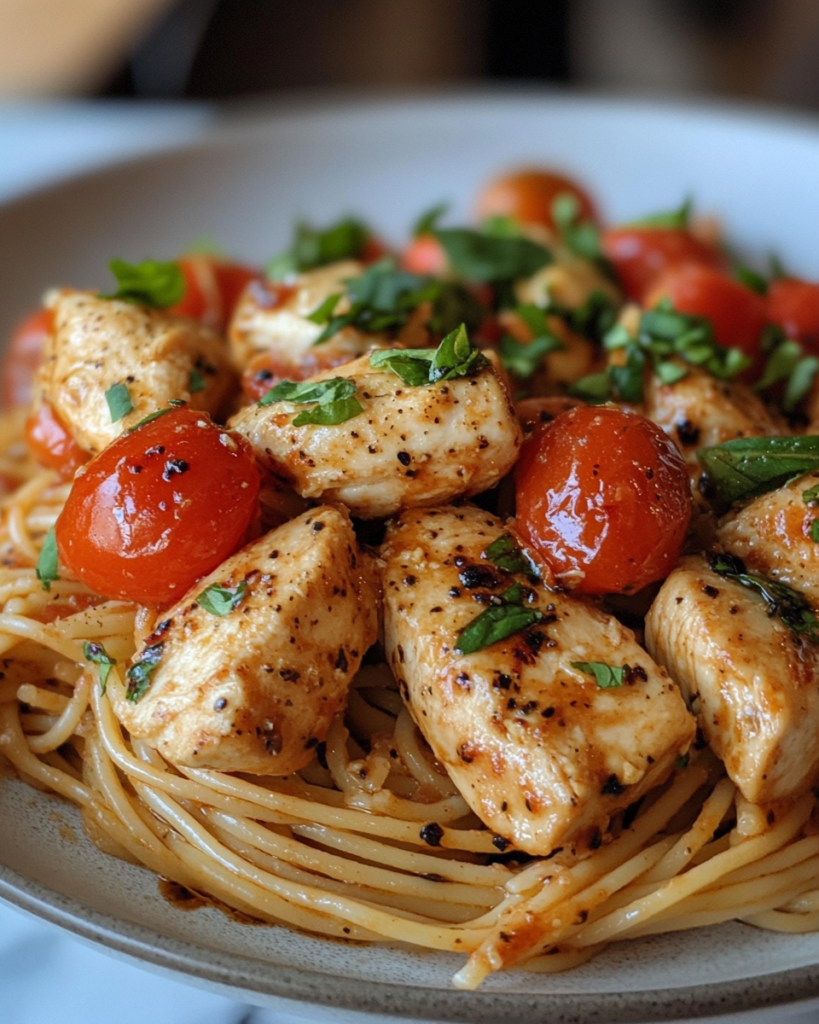
Balsamic Bruschetta Chicken Spaghetti brings together the bright, fresh taste of classic bruschetta with tender chicken and comforting pasta. The combination of juicy tomatoes, fragrant basil, and tangy balsamic glaze coats every strand of spaghetti in a rich yet balanced way.
This dish feels both rustic and refined, making it suitable for a relaxed weeknight dinner or a casual gathering with friends. The sweetness of the balsamic pairs beautifully with savory chicken, while garlic and olive oil round out the flavors. Each bite delivers a mix of freshness and warmth that keeps the dish satisfying without feeling heavy.
The beauty of Balsamic Bruschetta Chicken Spaghetti lies in its simplicity. With straightforward ingredients and a method that builds flavor step by step, it’s a meal that feels thoughtfully prepared without being complicated.
Ingredients Overview

The heart of Balsamic Bruschetta Chicken Spaghetti lies in its fresh and balanced ingredients. Each component plays a distinct role in building layers of flavor and texture.
Chicken breast provides a lean, protein-rich base. When cooked properly, it stays juicy and tender, absorbing the surrounding flavors of garlic, olive oil, and balsamic glaze. Spaghetti acts as the perfect canvas, capturing the sauce and juices while adding a comforting, familiar texture.
Tomatoes are essential for the bruschetta element. Fresh ripe tomatoes bring brightness and natural sweetness. Cherry or grape tomatoes work particularly well because they hold their shape and release just enough juice when cooked.
Garlic and olive oil create the aromatic foundation. Garlic adds depth, while olive oil carries flavors and gives the dish a silky finish. Fresh basil introduces a fragrant, slightly peppery note that lifts the entire dish.
Balsamic vinegar is the defining ingredient. Its tangy sweetness ties everything together, especially when slightly reduced into a glaze-like consistency. Parmesan cheese adds a salty, nutty finish that balances the acidity.
For substitutions, boneless chicken thighs can replace chicken breast for a richer texture. Whole wheat or gluten-free pasta can be used depending on dietary needs. If fresh basil is unavailable, a small amount of dried basil can work, though the flavor will be less vibrant.
Ingredients
2 boneless, skinless chicken breasts
8 ounces spaghetti
2 cups cherry tomatoes, halved
3 cloves garlic, minced
1/4 cup balsamic vinegar
2 tablespoons olive oil
1/2 teaspoon salt
1/4 teaspoon black pepper
1/2 teaspoon dried oregano
1/4 cup fresh basil leaves, chopped
1/3 cup grated Parmesan cheese
1 tablespoon butter
1/4 teaspoon red pepper flakes (optional)
Step-by-Step Instructions
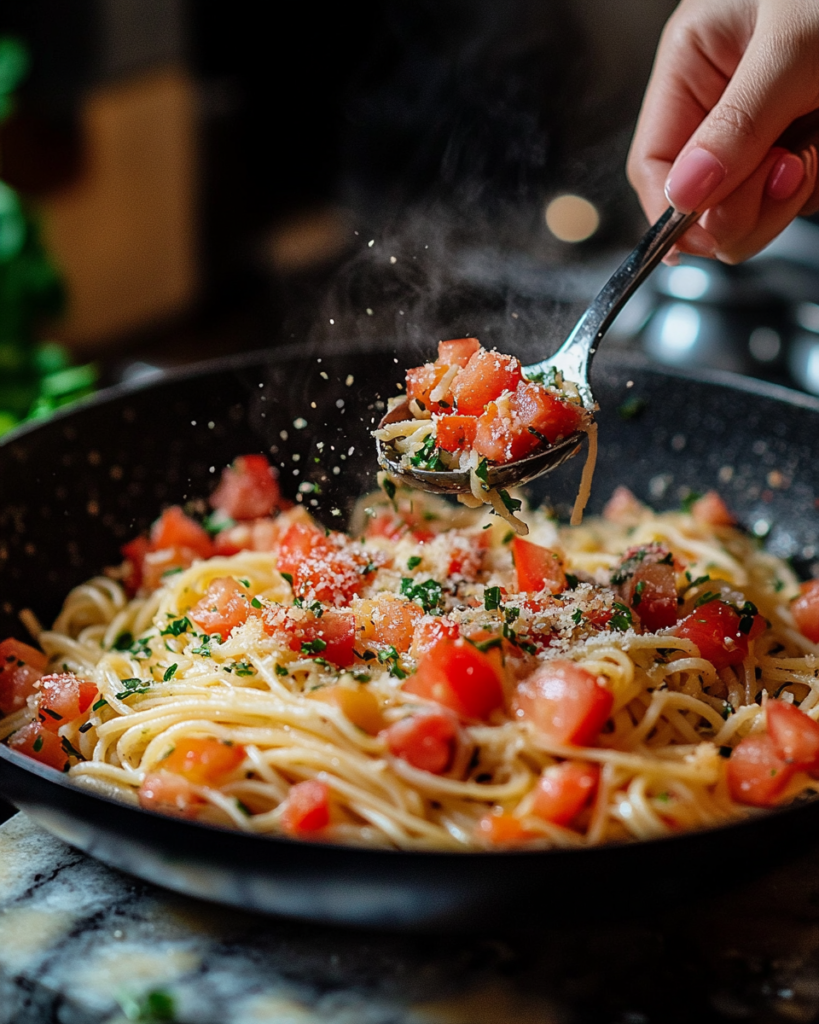
Begin by bringing a large pot of salted water to a boil. Cook the spaghetti according to package instructions until al dente. Reserve about 1/2 cup of pasta water before draining, as it can help loosen the sauce later if needed.
While the pasta cooks, season the chicken breasts with salt, black pepper, and dried oregano. Heat one tablespoon of olive oil in a large skillet over medium heat. Add the chicken and cook for about 5–6 minutes per side, depending on thickness, until the internal temperature reaches 165°F. The outside should be lightly golden. Remove the chicken from the pan and let it rest before slicing into thin strips.
In the same skillet, add the remaining olive oil and minced garlic. Cook for about 30 seconds until fragrant, being careful not to let it burn. Add the halved tomatoes and cook for 4–5 minutes, stirring occasionally. The tomatoes should soften and release their juices but still hold some shape.
Pour in the balsamic vinegar and allow it to simmer gently for 2–3 minutes. This reduces the vinegar slightly, creating a more concentrated flavor. Stir in the butter for a smoother texture.
Add the cooked spaghetti to the skillet and toss to coat in the tomato and balsamic mixture. If the pasta seems dry, add a splash of the reserved pasta water to loosen it. Return the sliced chicken to the pan and mix gently.
Remove the skillet from heat and stir in the fresh basil and Parmesan cheese. Taste and adjust seasoning if needed. For a slight kick, sprinkle in red pepper flakes.
Common mistakes include overcooking the chicken, which can make it dry, and reducing the balsamic too much, which can make it overly sharp. Keep an eye on both steps to maintain balance in the dish.
Tips, Variations & Substitutions
For the best flavor, use ripe, in-season tomatoes. They provide natural sweetness that complements the balsamic. If tomatoes are out of season, cherry tomatoes are usually the most consistent option.
If you prefer a deeper flavor, marinate the chicken in a small amount of balsamic vinegar, olive oil, and garlic for 30 minutes before cooking. This adds another layer of richness.
For a vegetarian version, replace the chicken with sautéed mushrooms or roasted eggplant. Both options absorb the balsamic flavor well and provide a satisfying texture.
To make the dish creamier, stir in a splash of heavy cream or a spoonful of ricotta cheese at the end. This softens the acidity and creates a richer sauce.
Whole grain or gluten-free spaghetti can be used without changing the method. For a lower-carb option, zucchini noodles can replace traditional pasta, though they should be added at the very end to avoid excess moisture.
Adding mozzarella pearls or crumbled feta can introduce a different cheese profile, while toasted pine nuts bring a subtle crunch.
Serving Ideas & Occasions
Balsamic Bruschetta Chicken Spaghetti pairs well with simple sides that complement its fresh flavors. A crisp green salad with a light vinaigrette balances the richness of the pasta. Garlic bread or a warm baguette is perfect for soaking up the sauce.
For drinks, a light red wine such as Pinot Noir or a crisp white like Sauvignon Blanc works nicely. Sparkling water with a slice of lemon is a refreshing non-alcoholic option.
This dish fits a variety of occasions. It works well for family dinners, casual entertaining, or even a date night at home. Its vibrant presentation also makes it appealing for gatherings where you want something that feels thoughtful yet approachable.
Nutritional & Health Notes
This dish offers a balanced combination of protein, carbohydrates, and healthy fats. Chicken breast provides lean protein, while olive oil contributes heart-friendly fats. Tomatoes add vitamins, antioxidants, and natural sweetness.
Balsamic vinegar brings flavor without adding significant calories, making it a useful ingredient for creating depth without heaviness. Fresh basil adds aroma and small amounts of beneficial plant compounds.
To adjust the nutritional profile, whole wheat pasta can increase fiber content. Reducing the amount of cheese lowers saturated fat, while adding more vegetables like spinach or zucchini increases overall nutrient density.
Portion control plays an important role, as pasta dishes can become calorie-dense if servings are too large.
FAQs
Can I make Balsamic Bruschetta Chicken Spaghetti ahead of time?
Yes, this dish can be prepared ahead, though it is best enjoyed fresh. You can cook the chicken and prepare the tomato mixture in advance, then store them separately in the refrigerator for up to two days. When ready to serve, reheat gently in a skillet and cook the pasta fresh for the best texture. If reheating everything together, add a splash of water or broth to prevent the pasta from drying out. Fresh basil should always be added just before serving to keep its flavor bright.
Can I use store-bought balsamic glaze instead of vinegar?
Store-bought balsamic glaze can be used as a substitute, especially if you prefer a thicker, slightly sweeter finish. If using glaze, reduce the quantity slightly since it is more concentrated than regular balsamic vinegar. Add it toward the end of cooking to avoid burning the sugars. Keep in mind that using glaze will change the flavor balance slightly, making the dish a bit sweeter and less tangy.
What type of pasta works best for this recipe?
Spaghetti is a classic choice because it holds the sauce well and provides a familiar texture. However, other pasta shapes like linguine, fettuccine, or even penne can work just as well. Long noodles tend to pair nicely with the light, glossy sauce, while short pasta shapes can trap bits of tomato and chicken in each bite. Choose based on preference or what you have available.
How do I keep the chicken from drying out?
To keep the chicken moist, avoid overcooking it. Use medium heat and cook just until the internal temperature reaches 165°F. Letting the chicken rest for a few minutes before slicing helps retain its juices. Cutting it too soon can cause the moisture to escape. Using a meat thermometer is the most reliable way to prevent overcooking.
Can I add more vegetables to this dish?
Adding vegetables is a great way to increase both flavor and nutrition. Spinach, zucchini, bell peppers, or mushrooms can all be included. Add softer vegetables like spinach at the end so they wilt gently, while firmer vegetables should be sautéed with the tomatoes. This keeps everything evenly cooked without becoming overly soft.
Is this dish spicy?
Balsamic Bruschetta Chicken Spaghetti is not naturally spicy. The optional red pepper flakes add a mild heat, but they can be omitted if you prefer a completely mild dish. If you enjoy spice, you can increase the amount of red pepper flakes or add a pinch of chili powder for a different flavor profile.
How should leftovers be stored and reheated?
Store leftovers in an airtight container in the refrigerator for up to three days. When reheating, use a skillet over medium-low heat and add a small amount of water or broth to loosen the sauce. Stir gently until warmed through. Avoid using high heat, as it can dry out the chicken and overcook the pasta. Fresh basil can be added again after reheating for a brighter finish.