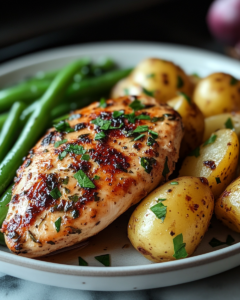
BBQ baked chicken brings together smoky sauce, tender meat, and steady oven heat for a satisfying dish that fits weeknight dinners and relaxed gatherings. The chicken slowly absorbs a rich barbecue coating while baking, forming a sticky glaze on the surface and a juicy interior that stays moist when handled correctly.
This recipe focuses on oven baking instead of grilling, making it accessible in any kitchen. The result is balanced flavor with caramelized edges and soft, pull-apart texture inside each piece. It works well with classic sides like roasted vegetables, mashed potatoes, or simple slaw.
BBQ baked chicken is also flexible. You can adjust sweetness, smokiness, or spice level depending on the sauce and seasoning you choose. Bone-in pieces hold moisture especially well, while boneless cuts cook faster and still carry plenty of flavor from the barbecue coating.
The method below keeps things steady and practical, guiding you through preparation, baking temperature, and timing so the chicken cooks evenly without drying out. Each step builds flavor while keeping the process straightforward from start to finish.
Ingredients Overview

Chicken is the foundation of BBQ baked chicken, and the cut you choose affects texture and cooking time. Bone-in, skin-on thighs or drumsticks are ideal because they stay moist during baking and develop a richer surface when coated with barbecue sauce. Chicken breasts can also be used, though they require closer attention to avoid dryness.
Barbecue sauce brings sweetness, smokiness, and tang. Store-bought versions work well, especially those with tomato, molasses, and vinegar bases. Homemade sauce can be used if you prefer adjusting sweetness or spice. A thicker sauce clings better during baking, forming a glossy coating that sets as it heats.
Seasonings such as paprika, garlic powder, onion powder, salt, and black pepper build a base layer of flavor before the sauce is added. Olive oil helps the seasoning stick and supports even browning on the surface of the chicken.
A small amount of brown sugar can deepen caramel notes in the sauce, while apple cider vinegar or lemon juice adds balance by cutting through sweetness. These elements work together to create a layered taste profile that feels rich but not heavy.
If you need substitutions, honey can replace brown sugar, and smoked paprika can replace liquid smoke or enhance store-bought barbecue sauce. Low-sugar sauces work well for a lighter version, though the glaze may be slightly less sticky.
Ingredients
2 1/2 pounds chicken thighs or drumsticks
1 teaspoon salt
1/2 teaspoon black pepper
1 teaspoon paprika
1 teaspoon garlic powder
1 teaspoon onion powder
2 tablespoons olive oil
1 1/2 cups barbecue sauce
2 tablespoons brown sugar
1 tablespoon apple cider vinegar
1/2 teaspoon chili powder (optional)
Step-by-Step Instructions

Start by heating the oven to 400°F. A steady temperature helps the chicken cook evenly while allowing the surface to develop color. Line a baking dish or sheet pan with foil or parchment for easier cleanup and to prevent sticking during baking.
Pat the chicken dry with paper towels. Removing surface moisture helps the seasoning stick better and supports browning. Place the chicken in a large bowl and drizzle with olive oil. Sprinkle salt, pepper, paprika, garlic powder, and onion powder over the pieces. Toss until each piece is coated evenly.
Arrange the seasoned chicken in a single layer in the baking dish. Leave a small gap between pieces so heat can circulate around them. Bake for 25 minutes without sauce first. This step allows the chicken to start cooking through while building a light crust on the outside.
While the chicken bakes, mix barbecue sauce, brown sugar, apple cider vinegar, and chili powder in a bowl. Stir until smooth and fully blended. The mixture should be thick enough to cling to a spoon but still easy to brush or pour.
After the initial bake, remove the chicken from the oven. Brush a generous layer of sauce over each piece. Turn the chicken carefully and coat the other side as well. Return the dish to the oven and bake for another 20 to 25 minutes.
During this second phase, the sauce begins to thicken and form a sticky coating. If you prefer deeper caramelization, brush another light layer of sauce during the last 10 minutes of baking. Watch for edges turning slightly darker and juices running clear from the thickest part of the meat.
Check doneness by inserting a thermometer into the center of a piece. The internal temperature should reach 165°F for safe eating. If needed, continue baking in short intervals until fully cooked.
Once finished, let the chicken rest for 5 to 10 minutes before serving. This resting time allows juices to settle inside the meat, keeping each bite tender and moist.
Tips, Variations & Substitutions
For stronger smoky depth, choose a barbecue sauce with hickory or mesquite notes. Adding a small pinch of smoked paprika to the seasoning mix can also reinforce that flavor without overpowering the dish.
If you prefer a spicier version, increase chili powder or add a small amount of cayenne pepper to the sauce mixture. For a milder profile, stick with a sweet-style barbecue sauce and skip extra heat ingredients.
Boneless chicken can replace bone-in cuts, but reduce baking time by about 10 to 15 minutes. Keep an eye on texture since boneless pieces cook faster and can dry out if left too long in the oven.
For a lighter approach, remove chicken skin before seasoning. The sauce will still cling well, though the final texture will be less rich. You can also reduce brown sugar or choose a reduced-sugar sauce for a lighter glaze.
Serving Ideas & Occasions
BBQ baked chicken pairs well with roasted potatoes, corn on the cob, or a crisp cabbage slaw. These sides balance the richness of the sauce and add texture contrast to the meal.
It also works well with simple rice or baked beans for a more filling plate. A drizzle of extra warmed barbecue sauce at serving time can add extra moisture and flavor.
This dish fits casual dinners, family meals, and outdoor-style gatherings. It can be prepared ahead and reheated in the oven while maintaining much of its original texture. The flavor holds well even after resting, making it practical for shared meals.
Nutritional & Health Notes
BBQ baked chicken provides a solid source of protein, which supports muscle maintenance and steady energy. Chicken thighs contain slightly more fat than breasts, contributing to richer flavor and softer texture.
Barbecue sauce adds sugar and sodium, so portion size can influence overall balance. Choosing a lower-sugar sauce or adjusting sweetness in homemade versions can shift the nutritional profile.
Olive oil contributes healthy fats that support cooking and browning. When paired with vegetables or whole grains, BBQ baked chicken fits into a balanced plate without feeling overly heavy.
FAQs
Can I use boneless chicken instead of bone-in pieces?
Boneless chicken works well for BBQ baked chicken and reduces cooking time. It absorbs barbecue sauce quickly and still develops a flavorful coating. Because boneless cuts cook faster, they need closer attention in the oven to avoid drying out. Check doneness earlier than bone-in pieces, usually around 30 to 35 minutes total baking time. Keeping the sauce layers moderate also helps maintain moisture in the final result.
What type of barbecue sauce works best?
Thick barbecue sauce with a tomato base usually works best for BBQ baked chicken. It clings to the surface and forms a sticky coating during baking. Smoky or slightly sweet versions create balanced flavor. If the sauce is too thin, it may slide off the chicken during cooking, so choosing a thicker consistency helps achieve better coverage and texture on the finished dish.
Can I prepare BBQ baked chicken ahead of time?
Yes, BBQ baked chicken can be prepared ahead by seasoning the chicken and storing it in the refrigerator for several hours before baking. This helps the seasoning settle into the meat. You can also mix the sauce in advance and keep it chilled. When ready to cook, bring the chicken closer to room temperature before placing it in the oven for even cooking.
How do I keep the chicken from drying out?
Keeping BBQ baked chicken moist depends on temperature control and timing. Baking at a steady heat and adding sauce in layers helps lock in moisture. Avoid overbaking, and check internal temperature around the final stages of cooking. Resting the chicken after baking also helps redistribute juices, keeping the meat tender when cut.
Can I add vegetables to the baking pan?
Yes, vegetables like carrots, potatoes, or bell peppers can be added to the pan. Cut them into similar sizes so they cook evenly alongside the chicken. They will absorb some of the barbecue flavor during baking, creating a cohesive dish. Place firmer vegetables closer to the pan edges where heat is slightly stronger.
Is it possible to grill instead of baking?
Grilling is an alternative method, but baking keeps the process more consistent and controlled. If grilling, cook chicken over medium heat and apply barbecue sauce during the final stages to prevent burning. Baking is often preferred for even cooking and steady glaze development.
Why does the sauce sometimes burn in the oven?
Barbecue sauce can burn if applied too early or if the oven temperature is too high. Sugar in the sauce caramelizes quickly, so layering it later in the cooking process helps prevent burning. Keeping a moderate oven temperature and applying sauce in stages leads to a smoother glaze.