Best Glazed Salmon Recipe Ever 5 Simple Delicious Recipe

Posted on

Uncategorized

Difficulty

Prep time

Cooking time

Total time

Servings

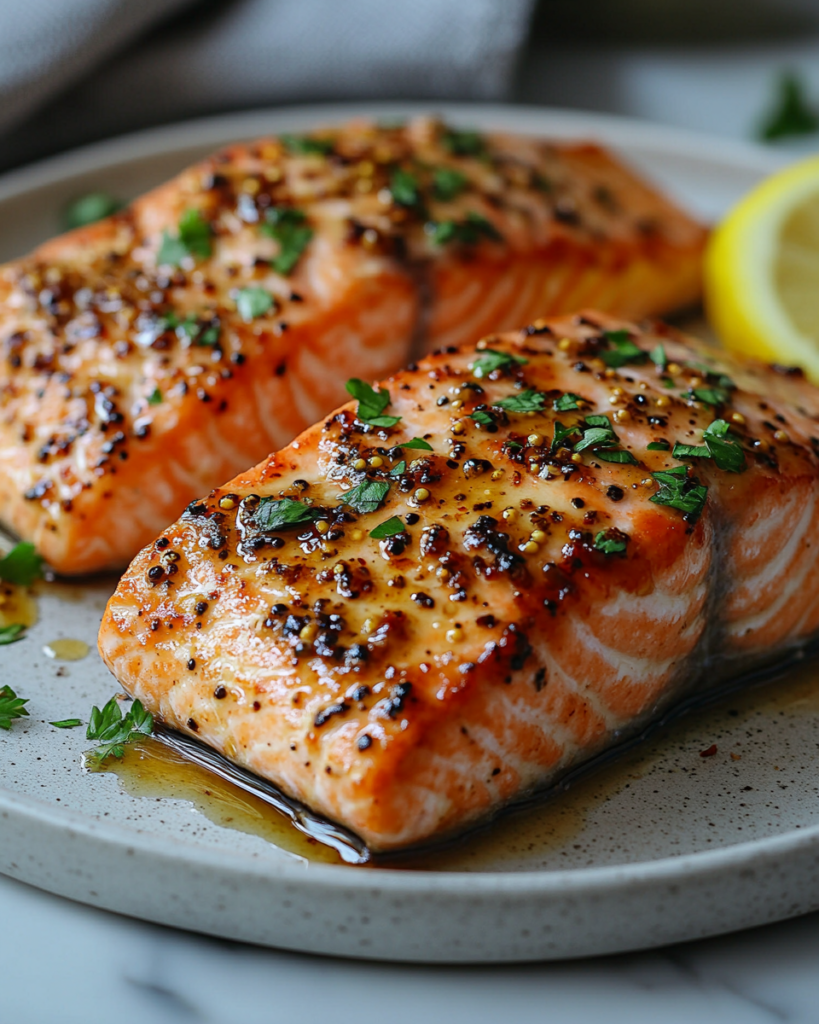
Glazed salmon prepared in an oven brings together tender fish with a glossy, flavorful coating that caramelizes gently during baking. This dish focuses on a balance of savory, slightly sweet, and lightly tangy notes, forming a rich surface that clings to each fillet while keeping the interior soft and moist.

Salmon works well with glaze-based cooking because its natural oils support even cooking and help carry flavor through each bite. A combination of pantry ingredients forms the glaze, which thickens slightly under heat and forms a smooth coating during roasting.

The preparation remains straightforward, relying on a brief stovetop reduction for the glaze followed by oven baking. This method allows the fish to retain structure while absorbing layered seasoning.

Ingredients Overview
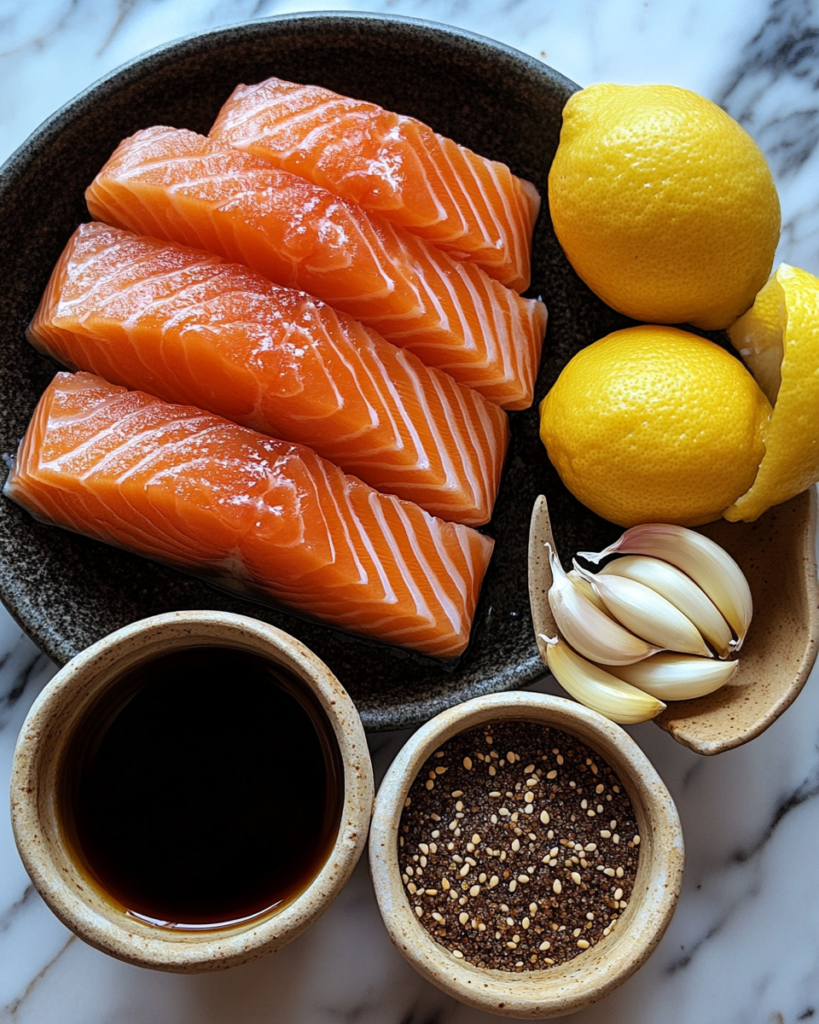
Salmon fillets form the foundation of this dish. Skin-on portions are often preferred because the skin helps protect the flesh during baking and holds moisture inside the fillet. Center-cut pieces cook evenly and maintain a consistent texture throughout.

The glaze is built from a combination of soy sauce, honey, garlic, and ginger. Soy sauce introduces saltiness and depth, while honey contributes gentle sweetness that helps the glaze caramelize. Garlic adds aromatic intensity, and ginger provides a light warmth that balances the overall profile.

A small amount of lemon juice or rice vinegar adds brightness and prevents the glaze from becoming overly heavy. Sesame oil is sometimes included in small quantities to add a subtle nutty aroma.

Olive oil is used to prepare the baking tray and lightly coat the salmon surface, helping prevent sticking and supporting even browning. Black pepper adds mild heat without overpowering the glaze.

These ingredients work together to form a coating that thickens during baking and clings to the salmon, creating a smooth and slightly sticky finish with balanced savory-sweet notes.

Ingredients

4 salmon fillets (about 6 ounces each)
1/3 cup soy sauce
1/4 cup honey
2 garlic cloves, minced
1 teaspoon fresh ginger, grated
1 tablespoon lemon juice
1 tablespoon olive oil
1/2 teaspoon black pepper
1 teaspoon sesame oil (optional)
1 teaspoon cornstarch mixed with 2 teaspoons water (slurry)
1 tablespoon chopped green onions (for garnish)
1 teaspoon sesame seeds (for garnish)

Step-by-Step Instructions
Begin by heating the oven to 400°F. Line a baking tray with parchment paper and lightly brush it with olive oil. Place salmon fillets on the tray with the skin side facing downward.

In a small saucepan over medium heat, combine soy sauce, honey, garlic, ginger, and lemon juice. Stir gently while the mixture warms. Once it begins to simmer, allow it to cook for a few minutes so the flavors combine.

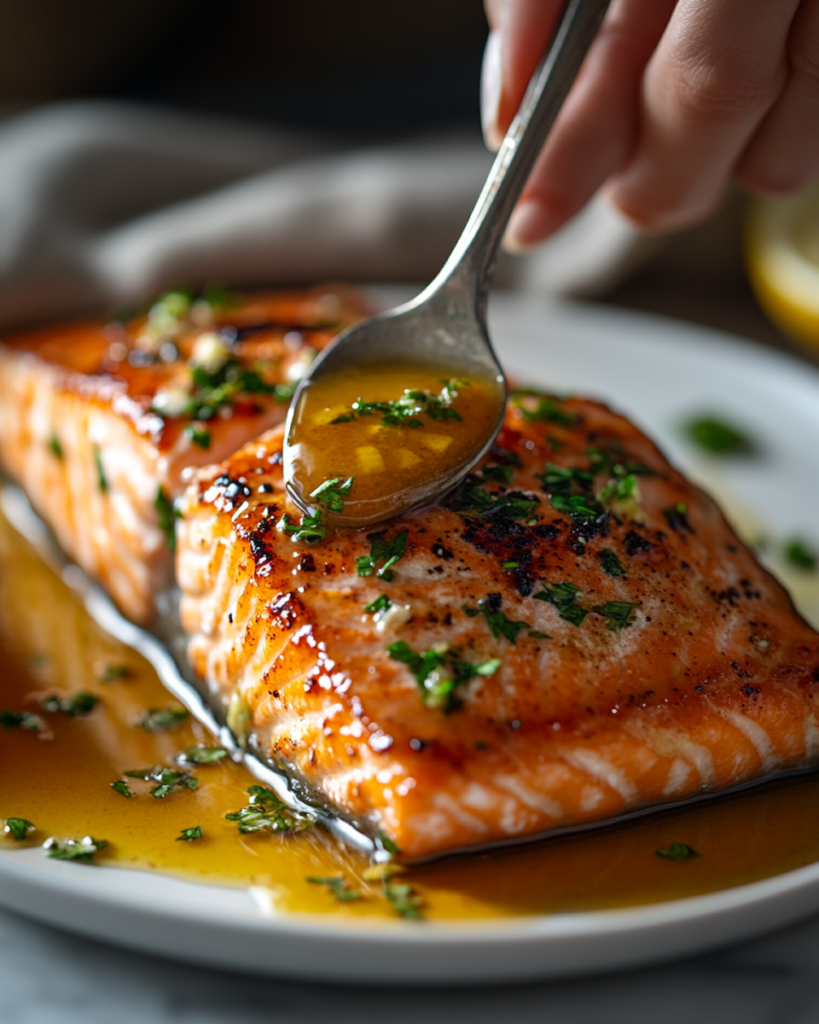
Add the cornstarch slurry to the saucepan and stir continuously until the mixture thickens slightly. The texture should become glossy and smooth, able to coat the back of a spoon. Remove from heat and stir in sesame oil if included.

Brush a portion of the glaze over each salmon fillet, coating the surface evenly. Reserve some glaze for finishing after baking.

Place the tray in the oven and bake for approximately 12 to 15 minutes, depending on thickness. The salmon is ready when it flakes easily with a fork and the internal color turns opaque while remaining moist.

During the final two minutes of baking, brush a second layer of glaze over the fillets to build a richer surface coating.

Remove the tray from the oven and allow the salmon to rest briefly. This resting period helps the glaze settle and keeps the fillets intact during serving.

Finish with sesame seeds and chopped green onions sprinkled across the top for added texture and mild aroma.

Tips, Variations & Substitutions

Thickness of salmon fillets affects baking duration. Thinner cuts require less time, while thicker portions may need a few additional minutes. Monitoring texture rather than relying solely on time produces consistent results.

Maple syrup can replace honey for a slightly deeper sweetness profile. Tamari can replace soy sauce for a gluten-free variation without changing the overall structure of the glaze.

A small amount of chili flakes can be added to introduce mild heat. This works especially well when balanced with the sweetness of the glaze.

For a citrus-forward version, orange juice or lime juice can replace part of the lemon juice. This adjustment creates a brighter finish.

Fillets can also be cooked in an air fryer at a slightly lower temperature, reducing cooking time while still forming a caramelized surface.

Serving Ideas & Occasions

Glazed salmon pairs well with steamed rice, roasted vegetables, or light grain-based sides such as quinoa. These accompaniments absorb extra glaze and balance the richness of the fish.

For vegetable pairings, broccoli, asparagus, or green beans work well due to their mild flavor and firm texture. These vegetables complement the soft texture of salmon without overpowering it.

This dish suits both weekday meals and more structured dining occasions due to its balanced flavor profile and straightforward preparation process.

A light salad with citrus dressing also pairs well, offering contrast to the savory glaze.

Nutritional & Health Notes

Salmon provides a rich source of protein and naturally occurring omega-3 fatty acids. These fats contribute to a tender texture and support balanced nutrition.

The glaze introduces moderate sweetness and sodium, which can be adjusted by controlling honey and soy sauce quantities. Garlic and ginger add flavor without increasing calorie content significantly.

Olive oil contributes mild healthy fats, while lemon juice provides acidity that lightens the overall profile of the dish. Sesame seeds add small amounts of minerals and texture.

This dish combines protein, healthy fats, and moderate carbohydrates when served with grains or vegetables, creating a balanced meal structure.

FAQs

What type of salmon works for glazing?

Center-cut fillets with skin attached work well for glazing because they hold shape during baking. Atlantic or sockeye salmon can be used, depending on availability. Fillets with even thickness cook more uniformly, reducing risk of dryness in thinner sections. Skin helps maintain moisture and supports the structure during handling.

Can frozen salmon be used?

Frozen salmon can be used after full thawing in a refrigerator. Removing excess moisture before cooking helps the glaze adhere properly. Patting the surface dry improves texture and allows the coating to settle more effectively during baking.

What can replace honey in the glaze?

Maple syrup or brown sugar can replace honey while maintaining sweetness and helping caramelization. Each alternative slightly changes the flavor profile but still supports the formation of a glossy coating during baking.

How can overcooking be avoided?

Monitoring texture is more reliable than strict timing. Salmon is ready when it flakes easily and the center appears opaque. Removing the fish slightly before full doneness allows residual heat to complete the cooking process without drying the surface.

Can this dish be prepared ahead of serving?

The glaze can be prepared in advance and stored separately. Salmon should be cooked close to serving time for best texture. Reheating cooked salmon gently at low temperature helps preserve moisture without altering structure.

What sides pair well with glazed salmon?

Rice, roasted vegetables, or quinoa pair well with glazed salmon. These sides absorb extra glaze and provide a neutral base that balances the rich flavor of the fish.

Can the glaze be made thicker or thinner?

Yes, adjusting cornstarch quantity controls thickness. A slightly larger amount creates a thicker coating, while reducing it results in a lighter glaze. Heating time also affects final consistency, with longer simmering producing a denser texture.

[rank_math_breadcrumb]

Best Glazed Salmon Recipe Ever 5 Simple Delicious Recipe

Photo of author
Author: Sophia
Published:

Glazed salmon prepared in an oven brings together tender fish with a glossy, flavorful coating that caramelizes gently during baking. This dish focuses on a balance of savory, slightly sweet, and lightly tangy notes, forming a rich surface that clings to each fillet while keeping the interior soft and moist.

Salmon works well with glaze-based cooking because its natural oils support even cooking and help carry flavor through each bite. A combination of pantry ingredients forms the glaze, which thickens slightly under heat and forms a smooth coating during roasting.

The preparation remains straightforward, relying on a brief stovetop reduction for the glaze followed by oven baking. This method allows the fish to retain structure while absorbing layered seasoning.

Ingredients Overview

Salmon fillets form the foundation of this dish. Skin-on portions are often preferred because the skin helps protect the flesh during baking and holds moisture inside the fillet. Center-cut pieces cook evenly and maintain a consistent texture throughout.

The glaze is built from a combination of soy sauce, honey, garlic, and ginger. Soy sauce introduces saltiness and depth, while honey contributes gentle sweetness that helps the glaze caramelize. Garlic adds aromatic intensity, and ginger provides a light warmth that balances the overall profile.

A small amount of lemon juice or rice vinegar adds brightness and prevents the glaze from becoming overly heavy. Sesame oil is sometimes included in small quantities to add a subtle nutty aroma.

Olive oil is used to prepare the baking tray and lightly coat the salmon surface, helping prevent sticking and supporting even browning. Black pepper adds mild heat without overpowering the glaze.

These ingredients work together to form a coating that thickens during baking and clings to the salmon, creating a smooth and slightly sticky finish with balanced savory-sweet notes.

Ingredients

4 salmon fillets (about 6 ounces each)
1/3 cup soy sauce
1/4 cup honey
2 garlic cloves, minced
1 teaspoon fresh ginger, grated
1 tablespoon lemon juice
1 tablespoon olive oil
1/2 teaspoon black pepper
1 teaspoon sesame oil (optional)
1 teaspoon cornstarch mixed with 2 teaspoons water (slurry)
1 tablespoon chopped green onions (for garnish)
1 teaspoon sesame seeds (for garnish)

Step-by-Step Instructions

Begin by heating the oven to 400°F. Line a baking tray with parchment paper and lightly brush it with olive oil. Place salmon fillets on the tray with the skin side facing downward.

In a small saucepan over medium heat, combine soy sauce, honey, garlic, ginger, and lemon juice. Stir gently while the mixture warms. Once it begins to simmer, allow it to cook for a few minutes so the flavors combine.

Add the cornstarch slurry to the saucepan and stir continuously until the mixture thickens slightly. The texture should become glossy and smooth, able to coat the back of a spoon. Remove from heat and stir in sesame oil if included.

Brush a portion of the glaze over each salmon fillet, coating the surface evenly. Reserve some glaze for finishing after baking.

Place the tray in the oven and bake for approximately 12 to 15 minutes, depending on thickness. The salmon is ready when it flakes easily with a fork and the internal color turns opaque while remaining moist.

During the final two minutes of baking, brush a second layer of glaze over the fillets to build a richer surface coating.

Remove the tray from the oven and allow the salmon to rest briefly. This resting period helps the glaze settle and keeps the fillets intact during serving.

Finish with sesame seeds and chopped green onions sprinkled across the top for added texture and mild aroma.

Tips, Variations & Substitutions

Thickness of salmon fillets affects baking duration. Thinner cuts require less time, while thicker portions may need a few additional minutes. Monitoring texture rather than relying solely on time produces consistent results.

Maple syrup can replace honey for a slightly deeper sweetness profile. Tamari can replace soy sauce for a gluten-free variation without changing the overall structure of the glaze.

A small amount of chili flakes can be added to introduce mild heat. This works especially well when balanced with the sweetness of the glaze.

For a citrus-forward version, orange juice or lime juice can replace part of the lemon juice. This adjustment creates a brighter finish.

Fillets can also be cooked in an air fryer at a slightly lower temperature, reducing cooking time while still forming a caramelized surface.

Serving Ideas & Occasions

Glazed salmon pairs well with steamed rice, roasted vegetables, or light grain-based sides such as quinoa. These accompaniments absorb extra glaze and balance the richness of the fish.

For vegetable pairings, broccoli, asparagus, or green beans work well due to their mild flavor and firm texture. These vegetables complement the soft texture of salmon without overpowering it.

This dish suits both weekday meals and more structured dining occasions due to its balanced flavor profile and straightforward preparation process.

A light salad with citrus dressing also pairs well, offering contrast to the savory glaze.

Nutritional & Health Notes

Salmon provides a rich source of protein and naturally occurring omega-3 fatty acids. These fats contribute to a tender texture and support balanced nutrition.

The glaze introduces moderate sweetness and sodium, which can be adjusted by controlling honey and soy sauce quantities. Garlic and ginger add flavor without increasing calorie content significantly.

Olive oil contributes mild healthy fats, while lemon juice provides acidity that lightens the overall profile of the dish. Sesame seeds add small amounts of minerals and texture.

This dish combines protein, healthy fats, and moderate carbohydrates when served with grains or vegetables, creating a balanced meal structure.

FAQs

What type of salmon works for glazing?

Center-cut fillets with skin attached work well for glazing because they hold shape during baking. Atlantic or sockeye salmon can be used, depending on availability. Fillets with even thickness cook more uniformly, reducing risk of dryness in thinner sections. Skin helps maintain moisture and supports the structure during handling.

Can frozen salmon be used?

Frozen salmon can be used after full thawing in a refrigerator. Removing excess moisture before cooking helps the glaze adhere properly. Patting the surface dry improves texture and allows the coating to settle more effectively during baking.

What can replace honey in the glaze?

Maple syrup or brown sugar can replace honey while maintaining sweetness and helping caramelization. Each alternative slightly changes the flavor profile but still supports the formation of a glossy coating during baking.

How can overcooking be avoided?

Monitoring texture is more reliable than strict timing. Salmon is ready when it flakes easily and the center appears opaque. Removing the fish slightly before full doneness allows residual heat to complete the cooking process without drying the surface.

Can this dish be prepared ahead of serving?

The glaze can be prepared in advance and stored separately. Salmon should be cooked close to serving time for best texture. Reheating cooked salmon gently at low temperature helps preserve moisture without altering structure.

What sides pair well with glazed salmon?

Rice, roasted vegetables, or quinoa pair well with glazed salmon. These sides absorb extra glaze and provide a neutral base that balances the rich flavor of the fish.

Can the glaze be made thicker or thinner?

Yes, adjusting cornstarch quantity controls thickness. A slightly larger amount creates a thicker coating, while reducing it results in a lighter glaze. Heating time also affects final consistency, with longer simmering producing a denser texture.
Name

Lorem ipsum dolor sit amet, consectetur adipiscing elit. Suspendisse varius enim in eros elementum tristique. Duis cursus, mi quis viverra ornare, eros dolor interdum nulla, ut commodo diam libero vitae erat.

You Might Also Like...

Simple Chicken Breast Dinner Recipes 5 Easy Delicious Meals

Simple Chicken Breast Dinner Recipes 5 Easy Delicious Meals

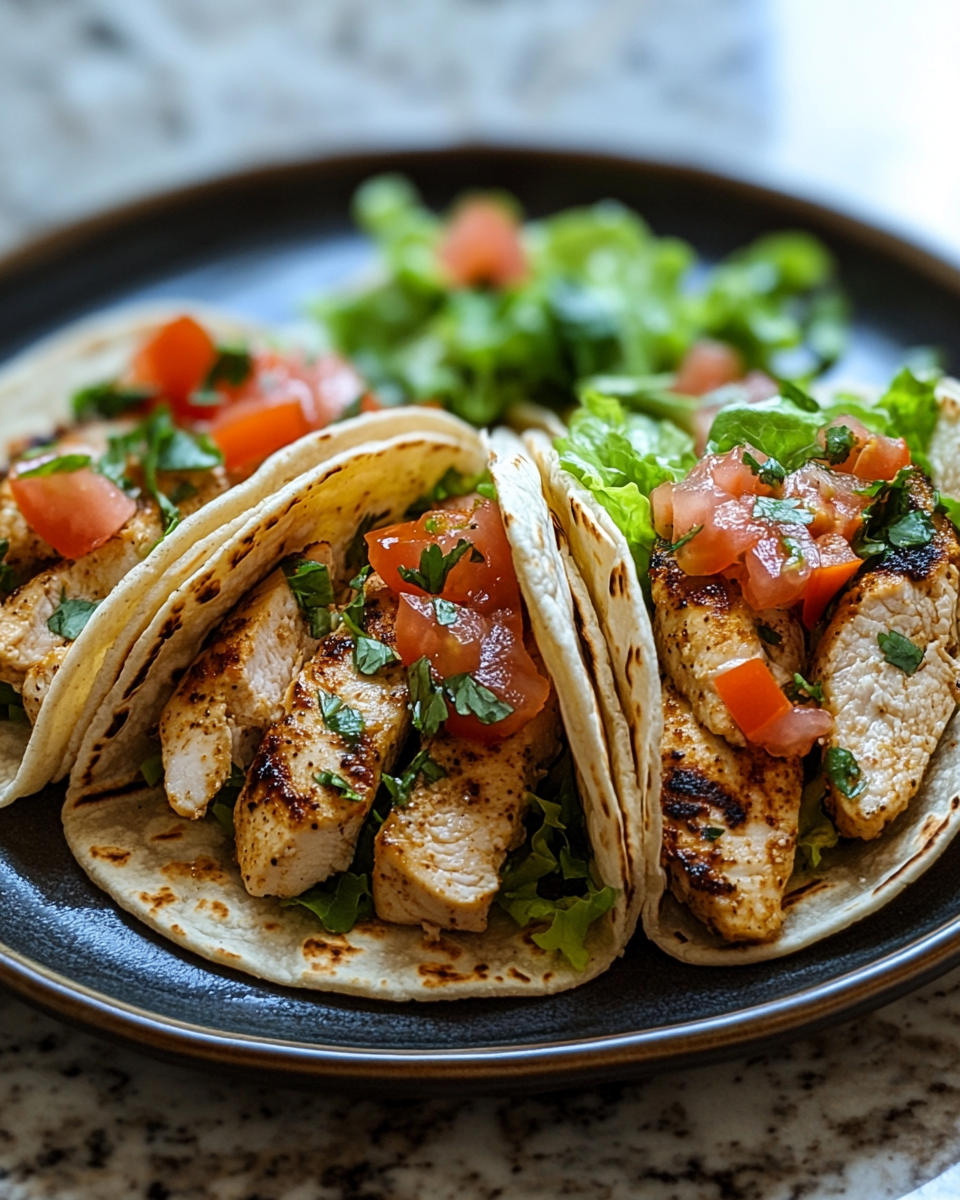
Healthy Chicken Breast Tacos Meal 7 Quick Fresh Delightful

Healthy Chicken Breast Tacos Meal 7 Quick Fresh Delightful

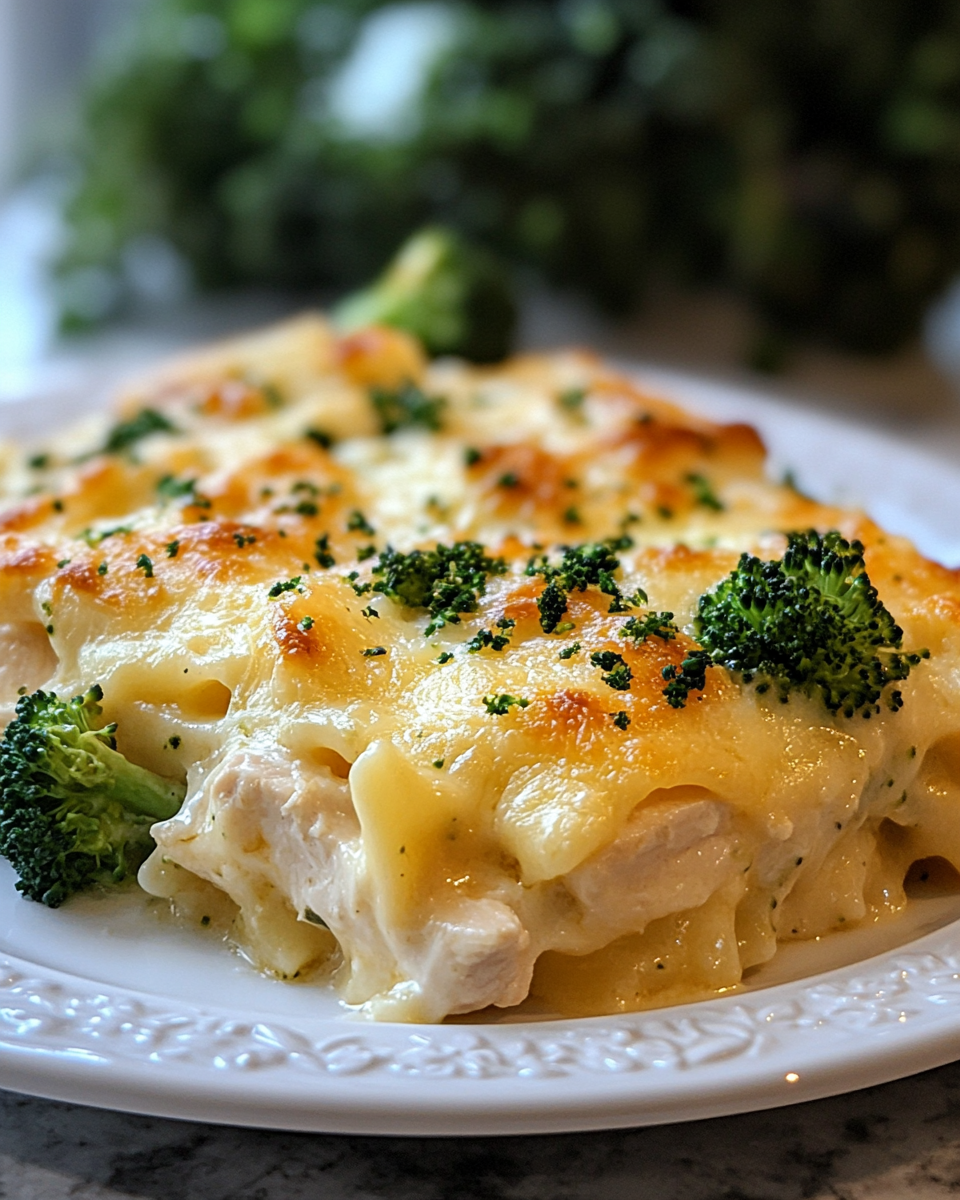
Cheesy Chicken Breast Casserole Recipe 5 Ultimate Surprising

Cheesy Chicken Breast Casserole Recipe 5 Ultimate Surprising

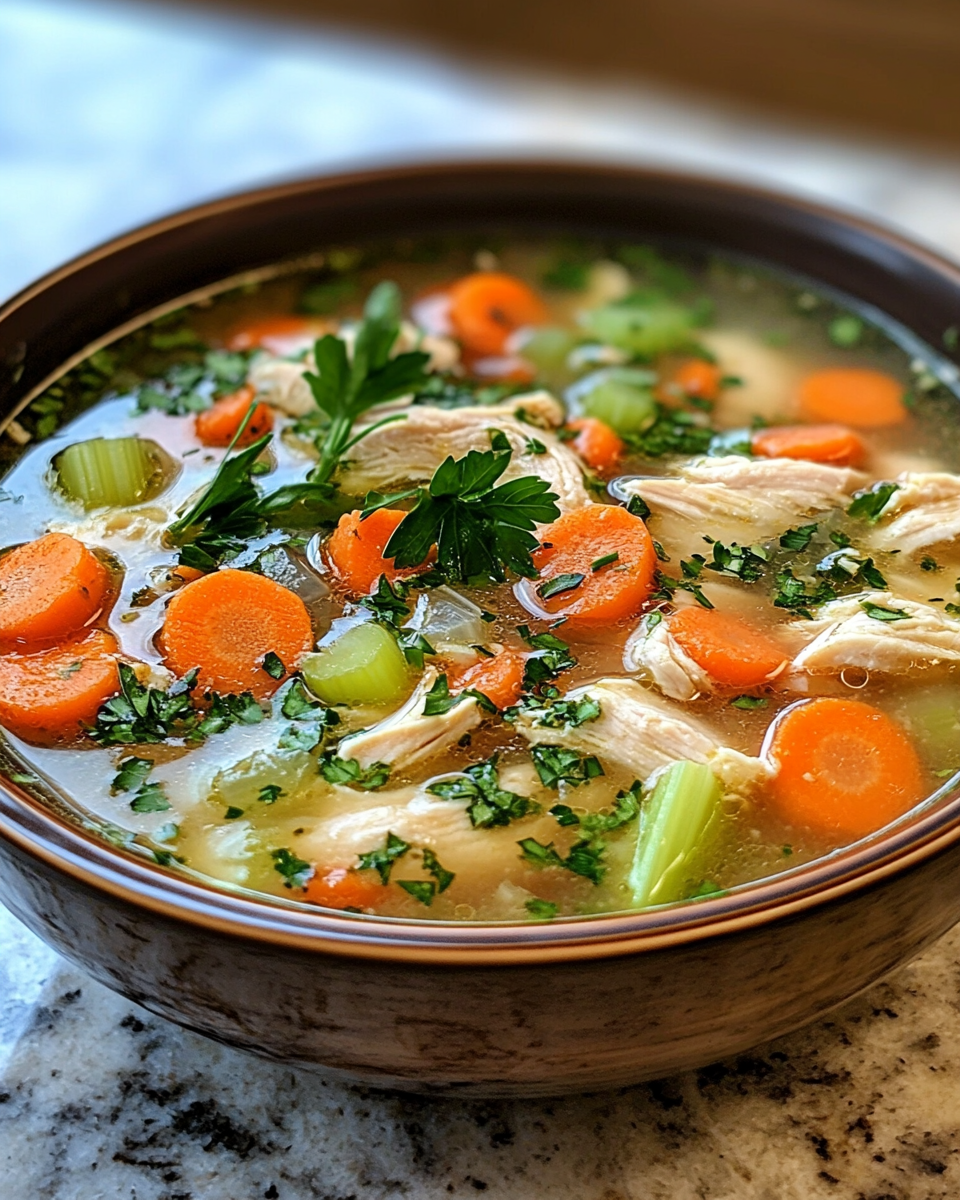
Easy Chicken Breast Soup Recipe 7 Simple Cozy Comforting Bowls

Easy Chicken Breast Soup Recipe 7 Simple Cozy Comforting Bowls

Tags:

You might also like these recipes

Leave a Comment