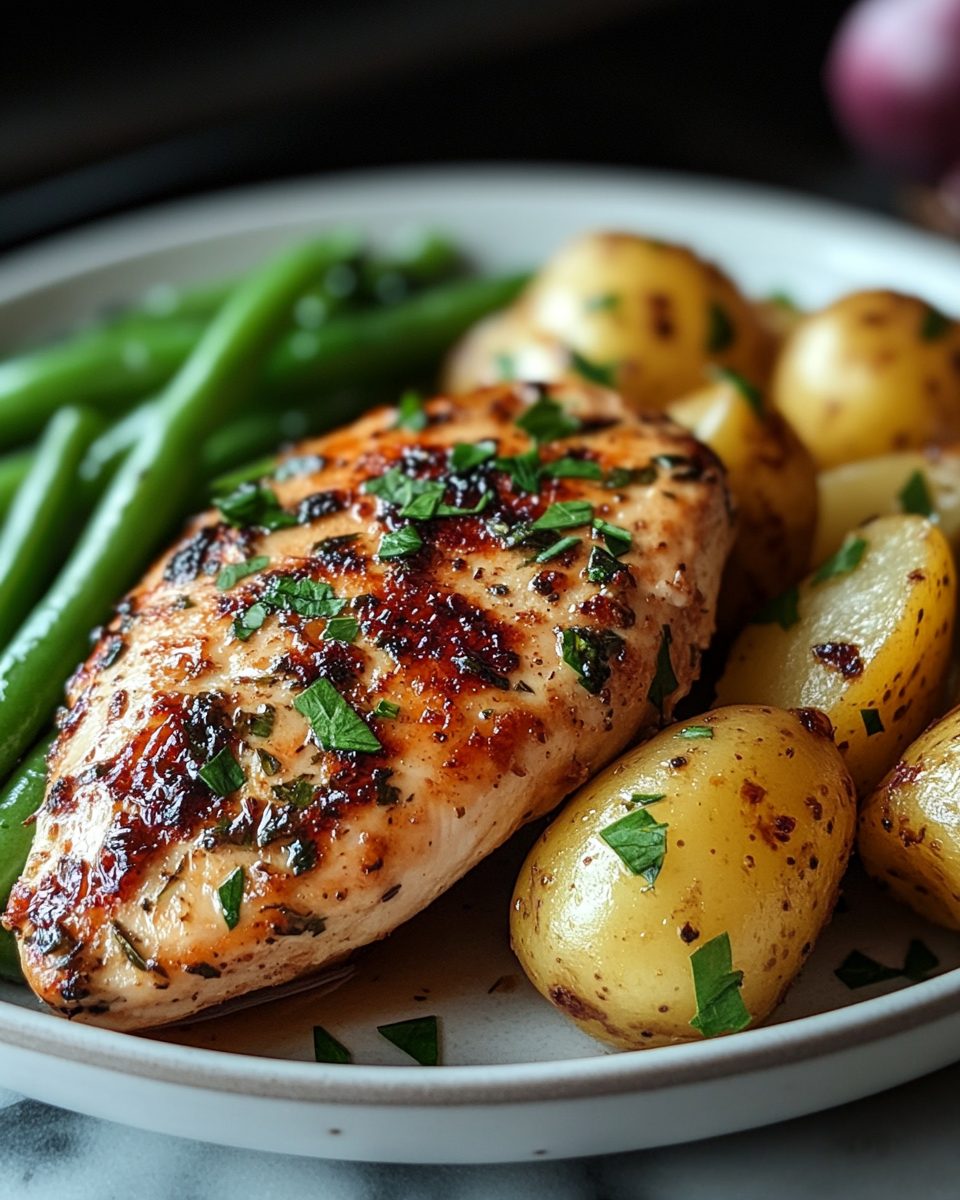
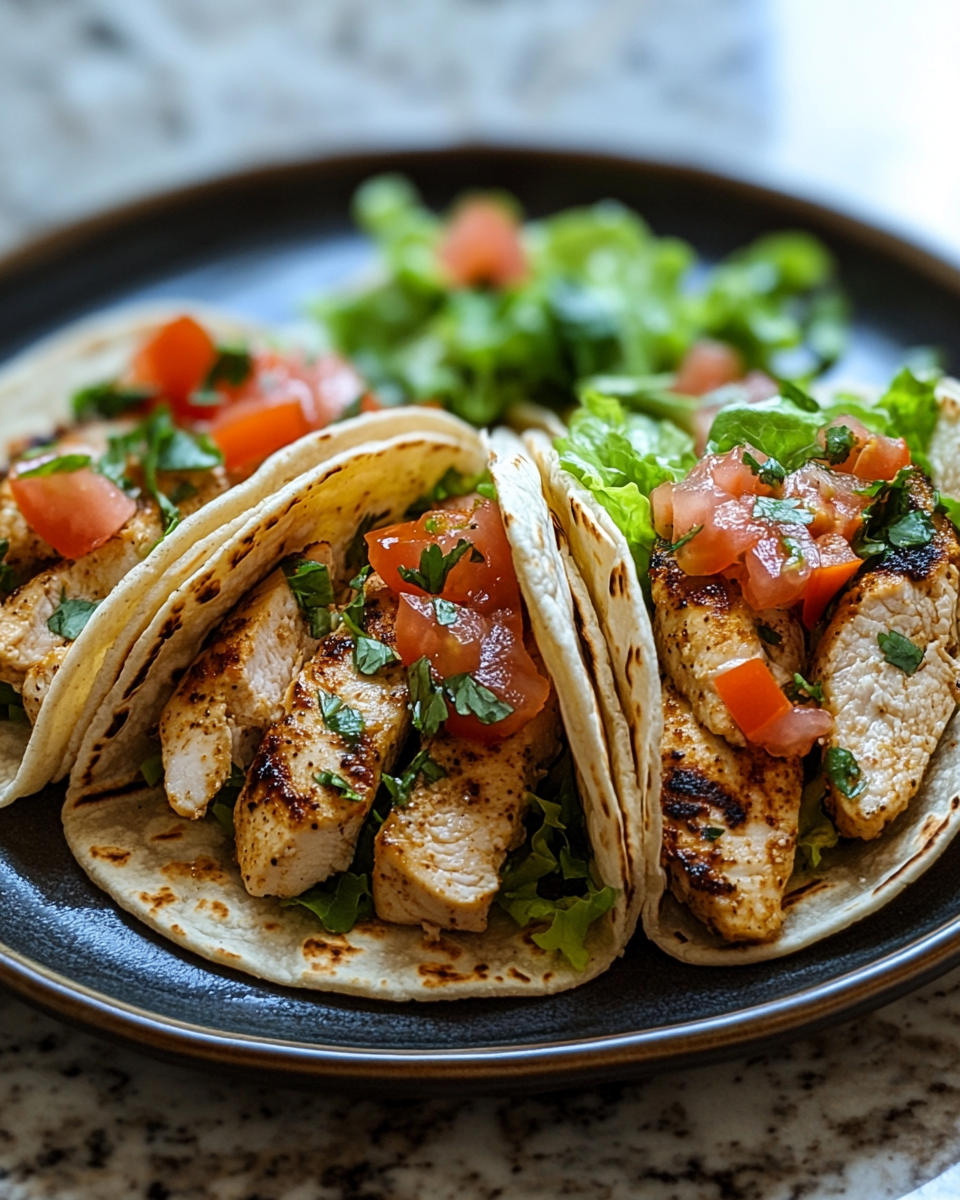
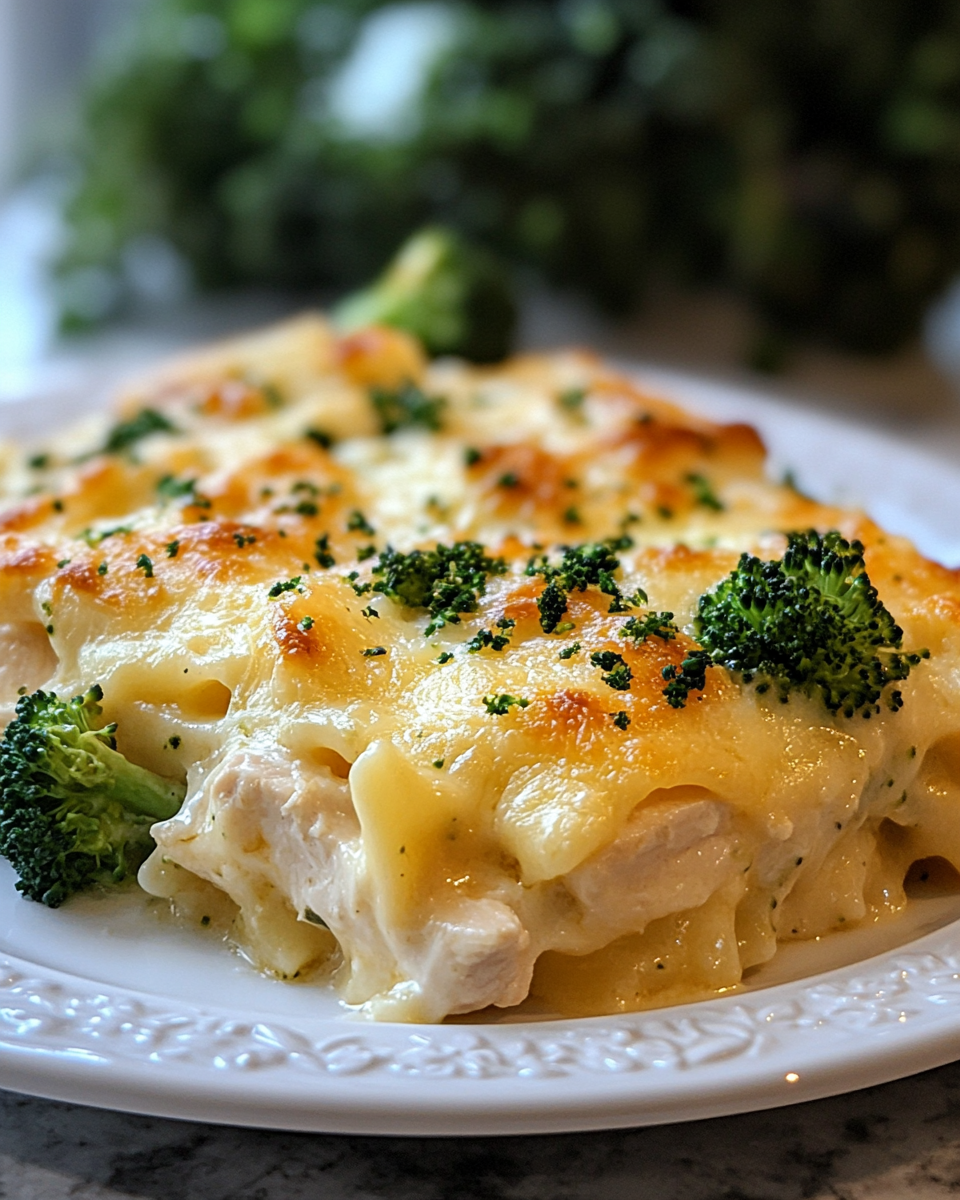
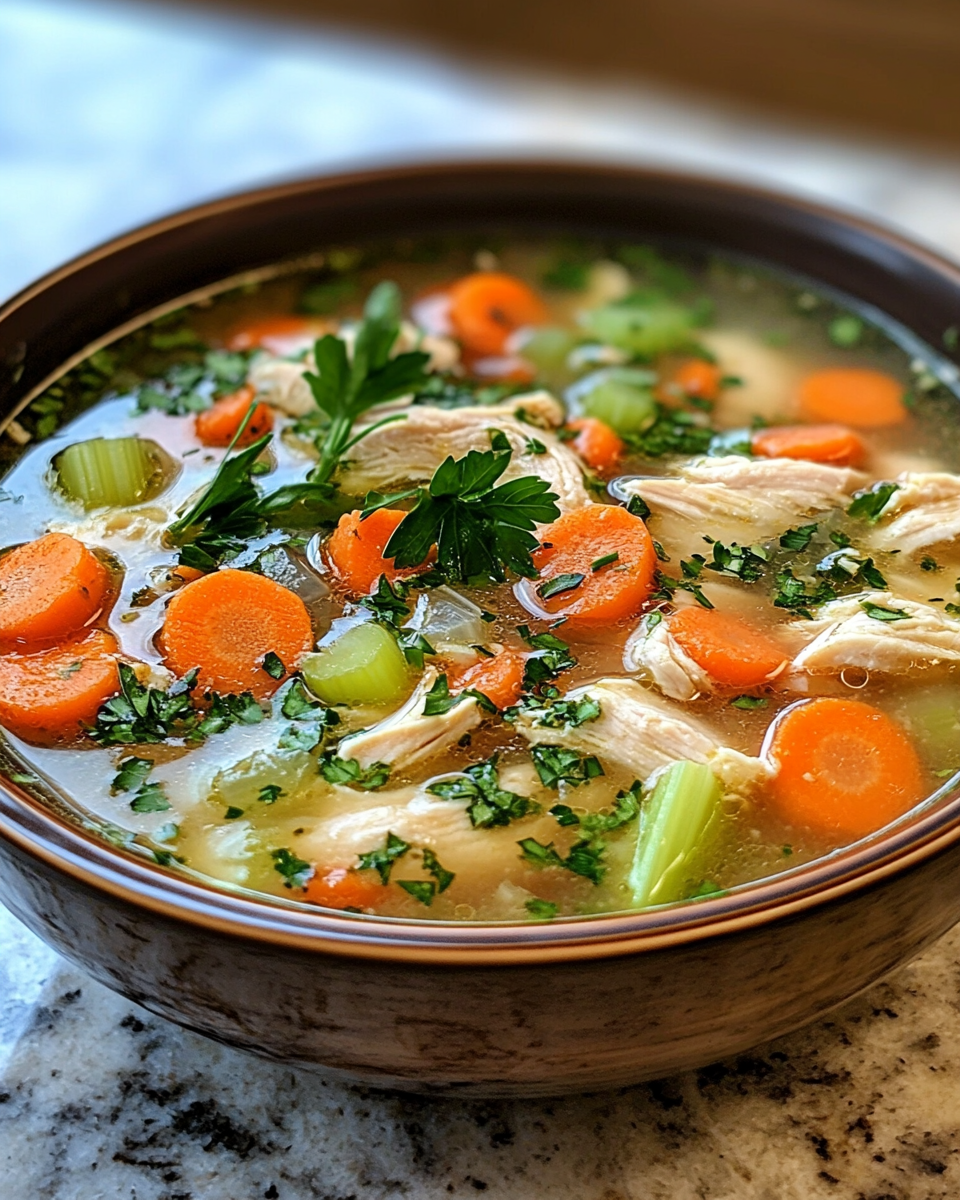
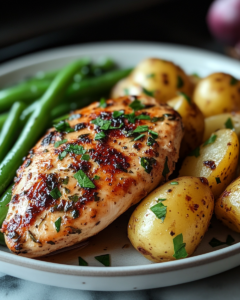
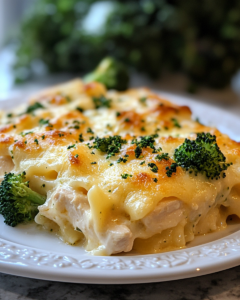
Chicken Alfredo pasta is a comforting classic known for its rich, creamy sauce and tender pieces of chicken layered over perfectly cooked pasta. This dish brings together simple ingredients in a way that feels both satisfying and balanced, making it a favorite for weeknight meals and special occasions alike.
The combination of butter, cream, and Parmesan cheese creates a smooth sauce that clings beautifully to every strand of pasta. Juicy chicken adds protein and texture, while garlic and seasoning round out the flavor. With the right technique, Chicken Alfredo pasta turns out silky and flavorful without feeling overly heavy.
Ingredients Overview

The beauty of Chicken Alfredo pasta lies in its straightforward ingredient list, where each component plays a key role in building flavor and texture. Boneless, skinless chicken breasts are commonly used because they cook quickly and stay tender when handled properly. They absorb seasoning well and pair seamlessly with the creamy sauce.
The Alfredo sauce itself is built on a base of butter, heavy cream, and freshly grated Parmesan cheese. Butter adds richness, while cream provides the signature smooth consistency. Parmesan contributes a slightly nutty, salty depth that defines the dish. Fresh garlic is essential for adding aroma and a subtle savory note that balances the creaminess.
Pasta is equally important. Fettuccine is the traditional choice because its wide, flat shape holds the sauce well, but other options like linguine or penne can also work. Salted pasta water helps season the entire dish from the inside out.
Seasonings such as salt, black pepper, and a touch of Italian herbs enhance the overall taste without overpowering the sauce. Olive oil is used to cook the chicken, creating a light golden crust that adds texture.
For substitutions, half-and-half can replace heavy cream for a lighter version, though the sauce may be slightly thinner. Pre-cooked rotisserie chicken can be used for convenience, and gluten-free pasta works well for those with dietary needs. Fresh parsley adds a final touch of brightness and color.
Ingredients
1 pound boneless, skinless chicken breasts
12 ounces fettuccine pasta
2 tablespoons olive oil
3 tablespoons unsalted butter
3 cloves garlic, minced
1 1/2 cups heavy cream
1 cup freshly grated Parmesan cheese
1/2 teaspoon salt
1/2 teaspoon black pepper
1/4 teaspoon Italian seasoning
1/4 cup pasta cooking water (reserved)
2 tablespoons chopped fresh parsley
Step-by-Step Instructions

Begin by bringing a large pot of salted water to a boil. Add the fettuccine and cook according to package instructions until al dente. Before draining, reserve about a quarter cup of the pasta cooking water, which will later help adjust the sauce consistency.
While the pasta cooks, prepare the chicken. Pat the chicken breasts dry and season both sides with salt and black pepper. Heat olive oil in a large skillet over medium heat. Place the chicken in the pan and cook for about 5 to 7 minutes per side, depending on thickness, until the internal temperature reaches 165°F and the outside is lightly golden.
Remove the cooked chicken from the skillet and let it rest for a few minutes. This step keeps the juices inside the meat. Once rested, slice the chicken into thin strips.
In the same skillet, melt the butter over medium heat. Add the minced garlic and cook for about 30 seconds until fragrant, being careful not to let it brown. Pour in the heavy cream and bring it to a gentle simmer. Stir continuously to keep the mixture smooth.
Gradually add the grated Parmesan cheese while stirring. The cheese should melt into the sauce, creating a creamy consistency. If the sauce becomes too thick, add a small amount of the reserved pasta water to loosen it.
Season the sauce with salt, pepper, and Italian seasoning. Add the cooked pasta directly into the skillet and toss to coat evenly. The sauce should cling to the pasta without pooling at the bottom.
Finally, add the sliced chicken on top and gently mix it into the pasta. Sprinkle fresh parsley over the dish for a fresh finish.
Avoid overheating the sauce after adding the cheese, as high heat can cause it to separate. Keeping the temperature moderate and stirring consistently helps maintain a smooth texture.
Tips, Variations & Substitutions
For the best texture, always grate Parmesan cheese fresh rather than using pre-packaged varieties. Fresh cheese melts more smoothly and gives the sauce a better consistency.
If you prefer a lighter version, substitute half-and-half for heavy cream. The sauce will still be creamy but slightly less rich. Another option is to use grilled chicken for a smoky flavor that adds variety to the dish.
Vegetables can be added to bring more color and nutrition. Broccoli, spinach, or mushrooms pair especially well with the Alfredo sauce. Cook them separately and mix them in at the end to keep their texture intact.
For a different protein, shrimp works beautifully in place of chicken. Cook the shrimp quickly in the skillet before preparing the sauce, then set aside and return it at the end.
Gluten-free pasta can be used without changing the rest of the recipe. Just monitor cooking time carefully, as some varieties cook faster than traditional pasta.
A small squeeze of lemon juice added at the end can brighten the flavors without overpowering the dish. This works particularly well if the sauce feels too heavy.
Serving Ideas & Occasions
Chicken Alfredo pasta is a versatile dish that fits both casual and more formal settings. It works well as a main course for family dinners, where its creamy texture and familiar flavors appeal to a wide range of tastes.
Serve it alongside a crisp green salad with a light vinaigrette to balance the richness of the sauce. Garlic bread or a warm baguette is a classic side that complements the dish and helps soak up any extra sauce.
For drinks, a chilled glass of white wine such as Chardonnay pairs nicely with the creamy profile. Sparkling water with a slice of lemon is also a refreshing option.
This dish is often prepared for gatherings, date nights at home, or weekend meals when there is time to enjoy a comforting plate of pasta. Its presentation can be made more appealing with a sprinkle of parsley and extra Parmesan on top.
Nutritional & Health Notes
Chicken Alfredo pasta offers a balance of protein, carbohydrates, and fats. The chicken provides a solid source of protein, which helps make the meal filling and satisfying. Pasta contributes carbohydrates that supply energy.
The sauce, made with cream and butter, is higher in fat, which gives the dish its rich texture. While this adds flavor, portion control can help keep the meal balanced. Using a lighter cream alternative or reducing the amount of butter can lower the fat content slightly.
Adding vegetables such as broccoli or spinach increases fiber and nutrients without significantly changing the flavor. This makes the dish more balanced while maintaining its creamy character.
Fresh ingredients, especially garlic and parsley, add natural flavor without relying heavily on salt. Adjusting seasoning carefully helps keep sodium levels in check while still delivering a satisfying taste.
FAQs
Can I use milk instead of heavy cream?
Milk can be used, but it will produce a thinner sauce that lacks the richness of traditional Alfredo. To improve the texture, you can add a small amount of flour or cornstarch to help thicken it. Another option is to combine milk with a bit of butter to mimic the richness of cream. The flavor will still be pleasant, but the final dish may feel lighter and less creamy than the classic version.
How do I prevent the sauce from separating?
The key is to control the heat and add the cheese gradually. High temperatures can cause the fat and liquid to separate, resulting in a grainy texture. Keep the heat at medium or lower when adding the Parmesan, and stir continuously. Using freshly grated cheese also helps, as it melts more evenly into the sauce without clumping.
Can I make Chicken Alfredo pasta ahead of time?
It can be prepared ahead, but it is best enjoyed fresh. If making it in advance, store the pasta and sauce separately when possible. Reheat gently over low heat and add a splash of milk or cream to bring back the creamy consistency. Stir frequently to avoid the sauce breaking during reheating.
What pasta works best for Alfredo?
Fettuccine is the traditional choice because its wide shape holds the sauce well. However, other pasta types like linguine, penne, or even spaghetti can be used. The key is choosing a pasta that allows the sauce to cling evenly, creating a balanced bite with every forkful.
Can I freeze Chicken Alfredo pasta?
Freezing is possible, but the texture of the sauce may change after thawing. Cream-based sauces can become grainy when frozen and reheated. If you plan to freeze it, store it in an airtight container and reheat slowly while stirring. Adding a bit of fresh cream during reheating can help restore some of the original texture.
How do I make the dish less heavy?
To make a lighter version, use half-and-half instead of heavy cream and reduce the amount of butter. Adding vegetables like spinach or broccoli also helps balance the richness. Another option is to use smaller portions of sauce while increasing the amount of pasta and chicken for a more balanced dish.
Can I use pre-cooked chicken?
Yes, pre-cooked chicken such as rotisserie chicken works well and saves time. Simply shred or slice it and add it to the sauce near the end of cooking. This method is convenient and still produces a flavorful dish, especially when the chicken is well-seasoned.