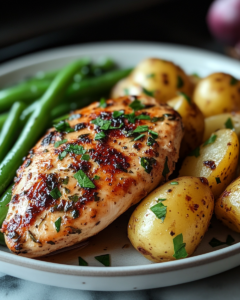
Chicken veggie stir skillet is a fast, satisfying dish that brings together tender chicken and crisp vegetables in one flavorful pan. It’s a reliable option for busy evenings when you want something warm, colorful, and balanced without spending hours in the kitchen.
This recipe focuses on simple ingredients and straightforward cooking techniques. Everything cooks in one skillet, allowing the flavors to blend while keeping cleanup minimal. The combination of juicy chicken, fresh vegetables, and a savory sauce creates a meal that feels hearty but not heavy.
Whether served on its own or paired with rice or noodles, chicken veggie stir skillet is a flexible dish that adapts easily to what you have on hand. It’s a dependable go-to for weeknight dinners and casual gatherings alike.
Ingredients Overview

The success of a chicken veggie stir skillet comes down to using fresh, well-prepared ingredients that cook evenly and complement each other. Boneless, skinless chicken breast or thighs provide the protein base. Chicken breast cooks quickly and stays lean, while thighs offer slightly richer flavor and remain juicy even with longer cooking.
Vegetables bring texture, color, and natural sweetness. Bell peppers add brightness and a mild crunch, while broccoli contributes a slightly firm bite that holds up well in high heat. Carrots add subtle sweetness, and snap peas or green beans provide a fresh, crisp element.
A simple stir sauce ties everything together. Soy sauce delivers saltiness and depth, while garlic and ginger add warmth and aroma. A small amount of honey or brown sugar balances the savory notes. Cornstarch is often used to lightly thicken the sauce so it coats the chicken and vegetables evenly.
Oil is essential for high-heat cooking. Neutral oils like vegetable or canola oil work well because they don’t overpower the dish. Sesame oil can be added at the end for a subtle nutty finish.
Substitutions are easy to make. You can swap chicken for shrimp or tofu, or use whatever vegetables are in season. Tamari or coconut aminos can replace soy sauce for a gluten-free option, and maple syrup can stand in for honey if preferred.
Ingredients
1 pound boneless skinless chicken breast, sliced thin
2 tablespoons vegetable oil
1 red bell pepper, sliced
1 yellow bell pepper, sliced
1 cup broccoli florets
1 cup snap peas
1 medium carrot, thinly sliced
3 cloves garlic, minced
1 tablespoon fresh ginger, grated
1/4 cup soy sauce
2 tablespoons honey
1 tablespoon cornstarch
1/2 cup chicken broth
1 teaspoon sesame oil
1/4 teaspoon black pepper
Cooked rice or noodles, for serving
Step-by-Step Instructions

Start by preparing all your ingredients before heating the pan. Slice the chicken into thin, even pieces so it cooks quickly and stays tender. Cut vegetables into similar sizes to promote even cooking.
In a small bowl, whisk together soy sauce, honey, chicken broth, and cornstarch. This mixture will become the sauce that coats the stir skillet. Set it aside within reach.
Heat a large skillet or wok over medium-high heat. Add one tablespoon of oil and let it warm until it shimmers. Place the chicken in a single layer and cook for about 4 to 5 minutes, stirring occasionally. The pieces should turn golden on the outside and be cooked through. Remove the chicken from the skillet and set aside.
Add the remaining tablespoon of oil to the same skillet. Toss in the garlic and ginger, stirring constantly for about 30 seconds until fragrant. Be careful not to let them burn, as this can affect the flavor.
Add the vegetables, starting with the ones that take longer to cook like carrots and broccoli. Stir-fry for 3 to 4 minutes, then add the bell peppers and snap peas. Continue cooking for another 2 to 3 minutes until the vegetables are tender but still slightly crisp.
Return the cooked chicken to the skillet. Give the sauce mixture a quick stir, then pour it into the pan. Stir everything together as the sauce begins to thicken, which should take about 2 minutes.
Once the sauce coats the chicken and vegetables evenly, drizzle in the sesame oil and sprinkle with black pepper. Remove from heat promptly to prevent overcooking.
Avoid overcrowding the pan, as this can cause the ingredients to steam instead of sear. Cooking in batches, if needed, helps maintain the right texture.
Tips, Variations & Substitutions
For the best texture, always cook over medium-high heat and keep the ingredients moving in the pan. This helps achieve a light sear while preserving the natural crunch of the vegetables.
If you prefer a spicier version, add red pepper flakes or a small amount of chili paste to the sauce. For a deeper savory note, a splash of oyster sauce can be included.
Chicken thighs can replace chicken breast for a richer taste. If using tofu, press it well before cooking to remove excess moisture and allow it to brown properly.
Vegetable choices are flexible. Zucchini, mushrooms, or baby corn can easily fit into this dish. Just be mindful of cooking times so everything finishes at the right moment.
For a lower-sodium option, use reduced-sodium soy sauce and adjust seasoning to taste. If you want a thicker sauce, add a bit more cornstarch mixed with water toward the end of cooking.
Serving Ideas & Occasions
Chicken veggie stir skillet pairs well with steamed white rice, brown rice, or noodles. The sauce soaks into the grains, making each bite flavorful and satisfying.
For a lighter option, serve it over cauliflower rice or alongside a simple green salad. It also works well as a filling for lettuce wraps, adding a fresh and crisp contrast.
This dish is ideal for weeknight dinners because it comes together quickly and uses common ingredients. It’s also a strong choice for meal prep, as it reheats well and maintains its texture.
For casual gatherings, it can be served family-style in a large skillet, allowing everyone to help themselves.
Nutritional & Health Notes
Chicken veggie stir skillet offers a balanced mix of protein, vegetables, and moderate carbohydrates when paired with rice or noodles. The chicken provides lean protein that supports muscle maintenance and satiety.
The variety of vegetables adds fiber, vitamins, and minerals. Bell peppers are rich in vitamin C, while broccoli contributes fiber and antioxidants. Using a range of vegetables increases the overall nutritional value of the dish.
The sauce contains sodium from soy sauce, so adjusting the quantity or using a reduced-sodium version can help manage intake. Cooking with minimal oil keeps the dish lighter while still delivering satisfying flavor.
Portion control and pairing with whole grains can further support a balanced meal.
FAQs
Can I make chicken veggie stir skillet ahead of time?
Yes, this dish can be prepared ahead and stored in an airtight container in the refrigerator for up to three days. When reheating, use a skillet over medium heat rather than a microwave if possible. This helps maintain the texture of the vegetables and prevents them from becoming too soft. You may need to add a small splash of water or broth to loosen the sauce as it reheats.
What is the best cut of chicken to use?
Both chicken breast and chicken thighs work well in this recipe. Chicken breast is lean and cooks quickly, making it a popular choice. Chicken thighs, on the other hand, are slightly more forgiving and remain juicy even if cooked a bit longer. The choice depends on your preference for texture and richness.
How do I keep the vegetables crisp?
To keep vegetables crisp, cook them over medium-high heat and avoid overcrowding the pan. Stir frequently but not constantly, allowing some contact with the hot surface for light browning. Adding vegetables in stages also helps, as firmer ones like carrots need more time than softer ones like peppers.
Can I freeze this stir skillet?
Freezing is possible, but the texture of the vegetables may change slightly after thawing. For best results, store the chicken and sauce separately from the vegetables if planning to freeze. When reheating, cook fresh vegetables and combine them with the thawed chicken mixture for better texture.
What can I use instead of soy sauce?
If you need an alternative to soy sauce, tamari is a suitable gluten-free option with a similar flavor. Coconut aminos offer a slightly sweeter and less salty taste. You can adjust the sweetness and saltiness by modifying the amount of honey or adding a pinch of salt if needed.
How do I thicken the sauce properly?
Cornstarch is the key to thickening the sauce. Always mix it with liquid before adding it to the pan to prevent lumps. Once added, allow the sauce to simmer for a minute or two while stirring. It will thicken as it heats, creating a glossy coating over the ingredients.
Can I make this dish vegetarian?
Yes, you can replace the chicken with tofu, tempeh, or even chickpeas. For tofu, press it well and cook until golden before adding the vegetables. Use vegetable broth instead of chicken broth, and the rest of the recipe can remain the same for a flavorful vegetarian version.