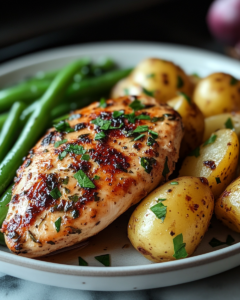
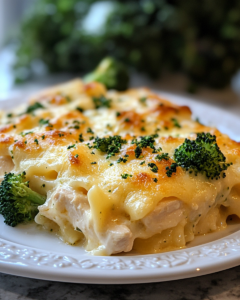
Creamy Chicken Spaghetti with Bell Peppers brings a rich pasta dish built on tender chicken strips, smooth sauce, and crisp bell peppers folded into long spaghetti strands. The dish centers on a balanced blend of dairy, aromatics, and mild spices, forming a warm, satisfying skillet meal.
Long pasta holds the sauce in a silky coating while chicken provides savory depth. Bell peppers contribute mild sweetness and gentle crunch, creating contrast within each bite. The sauce relies on a dairy base thickened with gentle heat, clinging to every strand without heaviness.
This preparation fits well for family-style serving, casual gatherings, or weeknight meals where a single pan delivers a complete dish. The texture remains creamy without becoming overly thick, while vegetables maintain structure through careful timing.
Ingredients Overview

Chicken forms the protein foundation, delivering a savory base that absorbs surrounding flavors from the sauce and seasoning. Boneless cuts slice easily into strips that cook quickly and remain tender when exposed to moderate heat.
Spaghetti serves as the structural element, carrying sauce evenly across each strand. Proper boiling creates a firm bite that supports the creamy mixture without breaking apart during tossing.
Bell peppers introduce color and mild sweetness. Red and yellow varieties provide softer flavor notes, while green peppers bring a slightly sharper profile. Slicing them into thin strips allows even cooking while preserving slight crunch.
Dairy components, such as cream and a small portion of milk, create the smooth texture of the sauce. When combined with gentle heat, they thicken naturally and coat the pasta evenly.
Garlic and onion form the aromatic base. Garlic provides depth, while onion contributes subtle sweetness after soft cooking. Butter or oil helps carry these aromatics across the pan surface, forming a flavor foundation for the entire dish.
Seasonings such as salt, black pepper, and mild paprika support balance without overpowering the creamy base. A light broth may be added to loosen the sauce slightly while maintaining richness.
Ingredients
12 ounces spaghetti
1 pound boneless chicken breast, sliced into strips
2 tablespoons olive oil
1 tablespoon butter
1 medium onion, thinly sliced
3 cloves garlic, minced
1 red bell pepper, sliced
1 yellow bell pepper, sliced
1 green bell pepper, sliced
1 cup chicken broth
1 cup heavy cream
1/2 cup milk
1 teaspoon salt
1/2 teaspoon black pepper
1/2 teaspoon paprika
1/2 teaspoon dried oregano
1/2 cup grated Parmesan cheese
Step-by-Step Instructions

Bring a large pot of salted water to a boil. Add spaghetti and cook until firm with slight resistance when bitten. Drain pasta and set aside while retaining a small portion of cooking liquid for later adjustment of sauce consistency.
Heat olive oil in a wide skillet over medium temperature. Add chicken strips in a single layer. Cook until surfaces turn lightly golden and internal color becomes pale and firm. Remove chicken from skillet and place aside.
Add butter to the same skillet. Once melted, introduce sliced onion. Stir slowly until onion softens and becomes translucent. Add garlic and continue stirring briefly until aroma rises from the pan.
Place bell pepper strips into the skillet. Stir gently so peppers soften slightly while maintaining structure. Cooking should allow edges to become tender without losing firmness.
Return chicken to the skillet. Mix with vegetables so flavors combine evenly. Sprinkle salt, black pepper, paprika, and oregano across the mixture. Stir to distribute seasoning throughout.
Pour chicken broth into the skillet. Allow mixture to simmer lightly so flavors merge and liquid reduces slightly. Stir occasionally to prevent sticking at the base of the pan.
Lower temperature slightly and add heavy cream and milk. Stir continuously so liquid blends into a smooth sauce. Allow mixture to thicken gradually while maintaining gentle movement across the skillet.
Add cooked spaghetti into the sauce. Toss slowly using tongs so strands become evenly coated. Add grated Parmesan and continue mixing until cheese melts into the sauce.
If sauce thickens beyond preference, add reserved pasta water in small amounts. Continue tossing until desired consistency forms, allowing sauce to cling evenly to pasta and chicken.
Allow dish to rest briefly before serving so sauce settles into spaghetti strands and flavor balance stabilizes.
Tips, Variations & Substitutions
Chicken thighs may replace breast meat for a richer texture and slightly higher fat content. Slice evenly to maintain consistent cooking across pieces.
Different pasta shapes such as linguine or fettuccine may substitute spaghetti, though strand-based pasta holds sauce most effectively.
Additional vegetables such as mushrooms or spinach may be added during the final cooking stage. Mushrooms should cook early with onions, while spinach wilts quickly after introduction.
Smoked paprika introduces deeper flavor tones, while mild chili flakes contribute gentle heat without overwhelming the creamy base.
Dairy adjustments may include half-and-half in place of cream for a lighter texture. Sauce thickness can be controlled using reserved pasta water.
Serving Ideas & Occasions
This pasta dish pairs well with lightly toasted bread or simple green salad dressed with olive oil and vinegar. These sides balance richness with freshness.
Serving fits casual dinners, shared meals, or relaxed gatherings where warm skillet dishes are preferred. The creamy texture holds well on the table for short periods without separation.
Beverage pairing often includes sparkling water with citrus or lightly brewed iced tea to complement the savory profile without overpowering it.
Nutritional & Health Notes
Chicken provides lean protein supporting muscle maintenance and satiety. Bell peppers contribute fiber and natural plant compounds, while dairy adds calcium and fat content.
Spaghetti supplies carbohydrates that provide sustained energy release. Portion control plays a key role in balancing calorie intake due to the creamy sauce base.
Adjusting cream quantity or selecting reduced-fat dairy lowers overall richness while maintaining flavor structure. Vegetable content may be increased for higher fiber density.
FAQs
Can different pasta types be used
Various pasta shapes may be used in place of spaghetti. Long pasta strands hold sauce most effectively, while shorter shapes such as penne provide a different texture experience. Cooking times may vary depending on pasta selection, so monitoring firmness during boiling remains important.
Can chicken be prepared ahead of cooking
Chicken may be sliced and stored in refrigeration prior to cooking. Keeping pieces uniform in size supports even cooking during skillet preparation. Bringing chicken closer to room temperature before heating supports consistent texture development across pieces.
Can dairy be replaced in the sauce
Dairy ingredients may be substituted with plant-based cream alternatives. Coconut-based or oat-based products create a different flavor profile while still forming a creamy consistency. Adjust seasoning levels to balance any flavor shifts introduced by substitutions.
How can sauce thickness be controlled
Sauce thickness may be adjusted by adding small amounts of reserved pasta cooking liquid. This liquid contains starch that blends into the sauce, allowing gradual thinning without breaking texture. Continuous stirring supports even distribution.
Can additional vegetables be included
Additional vegetables such as zucchini, mushrooms, or spinach may be incorporated. Firmer vegetables should be added earlier during cooking, while leafy greens should be introduced near completion so structure remains intact.
What causes sauce separation
High heat or rapid boiling may cause dairy-based sauces to separate. Maintaining gentle temperature control and continuous stirring supports smooth consistency. Gradual heating supports stable emulsification of cream and broth.
Can leftovers be stored
Leftovers may be stored in sealed containers under refrigeration. Reheating on low temperature with a small amount of added liquid restores creaminess. Stirring during reheating supports even texture distribution across pasta strands.