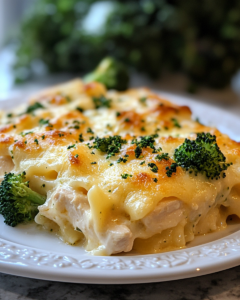
Creamy Garlic Parmesan Chicken Linguine 7 Amazing Happy

Posted on

Uncategorized

Difficulty

Prep time

Cooking time

Total time

Servings

Creamy Garlic Parmesan Chicken Linguine with Spinach is a comforting pasta dish that brings together tender chicken, silky linguine, and a rich garlic parmesan sauce. Each bite delivers a balance of creamy texture and savory depth, while fresh spinach adds a gentle contrast and a touch of color.

This dish works beautifully for both weeknight dinners and relaxed gatherings. The sauce clings to the pasta without feeling heavy, and the chicken stays juicy thanks to careful cooking. With simple ingredients and straightforward steps, it’s a recipe that feels special without being complicated.

Ingredients Overview

The success of Creamy Garlic Parmesan Chicken Linguine with Spinach depends on a few key ingredients working together in harmony. Chicken breast is a lean protein that cooks quickly and absorbs flavor well when seasoned properly. Slicing it evenly helps it cook at the same rate, preventing dryness.

Linguine is ideal for creamy sauces because its flat shape allows the sauce to coat every strand. You can substitute fettuccine or spaghetti if needed, though linguine provides the best balance of texture and sauce coverage.

Garlic is essential for building the base flavor. Fresh cloves deliver a deeper, more rounded taste compared to pre-minced versions. Parmesan cheese adds saltiness and richness while helping thicken the sauce naturally as it melts.

Heavy cream creates the signature creamy consistency. For a lighter option, half-and-half can be used, though the sauce will be slightly thinner. Spinach adds freshness and a mild earthiness that balances the richness of the dish. Fresh spinach works best, but frozen spinach can be used if well-drained.

Butter and olive oil work together to cook the chicken and develop flavor. Chicken broth adds depth while keeping the sauce from becoming overly thick. A touch of black pepper and salt rounds everything out without overpowering the dish.

Ingredients

2 boneless, skinless chicken breasts
8 ounces linguine pasta
2 tablespoons olive oil
2 tablespoons butter
4 cloves garlic, minced
1 cup heavy cream
1/2 cup chicken broth
3/4 cup grated Parmesan cheese
3 cups fresh spinach
1/2 teaspoon salt
1/2 teaspoon black pepper
1/4 teaspoon red pepper flakes (optional)
1 tablespoon chopped fresh parsley

Step-by-Step Instructions

Begin by bringing a large pot of salted water to a boil. Cook the linguine according to package instructions until al dente. Reserve about 1/2 cup of pasta water before draining, then set the pasta aside.

While the pasta cooks, slice the chicken breasts into thin strips. Season them evenly with salt and black pepper. Heat olive oil in a large skillet over medium heat. Add the chicken in a single layer and cook for 4–5 minutes per side until golden and fully cooked. Remove the chicken from the skillet and set it aside.

In the same skillet, reduce the heat slightly and add butter. Once melted, stir in the minced garlic and cook for about 30 seconds until fragrant. Avoid letting the garlic brown, as this can create a bitter taste.

Pour in the chicken broth and let it simmer for 2–3 minutes, scraping up any browned bits from the pan. This step builds flavor into the sauce. Add the heavy cream and stir well, allowing it to gently simmer for another 3–4 minutes until slightly thickened.

Gradually stir in the Parmesan cheese, letting it melt completely before adding more. This prevents clumping and creates a smooth sauce. If the sauce becomes too thick, add a splash of reserved pasta water to loosen it.

Add the spinach and cook until wilted, which should take about 1–2 minutes. Return the cooked chicken to the skillet and stir to coat it in the sauce.

Finally, add the cooked linguine and toss everything together until evenly coated. Let it cook for another minute so the pasta absorbs the sauce. Taste and adjust seasoning if needed. Sprinkle with parsley before serving.

Avoid overcooking the pasta or chicken, as both can become tough. Keeping the heat moderate ensures the sauce stays smooth and does not separate.

Tips, Variations & Substitutions

For the best texture, cook the pasta just until al dente. Overcooked pasta can become soft and won’t hold the sauce as well. Reserving pasta water is helpful for adjusting the consistency of the sauce without diluting flavor.

If you prefer a deeper flavor, add a small amount of grated Romano cheese along with Parmesan. For a hint of brightness, a squeeze of lemon juice at the end can balance the richness of the cream.

You can swap chicken breast for chicken thighs if you prefer a juicier cut. Shrimp also works well as an alternative protein and cooks quickly in the same sauce.

To make the dish lighter, use half-and-half instead of heavy cream, though the sauce will be less thick. For a gluten-free version, substitute gluten-free pasta.

Adding mushrooms or sun-dried tomatoes introduces additional layers of flavor without changing the core of the dish. Adjust seasoning carefully when making substitutions to maintain balance.

Serving Ideas & Occasions

Creamy Garlic Parmesan Chicken Linguine with Spinach pairs well with simple sides that complement its richness. A crisp green salad with a light vinaigrette provides contrast, while garlic bread or a warm baguette is perfect for soaking up the sauce.

This dish is well-suited for family dinners, casual entertaining, or even a quiet evening meal. It feels comforting without being overly heavy, making it a versatile option throughout the year.

For drinks, a chilled white wine such as Chardonnay or Sauvignon Blanc pairs nicely with the creamy sauce. Sparkling water with lemon is also a refreshing non-alcoholic option.

Nutritional & Health Notes

This dish offers a balance of protein, carbohydrates, and fats. The chicken provides a lean source of protein, while the pasta supplies energy through carbohydrates. The cream and cheese contribute richness and flavor but should be enjoyed in moderation as part of a balanced diet.

Spinach adds vitamins such as vitamin A and iron, bringing a nutritional boost to the meal. Using fresh ingredients helps maintain both flavor and nutritional value.

Portion control can help manage calorie intake, especially with creamy dishes. Adjusting the amount of cheese or cream allows flexibility depending on dietary preferences.

FAQs

Can I use a different type of pasta?

Yes, you can substitute linguine with other pasta shapes like fettuccine, spaghetti, or penne. Flat noodles tend to hold creamy sauces better, but any pasta you have on hand will work. Keep in mind that cooking times may vary slightly depending on the shape and thickness. Always cook until al dente for the best texture. If using a smaller pasta shape, the sauce may coat more heavily, so you might need to adjust the amount of liquid slightly to maintain balance.

How do I keep the sauce from becoming too thick?

The sauce can thicken quickly as it simmers and as the cheese is added. To control this, keep some reserved pasta water nearby and add it a little at a time until the desired consistency is reached. Cooking over medium or low heat also helps prevent rapid thickening. Stirring frequently keeps the sauce smooth. Avoid adding all the cheese at once, as gradual incorporation ensures a more stable texture.

Can I make this dish ahead of time?

This dish is best served fresh, but it can be prepared ahead with some adjustments. Cook the chicken and sauce separately, then store them in the refrigerator. When ready to serve, reheat gently and cook the pasta fresh for the best texture. If reheating the full dish, add a splash of milk or broth to loosen the sauce, as it tends to thicken when cooled. Gentle reheating prevents the sauce from separating.

Is frozen spinach a good substitute?

Frozen spinach can be used if fresh is not available. Be sure to thaw it completely and squeeze out excess moisture before adding it to the sauce. This prevents the sauce from becoming watery. While fresh spinach has a brighter texture and flavor, frozen spinach still works well in this dish and blends smoothly into the sauce.

What can I use instead of heavy cream?

Half-and-half or whole milk can be used as lighter alternatives, though the sauce will be less rich and slightly thinner. To help thicken it, you can simmer the sauce a bit longer or add a small amount of extra Parmesan cheese. Another option is to stir in a small amount of cream cheese for added body while reducing overall cream usage.

How do I know when the chicken is fully cooked?

Chicken is fully cooked when it reaches an internal temperature of 165°F and is no longer pink in the center. Visually, the juices should run clear, and the exterior should have a light golden color. Cutting the chicken into evenly sized strips helps it cook uniformly. Avoid overcooking, as this can make the meat dry and tough.

Can I add more vegetables to this recipe?

Yes, additional vegetables can be included without disrupting the dish. Mushrooms, cherry tomatoes, or steamed broccoli are all good options. Add them at appropriate times during cooking to maintain their texture. For example, mushrooms can be sautéed with the garlic, while tomatoes can be added toward the end. This allows flexibility while keeping the core flavors intact.

[rank_math_breadcrumb]

Creamy Garlic Parmesan Chicken Linguine 7 Amazing Happy

Photo of author
Author: Sophia
Published:

Creamy Garlic Parmesan Chicken Linguine with Spinach is a comforting pasta dish that brings together tender chicken, silky linguine, and a rich garlic parmesan sauce. Each bite delivers a balance of creamy texture and savory depth, while fresh spinach adds a gentle contrast and a touch of color.

This dish works beautifully for both weeknight dinners and relaxed gatherings. The sauce clings to the pasta without feeling heavy, and the chicken stays juicy thanks to careful cooking. With simple ingredients and straightforward steps, it’s a recipe that feels special without being complicated.

Ingredients Overview

The success of Creamy Garlic Parmesan Chicken Linguine with Spinach depends on a few key ingredients working together in harmony. Chicken breast is a lean protein that cooks quickly and absorbs flavor well when seasoned properly. Slicing it evenly helps it cook at the same rate, preventing dryness.

Linguine is ideal for creamy sauces because its flat shape allows the sauce to coat every strand. You can substitute fettuccine or spaghetti if needed, though linguine provides the best balance of texture and sauce coverage.

Garlic is essential for building the base flavor. Fresh cloves deliver a deeper, more rounded taste compared to pre-minced versions. Parmesan cheese adds saltiness and richness while helping thicken the sauce naturally as it melts.

Heavy cream creates the signature creamy consistency. For a lighter option, half-and-half can be used, though the sauce will be slightly thinner. Spinach adds freshness and a mild earthiness that balances the richness of the dish. Fresh spinach works best, but frozen spinach can be used if well-drained.

Butter and olive oil work together to cook the chicken and develop flavor. Chicken broth adds depth while keeping the sauce from becoming overly thick. A touch of black pepper and salt rounds everything out without overpowering the dish.

Ingredients

2 boneless, skinless chicken breasts
8 ounces linguine pasta
2 tablespoons olive oil
2 tablespoons butter
4 cloves garlic, minced
1 cup heavy cream
1/2 cup chicken broth
3/4 cup grated Parmesan cheese
3 cups fresh spinach
1/2 teaspoon salt
1/2 teaspoon black pepper
1/4 teaspoon red pepper flakes (optional)
1 tablespoon chopped fresh parsley

Step-by-Step Instructions

Begin by bringing a large pot of salted water to a boil. Cook the linguine according to package instructions until al dente. Reserve about 1/2 cup of pasta water before draining, then set the pasta aside.

While the pasta cooks, slice the chicken breasts into thin strips. Season them evenly with salt and black pepper. Heat olive oil in a large skillet over medium heat. Add the chicken in a single layer and cook for 4–5 minutes per side until golden and fully cooked. Remove the chicken from the skillet and set it aside.

In the same skillet, reduce the heat slightly and add butter. Once melted, stir in the minced garlic and cook for about 30 seconds until fragrant. Avoid letting the garlic brown, as this can create a bitter taste.

Pour in the chicken broth and let it simmer for 2–3 minutes, scraping up any browned bits from the pan. This step builds flavor into the sauce. Add the heavy cream and stir well, allowing it to gently simmer for another 3–4 minutes until slightly thickened.

Gradually stir in the Parmesan cheese, letting it melt completely before adding more. This prevents clumping and creates a smooth sauce. If the sauce becomes too thick, add a splash of reserved pasta water to loosen it.

Add the spinach and cook until wilted, which should take about 1–2 minutes. Return the cooked chicken to the skillet and stir to coat it in the sauce.

Finally, add the cooked linguine and toss everything together until evenly coated. Let it cook for another minute so the pasta absorbs the sauce. Taste and adjust seasoning if needed. Sprinkle with parsley before serving.

Avoid overcooking the pasta or chicken, as both can become tough. Keeping the heat moderate ensures the sauce stays smooth and does not separate.

Tips, Variations & Substitutions

For the best texture, cook the pasta just until al dente. Overcooked pasta can become soft and won’t hold the sauce as well. Reserving pasta water is helpful for adjusting the consistency of the sauce without diluting flavor.

If you prefer a deeper flavor, add a small amount of grated Romano cheese along with Parmesan. For a hint of brightness, a squeeze of lemon juice at the end can balance the richness of the cream.

You can swap chicken breast for chicken thighs if you prefer a juicier cut. Shrimp also works well as an alternative protein and cooks quickly in the same sauce.

To make the dish lighter, use half-and-half instead of heavy cream, though the sauce will be less thick. For a gluten-free version, substitute gluten-free pasta.

Adding mushrooms or sun-dried tomatoes introduces additional layers of flavor without changing the core of the dish. Adjust seasoning carefully when making substitutions to maintain balance.

Serving Ideas & Occasions

Creamy Garlic Parmesan Chicken Linguine with Spinach pairs well with simple sides that complement its richness. A crisp green salad with a light vinaigrette provides contrast, while garlic bread or a warm baguette is perfect for soaking up the sauce.

This dish is well-suited for family dinners, casual entertaining, or even a quiet evening meal. It feels comforting without being overly heavy, making it a versatile option throughout the year.

For drinks, a chilled white wine such as Chardonnay or Sauvignon Blanc pairs nicely with the creamy sauce. Sparkling water with lemon is also a refreshing non-alcoholic option.

Nutritional & Health Notes

This dish offers a balance of protein, carbohydrates, and fats. The chicken provides a lean source of protein, while the pasta supplies energy through carbohydrates. The cream and cheese contribute richness and flavor but should be enjoyed in moderation as part of a balanced diet.

Spinach adds vitamins such as vitamin A and iron, bringing a nutritional boost to the meal. Using fresh ingredients helps maintain both flavor and nutritional value.

Portion control can help manage calorie intake, especially with creamy dishes. Adjusting the amount of cheese or cream allows flexibility depending on dietary preferences.

FAQs

Can I use a different type of pasta?

Yes, you can substitute linguine with other pasta shapes like fettuccine, spaghetti, or penne. Flat noodles tend to hold creamy sauces better, but any pasta you have on hand will work. Keep in mind that cooking times may vary slightly depending on the shape and thickness. Always cook until al dente for the best texture. If using a smaller pasta shape, the sauce may coat more heavily, so you might need to adjust the amount of liquid slightly to maintain balance.

How do I keep the sauce from becoming too thick?

The sauce can thicken quickly as it simmers and as the cheese is added. To control this, keep some reserved pasta water nearby and add it a little at a time until the desired consistency is reached. Cooking over medium or low heat also helps prevent rapid thickening. Stirring frequently keeps the sauce smooth. Avoid adding all the cheese at once, as gradual incorporation ensures a more stable texture.

Can I make this dish ahead of time?

This dish is best served fresh, but it can be prepared ahead with some adjustments. Cook the chicken and sauce separately, then store them in the refrigerator. When ready to serve, reheat gently and cook the pasta fresh for the best texture. If reheating the full dish, add a splash of milk or broth to loosen the sauce, as it tends to thicken when cooled. Gentle reheating prevents the sauce from separating.

Is frozen spinach a good substitute?

Frozen spinach can be used if fresh is not available. Be sure to thaw it completely and squeeze out excess moisture before adding it to the sauce. This prevents the sauce from becoming watery. While fresh spinach has a brighter texture and flavor, frozen spinach still works well in this dish and blends smoothly into the sauce.

What can I use instead of heavy cream?

Half-and-half or whole milk can be used as lighter alternatives, though the sauce will be less rich and slightly thinner. To help thicken it, you can simmer the sauce a bit longer or add a small amount of extra Parmesan cheese. Another option is to stir in a small amount of cream cheese for added body while reducing overall cream usage.

How do I know when the chicken is fully cooked?

Chicken is fully cooked when it reaches an internal temperature of 165°F and is no longer pink in the center. Visually, the juices should run clear, and the exterior should have a light golden color. Cutting the chicken into evenly sized strips helps it cook uniformly. Avoid overcooking, as this can make the meat dry and tough.

Can I add more vegetables to this recipe?

Yes, additional vegetables can be included without disrupting the dish. Mushrooms, cherry tomatoes, or steamed broccoli are all good options. Add them at appropriate times during cooking to maintain their texture. For example, mushrooms can be sautéed with the garlic, while tomatoes can be added toward the end. This allows flexibility while keeping the core flavors intact.
Name

Lorem ipsum dolor sit amet, consectetur adipiscing elit. Suspendisse varius enim in eros elementum tristique. Duis cursus, mi quis viverra ornare, eros dolor interdum nulla, ut commodo diam libero vitae erat.

You Might Also Like...

Simple Chicken Breast Dinner Recipes 5 Easy Delicious Meals

Simple Chicken Breast Dinner Recipes 5 Easy Delicious Meals

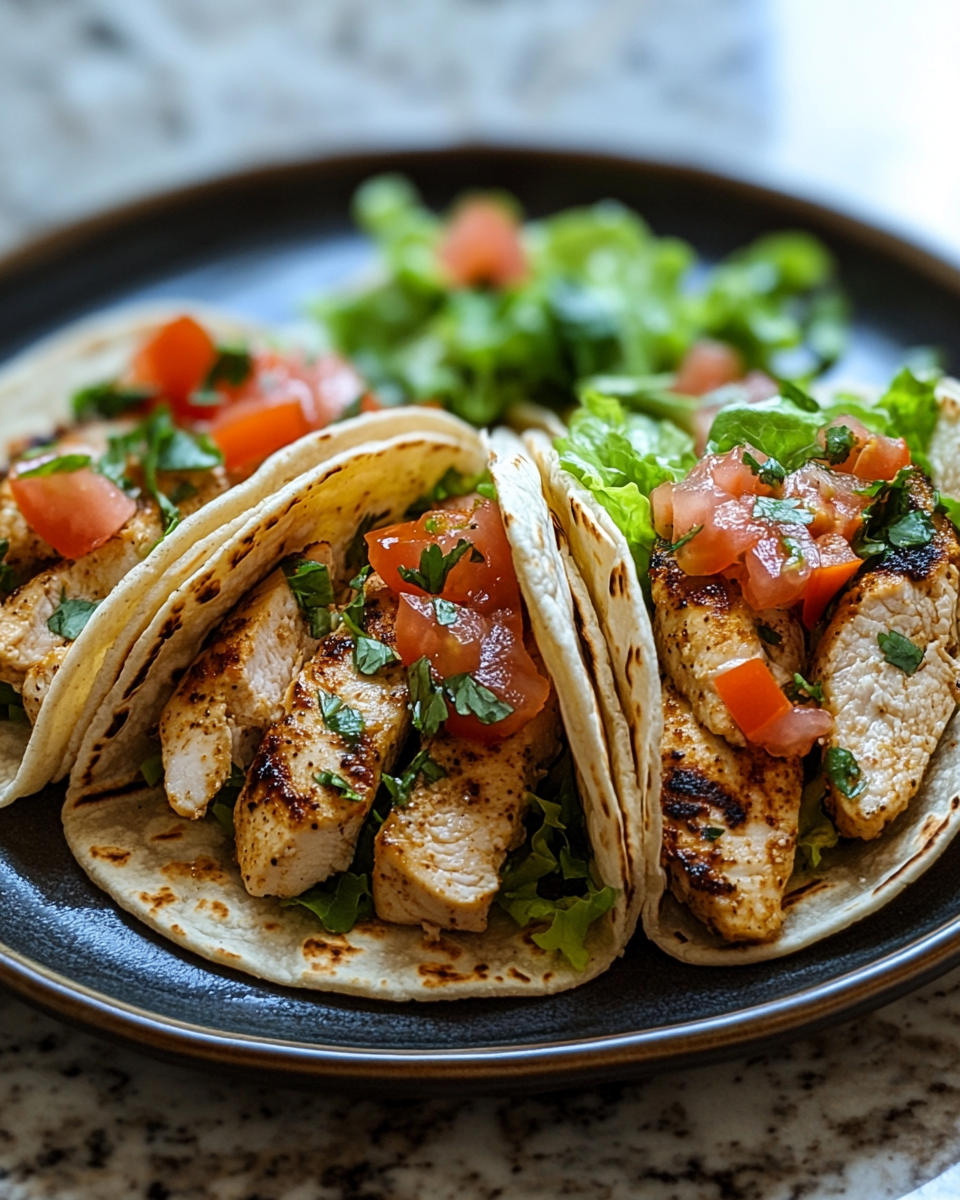
Healthy Chicken Breast Tacos Meal 7 Quick Fresh Delightful

Healthy Chicken Breast Tacos Meal 7 Quick Fresh Delightful

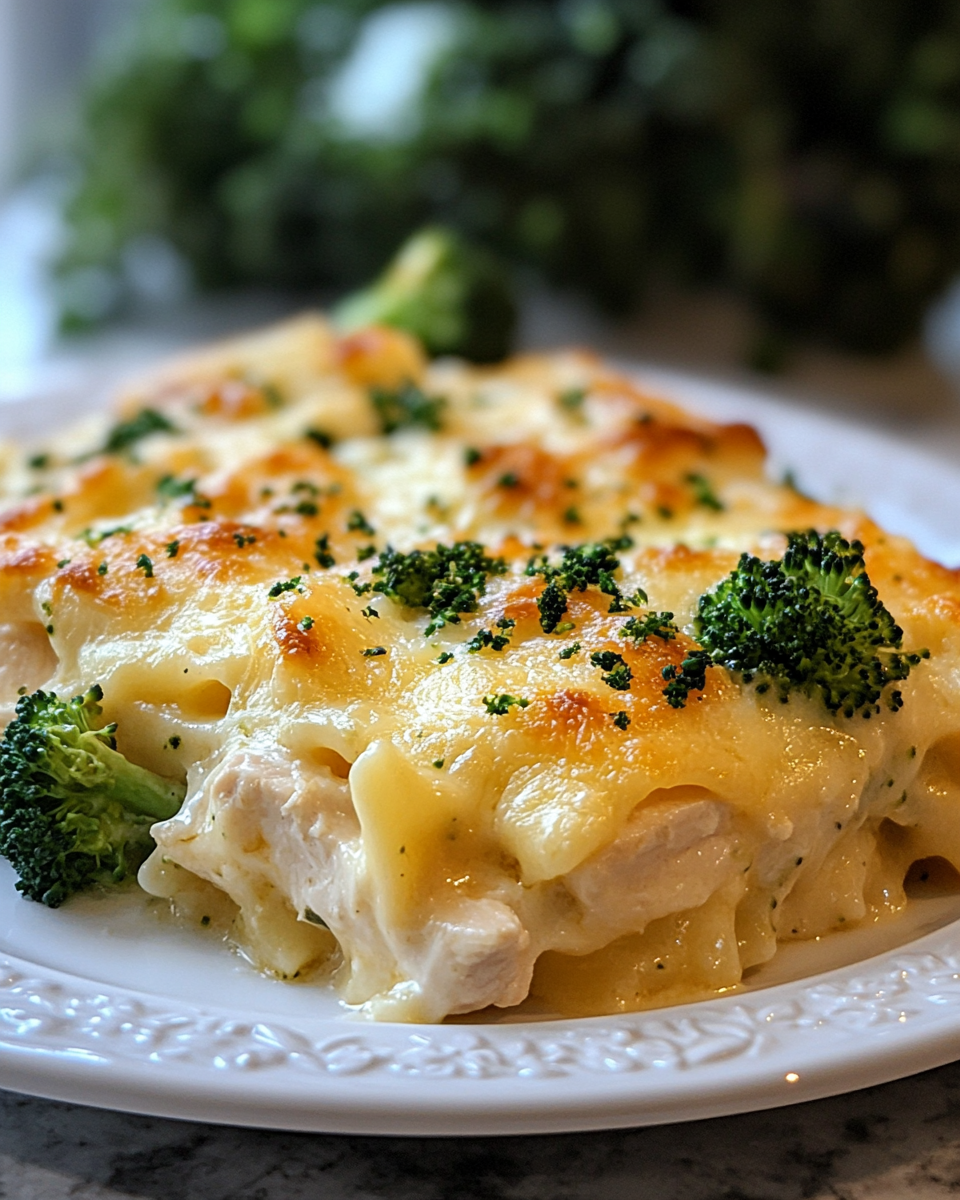
Cheesy Chicken Breast Casserole Recipe 5 Ultimate Surprising

Cheesy Chicken Breast Casserole Recipe 5 Ultimate Surprising

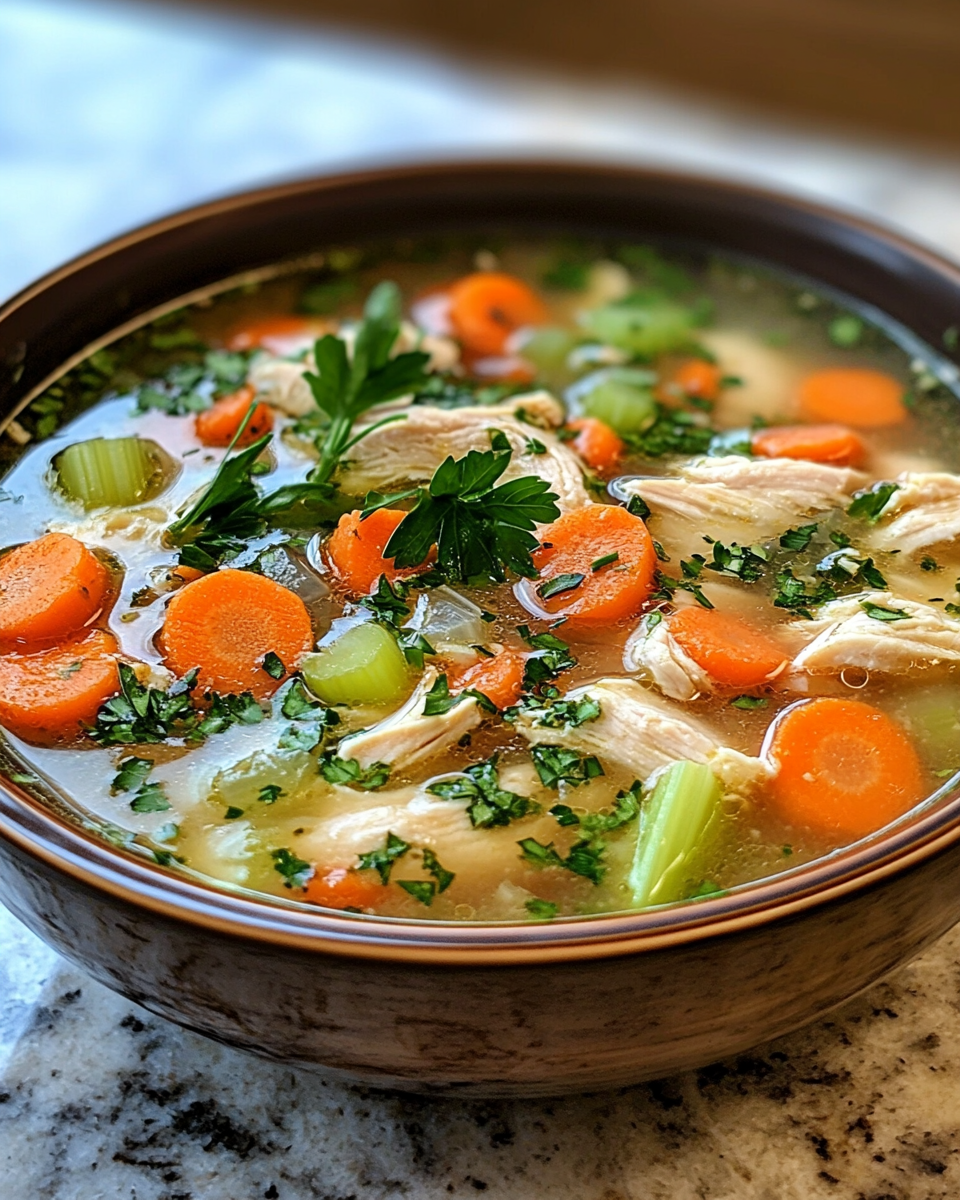
Easy Chicken Breast Soup Recipe 7 Simple Cozy Comforting Bowls

Easy Chicken Breast Soup Recipe 7 Simple Cozy Comforting Bowls

Tags:

You might also like these recipes

Leave a Comment