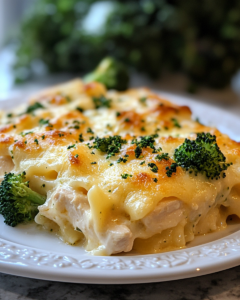
Fresh Garden Chicken Pasta: 7 Vibrant Amazing Comforts

Posted on

Uncategorized

Difficulty

Prep time

Cooking time

Total time

Servings

Fresh Garden Chicken Pasta Recipe brings together tender chicken, seasonal vegetables, and perfectly cooked pasta in a dish that feels both light and satisfying. The combination of juicy tomatoes, crisp greens, and aromatic herbs creates a balance that works for both weeknight dinners and relaxed gatherings.

This recipe focuses on simple preparation while highlighting natural flavors. Each ingredient has a purpose, from the richness of olive oil to the brightness of fresh basil. The result is a pasta dish that feels hearty without being heavy, making it a reliable option for any time of year.

Ingredients Overview

The beauty of Fresh Garden Chicken Pasta Recipe lies in its use of fresh, approachable ingredients that come together with ease. Chicken breast is the main protein, offering a lean and tender bite that absorbs the flavors of herbs and garlic during cooking. Proper seasoning and careful cooking keep it juicy rather than dry.

Pasta acts as the base, with shapes like penne or fusilli working well because they hold onto the sauce and small vegetable pieces. Whole wheat pasta can be used for a slightly nutty flavor and added fiber, while traditional pasta provides a softer texture.

Fresh vegetables bring color and depth. Cherry tomatoes add a natural sweetness and slight acidity, while zucchini contributes a mild flavor and soft texture. Bell peppers introduce a subtle crunch and gentle sweetness. Spinach or arugula adds a leafy freshness that wilts beautifully into the warm pasta.

Olive oil ties everything together, carrying flavors and helping ingredients cook evenly. Garlic and onion create a savory foundation, while herbs like basil and parsley add brightness at the end.

For substitutions, chicken thighs can replace breasts for a richer taste. Gluten-free pasta works well without changing the cooking process. Seasonal vegetables like asparagus or broccoli can be swapped in depending on availability, making this dish adaptable without losing its essence.

Ingredients

1 pound boneless, skinless chicken breast
12 ounces penne or fusilli pasta
2 tablespoons olive oil
3 cloves garlic, minced
1 small yellow onion, finely chopped
1 cup cherry tomatoes, halved
1 medium zucchini, sliced into half-moons
1 red bell pepper, thinly sliced
2 cups fresh spinach
1/2 cup grated Parmesan cheese
1/4 cup fresh basil, chopped
2 tablespoons fresh parsley, chopped
1/2 teaspoon salt
1/4 teaspoon black pepper
1/2 teaspoon dried oregano
1/4 teaspoon red pepper flakes (optional)
1/2 cup reserved pasta water
Juice of 1/2 lemon

Step-by-Step Instructions

Begin by bringing a large pot of salted water to a rolling boil. Add the pasta and cook according to package instructions until al dente. Before draining, reserve about half a cup of the pasta water, which will help create a light sauce later.

While the pasta cooks, prepare the chicken. Slice the chicken breasts into thin strips for quicker and more even cooking. Season them with salt, pepper, and a pinch of oregano.

Heat one tablespoon of olive oil in a large skillet over medium heat. Add the chicken in a single layer and cook for about 4–5 minutes per side until golden and fully cooked. The internal temperature should reach 165°F. Remove the chicken from the pan and set aside to rest.

In the same skillet, add the remaining olive oil. Sauté the chopped onion for 2–3 minutes until softened. Add the garlic and cook for another 30 seconds, stirring frequently to prevent burning.

Add the zucchini and bell pepper to the skillet. Cook for about 4–5 minutes until they begin to soften but still retain some structure. Stir in the cherry tomatoes and cook until they release their juices, creating a light base.

Return the chicken to the skillet and mix gently. Add the cooked pasta and toss everything together. Pour in a bit of the reserved pasta water, a few tablespoons at a time, until the mixture becomes lightly coated and cohesive.

Add the spinach and stir until it wilts into the pasta. Finish with lemon juice, fresh basil, and parsley. Sprinkle Parmesan cheese over the top and toss again.

Taste and adjust seasoning if needed. Serve warm with additional Parmesan if desired.

Common mistakes include overcooking the chicken, which can make it dry, and adding too much pasta water at once, which can dilute the flavor. Keeping an eye on texture at each step helps maintain balance.

Tips, Variations & Substitutions

For the best flavor, cook the chicken in batches if your skillet is small. Overcrowding the pan can cause the chicken to steam rather than brown properly. A good sear adds depth to the dish.

If you prefer a creamier version, stir in a splash of heavy cream or a dollop of cream cheese at the end. This creates a richer texture while still allowing the vegetables to shine.

Vegetarian variations are simple. Replace the chicken with mushrooms or chickpeas for a hearty alternative. Both options absorb flavors well and maintain a satisfying bite.

For a dairy-free version, skip the Parmesan or use a plant-based alternative. The dish will still feel complete thanks to the herbs and olive oil.

Seasonal flexibility is another strength. In spring, asparagus and peas work beautifully. In summer, fresh corn and extra tomatoes can be added. Adjusting vegetables based on what is available keeps the dish fresh and interesting.

Serving Ideas & Occasions

Fresh Garden Chicken Pasta Recipe works well as a main course for family dinners or casual gatherings. Its balanced flavors make it appealing to a wide range of tastes, and it pairs easily with simple sides.

Serve it alongside a crisp green salad with a light vinaigrette to complement the pasta. Garlic bread or a warm baguette adds texture and makes the meal more filling.

For drinks, a chilled white wine such as Sauvignon Blanc pairs nicely with the fresh herbs and vegetables. Sparkling water with lemon is a refreshing non-alcoholic option.

This dish is also suitable for meal prep. It reheats well and can be packed for lunches, making it a practical choice for busy schedules.

Nutritional & Health Notes

This pasta dish offers a balanced combination of protein, carbohydrates, and healthy fats. Chicken provides lean protein, which supports muscle maintenance and helps keep you satisfied.

The vegetables contribute fiber, vitamins, and minerals, adding both nutritional value and natural flavor. Spinach and tomatoes, in particular, bring antioxidants that support overall wellness.

Olive oil supplies heart-friendly fats, while the option to use whole wheat pasta increases fiber content. Adjusting the amount of cheese allows you to control sodium and fat levels.

Portion size plays an important role in maintaining balance. Pairing the pasta with a salad can help create a more filling meal without relying solely on the pasta itself.

FAQs

Can I use chicken thighs instead of chicken breast?

Yes, chicken thighs are a great alternative in Fresh Garden Chicken Pasta Recipe. They tend to be more forgiving during cooking because of their slightly higher fat content, which helps keep them tender. When using thighs, trim excess fat and cook them thoroughly until they reach the proper internal temperature. The flavor will be a bit richer compared to chicken breast, which can add depth to the dish. Just be mindful of cooking time, as thighs may take a little longer depending on thickness.

What type of pasta works best for this recipe?

Short pasta shapes like penne, fusilli, or farfalle are ideal for this recipe. Their shapes help hold onto the sauce and small pieces of vegetables, creating a balanced bite every time. Long pasta like spaghetti can also be used, but it may not distribute the ingredients as evenly. Whole wheat or gluten-free options can be substituted without changing the cooking method. The key is to cook the pasta until al dente so it maintains structure when mixed with the other ingredients.

How do I store leftovers?

Store leftover Fresh Garden Chicken Pasta Recipe in an airtight container in the refrigerator for up to three days. Allow the pasta to cool completely before sealing to prevent excess moisture buildup. When reheating, add a splash of water or broth to loosen the sauce and restore its texture. Heat gently on the stove or in the microwave, stirring occasionally. Avoid overheating, as this can dry out the chicken and make the vegetables too soft.

Can I make this dish ahead of time?

Yes, this recipe can be prepared ahead of time with a few adjustments. Cook all components and combine them, but consider adding fresh herbs and spinach just before serving to maintain their texture and color. Store the prepared dish in the refrigerator and reheat gently when needed. Adding a small amount of reserved pasta water or broth during reheating helps bring the dish back together without drying it out.

Is this recipe suitable for meal prep?

Fresh Garden Chicken Pasta Recipe is well-suited for meal prep because it holds up nicely over a few days. Divide the pasta into individual portions and store in airtight containers. It reheats easily, making it convenient for lunches or quick dinners. To keep the flavors bright, you can add a squeeze of fresh lemon juice or a sprinkle of herbs after reheating. This small step helps refresh the dish without extra effort.

Can I freeze this pasta dish?

Freezing is possible, but the texture may change slightly. Pasta and vegetables can become softer after thawing, and the sauce may separate. If you plan to freeze it, undercook the pasta slightly and avoid adding delicate greens like spinach until reheating. Store in freezer-safe containers for up to two months. Thaw in the refrigerator overnight and reheat gently, adding liquid as needed to restore consistency.

What other vegetables can I add?

This recipe is highly flexible when it comes to vegetables. Broccoli, asparagus, green beans, or mushrooms can all be added depending on preference and season. The key is to cut vegetables into similar sizes so they cook evenly. Harder vegetables should be added earlier in the cooking process, while softer ones can be added later. Mixing different textures and colors keeps the dish interesting while maintaining balance.

[rank_math_breadcrumb]

Fresh Garden Chicken Pasta: 7 Vibrant Amazing Comforts

Photo of author
Author: Sophia
Published:

Fresh Garden Chicken Pasta Recipe brings together tender chicken, seasonal vegetables, and perfectly cooked pasta in a dish that feels both light and satisfying. The combination of juicy tomatoes, crisp greens, and aromatic herbs creates a balance that works for both weeknight dinners and relaxed gatherings.

This recipe focuses on simple preparation while highlighting natural flavors. Each ingredient has a purpose, from the richness of olive oil to the brightness of fresh basil. The result is a pasta dish that feels hearty without being heavy, making it a reliable option for any time of year.

Ingredients Overview

The beauty of Fresh Garden Chicken Pasta Recipe lies in its use of fresh, approachable ingredients that come together with ease. Chicken breast is the main protein, offering a lean and tender bite that absorbs the flavors of herbs and garlic during cooking. Proper seasoning and careful cooking keep it juicy rather than dry.

Pasta acts as the base, with shapes like penne or fusilli working well because they hold onto the sauce and small vegetable pieces. Whole wheat pasta can be used for a slightly nutty flavor and added fiber, while traditional pasta provides a softer texture.

Fresh vegetables bring color and depth. Cherry tomatoes add a natural sweetness and slight acidity, while zucchini contributes a mild flavor and soft texture. Bell peppers introduce a subtle crunch and gentle sweetness. Spinach or arugula adds a leafy freshness that wilts beautifully into the warm pasta.

Olive oil ties everything together, carrying flavors and helping ingredients cook evenly. Garlic and onion create a savory foundation, while herbs like basil and parsley add brightness at the end.

For substitutions, chicken thighs can replace breasts for a richer taste. Gluten-free pasta works well without changing the cooking process. Seasonal vegetables like asparagus or broccoli can be swapped in depending on availability, making this dish adaptable without losing its essence.

Ingredients

1 pound boneless, skinless chicken breast
12 ounces penne or fusilli pasta
2 tablespoons olive oil
3 cloves garlic, minced
1 small yellow onion, finely chopped
1 cup cherry tomatoes, halved
1 medium zucchini, sliced into half-moons
1 red bell pepper, thinly sliced
2 cups fresh spinach
1/2 cup grated Parmesan cheese
1/4 cup fresh basil, chopped
2 tablespoons fresh parsley, chopped
1/2 teaspoon salt
1/4 teaspoon black pepper
1/2 teaspoon dried oregano
1/4 teaspoon red pepper flakes (optional)
1/2 cup reserved pasta water
Juice of 1/2 lemon

Step-by-Step Instructions

Begin by bringing a large pot of salted water to a rolling boil. Add the pasta and cook according to package instructions until al dente. Before draining, reserve about half a cup of the pasta water, which will help create a light sauce later.

While the pasta cooks, prepare the chicken. Slice the chicken breasts into thin strips for quicker and more even cooking. Season them with salt, pepper, and a pinch of oregano.

Heat one tablespoon of olive oil in a large skillet over medium heat. Add the chicken in a single layer and cook for about 4–5 minutes per side until golden and fully cooked. The internal temperature should reach 165°F. Remove the chicken from the pan and set aside to rest.

In the same skillet, add the remaining olive oil. Sauté the chopped onion for 2–3 minutes until softened. Add the garlic and cook for another 30 seconds, stirring frequently to prevent burning.

Add the zucchini and bell pepper to the skillet. Cook for about 4–5 minutes until they begin to soften but still retain some structure. Stir in the cherry tomatoes and cook until they release their juices, creating a light base.

Return the chicken to the skillet and mix gently. Add the cooked pasta and toss everything together. Pour in a bit of the reserved pasta water, a few tablespoons at a time, until the mixture becomes lightly coated and cohesive.

Add the spinach and stir until it wilts into the pasta. Finish with lemon juice, fresh basil, and parsley. Sprinkle Parmesan cheese over the top and toss again.

Taste and adjust seasoning if needed. Serve warm with additional Parmesan if desired.

Common mistakes include overcooking the chicken, which can make it dry, and adding too much pasta water at once, which can dilute the flavor. Keeping an eye on texture at each step helps maintain balance.

Tips, Variations & Substitutions

For the best flavor, cook the chicken in batches if your skillet is small. Overcrowding the pan can cause the chicken to steam rather than brown properly. A good sear adds depth to the dish.

If you prefer a creamier version, stir in a splash of heavy cream or a dollop of cream cheese at the end. This creates a richer texture while still allowing the vegetables to shine.

Vegetarian variations are simple. Replace the chicken with mushrooms or chickpeas for a hearty alternative. Both options absorb flavors well and maintain a satisfying bite.

For a dairy-free version, skip the Parmesan or use a plant-based alternative. The dish will still feel complete thanks to the herbs and olive oil.

Seasonal flexibility is another strength. In spring, asparagus and peas work beautifully. In summer, fresh corn and extra tomatoes can be added. Adjusting vegetables based on what is available keeps the dish fresh and interesting.

Serving Ideas & Occasions

Fresh Garden Chicken Pasta Recipe works well as a main course for family dinners or casual gatherings. Its balanced flavors make it appealing to a wide range of tastes, and it pairs easily with simple sides.

Serve it alongside a crisp green salad with a light vinaigrette to complement the pasta. Garlic bread or a warm baguette adds texture and makes the meal more filling.

For drinks, a chilled white wine such as Sauvignon Blanc pairs nicely with the fresh herbs and vegetables. Sparkling water with lemon is a refreshing non-alcoholic option.

This dish is also suitable for meal prep. It reheats well and can be packed for lunches, making it a practical choice for busy schedules.

Nutritional & Health Notes

This pasta dish offers a balanced combination of protein, carbohydrates, and healthy fats. Chicken provides lean protein, which supports muscle maintenance and helps keep you satisfied.

The vegetables contribute fiber, vitamins, and minerals, adding both nutritional value and natural flavor. Spinach and tomatoes, in particular, bring antioxidants that support overall wellness.

Olive oil supplies heart-friendly fats, while the option to use whole wheat pasta increases fiber content. Adjusting the amount of cheese allows you to control sodium and fat levels.

Portion size plays an important role in maintaining balance. Pairing the pasta with a salad can help create a more filling meal without relying solely on the pasta itself.

FAQs

Can I use chicken thighs instead of chicken breast?

Yes, chicken thighs are a great alternative in Fresh Garden Chicken Pasta Recipe. They tend to be more forgiving during cooking because of their slightly higher fat content, which helps keep them tender. When using thighs, trim excess fat and cook them thoroughly until they reach the proper internal temperature. The flavor will be a bit richer compared to chicken breast, which can add depth to the dish. Just be mindful of cooking time, as thighs may take a little longer depending on thickness.

What type of pasta works best for this recipe?

Short pasta shapes like penne, fusilli, or farfalle are ideal for this recipe. Their shapes help hold onto the sauce and small pieces of vegetables, creating a balanced bite every time. Long pasta like spaghetti can also be used, but it may not distribute the ingredients as evenly. Whole wheat or gluten-free options can be substituted without changing the cooking method. The key is to cook the pasta until al dente so it maintains structure when mixed with the other ingredients.

How do I store leftovers?

Store leftover Fresh Garden Chicken Pasta Recipe in an airtight container in the refrigerator for up to three days. Allow the pasta to cool completely before sealing to prevent excess moisture buildup. When reheating, add a splash of water or broth to loosen the sauce and restore its texture. Heat gently on the stove or in the microwave, stirring occasionally. Avoid overheating, as this can dry out the chicken and make the vegetables too soft.

Can I make this dish ahead of time?

Yes, this recipe can be prepared ahead of time with a few adjustments. Cook all components and combine them, but consider adding fresh herbs and spinach just before serving to maintain their texture and color. Store the prepared dish in the refrigerator and reheat gently when needed. Adding a small amount of reserved pasta water or broth during reheating helps bring the dish back together without drying it out.

Is this recipe suitable for meal prep?

Fresh Garden Chicken Pasta Recipe is well-suited for meal prep because it holds up nicely over a few days. Divide the pasta into individual portions and store in airtight containers. It reheats easily, making it convenient for lunches or quick dinners. To keep the flavors bright, you can add a squeeze of fresh lemon juice or a sprinkle of herbs after reheating. This small step helps refresh the dish without extra effort.

Can I freeze this pasta dish?

Freezing is possible, but the texture may change slightly. Pasta and vegetables can become softer after thawing, and the sauce may separate. If you plan to freeze it, undercook the pasta slightly and avoid adding delicate greens like spinach until reheating. Store in freezer-safe containers for up to two months. Thaw in the refrigerator overnight and reheat gently, adding liquid as needed to restore consistency.

What other vegetables can I add?

This recipe is highly flexible when it comes to vegetables. Broccoli, asparagus, green beans, or mushrooms can all be added depending on preference and season. The key is to cut vegetables into similar sizes so they cook evenly. Harder vegetables should be added earlier in the cooking process, while softer ones can be added later. Mixing different textures and colors keeps the dish interesting while maintaining balance.
Name

Lorem ipsum dolor sit amet, consectetur adipiscing elit. Suspendisse varius enim in eros elementum tristique. Duis cursus, mi quis viverra ornare, eros dolor interdum nulla, ut commodo diam libero vitae erat.

You Might Also Like...

Simple Chicken Breast Dinner Recipes 5 Easy Delicious Meals

Simple Chicken Breast Dinner Recipes 5 Easy Delicious Meals

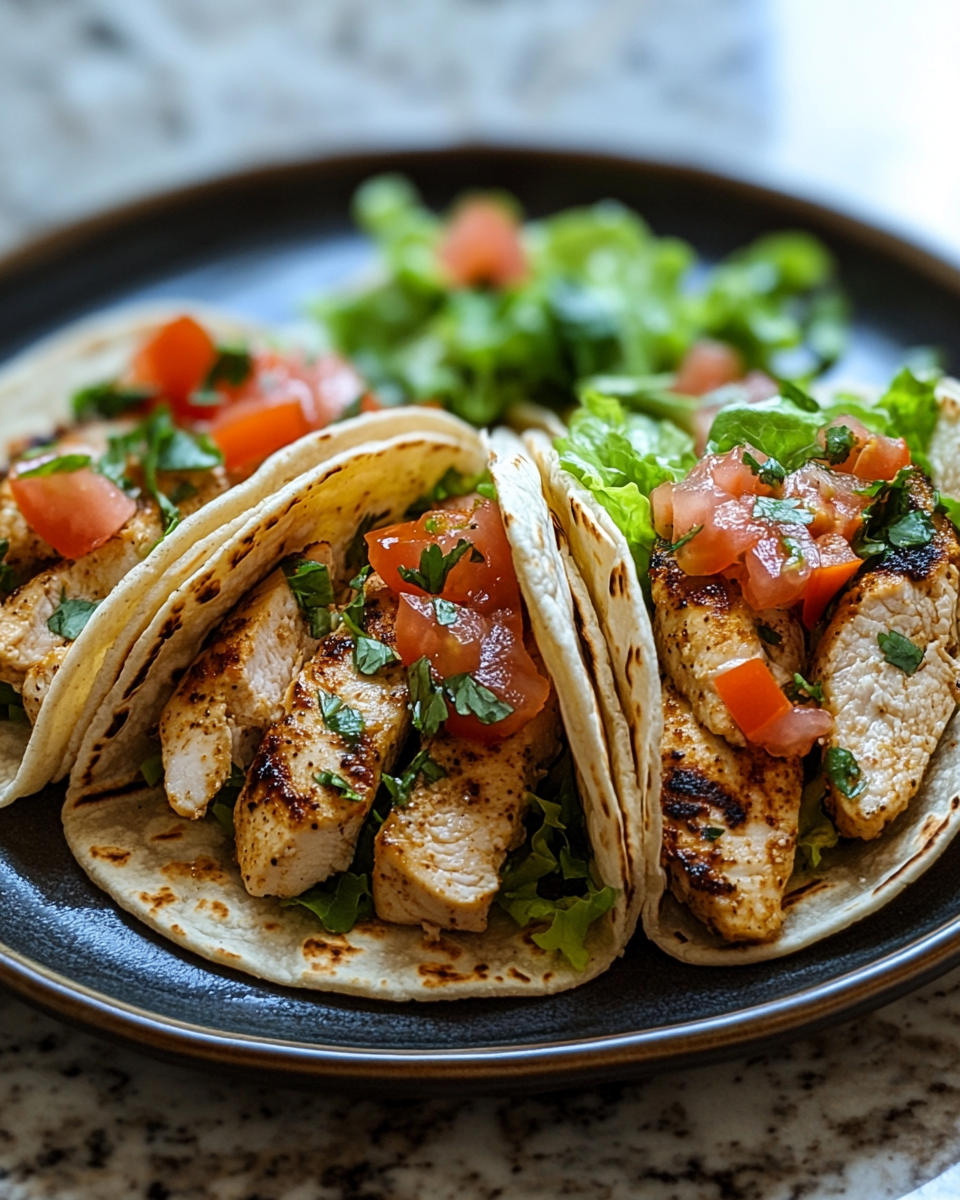
Healthy Chicken Breast Tacos Meal 7 Quick Fresh Delightful

Healthy Chicken Breast Tacos Meal 7 Quick Fresh Delightful

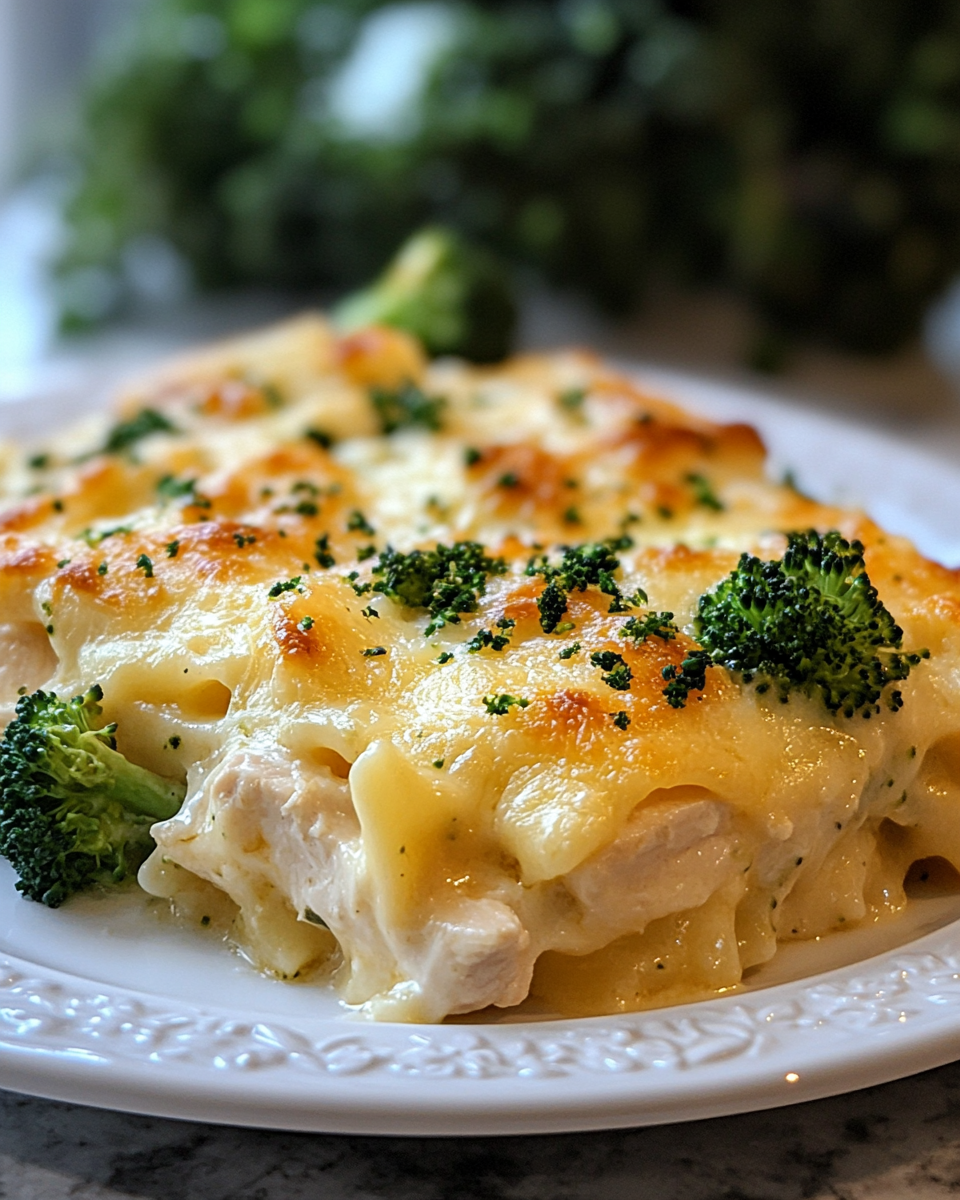
Cheesy Chicken Breast Casserole Recipe 5 Ultimate Surprising

Cheesy Chicken Breast Casserole Recipe 5 Ultimate Surprising

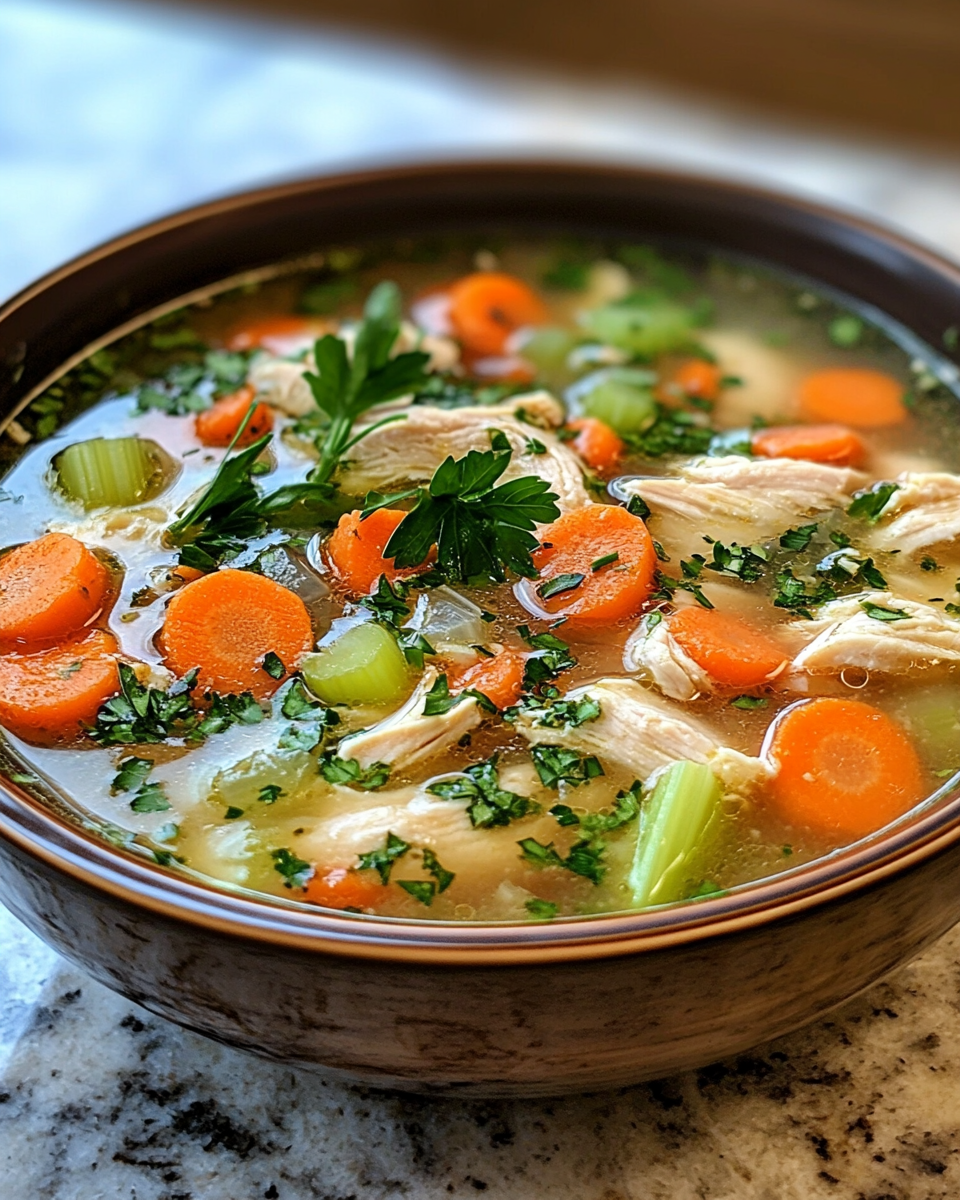
Easy Chicken Breast Soup Recipe 7 Simple Cozy Comforting Bowls

Easy Chicken Breast Soup Recipe 7 Simple Cozy Comforting Bowls

Tags:

You might also like these recipes

Leave a Comment