Garlic Butter Chicken Skillet: 30-Min Amazing Excited

Posted on

Uncategorized

Difficulty

Prep time

Cooking time

Total time

Servings

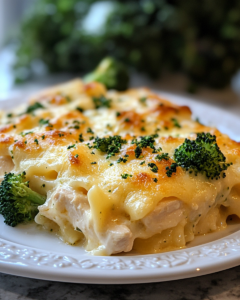
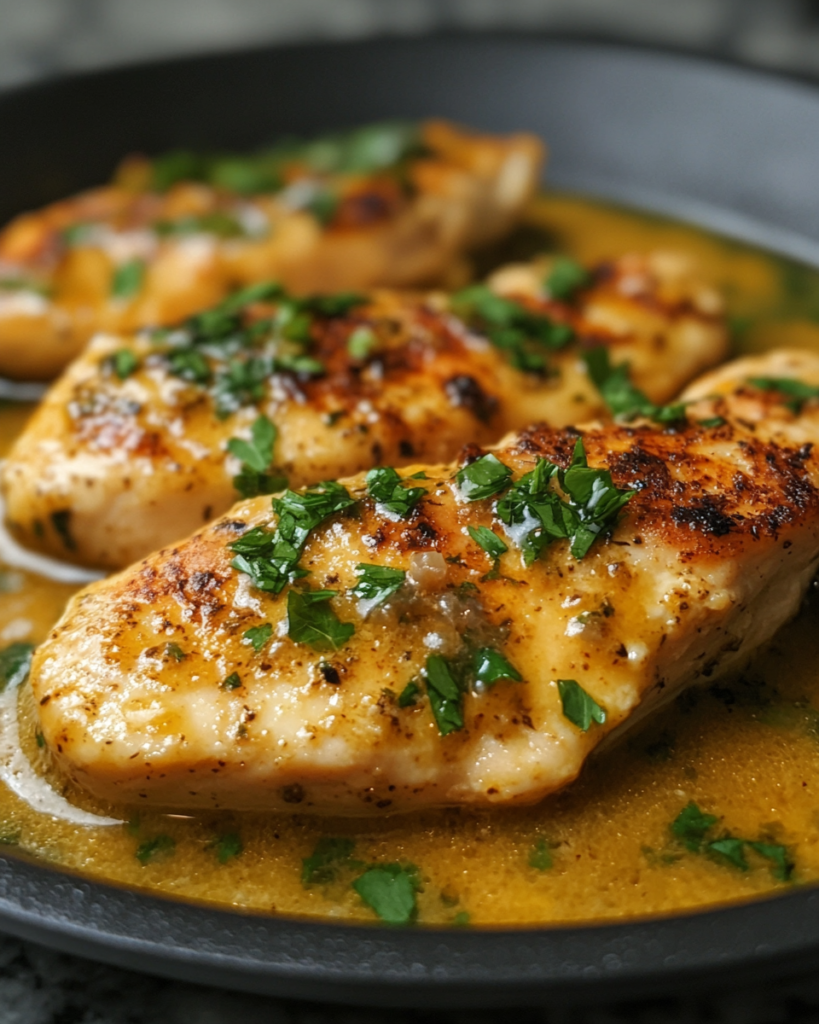
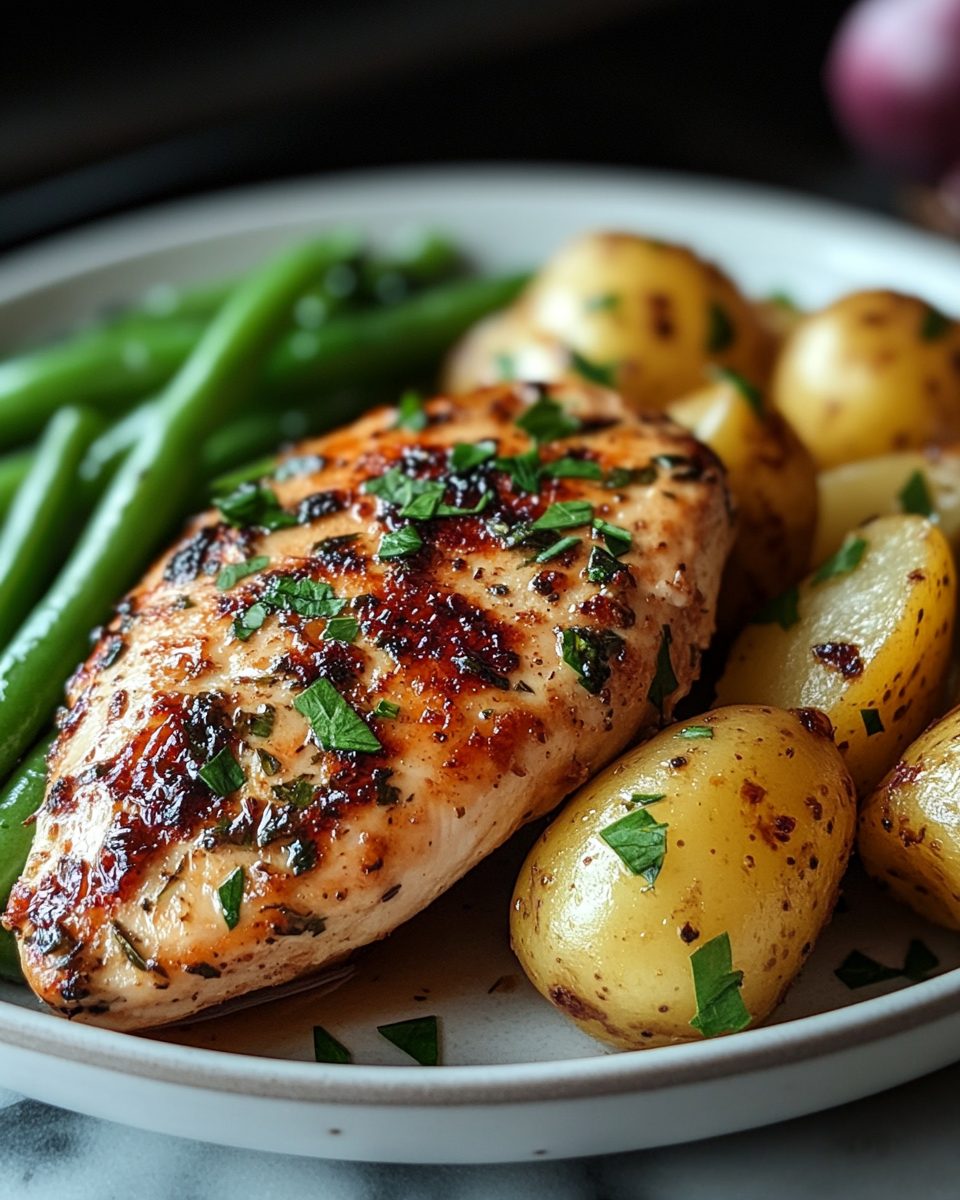
Garlic butter chicken skillet is a comforting, flavor-packed dish that brings tender chicken together with rich, savory sauce in one pan. The combination of golden seared chicken and fragrant garlic butter creates a deeply satisfying meal that feels both hearty and effortless.

This dish is ideal for busy evenings when a warm, home-cooked dinner is needed without spending hours in the kitchen. The skillet method locks in moisture while building layers of flavor right in the pan, resulting in juicy chicken coated in a silky, buttery glaze.

With simple ingredients and straightforward steps, garlic butter chicken skillet delivers consistent results. The balance of garlic, butter, and herbs gives it a classic taste that pairs well with a variety of sides, making it a dependable favorite for weeknight meals or casual gatherings.

Ingredients Overview
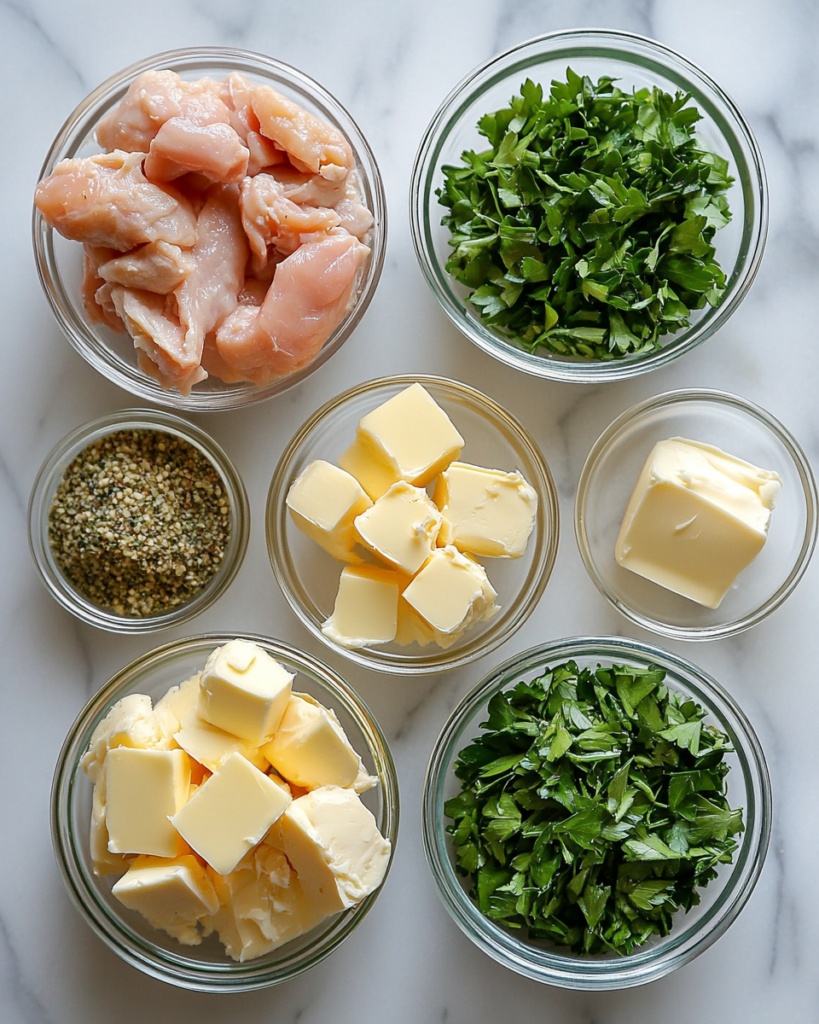
The beauty of garlic butter chicken skillet lies in its simplicity. Each ingredient plays an important role in creating a balanced and satisfying dish. Chicken breasts or thighs serve as the base, offering lean protein and a tender texture when cooked properly. Thighs tend to stay juicier, while breasts provide a firmer bite.

Garlic is the star of the dish, infusing the butter with a deep, aromatic flavor that spreads throughout the skillet. Fresh garlic is highly recommended for its bold taste, though pre-minced garlic can work in a pinch. Butter creates the rich sauce that coats the chicken, giving it a smooth and velvety finish.

Olive oil is used alongside butter to prevent burning and to help achieve a golden sear on the chicken. Chicken broth adds depth and helps deglaze the pan, lifting all the flavorful browned bits into the sauce. A splash of lemon juice brightens the dish, cutting through the richness of the butter.

Seasonings like salt, black pepper, and paprika add warmth and subtle complexity. Fresh herbs such as parsley or thyme bring freshness and color. For substitutions, boneless turkey cutlets can replace chicken, and ghee can stand in for butter for a slightly nuttier flavor.

Ingredients

4 boneless, skinless chicken breasts
Salt, to taste
1/2 teaspoon black pepper
1 teaspoon paprika
2 tablespoons olive oil
4 tablespoons unsalted butter
6 cloves garlic, minced
1/2 cup chicken broth
1 tablespoon lemon juice
1 teaspoon dried thyme
2 tablespoons fresh parsley, chopped

Step-by-Step Instructions
Start by patting the chicken dry with paper towels. This step is essential for achieving a proper sear. Season both sides of the chicken evenly with salt, black pepper, and paprika, pressing the spices gently into the surface.

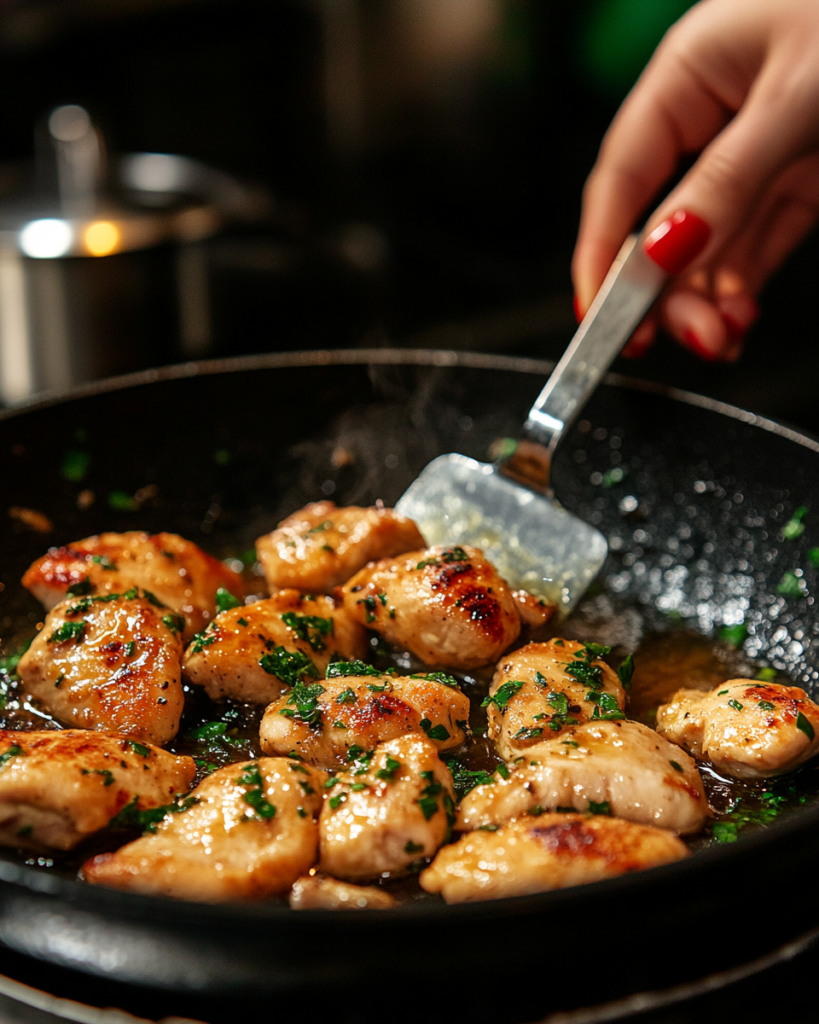
Heat a large skillet over medium-high heat and add the olive oil. Once the oil is hot and shimmering, place the chicken into the pan in a single layer. Avoid overcrowding, as this can cause steaming instead of browning. Cook for about 5 to 6 minutes on the first side without moving the chicken, allowing a golden crust to form.

Flip the chicken and cook for another 5 minutes, or until the internal temperature reaches 165°F. Transfer the cooked chicken to a plate and set aside. This prevents overcooking while the sauce is prepared.

Reduce the heat to medium and add the butter to the same skillet. As it melts, stir in the minced garlic. Cook for about 30 seconds to 1 minute, just until fragrant. Be careful not to let the garlic brown too much, as it can become bitter.

Pour in the chicken broth and use a wooden spoon to scrape up any browned bits from the bottom of the pan. These bits carry concentrated flavor that enriches the sauce. Add the lemon juice and dried thyme, stirring to combine.

Let the sauce simmer for 2 to 3 minutes, allowing it to reduce slightly and thicken. Return the chicken to the skillet, spooning the garlic butter sauce over each piece. Let the chicken simmer in the sauce for another 2 to 3 minutes to absorb the flavors.

Finish by sprinkling fresh parsley over the top. The chicken should appear glossy and well-coated, with a rich aroma and a lightly thickened sauce clinging to each piece.

Tips, Variations & Substitutions

For the best texture, avoid overcooking the chicken. Using a meat thermometer helps maintain accuracy and prevents dryness. If the chicken pieces are thick, consider pounding them slightly for even cooking.

To create a creamier version, add a splash of heavy cream to the sauce after the broth has reduced. This creates a richer, more indulgent finish. For a hint of heat, a pinch of red pepper flakes can be added along with the garlic.

If fresh herbs are available, they can replace dried thyme for a brighter flavor. Rosemary or oregano also pair well with garlic and butter. For a dairy-free version, substitute butter with a plant-based alternative that melts smoothly.

Vegetables like spinach, mushrooms, or green beans can be added directly to the skillet. They cook quickly in the sauce and turn the dish into a complete one-pan meal.

Serving Ideas & Occasions

Garlic butter chicken skillet pairs beautifully with simple sides that absorb the flavorful sauce. Steamed rice, mashed potatoes, or buttered pasta are excellent choices, as they complement the richness of the dish.

For a lighter option, serve it alongside roasted vegetables or a crisp green salad. The contrast between the fresh greens and the warm, savory chicken creates a balanced plate.

This dish works well for casual family dinners, meal prep, or small gatherings. Its one-pan nature keeps cleanup minimal, making it especially convenient for weeknights. It can also be presented as a comforting main course for relaxed weekend meals.

Nutritional & Health Notes

Garlic butter chicken skillet offers a good source of protein, which supports muscle maintenance and overall energy levels. Chicken is naturally lean, especially when using breast meat, making it a suitable option for balanced meals.

The butter adds richness and flavor but also contributes saturated fat, so portion control is helpful for those monitoring fat intake. Using a combination of butter and olive oil helps balance flavor and fat composition.

Garlic contains natural compounds that contribute to overall wellness, while herbs add nutrients and freshness without extra calories. Pairing the dish with vegetables or whole grains can increase fiber and create a more complete nutritional profile.

FAQs

Can I use chicken thighs instead of breasts?

Yes, chicken thighs work very well in this recipe and often result in a juicier texture. They have a slightly higher fat content, which helps keep them tender during cooking. Boneless, skinless thighs are the easiest to work with and cook in roughly the same time as breasts. If using bone-in thighs, the cooking time will need to be extended. Make sure the internal temperature reaches 165°F before serving. The flavor of thighs pairs beautifully with garlic butter, creating a richer and more savory dish.

How do I prevent the garlic from burning?

Garlic cooks quickly and can turn bitter if exposed to high heat for too long. To avoid this, always reduce the heat before adding garlic to the skillet. Stir it continuously and cook just until it becomes fragrant, which usually takes less than a minute. Adding butter before the garlic also helps regulate the temperature. If the pan is too hot, remove it briefly from the heat before adding the garlic to maintain control.

Can I make this dish ahead of time?

This dish can be prepared ahead and stored in the refrigerator for up to three days. Allow the chicken to cool completely before placing it in an airtight container. When reheating, use a skillet over medium heat and add a splash of chicken broth to loosen the sauce. This helps maintain moisture and prevents the chicken from drying out. While freshly cooked is ideal, reheated garlic butter chicken still retains much of its flavor.

What can I use instead of chicken broth?

If chicken broth is unavailable, vegetable broth is a suitable alternative and provides a similar depth of flavor. Water can also be used in a pinch, though it will result in a lighter sauce. To boost flavor when using water, consider adding a pinch of extra seasoning or a small amount of bouillon. The goal is to maintain a savory base that complements the garlic and butter.

Is this recipe gluten-free?

Yes, garlic butter chicken skillet is naturally gluten-free as long as all ingredients used are free from gluten contamination. Always check labels on packaged items like broth and seasonings to confirm. Since no flour or breading is involved, the dish remains suitable for gluten-free diets. Pairing it with gluten-free sides like rice or potatoes keeps the entire meal compliant.

Can I add vegetables to the skillet?

Adding vegetables is a great way to make the dish more complete. Options like spinach, zucchini, mushrooms, or cherry tomatoes work especially well. Add quicker-cooking vegetables toward the end so they retain their texture and color. Heartier vegetables like carrots may need to be pre-cooked slightly before adding. The sauce will coat the vegetables nicely, tying all the components together.

How do I know when the chicken is fully cooked?

The most reliable way to check doneness is by using a meat thermometer. Chicken is fully cooked when it reaches an internal temperature of 165°F. Visually, the juices should run clear, and the center should no longer appear pink. Cutting into the thickest part can also help confirm doneness. Avoid overcooking, as this can lead to dry chicken even with the sauce.

[rank_math_breadcrumb]

Garlic Butter Chicken Skillet: 30-Min Amazing Excited

Photo of author
Author: Sophia
Published:

Garlic butter chicken skillet is a comforting, flavor-packed dish that brings tender chicken together with rich, savory sauce in one pan. The combination of golden seared chicken and fragrant garlic butter creates a deeply satisfying meal that feels both hearty and effortless.

This dish is ideal for busy evenings when a warm, home-cooked dinner is needed without spending hours in the kitchen. The skillet method locks in moisture while building layers of flavor right in the pan, resulting in juicy chicken coated in a silky, buttery glaze.

With simple ingredients and straightforward steps, garlic butter chicken skillet delivers consistent results. The balance of garlic, butter, and herbs gives it a classic taste that pairs well with a variety of sides, making it a dependable favorite for weeknight meals or casual gatherings.

Ingredients Overview

The beauty of garlic butter chicken skillet lies in its simplicity. Each ingredient plays an important role in creating a balanced and satisfying dish. Chicken breasts or thighs serve as the base, offering lean protein and a tender texture when cooked properly. Thighs tend to stay juicier, while breasts provide a firmer bite.

Garlic is the star of the dish, infusing the butter with a deep, aromatic flavor that spreads throughout the skillet. Fresh garlic is highly recommended for its bold taste, though pre-minced garlic can work in a pinch. Butter creates the rich sauce that coats the chicken, giving it a smooth and velvety finish.

Olive oil is used alongside butter to prevent burning and to help achieve a golden sear on the chicken. Chicken broth adds depth and helps deglaze the pan, lifting all the flavorful browned bits into the sauce. A splash of lemon juice brightens the dish, cutting through the richness of the butter.

Seasonings like salt, black pepper, and paprika add warmth and subtle complexity. Fresh herbs such as parsley or thyme bring freshness and color. For substitutions, boneless turkey cutlets can replace chicken, and ghee can stand in for butter for a slightly nuttier flavor.

Ingredients

4 boneless, skinless chicken breasts
Salt, to taste
1/2 teaspoon black pepper
1 teaspoon paprika
2 tablespoons olive oil
4 tablespoons unsalted butter
6 cloves garlic, minced
1/2 cup chicken broth
1 tablespoon lemon juice
1 teaspoon dried thyme
2 tablespoons fresh parsley, chopped

Step-by-Step Instructions

Start by patting the chicken dry with paper towels. This step is essential for achieving a proper sear. Season both sides of the chicken evenly with salt, black pepper, and paprika, pressing the spices gently into the surface.

Heat a large skillet over medium-high heat and add the olive oil. Once the oil is hot and shimmering, place the chicken into the pan in a single layer. Avoid overcrowding, as this can cause steaming instead of browning. Cook for about 5 to 6 minutes on the first side without moving the chicken, allowing a golden crust to form.

Flip the chicken and cook for another 5 minutes, or until the internal temperature reaches 165°F. Transfer the cooked chicken to a plate and set aside. This prevents overcooking while the sauce is prepared.

Reduce the heat to medium and add the butter to the same skillet. As it melts, stir in the minced garlic. Cook for about 30 seconds to 1 minute, just until fragrant. Be careful not to let the garlic brown too much, as it can become bitter.

Pour in the chicken broth and use a wooden spoon to scrape up any browned bits from the bottom of the pan. These bits carry concentrated flavor that enriches the sauce. Add the lemon juice and dried thyme, stirring to combine.

Let the sauce simmer for 2 to 3 minutes, allowing it to reduce slightly and thicken. Return the chicken to the skillet, spooning the garlic butter sauce over each piece. Let the chicken simmer in the sauce for another 2 to 3 minutes to absorb the flavors.

Finish by sprinkling fresh parsley over the top. The chicken should appear glossy and well-coated, with a rich aroma and a lightly thickened sauce clinging to each piece.

Tips, Variations & Substitutions

For the best texture, avoid overcooking the chicken. Using a meat thermometer helps maintain accuracy and prevents dryness. If the chicken pieces are thick, consider pounding them slightly for even cooking.

To create a creamier version, add a splash of heavy cream to the sauce after the broth has reduced. This creates a richer, more indulgent finish. For a hint of heat, a pinch of red pepper flakes can be added along with the garlic.

If fresh herbs are available, they can replace dried thyme for a brighter flavor. Rosemary or oregano also pair well with garlic and butter. For a dairy-free version, substitute butter with a plant-based alternative that melts smoothly.

Vegetables like spinach, mushrooms, or green beans can be added directly to the skillet. They cook quickly in the sauce and turn the dish into a complete one-pan meal.

Serving Ideas & Occasions

Garlic butter chicken skillet pairs beautifully with simple sides that absorb the flavorful sauce. Steamed rice, mashed potatoes, or buttered pasta are excellent choices, as they complement the richness of the dish.

For a lighter option, serve it alongside roasted vegetables or a crisp green salad. The contrast between the fresh greens and the warm, savory chicken creates a balanced plate.

This dish works well for casual family dinners, meal prep, or small gatherings. Its one-pan nature keeps cleanup minimal, making it especially convenient for weeknights. It can also be presented as a comforting main course for relaxed weekend meals.

Nutritional & Health Notes

Garlic butter chicken skillet offers a good source of protein, which supports muscle maintenance and overall energy levels. Chicken is naturally lean, especially when using breast meat, making it a suitable option for balanced meals.

The butter adds richness and flavor but also contributes saturated fat, so portion control is helpful for those monitoring fat intake. Using a combination of butter and olive oil helps balance flavor and fat composition.

Garlic contains natural compounds that contribute to overall wellness, while herbs add nutrients and freshness without extra calories. Pairing the dish with vegetables or whole grains can increase fiber and create a more complete nutritional profile.

FAQs

Can I use chicken thighs instead of breasts?

Yes, chicken thighs work very well in this recipe and often result in a juicier texture. They have a slightly higher fat content, which helps keep them tender during cooking. Boneless, skinless thighs are the easiest to work with and cook in roughly the same time as breasts. If using bone-in thighs, the cooking time will need to be extended. Make sure the internal temperature reaches 165°F before serving. The flavor of thighs pairs beautifully with garlic butter, creating a richer and more savory dish.

How do I prevent the garlic from burning?

Garlic cooks quickly and can turn bitter if exposed to high heat for too long. To avoid this, always reduce the heat before adding garlic to the skillet. Stir it continuously and cook just until it becomes fragrant, which usually takes less than a minute. Adding butter before the garlic also helps regulate the temperature. If the pan is too hot, remove it briefly from the heat before adding the garlic to maintain control.

Can I make this dish ahead of time?

This dish can be prepared ahead and stored in the refrigerator for up to three days. Allow the chicken to cool completely before placing it in an airtight container. When reheating, use a skillet over medium heat and add a splash of chicken broth to loosen the sauce. This helps maintain moisture and prevents the chicken from drying out. While freshly cooked is ideal, reheated garlic butter chicken still retains much of its flavor.

What can I use instead of chicken broth?

If chicken broth is unavailable, vegetable broth is a suitable alternative and provides a similar depth of flavor. Water can also be used in a pinch, though it will result in a lighter sauce. To boost flavor when using water, consider adding a pinch of extra seasoning or a small amount of bouillon. The goal is to maintain a savory base that complements the garlic and butter.

Is this recipe gluten-free?

Yes, garlic butter chicken skillet is naturally gluten-free as long as all ingredients used are free from gluten contamination. Always check labels on packaged items like broth and seasonings to confirm. Since no flour or breading is involved, the dish remains suitable for gluten-free diets. Pairing it with gluten-free sides like rice or potatoes keeps the entire meal compliant.

Can I add vegetables to the skillet?

Adding vegetables is a great way to make the dish more complete. Options like spinach, zucchini, mushrooms, or cherry tomatoes work especially well. Add quicker-cooking vegetables toward the end so they retain their texture and color. Heartier vegetables like carrots may need to be pre-cooked slightly before adding. The sauce will coat the vegetables nicely, tying all the components together.

How do I know when the chicken is fully cooked?

The most reliable way to check doneness is by using a meat thermometer. Chicken is fully cooked when it reaches an internal temperature of 165°F. Visually, the juices should run clear, and the center should no longer appear pink. Cutting into the thickest part can also help confirm doneness. Avoid overcooking, as this can lead to dry chicken even with the sauce.
Name

Lorem ipsum dolor sit amet, consectetur adipiscing elit. Suspendisse varius enim in eros elementum tristique. Duis cursus, mi quis viverra ornare, eros dolor interdum nulla, ut commodo diam libero vitae erat.

You Might Also Like...

Simple Chicken Breast Dinner Recipes 5 Easy Delicious Meals

Simple Chicken Breast Dinner Recipes 5 Easy Delicious Meals

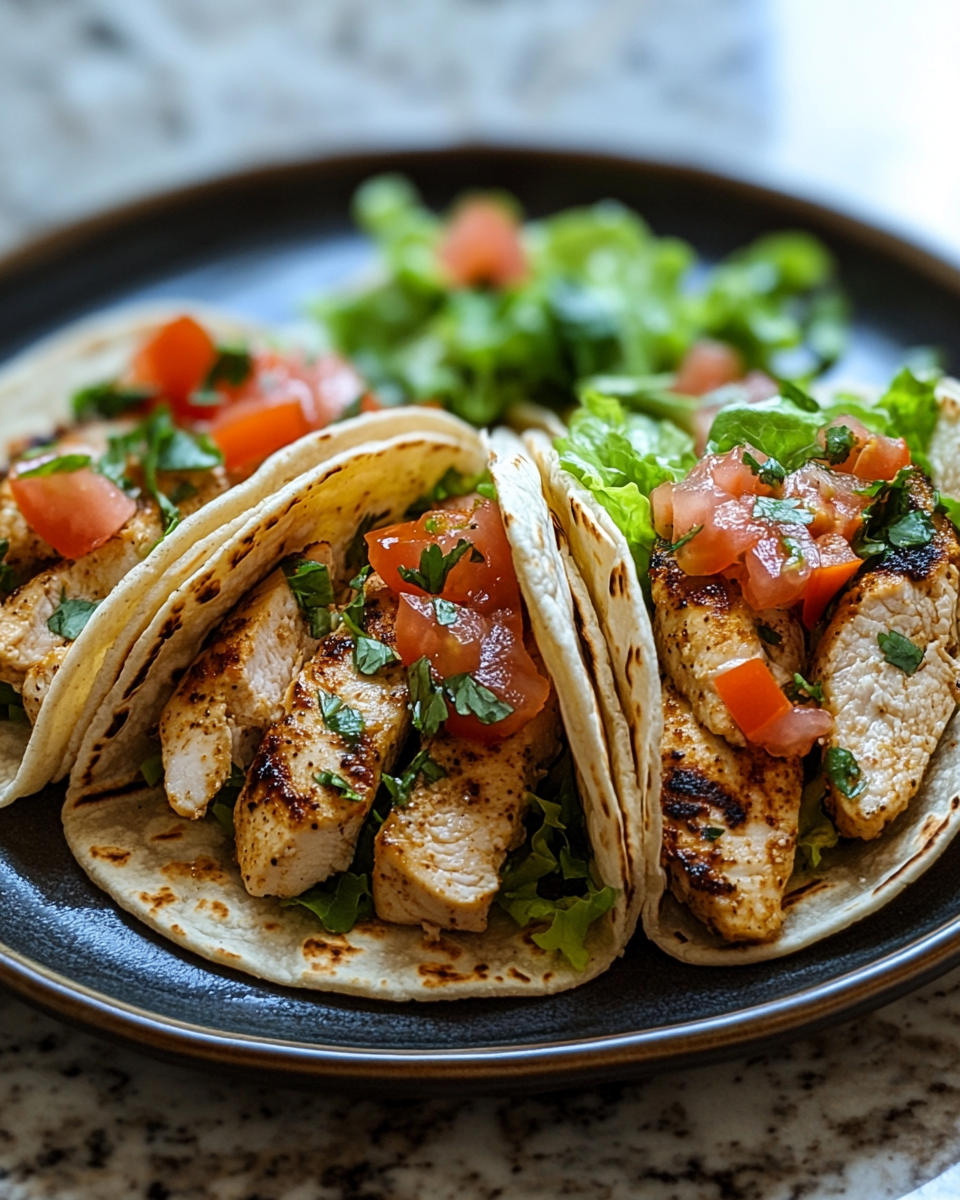
Healthy Chicken Breast Tacos Meal 7 Quick Fresh Delightful

Healthy Chicken Breast Tacos Meal 7 Quick Fresh Delightful

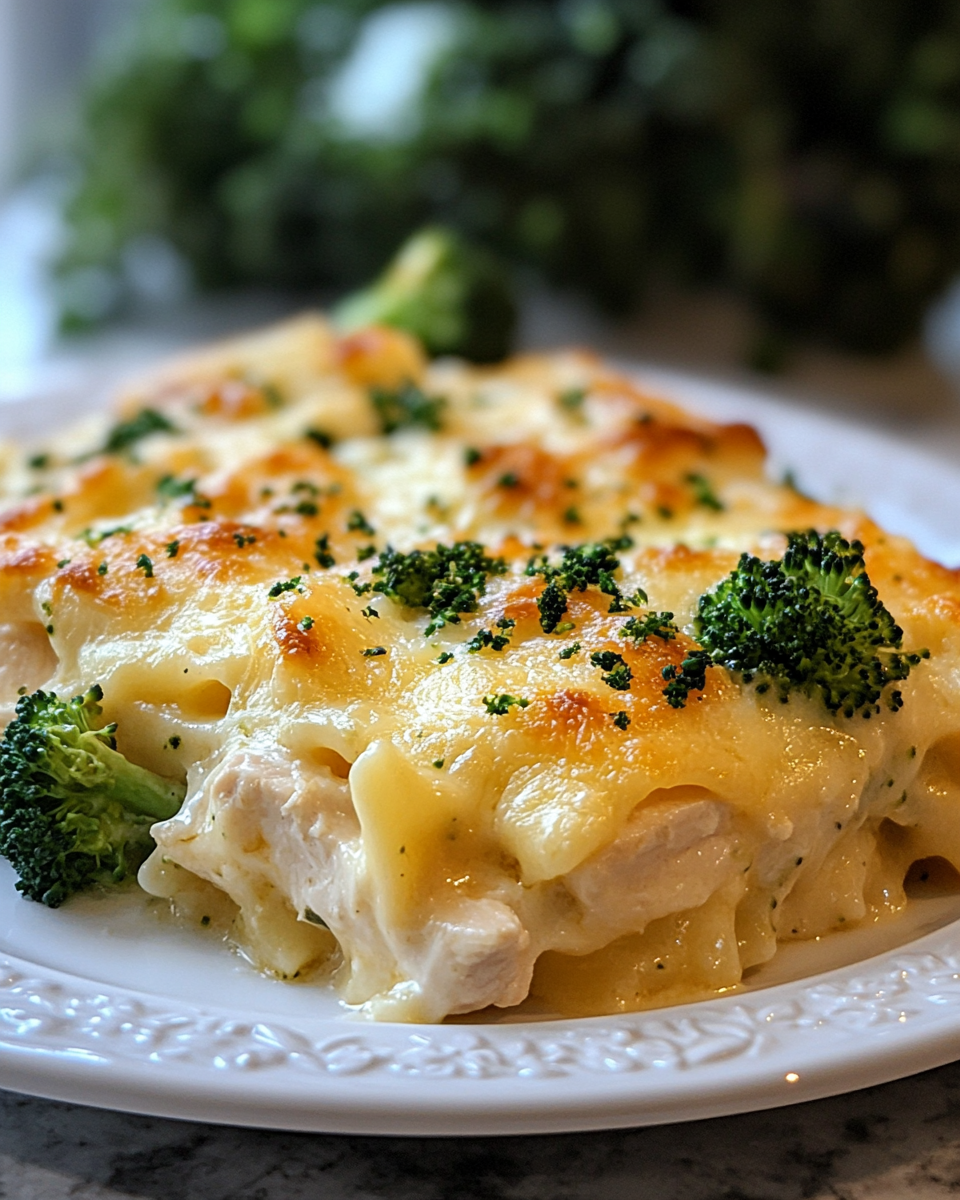
Cheesy Chicken Breast Casserole Recipe 5 Ultimate Surprising

Cheesy Chicken Breast Casserole Recipe 5 Ultimate Surprising

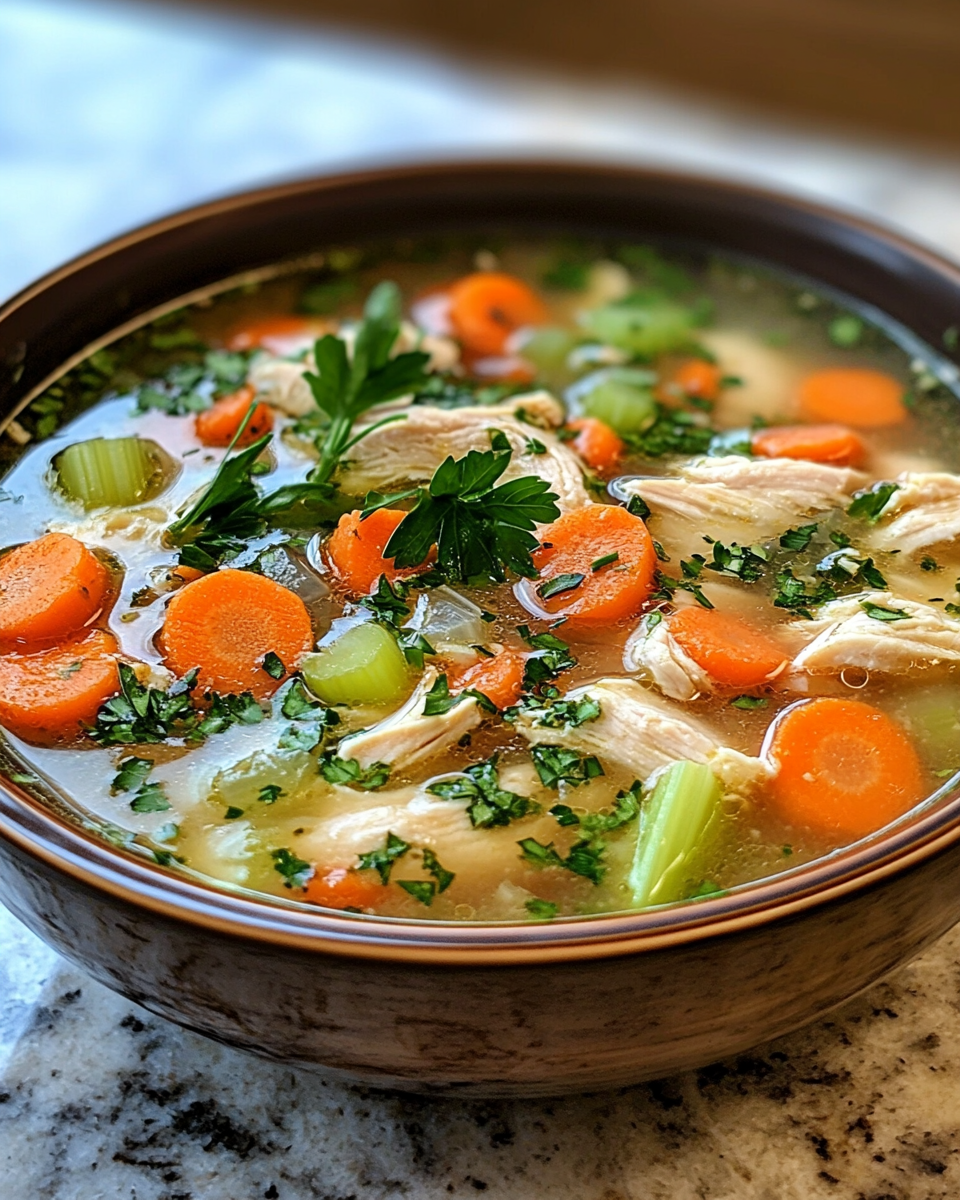
Easy Chicken Breast Soup Recipe 7 Simple Cozy Comforting Bowls

Easy Chicken Breast Soup Recipe 7 Simple Cozy Comforting Bowls

Tags:

You might also like these recipes

Leave a Comment