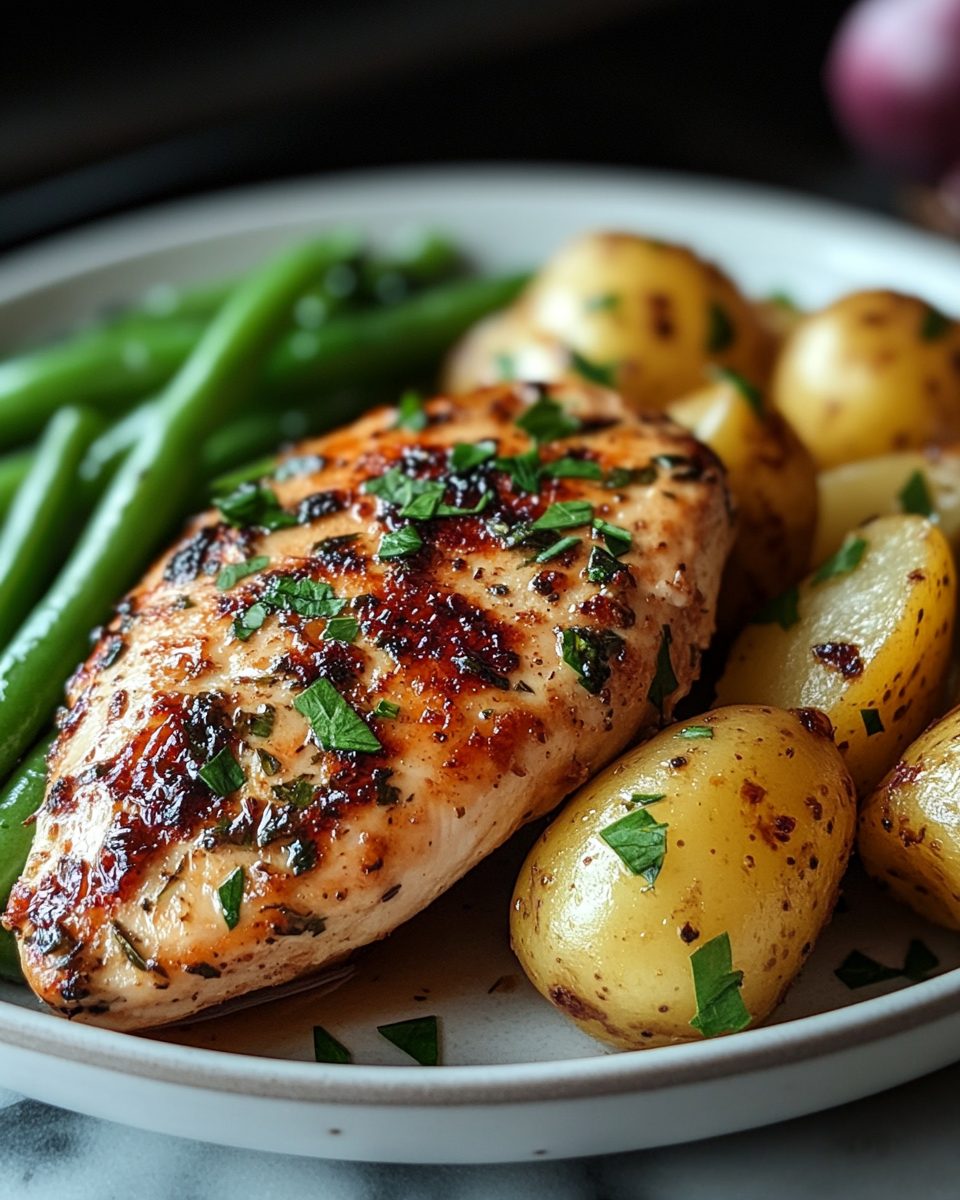
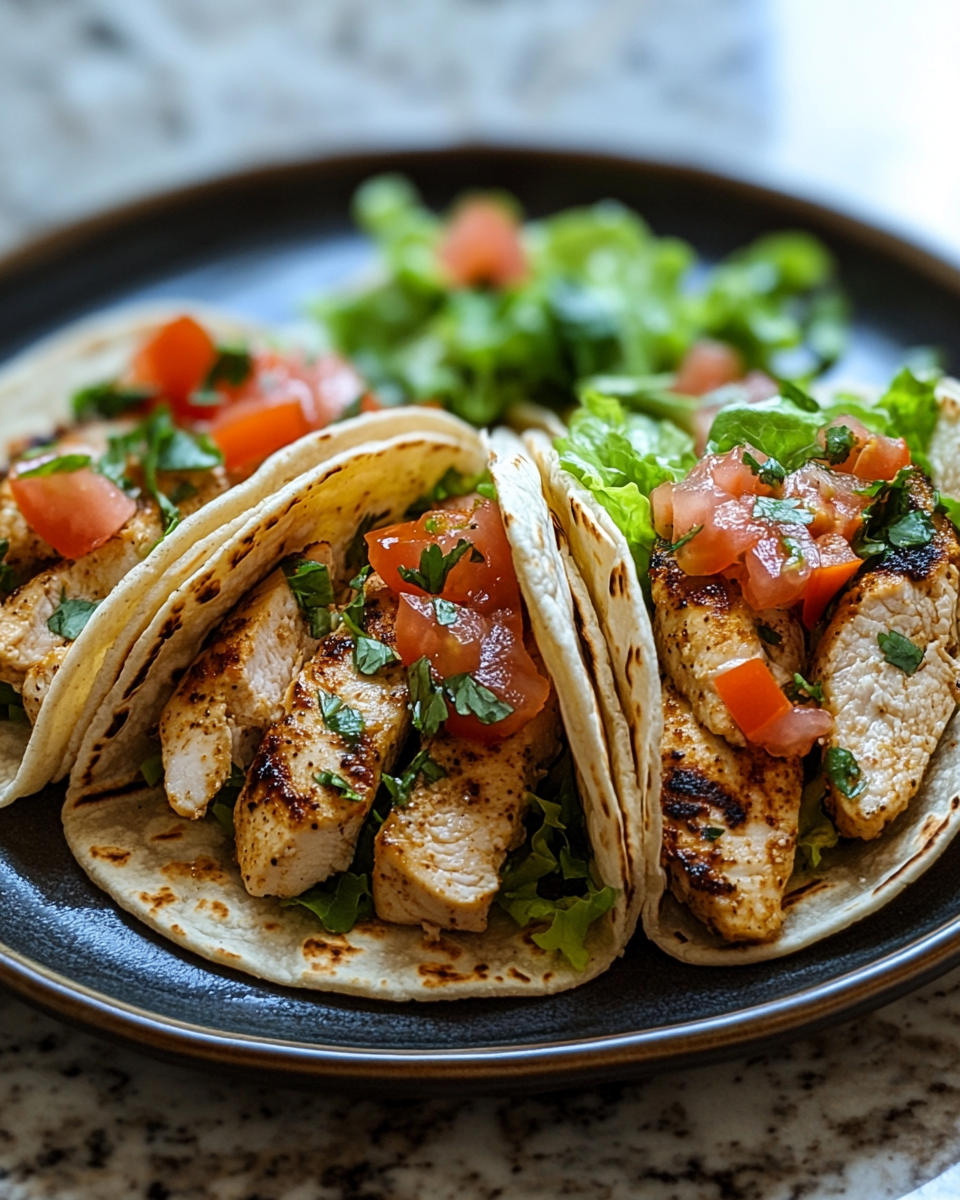
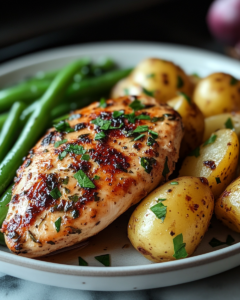
A garlic soy chicken skillet brings together tender seared chicken with a rich, savory glaze that clings to every bite. This dish is built for busy evenings when a fast stovetop meal still needs deep flavor and satisfying texture. The combination of garlic, soy sauce, and lightly caramelized chicken creates a balanced skillet dinner that works with rice, noodles, or vegetables.
The appeal lies in its simplicity: everything cooks in one pan, allowing the sauce to develop while the chicken browns. The result is juicy chicken pieces coated in a glossy, aromatic sauce that feels comforting without being complicated. It’s the kind of recipe that fits easily into weeknight cooking while still feeling intentional and complete.
Ingredients Overview

This garlic soy chicken skillet relies on a handful of everyday ingredients that work together to create bold, savory depth. Chicken thighs are often preferred because they stay juicy during high-heat cooking, but chicken breast can also be used if cooked carefully to avoid drying out. The protein acts as a neutral base that absorbs the sauce beautifully.
Garlic is the backbone of the flavor profile, bringing sharp aroma and warmth when sautéed. Soy sauce provides saltiness and umami, forming the base of the glaze. A touch of honey or brown sugar balances the salt and helps the sauce thicken slightly as it reduces in the pan.
Ginger adds brightness and subtle heat, lifting the richness of the soy and garlic. A small amount of chicken broth or water helps loosen the sauce so it coats the chicken evenly without becoming too thick too quickly. Cornstarch is often used as a light thickener, helping the sauce cling to the chicken pieces.
Sesame oil contributes a toasted, nutty finish, while black pepper adds gentle spice. Green onions or sesame seeds are optional garnishes that add freshness and light crunch at the end. Each ingredient plays a specific role, ensuring the dish stays balanced between savory, slightly sweet, and aromatic notes.
Ingredients
1 ½ pounds boneless skinless chicken thighs, cut into bite-size pieces
3 tablespoons soy sauce
2 tablespoons low-sodium chicken broth
1 tablespoon honey or brown sugar
4 cloves garlic, minced
1 teaspoon fresh ginger, grated
1 tablespoon cornstarch
2 tablespoons water (for slurry)
1 tablespoon vegetable oil
1 teaspoon sesame oil
½ teaspoon black pepper
2 green onions, sliced
1 teaspoon sesame seeds (optional)
Step-by-Step Instructions

Start by preparing the chicken. Pat the pieces dry using paper towels so they sear properly in the skillet. Moisture on the surface can prevent browning, so this step helps develop better texture and flavor.
In a small bowl, mix soy sauce, chicken broth, honey, minced garlic, and grated ginger. Stir until the honey dissolves fully. This mixture will serve as the main sauce base. In a separate cup, combine cornstarch and water to create a smooth slurry and set it aside.
Heat a large skillet over medium-high heat and add vegetable oil. Once the oil is hot and shimmering, place the chicken pieces in a single layer. Allow them to cook without moving for a few minutes so they develop a golden surface.
Stir and continue cooking until the chicken is browned on most sides and nearly cooked through. This usually takes about 6–8 minutes depending on the size of the pieces. Avoid overcrowding the pan, as this can cause steaming instead of browning.
Lower the heat slightly and pour the sauce mixture into the skillet. Stir well so the chicken is fully coated. Let it simmer for a few minutes so the garlic and ginger infuse into the liquid.
Add the cornstarch slurry slowly while stirring. The sauce will begin to thicken and turn glossy. Keep stirring gently until it reaches a consistency that coats the chicken without being overly thick or sticky.
Finish by drizzling sesame oil over the skillet and adding black pepper. Stir once more to distribute the flavors evenly. Turn off the heat and let the dish rest for a minute so the sauce settles.
Sprinkle sliced green onions and sesame seeds on top before serving. The final texture should be tender chicken pieces wrapped in a rich, savory glaze.
Tips, Variations & Substitutions
Chicken thighs work best for tenderness, but chicken breast can be used if cooked just until done to avoid dryness. Cutting the pieces evenly helps ensure consistent cooking throughout the skillet.
For a deeper flavor, allow the chicken to marinate in half of the soy sauce mixture for 15–30 minutes before cooking. This step adds extra seasoning without changing the structure of the recipe.
Vegetables such as broccoli, bell peppers, or snap peas can be added to the skillet after the chicken is browned. They absorb the sauce well and add texture contrast.
For a spicier version, a pinch of red pepper flakes or a small amount of chili paste can be added to the sauce mixture. This brings heat without overpowering the garlic base.
If avoiding refined sugar, honey can be replaced with maple syrup for a slightly different sweetness profile. Cornstarch can also be swapped with arrowroot powder for similar thickening results.
Serving Ideas & Occasions
This garlic soy chicken skillet pairs naturally with steamed jasmine rice, which absorbs the sauce and keeps the dish balanced. It also works well with brown rice or rice noodles for a slightly different texture.
For a lighter option, serve it alongside sautéed greens or roasted vegetables. The sauce can be drizzled over the vegetables to tie everything together.
It fits easily into weeknight dinners because it cooks quickly in a single pan. It also works for casual gatherings where a warm, savory dish is needed without complex preparation.
Leftovers can be stored and reheated, making it a practical option for meal prep. The flavors often deepen slightly after resting, making the next serving even more flavorful.
Nutritional & Health Notes
This dish provides a solid source of protein from chicken, supporting muscle repair and satiety. Using chicken thighs adds slightly more fat content, while chicken breast offers a leaner alternative.
Soy sauce contributes sodium, so low-sodium versions can be used if needed. The garlic and ginger add natural aromatic compounds that bring flavor without extra calories.
When served with vegetables, the dish becomes more balanced with added fiber and micronutrients. Pairing it with whole grains like brown rice can increase fiber content and support longer-lasting fullness.
Overall, the recipe offers a balanced mix of protein, moderate fats, and carbohydrates depending on the chosen sides. Portion control and ingredient choices can easily adjust its nutritional profile.
FAQs
Can I use chicken breast instead of thighs?
Chicken breast works well in this recipe and provides a leaner option. The key is to avoid overcooking, as breast meat can dry out faster than thighs. Cut the chicken into evenly sized pieces so they cook at the same rate. Keep an eye on the skillet during the final simmer stage and remove it from heat as soon as the chicken is cooked through. The sauce helps maintain moisture, but timing is still important for texture.
Can I make this recipe ahead of time?
This skillet dish can be prepared ahead and stored for later meals. Once cooled, keep it in an airtight container in the refrigerator. When reheating, warm it gently in a skillet over low heat to preserve the sauce consistency. Adding a small splash of water or broth can help loosen the glaze if it thickens too much. The flavors often deepen after resting, making leftovers especially enjoyable.
What vegetables can I add to the skillet?
A variety of vegetables work well in this dish, including broccoli, bell peppers, zucchini, snap peas, and carrots. Add firmer vegetables earlier in the cooking process so they soften properly. Softer vegetables should be added closer to the end to prevent overcooking. The sauce coats vegetables well, allowing them to absorb the garlic and soy flavor while adding color and texture.
Can I make the sauce less salty?
To reduce saltiness, use low-sodium soy sauce and increase the chicken broth slightly. Adding a bit more honey or brown sugar can also help balance the overall flavor. Diluting the sauce with extra broth during simmering is another simple adjustment. Taste as you go to maintain balance between savory and slightly sweet notes without overwhelming salt levels.
What can I serve with garlic soy chicken skillet?
Steamed rice is the most common pairing because it absorbs the sauce well. Jasmine or basmati rice both work nicely. Noodles are another option if you prefer a different texture. For a lighter meal, serve it with sautéed greens or a fresh vegetable mix. Each pairing helps balance the rich, savory sauce.
Can I make this dish spicy?
Yes, spice can be added easily without changing the base structure of the recipe. Red pepper flakes, chili paste, or a dash of hot sauce can be mixed into the sauce. Start with a small amount and adjust based on preference. The garlic and soy flavors hold up well against moderate heat, creating a balanced spicy version.
How do I keep the chicken from drying out?
To keep chicken tender, avoid overcooking during the searing stage. Cook just until lightly browned, since it will continue cooking in the sauce. Using chicken thighs also helps because they retain moisture better. Keeping the heat at a steady medium level during simmering prevents the sauce from reducing too quickly, which helps maintain juicy texture.
………………..