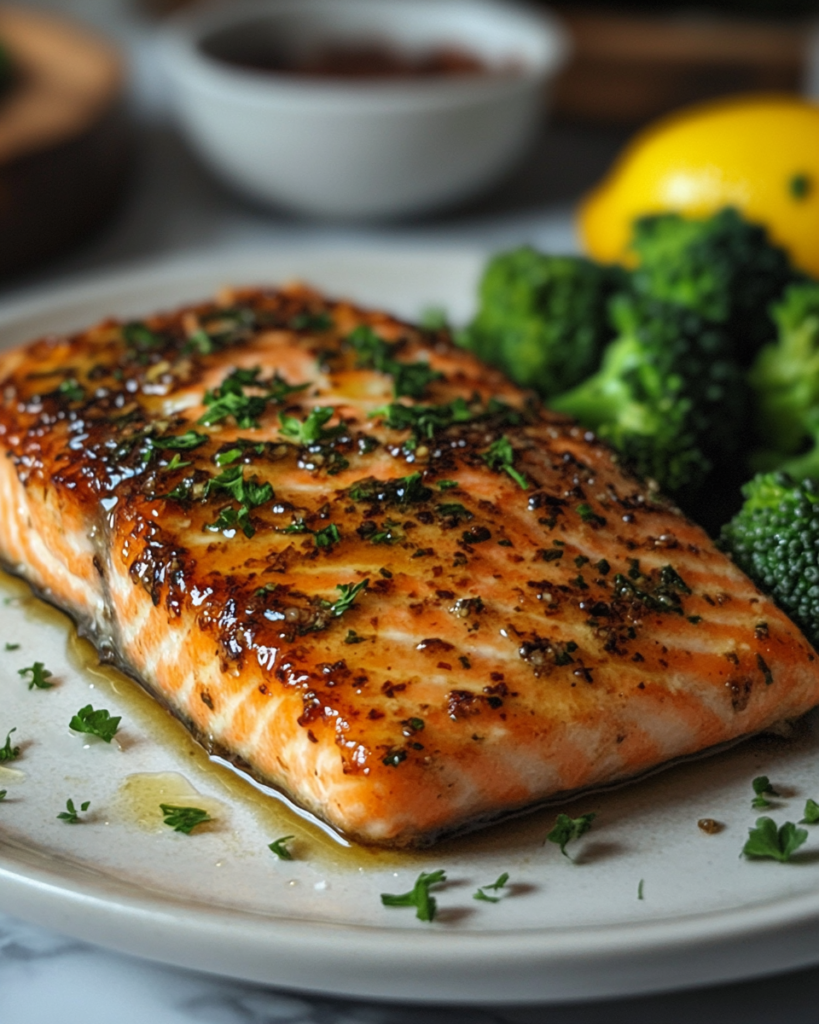
Healthy Honey Garlic Baked Salmon brings together tender, flaky fish with a glossy glaze made from honey, garlic, and soy sauce. The oven does most of the work, gently cooking the salmon while the sauce thickens into a flavorful coating that clings to each bite. The result is a balanced main dish that pairs sweetness with savory depth in a simple, reliable way.
This recipe works well for weeknight cooking because it requires minimal preparation and uses basic pantry ingredients. The salmon is seasoned, coated, and baked until just cooked through, keeping the texture moist and rich. The honey garlic mixture caramelizes slightly in the oven, creating a light glaze that enhances the natural flavor of the fish.
Served with rice, vegetables, or a light salad, this dish fits a variety of meal styles. It is flexible enough for quick dinners but also polished enough for a planned meal.
Ingredients Overview

This dish relies on a small group of ingredients that work together to create a layered flavor profile. Salmon is the centerpiece, offering a rich texture and natural oils that keep it moist during baking. Fresh fillets are preferred, but frozen salmon can also be used if fully thawed before cooking.
The glaze is built from honey, garlic, soy sauce, and a small amount of oil. Honey provides gentle sweetness and helps the surface of the salmon develop a light caramelized finish in the oven. Garlic adds depth and sharp aroma, balancing the sweetness. Soy sauce introduces saltiness and umami, rounding out the flavor profile. Olive oil helps the glaze spread evenly and prevents dryness during baking.
Optional additions like lemon juice or red pepper flakes can shift the flavor slightly. Lemon adds brightness and acidity, while chili flakes introduce mild heat without overpowering the dish.
Salmon pairs well with simple sides such as rice, quinoa, roasted vegetables, or steamed greens. These sides absorb the extra glaze and complete the meal without competing with the main flavor.
Ingredient quality matters here. Fresh garlic provides stronger aroma than powdered versions, and natural honey creates a smoother glaze than processed syrups. The balance between sweet, salty, and savory elements is what gives this dish its appeal.
Ingredients
1 ½ pounds salmon fillet, cut into portions
3 tablespoons honey
3 tablespoons soy sauce
2 tablespoons olive oil
3 cloves garlic, minced
1 tablespoon lemon juice
½ teaspoon black pepper
½ teaspoon salt
1 teaspoon red pepper flakes (optional)
1 tablespoon chopped parsley (for garnish)
Step-by-Step Instructions
Begin by preparing the oven and baking dish. Preheat the oven to 400 degrees Fahrenheit. Lightly coat a baking dish with oil or line it with parchment paper to prevent sticking and make cleanup easier.
Pat the salmon dry using a paper towel. This step helps the glaze adhere better and supports even cooking. Place the salmon pieces in the prepared baking dish with the skin side down if the skin is left on.
In a small bowl, mix honey, soy sauce, olive oil, minced garlic, lemon juice, black pepper, and salt. Stir until the mixture becomes smooth and fully combined. The honey should dissolve into the liquid ingredients, forming a consistent glaze.
Spoon or brush the mixture evenly over the salmon. Make sure each piece is coated on the top and sides so the flavor spreads during baking. If using red pepper flakes, sprinkle them over the top at this stage.
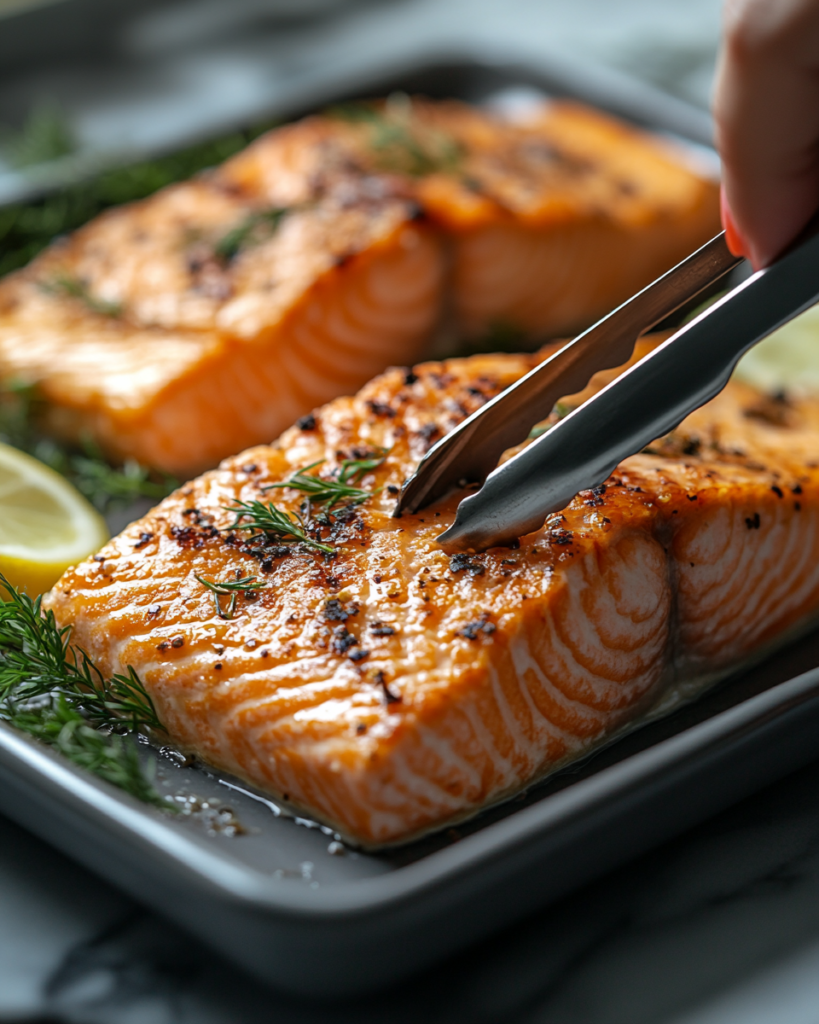
Place the baking dish in the oven and bake for 12 to 15 minutes depending on thickness. The salmon is ready when it flakes easily with a fork and appears opaque in the center. Avoid overcooking, as this can dry out the texture.
For a slightly thicker glaze, spoon some of the pan juices over the salmon halfway through cooking. This helps build flavor and keeps the surface glossy.
Once cooked, remove the salmon from the oven and let it rest for a few minutes. This allows the juices to settle and improves texture. Garnish with chopped parsley before serving.
The final dish should have a lightly caramelized surface with tender, flaky layers inside. The glaze should be present but not heavy, coating the salmon evenly.
Tips, Variations & Substitutions
This recipe is flexible and can be adjusted in several ways depending on preference. Salmon fillets with skin help retain moisture and are easier to handle during baking, but skinless fillets also work well.
For a stronger citrus profile, extra lemon juice or lemon zest can be added to the glaze. This creates a brighter flavor that balances the sweetness of honey. If a deeper savory taste is preferred, a small amount of grated ginger can be included for warmth.
The level of sweetness can be adjusted by reducing or increasing honey. Less honey creates a more savory glaze, while a slightly higher amount produces a thicker, stickier coating.
Soy sauce can be swapped with low sodium versions to reduce salt content. For a gluten free option, tamari works as a substitute without changing the flavor significantly.
Vegetables such as broccoli, green beans, or zucchini can be baked alongside the salmon. They absorb the glaze and cook in the same timeframe, making the meal more complete without extra steps.
This dish also works well for meal preparation. Cooked salmon can be stored in sealed containers and reheated gently without losing too much moisture.
Serving Ideas & Occasions
Healthy Honey Garlic Baked Salmon fits well into both casual meals and more planned dinners. It can be served over steamed rice, quinoa, or mashed potatoes, which absorb the glaze and balance the richness of the fish.
For a lighter option, it pairs well with green salads or roasted vegetables. A simple cucumber salad or sautéed spinach also works as a side.
This dish is suitable for family dinners, quick weeknight meals, or simple gatherings. It can be plated individually or served family-style with sides arranged around the salmon.
A mild drink such as sparkling water with lemon or iced herbal tea complements the flavors without overpowering them.
Nutritional & Health Notes
Salmon is a strong source of protein and contains natural omega-3 fats, which are known for supporting general wellness and heart health. The fish also provides essential nutrients such as vitamin D and B vitamins.
Honey adds natural sweetness without the need for refined sugar, while garlic contributes depth of flavor with minimal calories. Soy sauce adds saltiness, so portion control can help manage sodium levels if needed.
Olive oil provides healthy fats that support balance in the dish and help carry flavor throughout the glaze. When paired with vegetables or whole grains, this meal becomes a well-rounded plate with protein, carbohydrates, and fats.
Adjusting portion sizes or sides can shift the nutritional balance depending on dietary needs. Adding more vegetables increases fiber and volume without significantly increasing calories.
FAQs
What type of salmon works best for this recipe?
Fresh salmon fillets are ideal because they have a firm texture and natural moisture that holds up well during baking. Atlantic or sockeye salmon both work, depending on availability. Frozen salmon can also be used if fully thawed and patted dry before cooking. Thickness may affect cooking time slightly, so even-sized portions help ensure consistent results.
Can I use a different sweetener instead of honey?
Yes, maple syrup can be used as a substitute for honey. It creates a slightly different flavor profile but still provides sweetness and helps the glaze caramelize. Brown sugar mixed with a small amount of water can also work, though it may create a thicker coating. Each option changes the final taste slightly while maintaining balance.
How do I know when the salmon is fully cooked?
The salmon is done when it turns opaque and flakes easily with a fork. The internal texture should be soft but not raw in the center. Overcooking should be avoided, as it can dry out the fish. Cooking time usually ranges between 12 to 15 minutes depending on thickness.
Can I prepare this dish ahead of time?
Yes, the glaze can be mixed in advance and stored in the refrigerator. The salmon can also be coated and kept in the fridge for a short period before baking. However, it is best baked fresh to maintain texture. Leftovers can be stored and reheated gently.
What vegetables go well with honey garlic salmon?
Broccoli, green beans, asparagus, and zucchini are all good choices. They roast well alongside the salmon and absorb some of the glaze. Leafy greens such as spinach also pair well when sautéed lightly. These vegetables help balance the richness of the fish.
Can this recipe be made without soy sauce?
Soy sauce can be replaced with tamari for a gluten free option or coconut aminos for a milder flavor. Each substitute provides saltiness and umami, though the taste will vary slightly. The glaze still works well without soy sauce, but seasoning may need small adjustments.
Is it possible to cook this on the stovetop instead of the oven?
Yes, the salmon can be cooked in a skillet over medium heat. The glaze should be added while cooking, allowing it to thicken as it reduces. Covering the pan briefly helps cook the salmon evenly. The stovetop method creates a slightly more caramelized surface.