Honey Garlic Salmon Recipe
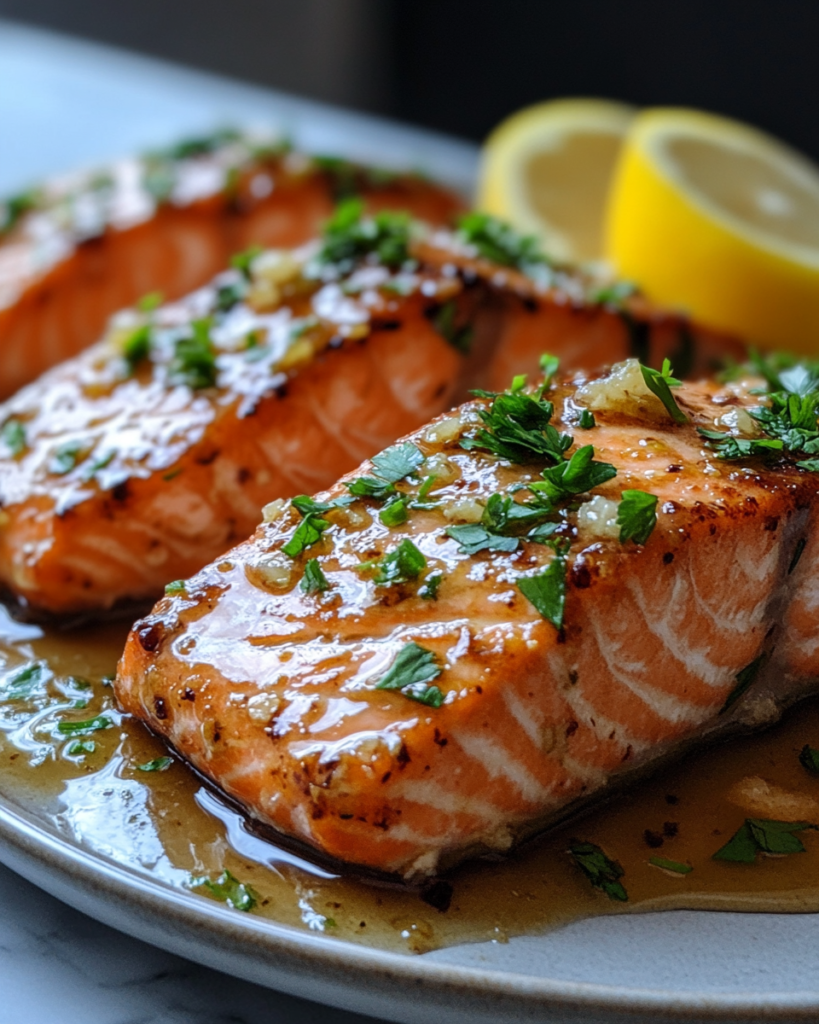
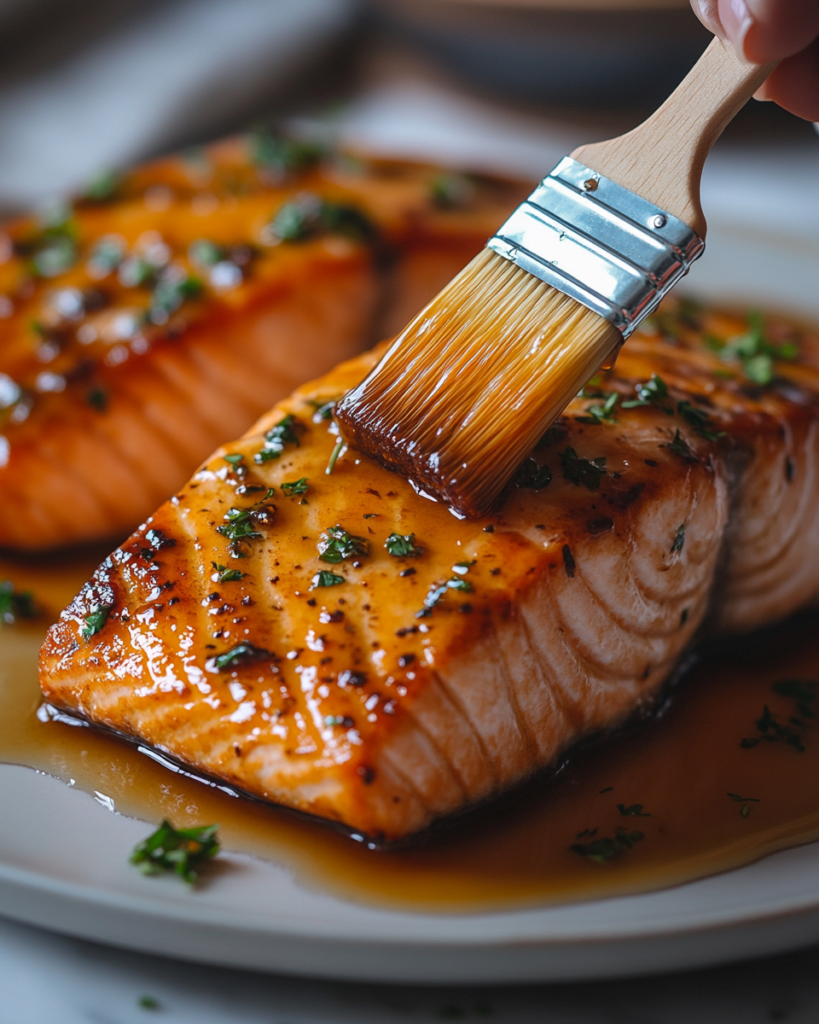
Honey garlic salmon cooked in a skillet brings together tender fish, a glossy sweet-savory glaze, and a rich aroma that develops as it cooks. The combination of honey, garlic, and soy sauce creates a balanced coating that clings to each piece of salmon, forming a caramelized surface while keeping the inside moist and flaky.
This dish works well for both quick dinners and planned meals because it cooks in a short time while still delivering deep flavor. The salmon absorbs the sauce as it simmers, and the glaze thickens slightly to create a silky finish that pairs well with rice, vegetables, or noodles.
Each bite carries a mix of mild sweetness, gentle saltiness, and garlic warmth. The skillet method allows the exterior to develop a light sear before the sauce is added, which improves texture and helps lock in moisture.
Simple pantry ingredients come together to form a dish that feels complete without requiring complex preparation. The process stays straightforward from start to finish, making it suitable for both beginners and experienced home cooking.
Ingredients Overview
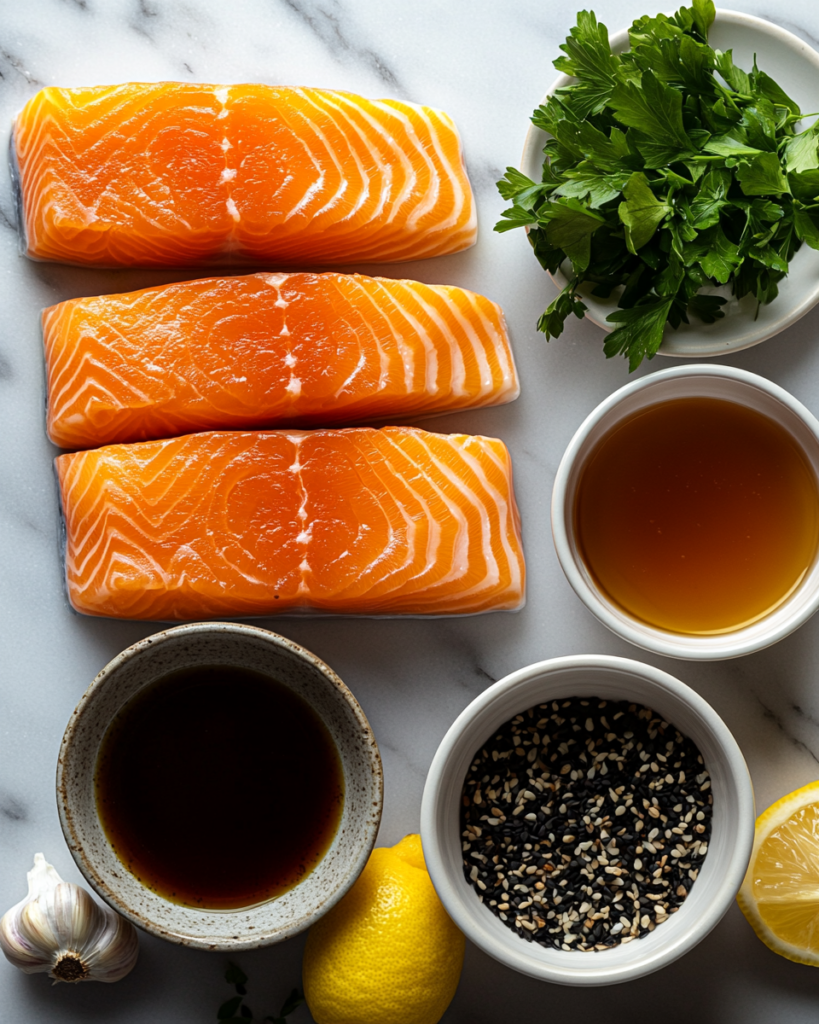
Salmon is the centerpiece of this recipe. Fillets with skin work well because the skin helps protect the flesh during cooking and adds structure when searing. The natural richness of salmon pairs well with bold sauces, especially those with sweet and savory balance.
Honey provides sweetness and helps form the glaze that coats the fish. As it heats, it thickens and blends with the other liquids, creating a smooth texture that sticks to the salmon surface.
Soy sauce brings saltiness and depth. It also contributes color, helping the glaze turn a rich brown tone as it reduces in the pan. Garlic adds strong aromatic notes that infuse the sauce as it cooks, giving the dish its signature flavor base.
Lemon juice introduces brightness that cuts through the richness of the salmon and balances the sweetness of honey. A small amount of olive oil supports the searing process and prevents sticking in the skillet.
Cornstarch mixed with water can be used to slightly thicken the sauce if a denser glaze is preferred. Black pepper adds mild heat and enhances the overall seasoning profile.
Substitutions are flexible. Maple syrup can replace honey for a deeper sweetness. Tamari can be used instead of soy sauce for a slightly different salt profile. Fresh ginger may also be added for extra aroma and warmth.
Ingredients
4 salmon fillets, about 6 ounces each
3 tablespoons honey
3 tablespoons soy sauce
2 cloves garlic, minced
1 tablespoon lemon juice
1 tablespoon olive oil
1 teaspoon cornstarch mixed with 2 teaspoons water (optional)
1/4 teaspoon black pepper
1/4 teaspoon salt
1 tablespoon chopped parsley for garnish
Step-by-Step Instructions
Begin by patting the salmon fillets dry with a paper towel. This step helps create a better surface for searing and allows the skin or exterior to develop a light crust. Season both sides with salt and black pepper.
Heat olive oil in a large skillet over medium heat. Once the oil is warm, place the salmon fillets skin side down if using skin-on pieces. Allow them to cook without moving for several minutes until the underside becomes golden and crisp.
Carefully flip the fillets and cook the other side briefly. The goal is to lightly sear the outside while keeping the inside slightly undercooked since it will finish in the sauce later.
Remove the salmon from the skillet and set it aside on a plate. In the same pan, add minced garlic and stir for a short time until it becomes fragrant. Keep the heat moderate to avoid burning.
Pour in soy sauce, honey, and lemon juice. Stir the mixture as it begins to warm so the honey dissolves evenly into the liquid. Allow the sauce to simmer gently until it starts to thicken slightly.
If a thicker glaze is preferred, add the cornstarch mixture and stir continuously. The sauce will begin to take on a smoother and denser texture within a short time.
Return the salmon fillets to the skillet, spooning the sauce over the top. Let them cook in the glaze for a few minutes until fully cooked through. The sauce should coat the fish evenly and cling to the surface.
Remove the skillet from heat and allow the salmon to rest briefly. Garnish with chopped parsley before serving.
Tips, Variations & Substitutions
Keeping heat at a moderate level during cooking helps prevent the honey from burning. High heat can cause the glaze to darken too quickly and lose balance in flavor.
For a stronger aroma, a small amount of fresh ginger can be added to the sauce along with garlic. This introduces a deeper layer of warmth that blends well with the sweetness.
Maple syrup can be used in place of honey for a slightly richer taste. Tamari works as a substitute for soy sauce while maintaining a similar salt profile.
Adding a pinch of chili flakes brings mild heat that contrasts with the sweetness of the glaze. This works well for those who prefer a bit more intensity.
The salmon can also be baked instead of pan-seared. In that method, the sauce is prepared separately and poured over the fish near the end of cooking.
Serving Ideas & Occasions
Honey garlic salmon pairs well with steamed rice, quinoa, or lightly seasoned noodles. These sides absorb the glaze and balance the richness of the fish.
Vegetables such as broccoli, green beans, or carrots complement the dish and add freshness. A light salad with citrus dressing also works well alongside the salmon.
This dish fits both weekday meals and more relaxed weekend dining. It can be plated individually or served family-style with sides arranged around the salmon.
Leftovers can be stored and reheated gently in a skillet to maintain texture. The glaze helps keep the fish moist even after reheating.
Nutritional & Health Notes
Salmon provides a source of protein and natural fats. These fats contribute to a rich texture and support satiety in meals. The fish also contains nutrients that are commonly part of balanced diets.
Honey adds sweetness while soy sauce contributes sodium, so portion balance can be considered depending on dietary needs. Lemon juice and garlic add flavor without increasing heaviness.
Serving salmon with vegetables and whole grains creates a more balanced plate with varied textures and nutrients. Adjusting sauce quantity allows control over overall richness.
FAQs
Can frozen salmon be used for this recipe?
Frozen salmon works well when fully thawed before cooking. It should be brought to refrigerator temperature and patted dry to remove excess moisture. This helps achieve a better sear and prevents excess liquid in the skillet. Once thawed properly, the cooking steps remain the same as fresh salmon. Texture remains tender when handled carefully during cooking.
What type of salmon is best?
Atlantic or sockeye salmon both work for this recipe. Atlantic salmon has a milder flavor and higher fat content, which creates a softer texture. Sockeye salmon has a firmer texture and stronger taste. Both absorb the honey garlic glaze well, so the choice depends on personal preference and availability.
Can the sauce be made thicker?
Yes, the sauce can be thickened by adding a cornstarch and water mixture. This should be stirred into the simmering sauce until it begins to reduce into a glaze-like texture. Allowing it to simmer slightly longer also helps achieve a thicker consistency without additional ingredients.
Can this recipe be baked instead of cooked in a skillet?
Yes, the salmon can be baked in an oven. The sauce is prepared separately on the stove and poured over the salmon during the final stage of baking. This method produces a slightly different texture but still maintains the same flavor profile.
What vegetables pair well with this dish?
Broccoli, asparagus, carrots, and green beans pair well with honey garlic salmon. These vegetables can be steamed, roasted, or lightly sautéed. Their mild flavor complements the glaze and adds freshness to the plate.
Can the honey be replaced?
Maple syrup is a common substitute for honey in this recipe. It creates a deeper sweetness with a slightly different aroma. Brown sugar mixed with a small amount of water can also be used in place of honey if needed.
How should leftovers be stored?
Leftover salmon should be placed in an airtight container and stored in the refrigerator. It is best consumed within a short period for best texture. Reheating in a skillet over low heat helps maintain moisture and keeps the glaze from drying out.