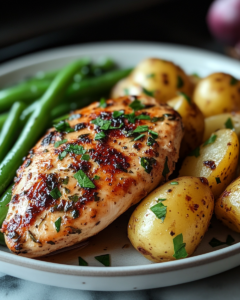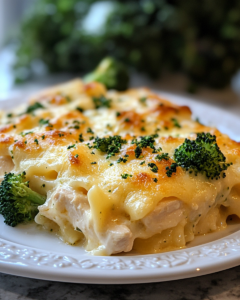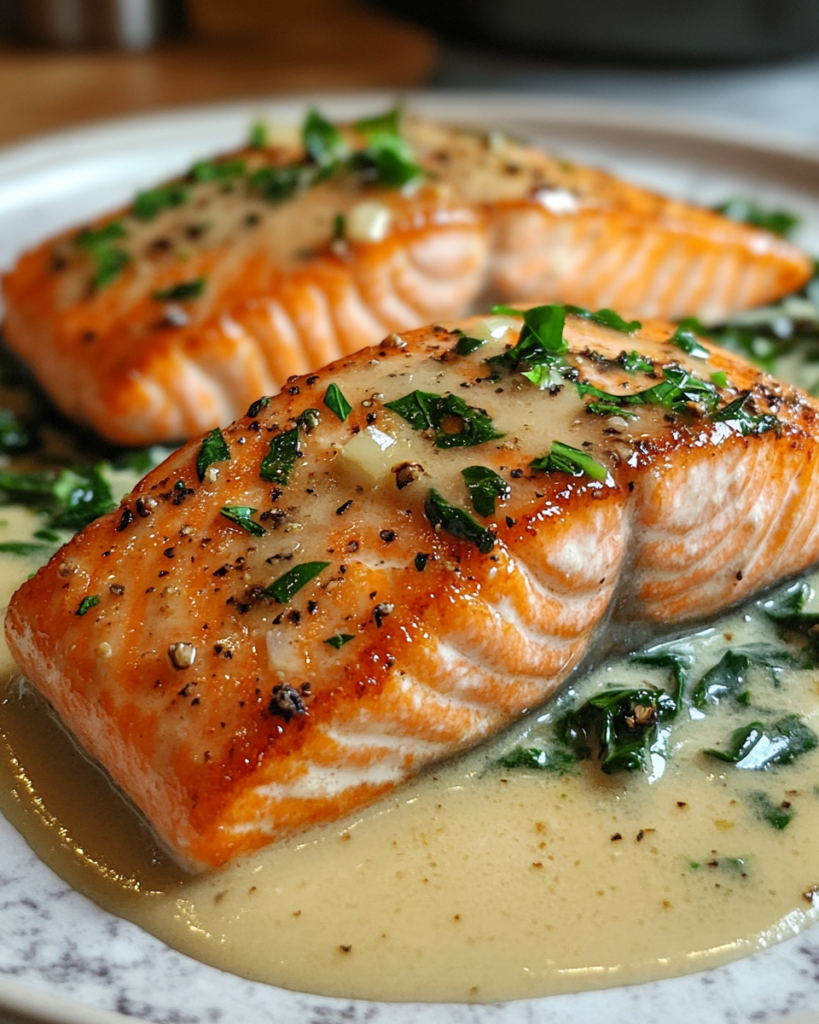
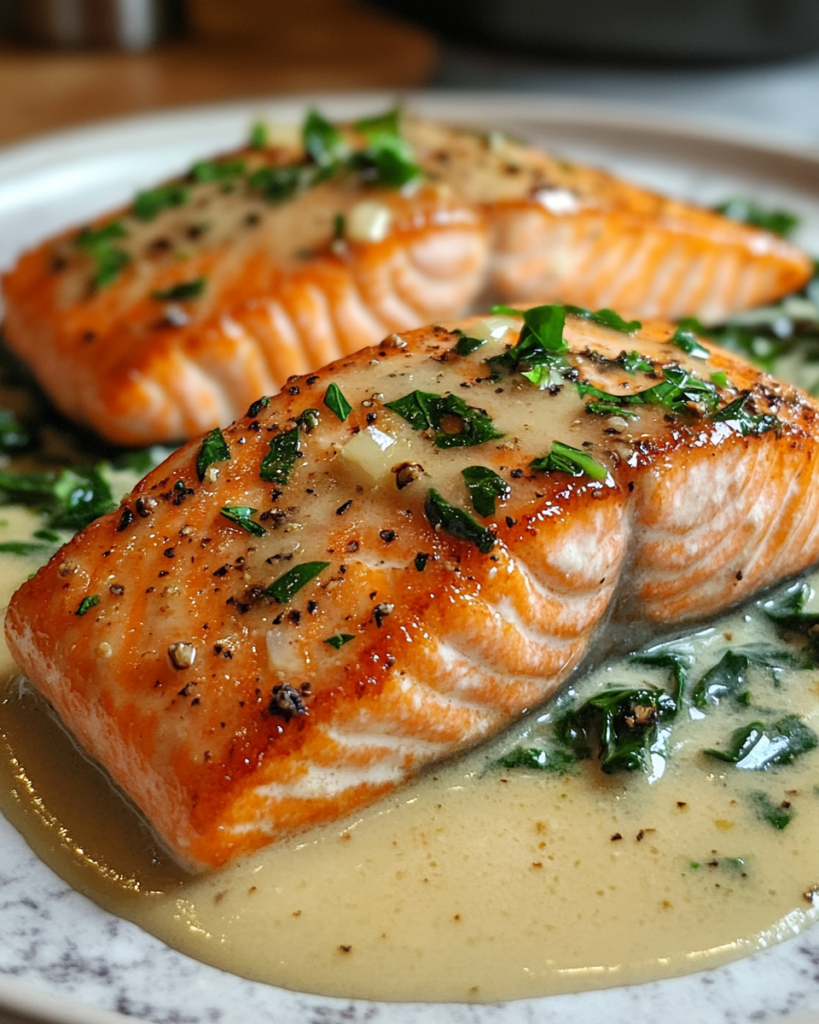
Keto Salmon Recipe brings a pan-seared favorite
Keto Salmon Recipe focuses on a low-carb way of preparing salmon that keeps the natural flavor of the fish at the center while pairing it with ingredients that fit a keto style of eating. The dish leans on high-quality salmon fillets, healthy fats, and a few seasonings that build depth without adding unnecessary carbohydrates.
Salmon works well for this approach because it naturally contains healthy fats and cooks quickly. When seared in a hot pan or baked in the oven, the exterior develops a light crust while the inside stays tender and moist. This balance of texture is a big reason it is a common choice for keto meals.
The flavor profile in this recipe is built around butter, garlic, lemon, and herbs. These ingredients bring richness and brightness without adding heaviness. The result is a meal that feels satisfying on its own but also pairs easily with low-carb vegetables like broccoli, asparagus, or cauliflower mash.
Keto Salmon Recipe also fits well into busy routines because it requires minimal preparation time. With a short cooking window and straightforward steps, it can be prepared for lunch or dinner without complicated techniques or special equipment.
Ingredients Overview
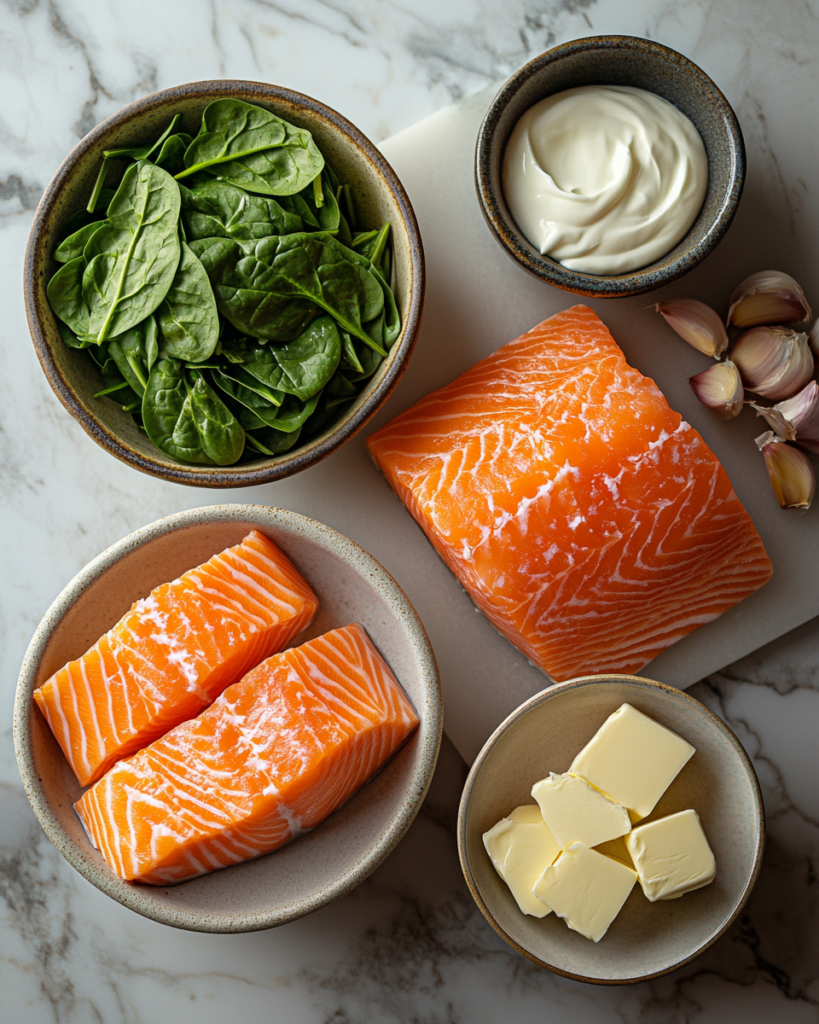
Salmon fillets are the main focus of this recipe. They provide a naturally rich texture and mild flavor that pairs well with both butter and citrus. Skin-on fillets are often preferred because the skin helps hold the fish together during cooking and adds a slightly crisp finish when seared properly.
Butter is used as the cooking fat and flavor base. It melts into the pan and carries seasoning evenly across the salmon surface. It also helps create a light golden crust when the fish is seared over medium-high heat.
Garlic adds a warm savory note that blends into the butter as it cooks. It should be used in a way that allows it to soften without burning, since burnt garlic can change the flavor of the dish.
Lemon juice brings brightness that balances the richness of the salmon and butter. It is usually added near the end of cooking or as a finishing touch. Lemon zest can also be added for extra citrus aroma without adding acidity.
Olive oil is often used alongside butter to raise the cooking temperature and prevent burning. It also adds a mild fruity note that works well with fish.
Salt and black pepper form the base seasoning. They highlight the natural flavor of the salmon without overpowering it. Fresh or dried herbs such as parsley, dill, or thyme can be added for extra depth.
Together, these ingredients create a balanced dish where richness, freshness, and light seasoning work in harmony.
Ingredients
4 salmon fillets (about 6 ounces each)
2 tablespoons olive oil
3 tablespoons unsalted butter
3 cloves garlic, minced
1 tablespoon lemon juice
1 teaspoon lemon zest
1 teaspoon salt
1/2 teaspoon black pepper
1 teaspoon dried parsley or fresh chopped parsley
Optional: asparagus or broccoli for serving
Step-by-Step Instructions
Start by patting the salmon fillets dry with a paper towel. Removing surface moisture helps the fish develop a better sear and prevents sticking in the pan. Season both sides with salt and black pepper, pressing the seasoning lightly into the surface.
Place a large skillet over medium-high heat and add olive oil. Allow the oil to warm until it moves easily across the pan. Place the salmon fillets skin-side down if they have skin. Press lightly for a few seconds so the skin stays flat and makes full contact with the pan.
Cook the salmon without moving it for several minutes. The goal is to allow a golden crust to form on the bottom. Once the edges begin to turn opaque, gently flip the fillets using a spatula. Cook the other side for a shorter time until the fish reaches a tender and flaky texture.
Lower the heat slightly and add butter to the pan. As it melts, add minced garlic. Stir gently so the garlic softens in the butter without turning dark. This step builds a light aromatic base that coats the salmon.
Spoon the melted butter mixture over the salmon several times so the flavor spreads across the fillets. Add lemon juice and lemon zest at this stage, allowing them to mix with the warm butter.
Sprinkle parsley over the top and let the salmon rest in the pan for a short moment. This helps the juices settle and keeps the texture moist. Remove from heat once the fish flakes easily with a fork.
Tips, Variations & Substitutions
Cooking time can vary depending on the thickness of the salmon fillets. Thicker pieces need a bit more time on the heat, while thinner cuts cook quickly. Watching the color change from translucent to opaque helps guide doneness.
If a stronger herb flavor is preferred, dill works especially well with salmon and lemon. Thyme also adds a light earthy note that blends into the butter base.
For a slightly crisp outer layer, the salmon can be started in a hot pan and finished in the oven. This method helps thicker fillets cook evenly without drying the surface.
Avocado oil can be used instead of olive oil for a higher heat tolerance. It has a neutral flavor that does not interfere with the seasoning.
For a dairy-free version, butter can be replaced with additional olive oil, though the final flavor will be lighter and less creamy.
Serving Ideas & Occasions
Keto Salmon Recipe pairs well with low-carb vegetables such as roasted asparagus, sautéed spinach, zucchini noodles, or steamed broccoli. These sides complement the richness of the fish without adding heavy carbohydrates.
It also works well with cauliflower mash, which provides a soft texture similar to mashed potatoes but with a lighter profile. A simple green salad with olive oil dressing can also complete the plate.
This dish fits into both weekday meals and more relaxed weekend cooking. It is quick enough for busy schedules but still feels complete and satisfying on the plate.
For presentation, a slice of lemon on the side and a sprinkle of fresh herbs add color and freshness to the finished dish.
Nutritional & Health Notes
Salmon is naturally rich in protein and healthy fats, which makes it a strong fit for low-carb eating patterns. It also contains omega-3 fatty acids that are commonly included in balanced meal plans.
Butter and olive oil add additional fats that support the keto structure of the dish. The amount used can be adjusted depending on personal preference.
Since this recipe contains no added sugars or starches, it remains aligned with a low-carb approach while still offering a satisfying meal experience. Pairing it with vegetables helps round out fiber intake and adds variety to the plate.
FAQs
How do I know when salmon is fully cooked?
Salmon is ready when the color changes from deep translucent pink to a lighter opaque shade. The flesh should separate easily when tested with a fork. Overcooking can make it dry, so removing it from heat as soon as it flakes is the best approach. A slight softness in the center is normal, as it continues to cook slightly after leaving the pan.
Can frozen salmon be used for this recipe?
Frozen salmon works well when thawed properly before cooking. It should be fully defrosted in the refrigerator and patted dry to remove excess moisture. This step helps achieve better browning in the pan. Cooking time may vary slightly depending on thickness, but the process remains the same.
What can I use instead of butter?
Olive oil or avocado oil can replace butter if needed. These options still provide healthy fats and work well for searing salmon. The flavor will be slightly lighter without butter, but the garlic and lemon still bring strong taste to the dish.
Can this recipe be baked instead of pan-seared?
Yes, the salmon can be baked in the oven at moderate heat until it becomes flaky. The butter, garlic, and lemon mixture can be brushed over the fish before and during baking. This method is helpful when cooking multiple fillets at once.
What vegetables pair best with keto salmon?
Low-carb vegetables such as asparagus, spinach, broccoli, and zucchini work well. These options complement the richness of salmon without adding extra starch. They can be roasted, steamed, or sautéed depending on preference.
How can I add more flavor to the salmon?
Extra herbs such as dill, thyme, or rosemary can be added for more depth. A light sprinkle of paprika or chili flakes can also add warmth. Marinating the salmon briefly before cooking can also enhance flavor without adding carbs.
Can this dish be prepared ahead of time?
Salmon is best served fresh, but it can be cooked ahead and stored in a sealed container in the refrigerator. Reheating gently over low heat helps maintain texture. Avoid high heat during reheating, as it can dry out the fish.