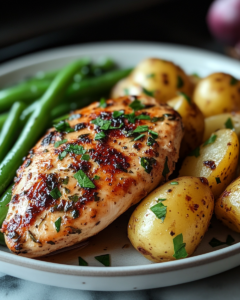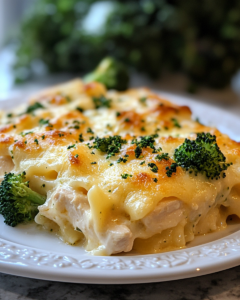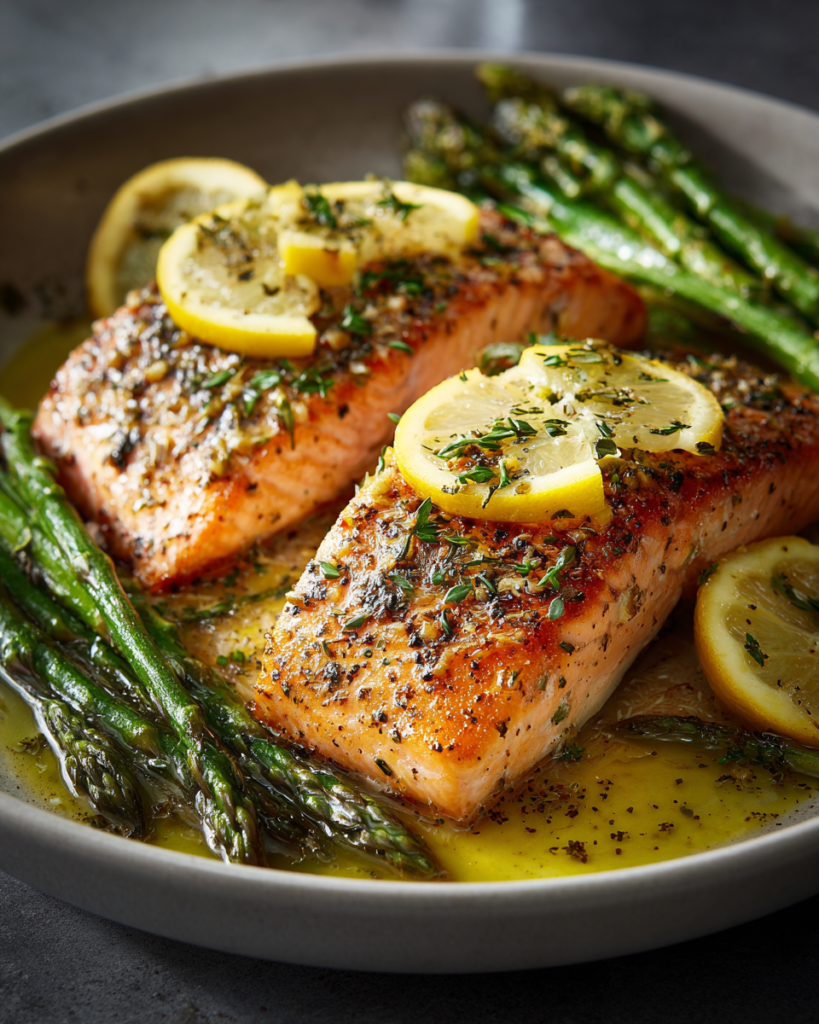
Light and Fresh Salmon Recipe is the perfect choice when you want a meal that feels clean, vibrant, and satisfying without being heavy. This dish highlights the natural richness of salmon while balancing it with bright, refreshing flavors like lemon, herbs, and crisp vegetables. The result is a beautifully simple entrée that feels both nourishing and elegant.
Salmon is known for its tender texture and delicate flavor, making it ideal for light preparations that don’t overpower its natural qualities. When paired with fresh ingredients and cooked with care, it becomes a dish that is both comforting and refined. Whether you are preparing a quick weekday dinner or a relaxed weekend meal, this Light and Fresh Salmon Recipe brings together ease and flavor in every bite.
The beauty of this recipe lies in its simplicity. With just a handful of wholesome ingredients and straightforward steps, you can create a dish that looks and tastes restaurant-worthy. It’s a reliable option when you want something nutritious, flavorful, and visually appealing without spending hours in the kitchen.
Ingredients Overview
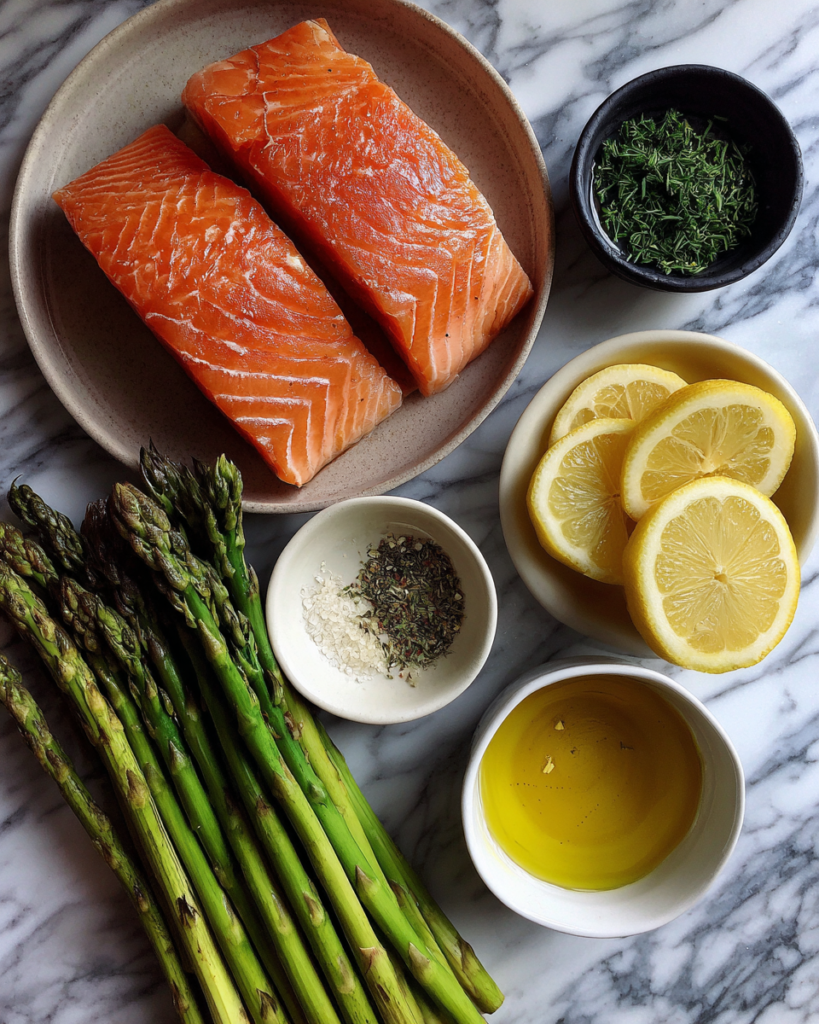
At the center of this Light and Fresh Salmon Recipe is high-quality salmon. Fresh salmon fillets should have a vibrant color and a firm texture, which ensures a moist and flaky result when cooked. Salmon provides natural richness, so it pairs best with ingredients that brighten and balance its flavor rather than compete with it.
Citrus plays a key role in keeping the dish light. Fresh lemon juice adds a clean acidity that cuts through the richness of the fish while enhancing its natural taste. Lemon zest can also be added for a more intense citrus aroma without extra liquid.
Herbs such as parsley, dill, or basil contribute freshness and color. They bring a garden-like quality to the dish, making each bite feel vibrant and balanced. Garlic adds a subtle depth, while olive oil helps carry flavors and keeps the salmon moist during cooking.
For added texture and variety, simple vegetables like asparagus, cherry tomatoes, or cucumbers can be served alongside or even cooked with the salmon. These vegetables complement the fish without overpowering it. If needed, substitutions like lime instead of lemon or dried herbs instead of fresh can work well while maintaining the overall character of the dish.
Each ingredient contributes to a balanced result: the salmon offers richness, citrus adds brightness, herbs provide freshness, and olive oil ties everything together. The combination creates a dish that feels complete without being complicated.
Ingredients
4 salmon fillets (about 6 ounces each)
2 tablespoons olive oil
2 tablespoons fresh lemon juice
1 teaspoon lemon zest
2 cloves garlic, minced
1 teaspoon salt
1/2 teaspoon black pepper
1 tablespoon fresh parsley, chopped
1 tablespoon fresh dill, chopped
1 cup cherry tomatoes, halved
1 bunch asparagus, trimmed
Step-by-Step Instructions
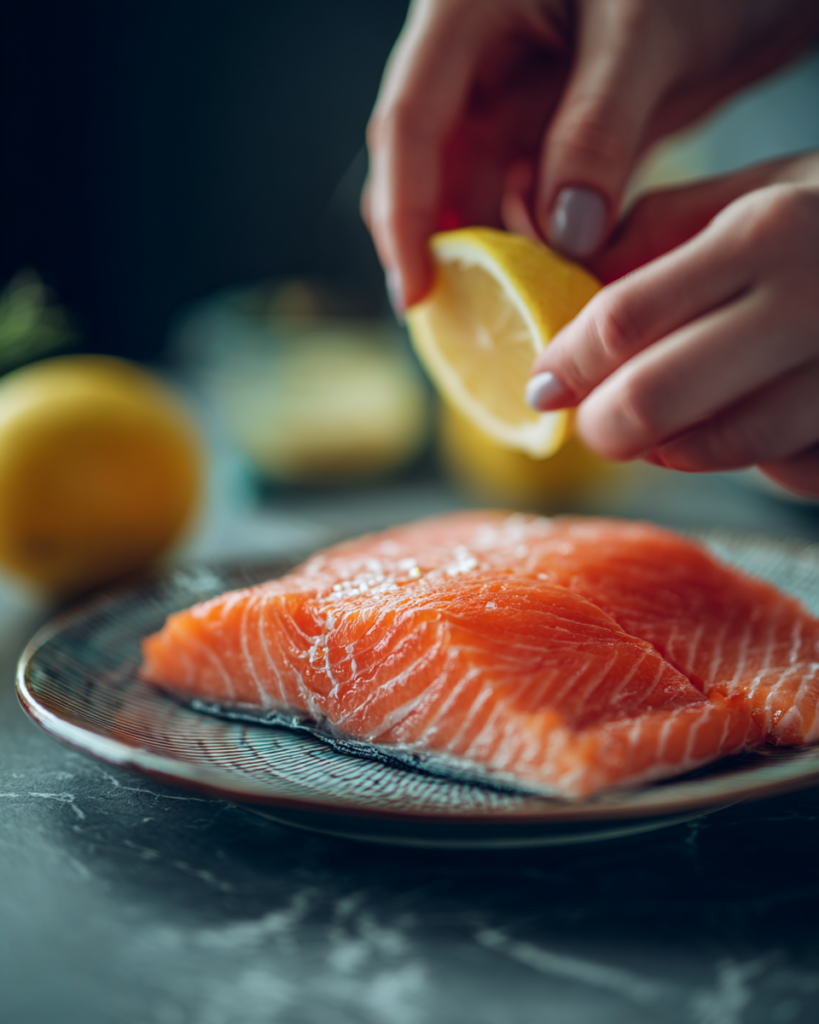
Begin by preheating your oven to 400°F (200°C). Lightly grease a baking dish or line it with parchment paper to prevent sticking and make cleanup easier. Pat the salmon fillets dry with paper towels to remove excess moisture, which helps achieve better texture during cooking.
In a small bowl, whisk together olive oil, lemon juice, lemon zest, minced garlic, salt, and black pepper. This mixture acts as both a marinade and a light sauce that keeps the salmon flavorful and moist. Place the salmon fillets in the prepared baking dish and brush the mixture evenly over each piece.
Arrange the asparagus and cherry tomatoes around the salmon. Drizzle a small amount of olive oil over the vegetables and sprinkle lightly with salt and pepper. This allows everything to cook together, blending flavors while keeping preparation simple.
Transfer the dish to the oven and bake for 12–15 minutes, depending on the thickness of the fillets. The salmon is done when it flakes easily with a fork and has an opaque center. Avoid overcooking, as this can dry out the fish and reduce its delicate texture.
Once cooked, remove the dish from the oven and sprinkle fresh parsley and dill over the top. Let the salmon rest for a few minutes before serving. This brief resting time allows the juices to redistribute, keeping the fish tender and flavorful.
Common mistakes include cooking the salmon for too long or skipping the drying step before seasoning. Both can affect the final texture. Keeping an eye on cooking time and using fresh ingredients will result in a dish that is both light and satisfying.
Tips, Variations & Substitutions
For extra flavor, allow the salmon to sit in the lemon and olive oil mixture for 10–15 minutes before baking. This short marinating time helps the flavors absorb without overpowering the fish.
If you prefer a crisp exterior, you can sear the salmon in a hot pan for 2–3 minutes before transferring it to the oven. This adds a golden crust while keeping the inside tender.
For variation, try swapping lemon with lime or adding a touch of honey for a subtle sweetness. Fresh herbs can be adjusted based on availability—basil or cilantro can provide a different but equally refreshing profile.
For dietary needs, this recipe is naturally gluten-free and can be adapted further by reducing oil or pairing with lighter sides. Vegetables can also be changed depending on the season, such as zucchini or green beans.
Serving Ideas & Occasions
This Light and Fresh Salmon Recipe is ideal for a variety of occasions, from quick weeknight dinners to relaxed outdoor meals. Its clean flavors make it especially suitable for warm weather or when you want something that feels nourishing without being heavy.
Serve the salmon with a simple side of rice, quinoa, or a crisp green salad. It also pairs well with roasted potatoes or a light pasta tossed in olive oil and herbs. For beverages, consider sparkling water with lemon, a chilled white wine, or a refreshing iced tea.
The presentation can be enhanced by garnishing with extra herbs and lemon slices. Its bright colors and fresh ingredients make it a beautiful addition to any table, whether casual or more formal.
Nutritional & Health Notes
Salmon is a nutrient-rich protein that provides healthy fats, including omega-3 fatty acids, which are important for overall wellness. This Light and Fresh Salmon Recipe keeps the preparation simple, allowing these natural benefits to shine without adding unnecessary heaviness.
The use of olive oil contributes heart-healthy fats, while fresh vegetables add fiber, vitamins, and minerals. Lemon juice provides a burst of flavor without adding calories, making it an excellent choice for lighter meals.
Because the recipe relies on whole, minimally processed ingredients, it fits well into a balanced eating plan. Adjusting portion sizes and side dishes allows flexibility while maintaining its nutritional value.
FAQs
Can I use frozen salmon for this recipe?
Yes, frozen salmon works well if properly thawed. Place it in the refrigerator overnight or use a cold water method for quicker thawing. Pat the fillets dry before seasoning to remove excess moisture, which helps maintain texture and flavor during cooking.
How do I know when the salmon is fully cooked?
Salmon is done when it flakes easily with a fork and appears opaque throughout. The internal temperature should reach 145°F (63°C). Avoid overcooking, as this can make the fish dry and less enjoyable.
Can I cook this salmon on the stovetop instead?
Yes, you can cook it in a skillet over medium heat. Sear each side for about 4–5 minutes, depending on thickness. This method creates a slightly crisp exterior while keeping the inside tender.
What herbs work best with salmon?
Parsley and dill are classic choices for their fresh and mild flavors. However, basil, cilantro, or chives can also be used for a different twist. Choose herbs based on your taste preference and availability.
Can I prepare this recipe ahead of time?
You can prepare the marinade and trim the vegetables in advance. Store them separately in the refrigerator. Assemble and bake just before serving for the best texture and flavor.
What sides pair well with this dish?
Light sides such as salads, steamed vegetables, rice, or quinoa complement the salmon well. These options keep the meal balanced and maintain the fresh, clean feel of the dish.
How should leftovers be stored?
Store leftover salmon in an airtight container in the refrigerator for up to two days. Reheat gently in the oven or enjoy cold in salads to preserve texture and flavor.