Light Chicken Vegetable Pasta: 7 Easy Happy Bowls

Posted on

Uncategorized

Difficulty

Prep time

Cooking time

Total time

Servings

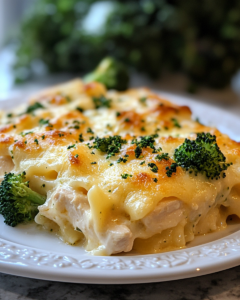
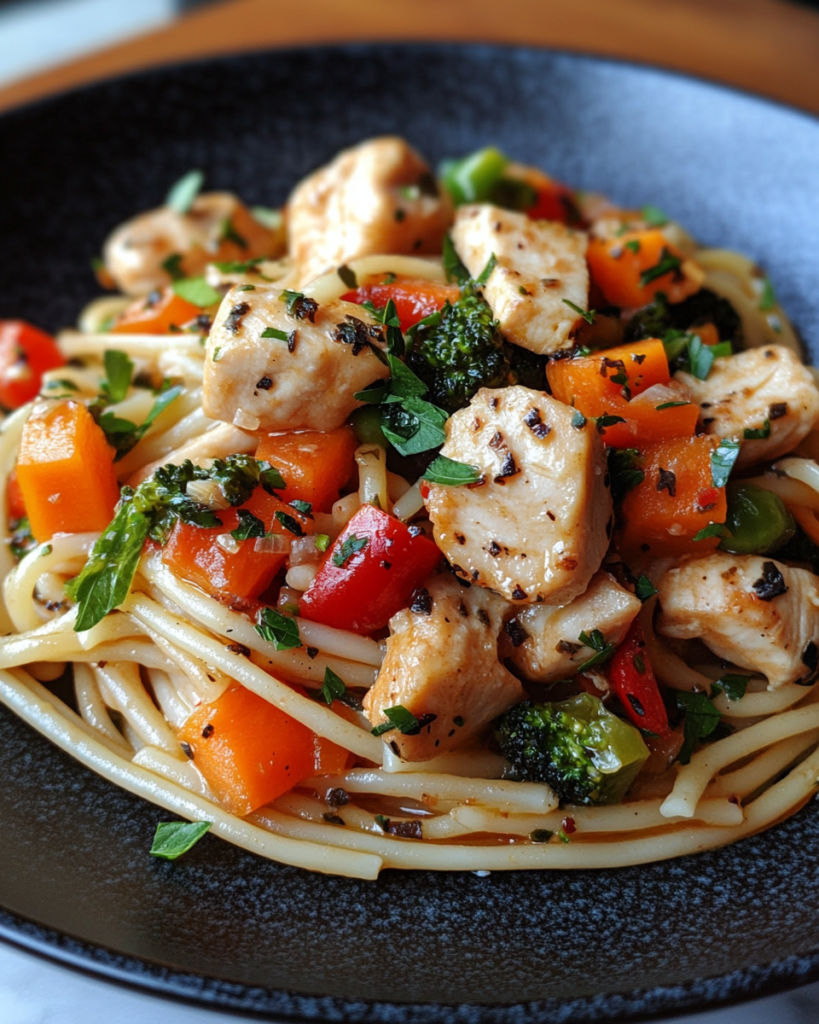
Light Chicken Vegetable Pasta is a fresh, balanced dish that brings together tender chicken, crisp vegetables, and perfectly cooked pasta in a way that feels both satisfying and light. It’s a reliable option for busy weeknights when you want something wholesome without spending hours in the kitchen.

This recipe focuses on simple ingredients that work together to create a clean, comforting flavor. The chicken adds protein and richness, while the vegetables provide color, texture, and natural sweetness. A light sauce ties everything together without feeling heavy, making it suitable for everyday meals.

Whether you are cooking for your family or preparing meals ahead of time, Light Chicken Vegetable Pasta offers flexibility and consistent results. It’s easy to adjust based on what you have available, and it keeps well for later, making it a practical addition to your regular meal rotation.

Ingredients Overview
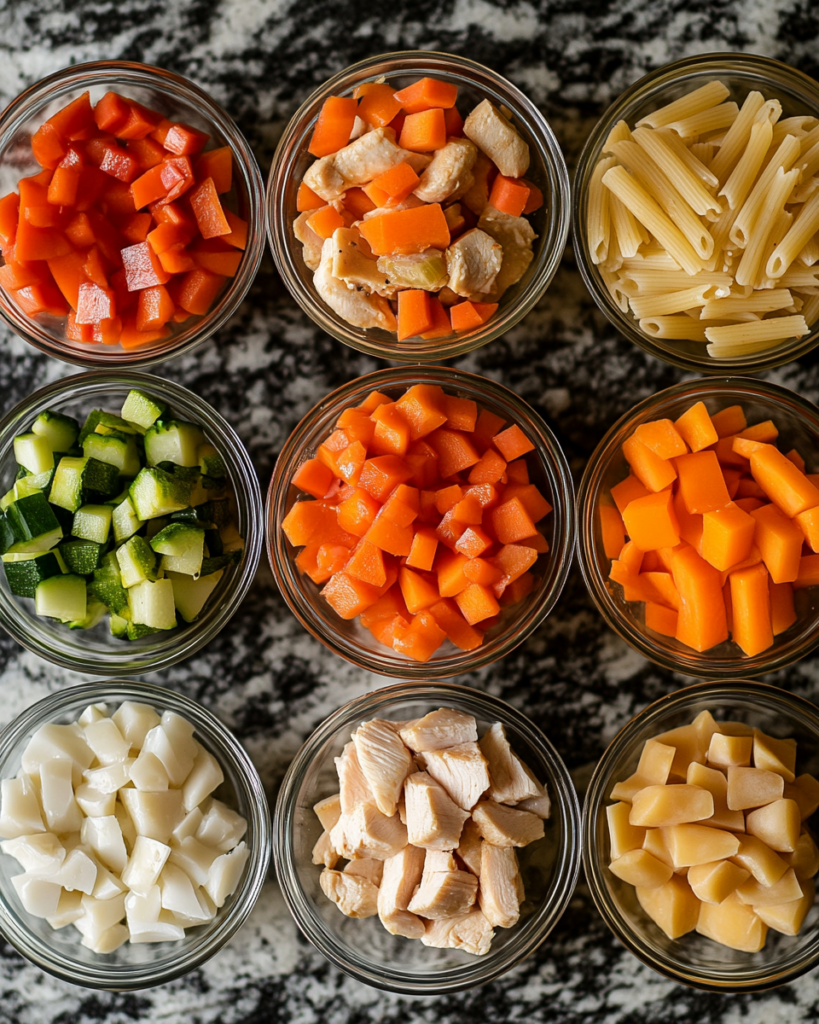
The beauty of Light Chicken Vegetable Pasta lies in its simplicity. Each ingredient plays a specific role in building flavor and texture without overwhelming the dish.

Chicken breast is the main protein source. It cooks quickly and stays tender when handled properly. Cutting it into even pieces helps it cook evenly and prevents dryness. If you prefer, chicken thighs can be used for a slightly richer taste.

Pasta acts as the base of the dish. Short shapes like penne, fusilli, or farfalle work well because they hold onto the light sauce and small vegetable pieces. Whole wheat or gluten-free pasta can also be used depending on dietary needs.

Vegetables bring freshness and balance. Common choices include zucchini, bell peppers, broccoli, and carrots. These vegetables cook quickly and maintain a slight crunch, which contrasts nicely with the soft pasta and chicken.

Garlic and onion provide depth and aroma. They form the foundation of the dish’s flavor without overpowering it. Olive oil is used to sauté and adds a mild richness.

A light sauce made from chicken broth, a splash of lemon juice, and a small amount of grated Parmesan cheese creates a smooth finish. The broth keeps things light, while the cheese adds a gentle savory note.

Substitutions are easy. You can swap vegetables based on season, use shrimp instead of chicken, or replace Parmesan with a dairy-free alternative. The dish adapts well without losing its core character.

Ingredients

2 boneless, skinless chicken breasts, cut into bite-sized pieces
8 ounces penne pasta
2 tablespoons olive oil
3 cloves garlic, minced
1 small onion, finely chopped
1 zucchini, sliced
1 red bell pepper, thinly sliced
1 cup broccoli florets
1 medium carrot, julienned
1/2 cup low-sodium chicken broth
1/4 cup grated Parmesan cheese
1 tablespoon lemon juice
1/2 teaspoon salt
1/4 teaspoon black pepper
1/2 teaspoon dried Italian herbs
2 tablespoons chopped fresh parsley

Step-by-Step Instructions
Start by bringing a large pot of salted water to a boil. Add the pasta and cook according to the package instructions until al dente. Stir occasionally to prevent sticking. Once done, drain and set aside, reserving about half a cup of the pasta water.

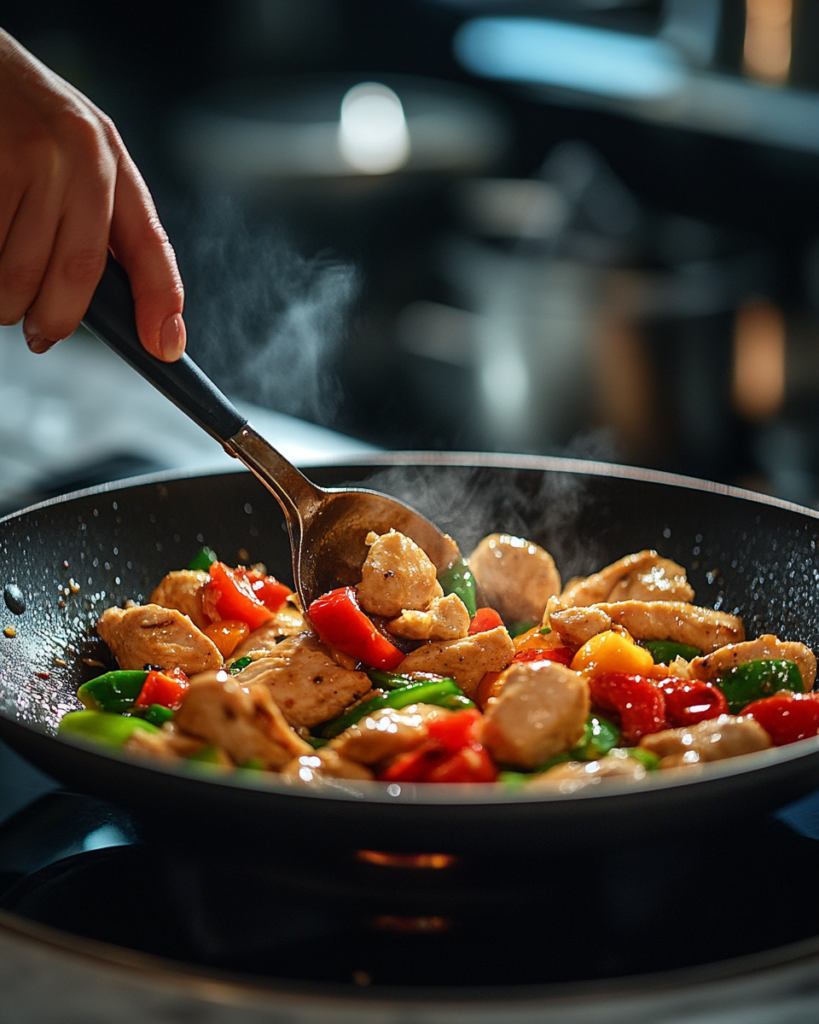
While the pasta cooks, heat one tablespoon of olive oil in a large skillet over medium heat. Add the chicken pieces in a single layer. Cook for about 5–7 minutes, turning occasionally, until the chicken is golden on the outside and fully cooked inside. Remove the chicken from the pan and set it aside.

In the same skillet, add the remaining tablespoon of olive oil. Add the chopped onion and cook for 2–3 minutes until softened. Stir in the garlic and cook for another 30 seconds until fragrant, being careful not to let it burn.

Add the zucchini, bell pepper, broccoli, and carrot to the skillet. Cook for 5–6 minutes, stirring frequently, until the vegetables are tender but still slightly crisp. Overcooking the vegetables can make them soft and reduce their flavor.

Return the cooked chicken to the skillet. Pour in the chicken broth and stir to combine. Let it simmer gently for 2–3 minutes so the flavors can blend.

Add the cooked pasta to the skillet and toss everything together. If the mixture seems dry, add a splash of the reserved pasta water to loosen it. This helps create a light coating over the pasta.

Stir in the lemon juice, Parmesan cheese, salt, pepper, and dried herbs. Toss until everything is evenly combined and heated through. The cheese should melt slightly and create a light sauce.

Finish by sprinkling fresh parsley over the top. Serve immediately while warm.

Avoid overcrowding the pan when cooking the chicken, as this can cause steaming instead of browning. Also, keep an eye on the vegetables to maintain their texture and color.

Tips, Variations & Substitutions

For the best texture, cut all vegetables into similar sizes so they cook evenly. This also improves the overall appearance of the dish.

If you want a slightly richer flavor, you can add a tablespoon of butter at the end. It blends with the broth and cheese to create a smoother finish without making the dish too heavy.

Protein swaps work well in this recipe. Shrimp cooks quickly and pairs nicely with the vegetables. Cooked turkey or even tofu can also be used for different dietary preferences.

For a dairy-free version, skip the Parmesan or replace it with a plant-based alternative. The dish will still have plenty of flavor from the garlic, vegetables, and broth.

You can add extra vegetables like spinach, mushrooms, or cherry tomatoes. Spinach wilts quickly and can be stirred in at the end, while mushrooms add a deeper flavor when sautéed.

If you prefer a bit of heat, add a pinch of red pepper flakes during cooking. This adds a gentle warmth without overpowering the dish.

Whole wheat pasta increases fiber content and gives a slightly nutty taste. Gluten-free pasta works just as well, but be careful not to overcook it.

Serving Ideas & Occasions

Light Chicken Vegetable Pasta is versatile enough for many occasions. It works well as a weeknight dinner because it comes together quickly and uses everyday ingredients.

Serve it with a simple side salad dressed with olive oil and vinegar for a balanced meal. A slice of crusty bread on the side can help soak up the light sauce.

For a more complete spread, pair it with roasted vegetables or a light soup. It also works well as part of a casual gathering where guests can serve themselves.

This dish is ideal for meal prep. It stores well in the refrigerator and can be reheated without losing much of its texture. Pack it into containers for lunches throughout the week.

A glass of sparkling water with lemon or a mild white beverage pairs nicely, complementing the light and fresh flavors without overwhelming them.

Nutritional & Health Notes

Light Chicken Vegetable Pasta offers a balanced mix of protein, carbohydrates, and healthy fats. Chicken provides lean protein, which supports muscle maintenance and keeps you feeling full.

The vegetables contribute fiber, vitamins, and minerals. Including a variety of colors helps provide a broader range of nutrients, supporting overall dietary balance.

Using olive oil adds healthy fats, while keeping the amount moderate helps maintain the dish’s lighter profile. The small amount of cheese adds flavor without significantly increasing calories.

Choosing whole wheat pasta can increase fiber intake, which supports digestion. Reducing the cheese or using a low-sodium broth can help manage sodium levels.

This dish fits well into a general balanced eating pattern when paired with other nutrient-rich foods throughout the day.

FAQs

Can I use pre-cooked chicken for this recipe?

Yes, pre-cooked chicken can be used to save time. Simply cut it into bite-sized pieces and add it to the skillet after the vegetables have cooked. Since the chicken is already cooked, you only need to warm it through for a few minutes. Be careful not to overheat it, as this can make it dry. Rotisserie chicken works particularly well because it already has flavor. Adjust the seasoning slightly, as pre-cooked chicken may already contain salt.

What type of pasta works best?

Short pasta shapes like penne, fusilli, or farfalle are ideal because they hold onto the light sauce and mix well with the vegetables and chicken. Long pasta like spaghetti can also be used, but it may not distribute the ingredients as evenly. Whole wheat pasta adds a slightly nutty flavor and extra fiber, while gluten-free pasta is a good alternative for those with dietary restrictions. Always cook the pasta to al dente for the best texture.

How do I keep the chicken from drying out?

To keep the chicken tender, avoid overcooking it. Cut the pieces evenly so they cook at the same rate, and cook them over medium heat until just done. Removing the chicken from the pan once cooked helps prevent it from drying out while you prepare the rest of the dish. Adding it back at the end allows it to stay moist while still absorbing flavor from the sauce.

Can I make this dish ahead of time?

Yes, this recipe is suitable for meal prep. After cooking, let it cool completely before storing it in airtight containers in the refrigerator. It can be kept for up to three days. When reheating, add a splash of water or broth to bring back moisture and prevent it from becoming dry. Warm it gently on the stove or in the microwave, stirring occasionally for even heating.

What vegetables can I substitute?

You can easily swap vegetables based on what you have available. Spinach, mushrooms, asparagus, and cherry tomatoes all work well. Harder vegetables like carrots and broccoli should be cooked slightly longer, while softer ones like spinach can be added at the end. Keeping a mix of textures helps maintain balance in the dish, so try to include both crisp and tender vegetables.

Is this recipe suitable for a low-calorie diet?

This dish can fit into a lower-calorie eating plan with a few adjustments. Use less oil and reduce the amount of cheese to cut down on calories. Choosing whole wheat pasta can help with satiety, making the meal more filling. Increasing the amount of vegetables while slightly reducing the pasta portion is another way to lower the overall calorie content without sacrificing volume.

Can I freeze Light Chicken Vegetable Pasta?

Freezing is possible, but the texture may change slightly. Pasta can become softer after thawing, and some vegetables may lose their crispness. If you plan to freeze it, slightly undercook the pasta and vegetables so they hold up better later. Store in airtight containers and freeze for up to two months. Thaw in the refrigerator overnight and reheat gently, adding a bit of broth to refresh the texture.

[rank_math_breadcrumb]

Light Chicken Vegetable Pasta: 7 Easy Happy Bowls

Photo of author
Author: Sophia
Published:

Light Chicken Vegetable Pasta is a fresh, balanced dish that brings together tender chicken, crisp vegetables, and perfectly cooked pasta in a way that feels both satisfying and light. It’s a reliable option for busy weeknights when you want something wholesome without spending hours in the kitchen.

This recipe focuses on simple ingredients that work together to create a clean, comforting flavor. The chicken adds protein and richness, while the vegetables provide color, texture, and natural sweetness. A light sauce ties everything together without feeling heavy, making it suitable for everyday meals.

Whether you are cooking for your family or preparing meals ahead of time, Light Chicken Vegetable Pasta offers flexibility and consistent results. It’s easy to adjust based on what you have available, and it keeps well for later, making it a practical addition to your regular meal rotation.

Ingredients Overview

The beauty of Light Chicken Vegetable Pasta lies in its simplicity. Each ingredient plays a specific role in building flavor and texture without overwhelming the dish.

Chicken breast is the main protein source. It cooks quickly and stays tender when handled properly. Cutting it into even pieces helps it cook evenly and prevents dryness. If you prefer, chicken thighs can be used for a slightly richer taste.

Pasta acts as the base of the dish. Short shapes like penne, fusilli, or farfalle work well because they hold onto the light sauce and small vegetable pieces. Whole wheat or gluten-free pasta can also be used depending on dietary needs.

Vegetables bring freshness and balance. Common choices include zucchini, bell peppers, broccoli, and carrots. These vegetables cook quickly and maintain a slight crunch, which contrasts nicely with the soft pasta and chicken.

Garlic and onion provide depth and aroma. They form the foundation of the dish’s flavor without overpowering it. Olive oil is used to sauté and adds a mild richness.

A light sauce made from chicken broth, a splash of lemon juice, and a small amount of grated Parmesan cheese creates a smooth finish. The broth keeps things light, while the cheese adds a gentle savory note.

Substitutions are easy. You can swap vegetables based on season, use shrimp instead of chicken, or replace Parmesan with a dairy-free alternative. The dish adapts well without losing its core character.

Ingredients

2 boneless, skinless chicken breasts, cut into bite-sized pieces
8 ounces penne pasta
2 tablespoons olive oil
3 cloves garlic, minced
1 small onion, finely chopped
1 zucchini, sliced
1 red bell pepper, thinly sliced
1 cup broccoli florets
1 medium carrot, julienned
1/2 cup low-sodium chicken broth
1/4 cup grated Parmesan cheese
1 tablespoon lemon juice
1/2 teaspoon salt
1/4 teaspoon black pepper
1/2 teaspoon dried Italian herbs
2 tablespoons chopped fresh parsley

Step-by-Step Instructions

Start by bringing a large pot of salted water to a boil. Add the pasta and cook according to the package instructions until al dente. Stir occasionally to prevent sticking. Once done, drain and set aside, reserving about half a cup of the pasta water.

While the pasta cooks, heat one tablespoon of olive oil in a large skillet over medium heat. Add the chicken pieces in a single layer. Cook for about 5–7 minutes, turning occasionally, until the chicken is golden on the outside and fully cooked inside. Remove the chicken from the pan and set it aside.

In the same skillet, add the remaining tablespoon of olive oil. Add the chopped onion and cook for 2–3 minutes until softened. Stir in the garlic and cook for another 30 seconds until fragrant, being careful not to let it burn.

Add the zucchini, bell pepper, broccoli, and carrot to the skillet. Cook for 5–6 minutes, stirring frequently, until the vegetables are tender but still slightly crisp. Overcooking the vegetables can make them soft and reduce their flavor.

Return the cooked chicken to the skillet. Pour in the chicken broth and stir to combine. Let it simmer gently for 2–3 minutes so the flavors can blend.

Add the cooked pasta to the skillet and toss everything together. If the mixture seems dry, add a splash of the reserved pasta water to loosen it. This helps create a light coating over the pasta.

Stir in the lemon juice, Parmesan cheese, salt, pepper, and dried herbs. Toss until everything is evenly combined and heated through. The cheese should melt slightly and create a light sauce.

Finish by sprinkling fresh parsley over the top. Serve immediately while warm.

Avoid overcrowding the pan when cooking the chicken, as this can cause steaming instead of browning. Also, keep an eye on the vegetables to maintain their texture and color.

Tips, Variations & Substitutions

For the best texture, cut all vegetables into similar sizes so they cook evenly. This also improves the overall appearance of the dish.

If you want a slightly richer flavor, you can add a tablespoon of butter at the end. It blends with the broth and cheese to create a smoother finish without making the dish too heavy.

Protein swaps work well in this recipe. Shrimp cooks quickly and pairs nicely with the vegetables. Cooked turkey or even tofu can also be used for different dietary preferences.

For a dairy-free version, skip the Parmesan or replace it with a plant-based alternative. The dish will still have plenty of flavor from the garlic, vegetables, and broth.

You can add extra vegetables like spinach, mushrooms, or cherry tomatoes. Spinach wilts quickly and can be stirred in at the end, while mushrooms add a deeper flavor when sautéed.

If you prefer a bit of heat, add a pinch of red pepper flakes during cooking. This adds a gentle warmth without overpowering the dish.

Whole wheat pasta increases fiber content and gives a slightly nutty taste. Gluten-free pasta works just as well, but be careful not to overcook it.

Serving Ideas & Occasions

Light Chicken Vegetable Pasta is versatile enough for many occasions. It works well as a weeknight dinner because it comes together quickly and uses everyday ingredients.

Serve it with a simple side salad dressed with olive oil and vinegar for a balanced meal. A slice of crusty bread on the side can help soak up the light sauce.

For a more complete spread, pair it with roasted vegetables or a light soup. It also works well as part of a casual gathering where guests can serve themselves.

This dish is ideal for meal prep. It stores well in the refrigerator and can be reheated without losing much of its texture. Pack it into containers for lunches throughout the week.

A glass of sparkling water with lemon or a mild white beverage pairs nicely, complementing the light and fresh flavors without overwhelming them.

Nutritional & Health Notes

Light Chicken Vegetable Pasta offers a balanced mix of protein, carbohydrates, and healthy fats. Chicken provides lean protein, which supports muscle maintenance and keeps you feeling full.

The vegetables contribute fiber, vitamins, and minerals. Including a variety of colors helps provide a broader range of nutrients, supporting overall dietary balance.

Using olive oil adds healthy fats, while keeping the amount moderate helps maintain the dish’s lighter profile. The small amount of cheese adds flavor without significantly increasing calories.

Choosing whole wheat pasta can increase fiber intake, which supports digestion. Reducing the cheese or using a low-sodium broth can help manage sodium levels.

This dish fits well into a general balanced eating pattern when paired with other nutrient-rich foods throughout the day.

FAQs

Can I use pre-cooked chicken for this recipe?

Yes, pre-cooked chicken can be used to save time. Simply cut it into bite-sized pieces and add it to the skillet after the vegetables have cooked. Since the chicken is already cooked, you only need to warm it through for a few minutes. Be careful not to overheat it, as this can make it dry. Rotisserie chicken works particularly well because it already has flavor. Adjust the seasoning slightly, as pre-cooked chicken may already contain salt.

What type of pasta works best?

Short pasta shapes like penne, fusilli, or farfalle are ideal because they hold onto the light sauce and mix well with the vegetables and chicken. Long pasta like spaghetti can also be used, but it may not distribute the ingredients as evenly. Whole wheat pasta adds a slightly nutty flavor and extra fiber, while gluten-free pasta is a good alternative for those with dietary restrictions. Always cook the pasta to al dente for the best texture.

How do I keep the chicken from drying out?

To keep the chicken tender, avoid overcooking it. Cut the pieces evenly so they cook at the same rate, and cook them over medium heat until just done. Removing the chicken from the pan once cooked helps prevent it from drying out while you prepare the rest of the dish. Adding it back at the end allows it to stay moist while still absorbing flavor from the sauce.

Can I make this dish ahead of time?

Yes, this recipe is suitable for meal prep. After cooking, let it cool completely before storing it in airtight containers in the refrigerator. It can be kept for up to three days. When reheating, add a splash of water or broth to bring back moisture and prevent it from becoming dry. Warm it gently on the stove or in the microwave, stirring occasionally for even heating.

What vegetables can I substitute?

You can easily swap vegetables based on what you have available. Spinach, mushrooms, asparagus, and cherry tomatoes all work well. Harder vegetables like carrots and broccoli should be cooked slightly longer, while softer ones like spinach can be added at the end. Keeping a mix of textures helps maintain balance in the dish, so try to include both crisp and tender vegetables.

Is this recipe suitable for a low-calorie diet?

This dish can fit into a lower-calorie eating plan with a few adjustments. Use less oil and reduce the amount of cheese to cut down on calories. Choosing whole wheat pasta can help with satiety, making the meal more filling. Increasing the amount of vegetables while slightly reducing the pasta portion is another way to lower the overall calorie content without sacrificing volume.

Can I freeze Light Chicken Vegetable Pasta?

Freezing is possible, but the texture may change slightly. Pasta can become softer after thawing, and some vegetables may lose their crispness. If you plan to freeze it, slightly undercook the pasta and vegetables so they hold up better later. Store in airtight containers and freeze for up to two months. Thaw in the refrigerator overnight and reheat gently, adding a bit of broth to refresh the texture.
Name

Lorem ipsum dolor sit amet, consectetur adipiscing elit. Suspendisse varius enim in eros elementum tristique. Duis cursus, mi quis viverra ornare, eros dolor interdum nulla, ut commodo diam libero vitae erat.

You Might Also Like...

Simple Chicken Breast Dinner Recipes 5 Easy Delicious Meals

Simple Chicken Breast Dinner Recipes 5 Easy Delicious Meals

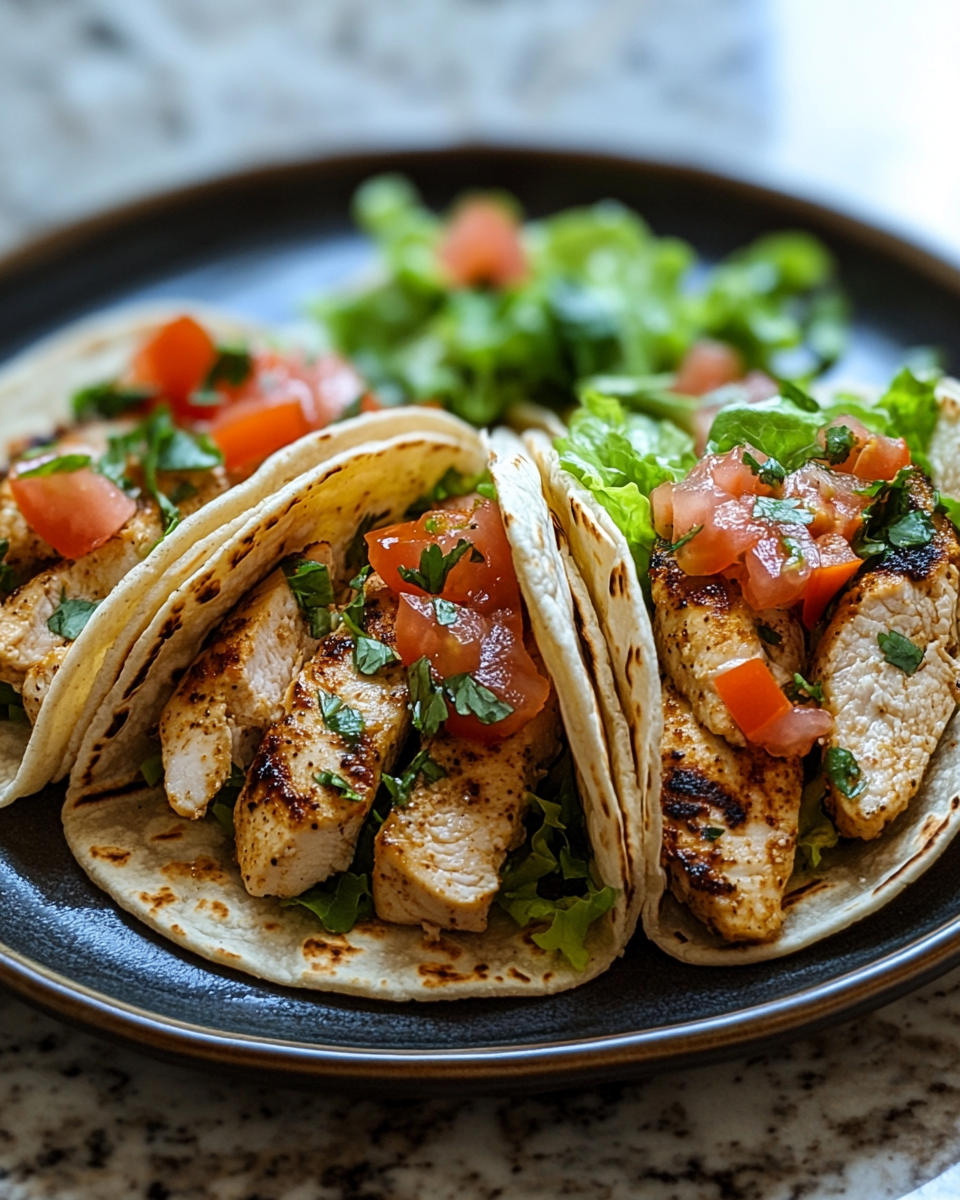
Healthy Chicken Breast Tacos Meal 7 Quick Fresh Delightful

Healthy Chicken Breast Tacos Meal 7 Quick Fresh Delightful

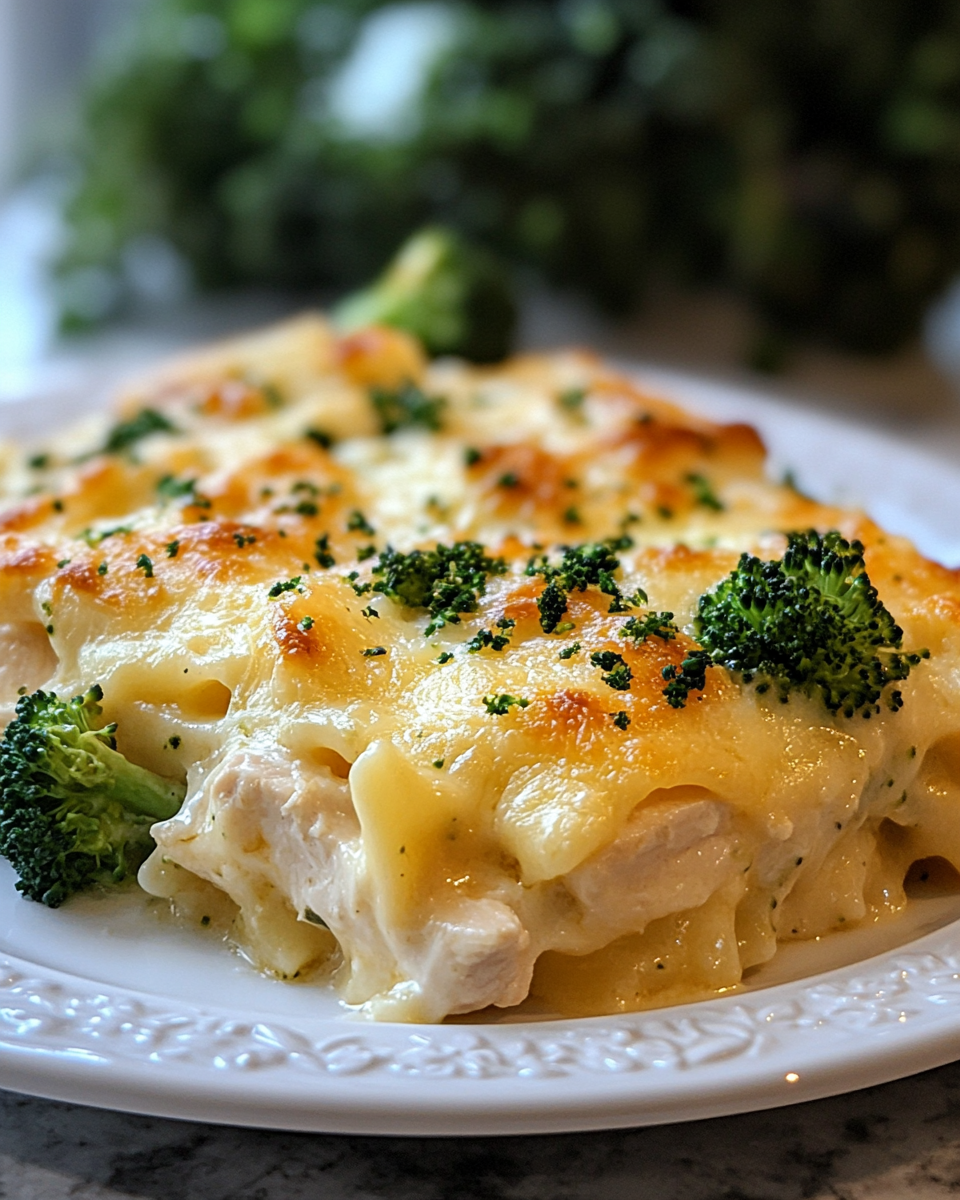
Cheesy Chicken Breast Casserole Recipe 5 Ultimate Surprising

Cheesy Chicken Breast Casserole Recipe 5 Ultimate Surprising

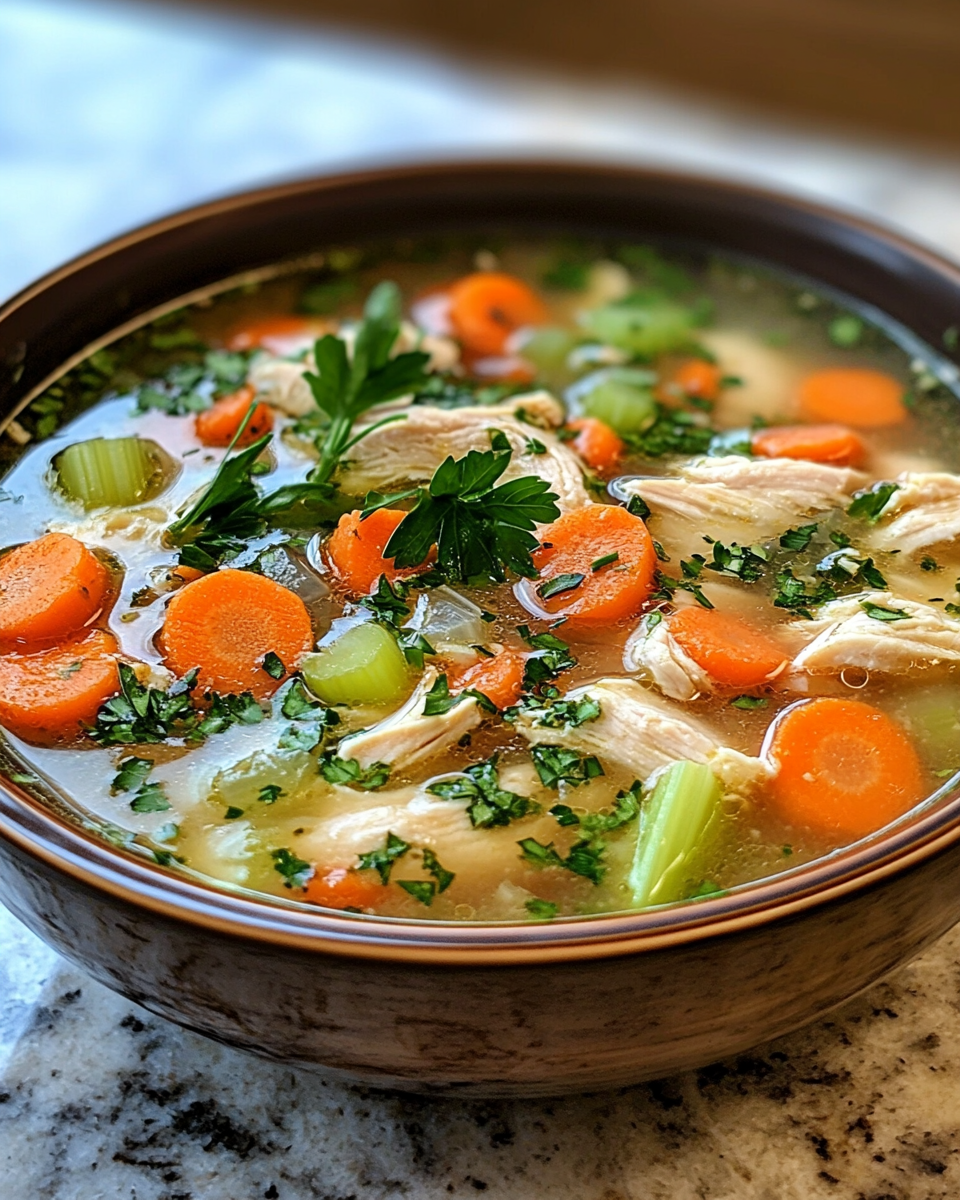
Easy Chicken Breast Soup Recipe 7 Simple Cozy Comforting Bowls

Easy Chicken Breast Soup Recipe 7 Simple Cozy Comforting Bowls

Tags:

You might also like these recipes

Leave a Comment