Panko‑Crusted Baked Salmon: 5 Remarkable Steps to Deliciousness

Posted on

Uncategorized

Difficulty

Prep time

Cooking time

Total time

Servings

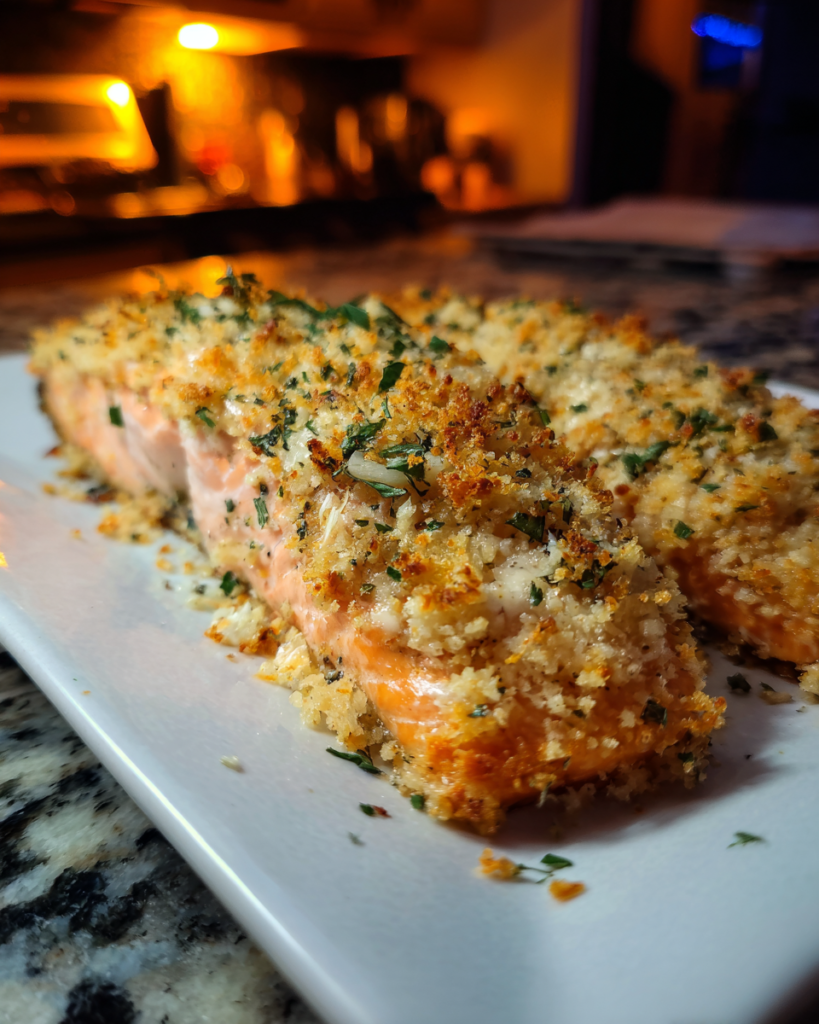
Panko‑Crusted Baked Salmon is a sensational dish that combines tender, flaky salmon with a golden, crispy panko topping. The crunch of the breading paired with the richness of the fish creates a luxurious texture that feels both indulgent and approachable. This recipe transforms a simple salmon fillet into a meal that feels festive enough for guests yet effortless enough for a weeknight dinner. With the right seasoning and baking technique, the salmon stays moist inside while the panko exterior becomes beautifully toasted.

This Panko‑Crusted Baked Salmon is perfect for those who want a healthy yet satisfying entrée. The use of panko breadcrumbs ensures a light, airy crust that doesn’t overpower the delicate flavor of the salmon. Adding fresh herbs and a hint of citrus in the topping elevates the flavor, while a drizzle of olive oil helps the crust brown evenly in the oven. Whether served alongside roasted vegetables, a fresh salad, or creamy mashed potatoes, this salmon recipe brings both elegance and comfort to the table.

Ingredients Overview
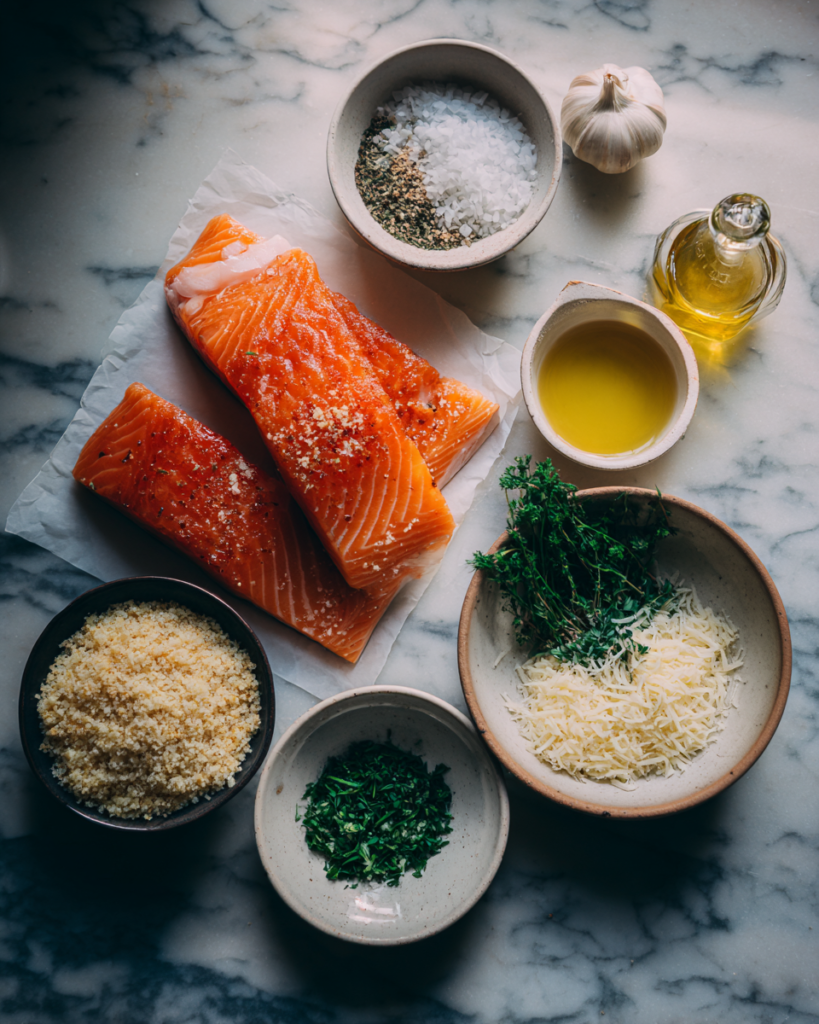
The key ingredients in Panko‑Crusted Baked Salmon each play a specific role in balancing flavor, texture, and overall enjoyment. Salmon itself is rich in omega-3 fatty acids and has a naturally buttery texture, which pairs beautifully with a crisp panko topping. Panko breadcrumbs are lighter than traditional breadcrumbs, producing a delicate crunch that doesn’t weigh down the fish. Mixing the panko with Parmesan cheese adds savory depth, while fresh herbs like parsley or dill provide brightness and a fragrant lift.

Olive oil is critical in this recipe, as it encourages the panko to toast evenly and adds subtle richness. Lemon zest and juice enhance the natural flavors of the salmon without overpowering them. Garlic adds a mild pungency, complementing the seafood and harmonizing with the crust. Salt and pepper are essential for seasoning both the fish and the topping, ensuring that each bite is flavorful.

Substitutions are possible if needed. If Parmesan isn’t available, Pecorino Romano can provide a similar sharpness. For those avoiding gluten, gluten-free panko works well without sacrificing crunch. Fresh herbs can be swapped with dried, although the flavor may be slightly less vibrant. This combination of ingredients works in concert: the crispy, cheesy crust contrasts with the tender, juicy salmon, creating a harmonious, crowd-pleasing dish.

Ingredients

4 salmon fillets (6 ounces each), skin removed
3/4 cup panko breadcrumbs
1/4 cup grated Parmesan cheese
2 tablespoons finely chopped fresh parsley
1 tablespoon finely chopped fresh dill
2 cloves garlic, minced
Zest of 1 lemon
2 tablespoons olive oil
1 tablespoon fresh lemon juice
1/2 teaspoon salt
1/4 teaspoon black pepper
1/4 teaspoon paprika (optional)

Step-by-Step Instructions
  1. Preheat your oven to 400°F (200°C). Line a baking sheet with parchment paper or lightly grease it to prevent sticking. This ensures easy cleanup and helps the crust remain crisp.
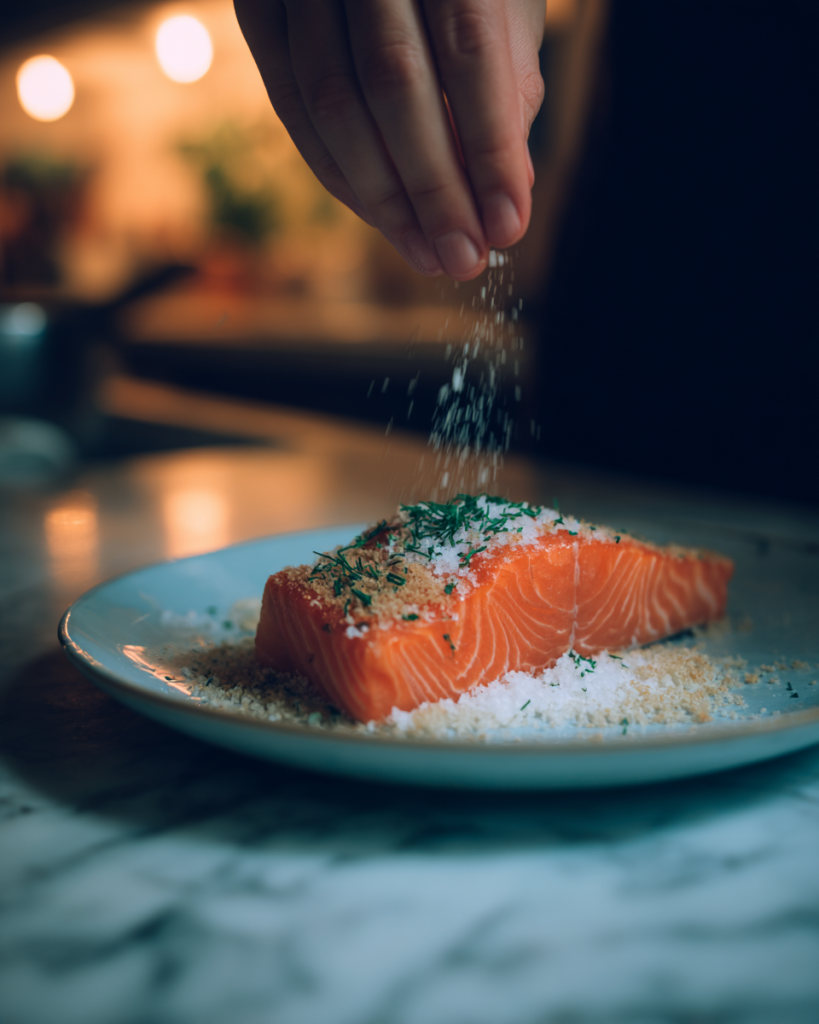
  2. Prepare the panko topping by combining the panko breadcrumbs, grated Parmesan, minced garlic, chopped parsley, dill, lemon zest, olive oil, salt, pepper, and paprika (if using) in a medium bowl. Mix until the panko is evenly coated and slightly moistened by the oil, which will help it toast perfectly in the oven.
  3. Pat the salmon fillets dry with a paper towel to remove excess moisture. This step is crucial, as it allows the panko crust to adhere better and prevents sogginess. Place the salmon on the prepared baking sheet, leaving a little space between each fillet for even cooking.
  4. Gently press the panko mixture onto the top of each salmon fillet, creating an even layer. Press lightly but firmly so the crust sticks during baking. For extra flavor, you can drizzle a few drops of olive oil over the crust to encourage golden browning.
  5. Bake the salmon in the preheated oven for 12–15 minutes, depending on thickness. The fish is done when it flakes easily with a fork and the internal temperature reaches 145°F (63°C). Keep a close eye to avoid overbaking, which can dry out the salmon. If the crust isn’t golden enough, you can broil for 1–2 minutes, but watch carefully to prevent burning.
  6. Remove the salmon from the oven and drizzle with fresh lemon juice. Let it rest for 2–3 minutes before serving. This allows the juices to redistribute and the flavors to meld beautifully. Serve immediately to enjoy the full contrast of crispy topping and tender fish.

Common mistakes include not patting the fish dry, which can make the crust soggy, and baking at too low a temperature, which prevents proper browning. Another tip is to avoid overcrowding the pan, as this traps steam and softens the crust.

Tips, Variations & Substitutions

To vary the flavor profile, consider adding a pinch of smoked paprika or a teaspoon of Dijon mustard to the panko mixture. For a slightly sweet and nutty twist, you can mix in 1–2 tablespoons of finely chopped almonds or walnuts. For a dairy-free option, omit Parmesan and increase the olive oil slightly for richness.

Herb choices are flexible. Tarragon, chives, or basil can replace parsley and dill for a different herbal note. If you prefer a spicier crust, add a dash of cayenne or red pepper flakes. You can also swap lemon zest for orange or lime zest for a subtle citrus variation.

For a low-sodium version, reduce or omit the added salt, and consider using nutritional yeast in place of Parmesan for a cheesy flavor. Gluten-free panko can be substituted if needed without compromising the crunchy texture. These tweaks ensure this recipe remains versatile for different dietary needs and taste preferences.

Serving Ideas & Occasions

Panko‑Crusted Baked Salmon pairs beautifully with roasted vegetables such as asparagus, Brussels sprouts, or baby carrots. A creamy side like mashed potatoes or risotto complements the crisp crust. Fresh green salads or quinoa salads with a light vinaigrette also create a balanced meal.

This dish is ideal for dinner parties, special family meals, or weeknight dinners when you want something impressive yet easy. Serve it with a crisp white wine such as Sauvignon Blanc or a light Chardonnay to highlight the citrus and herb flavors. Garnish with lemon wedges for a bright, fresh presentation. Panko‑Crusted Baked Salmon works equally well for casual lunches or elegant dinners, making it versatile for many occasions.

Nutritional & Health Notes

Salmon is rich in omega-3 fatty acids, high-quality protein, and essential vitamins such as B12 and D. Baking instead of frying keeps the dish lighter, while the panko crust adds crunch without heavy breading. Olive oil provides heart-healthy fats, and fresh herbs contribute antioxidants and flavor without added calories.

Each fillet delivers a satisfying balance of protein and healthy fats, making it a wholesome meal. The addition of lemon juice and zest enhances flavor without adding sugar or sodium. By pairing the salmon with vegetables or whole grains, you create a complete, nutrient-rich plate. Even with Parmesan, the calorie content remains moderate, allowing this dish to fit into most balanced eating plans.

FAQs

Can I use frozen salmon for this recipe?

Yes, frozen salmon can be used, but it should be fully thawed and patted dry before baking. Freezing can sometimes add moisture, so drying the fillets is essential to maintain a crisp panko crust. Thaw in the refrigerator overnight or under cold running water. Once dry, follow the recipe as written. Baking times may remain the same, but always check for doneness with a fork or thermometer to avoid overcooking.

Can I make the panko topping ahead of time?

Absolutely. You can mix the panko, Parmesan, herbs, and seasonings in advance and store in an airtight container for up to 2 days. When ready to bake, combine with olive oil and lemon zest just before applying to the salmon. This helps keep the breadcrumbs light and ensures the crust remains crispy during baking.

How do I prevent the panko from burning?

To prevent burning, ensure the olive oil lightly coats the panko and bake at the recommended 400°F (200°C). Avoid placing the fillets too close to the broiler unless broiling for finishing. Monitor the crust closely in the final minutes, and remove the salmon immediately once golden brown.

Can I use other herbs instead of parsley and dill?

Yes, you can swap with tarragon, chives, basil, or a mix of fresh herbs you prefer. Just adjust quantities to maintain balance in flavor. Some herbs are stronger, so start with smaller amounts to avoid overpowering the salmon. Fresh herbs generally provide the best flavor, but dried herbs can be used in a pinch.

Is it possible to bake the salmon without oil?

You can reduce oil, but it helps the panko brown evenly and adds flavor. To bake without oil, consider using a nonstick spray or lightly brushing the salmon with a small amount of oil. Without oil, the crust may not achieve the same golden, crisp texture.

What is the best way to serve leftover salmon?

Leftover salmon can be flaked into salads, sandwiches, or grain bowls. Reheat gently in a low oven or covered skillet to avoid drying. The crust may soften slightly, but the flavors remain delicious. Store leftovers in an airtight container in the refrigerator for up to 2 days for optimal freshness.

Can I use a different type of fish?

Yes, firm, meaty fish such as cod, halibut, or trout can substitute for salmon. Adjust baking time depending on thickness, and follow the same panko topping technique. Fish with a delicate texture may require a shorter baking time to avoid overcooking, while thicker fillets may need a few extra minutes to cook through.

[rank_math_breadcrumb]

Panko‑Crusted Baked Salmon: 5 Remarkable Steps to Deliciousness

Photo of author
Author: Sophia
Published:

Panko‑Crusted Baked Salmon is a sensational dish that combines tender, flaky salmon with a golden, crispy panko topping. The crunch of the breading paired with the richness of the fish creates a luxurious texture that feels both indulgent and approachable. This recipe transforms a simple salmon fillet into a meal that feels festive enough for guests yet effortless enough for a weeknight dinner. With the right seasoning and baking technique, the salmon stays moist inside while the panko exterior becomes beautifully toasted.

This Panko‑Crusted Baked Salmon is perfect for those who want a healthy yet satisfying entrée. The use of panko breadcrumbs ensures a light, airy crust that doesn’t overpower the delicate flavor of the salmon. Adding fresh herbs and a hint of citrus in the topping elevates the flavor, while a drizzle of olive oil helps the crust brown evenly in the oven. Whether served alongside roasted vegetables, a fresh salad, or creamy mashed potatoes, this salmon recipe brings both elegance and comfort to the table.

Ingredients Overview

The key ingredients in Panko‑Crusted Baked Salmon each play a specific role in balancing flavor, texture, and overall enjoyment. Salmon itself is rich in omega-3 fatty acids and has a naturally buttery texture, which pairs beautifully with a crisp panko topping. Panko breadcrumbs are lighter than traditional breadcrumbs, producing a delicate crunch that doesn’t weigh down the fish. Mixing the panko with Parmesan cheese adds savory depth, while fresh herbs like parsley or dill provide brightness and a fragrant lift.

Olive oil is critical in this recipe, as it encourages the panko to toast evenly and adds subtle richness. Lemon zest and juice enhance the natural flavors of the salmon without overpowering them. Garlic adds a mild pungency, complementing the seafood and harmonizing with the crust. Salt and pepper are essential for seasoning both the fish and the topping, ensuring that each bite is flavorful.

Substitutions are possible if needed. If Parmesan isn’t available, Pecorino Romano can provide a similar sharpness. For those avoiding gluten, gluten-free panko works well without sacrificing crunch. Fresh herbs can be swapped with dried, although the flavor may be slightly less vibrant. This combination of ingredients works in concert: the crispy, cheesy crust contrasts with the tender, juicy salmon, creating a harmonious, crowd-pleasing dish.

Ingredients

4 salmon fillets (6 ounces each), skin removed
3/4 cup panko breadcrumbs
1/4 cup grated Parmesan cheese
2 tablespoons finely chopped fresh parsley
1 tablespoon finely chopped fresh dill
2 cloves garlic, minced
Zest of 1 lemon
2 tablespoons olive oil
1 tablespoon fresh lemon juice
1/2 teaspoon salt
1/4 teaspoon black pepper
1/4 teaspoon paprika (optional)

Step-by-Step Instructions

  1. Preheat your oven to 400°F (200°C). Line a baking sheet with parchment paper or lightly grease it to prevent sticking. This ensures easy cleanup and helps the crust remain crisp.
  2. Prepare the panko topping by combining the panko breadcrumbs, grated Parmesan, minced garlic, chopped parsley, dill, lemon zest, olive oil, salt, pepper, and paprika (if using) in a medium bowl. Mix until the panko is evenly coated and slightly moistened by the oil, which will help it toast perfectly in the oven.
  3. Pat the salmon fillets dry with a paper towel to remove excess moisture. This step is crucial, as it allows the panko crust to adhere better and prevents sogginess. Place the salmon on the prepared baking sheet, leaving a little space between each fillet for even cooking.
  4. Gently press the panko mixture onto the top of each salmon fillet, creating an even layer. Press lightly but firmly so the crust sticks during baking. For extra flavor, you can drizzle a few drops of olive oil over the crust to encourage golden browning.
  5. Bake the salmon in the preheated oven for 12–15 minutes, depending on thickness. The fish is done when it flakes easily with a fork and the internal temperature reaches 145°F (63°C). Keep a close eye to avoid overbaking, which can dry out the salmon. If the crust isn’t golden enough, you can broil for 1–2 minutes, but watch carefully to prevent burning.
  6. Remove the salmon from the oven and drizzle with fresh lemon juice. Let it rest for 2–3 minutes before serving. This allows the juices to redistribute and the flavors to meld beautifully. Serve immediately to enjoy the full contrast of crispy topping and tender fish.

Common mistakes include not patting the fish dry, which can make the crust soggy, and baking at too low a temperature, which prevents proper browning. Another tip is to avoid overcrowding the pan, as this traps steam and softens the crust.

Tips, Variations & Substitutions

To vary the flavor profile, consider adding a pinch of smoked paprika or a teaspoon of Dijon mustard to the panko mixture. For a slightly sweet and nutty twist, you can mix in 1–2 tablespoons of finely chopped almonds or walnuts. For a dairy-free option, omit Parmesan and increase the olive oil slightly for richness.

Herb choices are flexible. Tarragon, chives, or basil can replace parsley and dill for a different herbal note. If you prefer a spicier crust, add a dash of cayenne or red pepper flakes. You can also swap lemon zest for orange or lime zest for a subtle citrus variation.

For a low-sodium version, reduce or omit the added salt, and consider using nutritional yeast in place of Parmesan for a cheesy flavor. Gluten-free panko can be substituted if needed without compromising the crunchy texture. These tweaks ensure this recipe remains versatile for different dietary needs and taste preferences.

Serving Ideas & Occasions

Panko‑Crusted Baked Salmon pairs beautifully with roasted vegetables such as asparagus, Brussels sprouts, or baby carrots. A creamy side like mashed potatoes or risotto complements the crisp crust. Fresh green salads or quinoa salads with a light vinaigrette also create a balanced meal.

This dish is ideal for dinner parties, special family meals, or weeknight dinners when you want something impressive yet easy. Serve it with a crisp white wine such as Sauvignon Blanc or a light Chardonnay to highlight the citrus and herb flavors. Garnish with lemon wedges for a bright, fresh presentation. Panko‑Crusted Baked Salmon works equally well for casual lunches or elegant dinners, making it versatile for many occasions.

Nutritional & Health Notes

Salmon is rich in omega-3 fatty acids, high-quality protein, and essential vitamins such as B12 and D. Baking instead of frying keeps the dish lighter, while the panko crust adds crunch without heavy breading. Olive oil provides heart-healthy fats, and fresh herbs contribute antioxidants and flavor without added calories.

Each fillet delivers a satisfying balance of protein and healthy fats, making it a wholesome meal. The addition of lemon juice and zest enhances flavor without adding sugar or sodium. By pairing the salmon with vegetables or whole grains, you create a complete, nutrient-rich plate. Even with Parmesan, the calorie content remains moderate, allowing this dish to fit into most balanced eating plans.

FAQs

Can I use frozen salmon for this recipe?

Yes, frozen salmon can be used, but it should be fully thawed and patted dry before baking. Freezing can sometimes add moisture, so drying the fillets is essential to maintain a crisp panko crust. Thaw in the refrigerator overnight or under cold running water. Once dry, follow the recipe as written. Baking times may remain the same, but always check for doneness with a fork or thermometer to avoid overcooking.

Can I make the panko topping ahead of time?

Absolutely. You can mix the panko, Parmesan, herbs, and seasonings in advance and store in an airtight container for up to 2 days. When ready to bake, combine with olive oil and lemon zest just before applying to the salmon. This helps keep the breadcrumbs light and ensures the crust remains crispy during baking.

How do I prevent the panko from burning?

To prevent burning, ensure the olive oil lightly coats the panko and bake at the recommended 400°F (200°C). Avoid placing the fillets too close to the broiler unless broiling for finishing. Monitor the crust closely in the final minutes, and remove the salmon immediately once golden brown.

Can I use other herbs instead of parsley and dill?

Yes, you can swap with tarragon, chives, basil, or a mix of fresh herbs you prefer. Just adjust quantities to maintain balance in flavor. Some herbs are stronger, so start with smaller amounts to avoid overpowering the salmon. Fresh herbs generally provide the best flavor, but dried herbs can be used in a pinch.

Is it possible to bake the salmon without oil?

You can reduce oil, but it helps the panko brown evenly and adds flavor. To bake without oil, consider using a nonstick spray or lightly brushing the salmon with a small amount of oil. Without oil, the crust may not achieve the same golden, crisp texture.

What is the best way to serve leftover salmon?

Leftover salmon can be flaked into salads, sandwiches, or grain bowls. Reheat gently in a low oven or covered skillet to avoid drying. The crust may soften slightly, but the flavors remain delicious. Store leftovers in an airtight container in the refrigerator for up to 2 days for optimal freshness.

Can I use a different type of fish?

Yes, firm, meaty fish such as cod, halibut, or trout can substitute for salmon. Adjust baking time depending on thickness, and follow the same panko topping technique. Fish with a delicate texture may require a shorter baking time to avoid overcooking, while thicker fillets may need a few extra minutes to cook through.
Name

Lorem ipsum dolor sit amet, consectetur adipiscing elit. Suspendisse varius enim in eros elementum tristique. Duis cursus, mi quis viverra ornare, eros dolor interdum nulla, ut commodo diam libero vitae erat.

You Might Also Like...

Simple Chicken Breast Dinner Recipes 5 Easy Delicious Meals

Simple Chicken Breast Dinner Recipes 5 Easy Delicious Meals

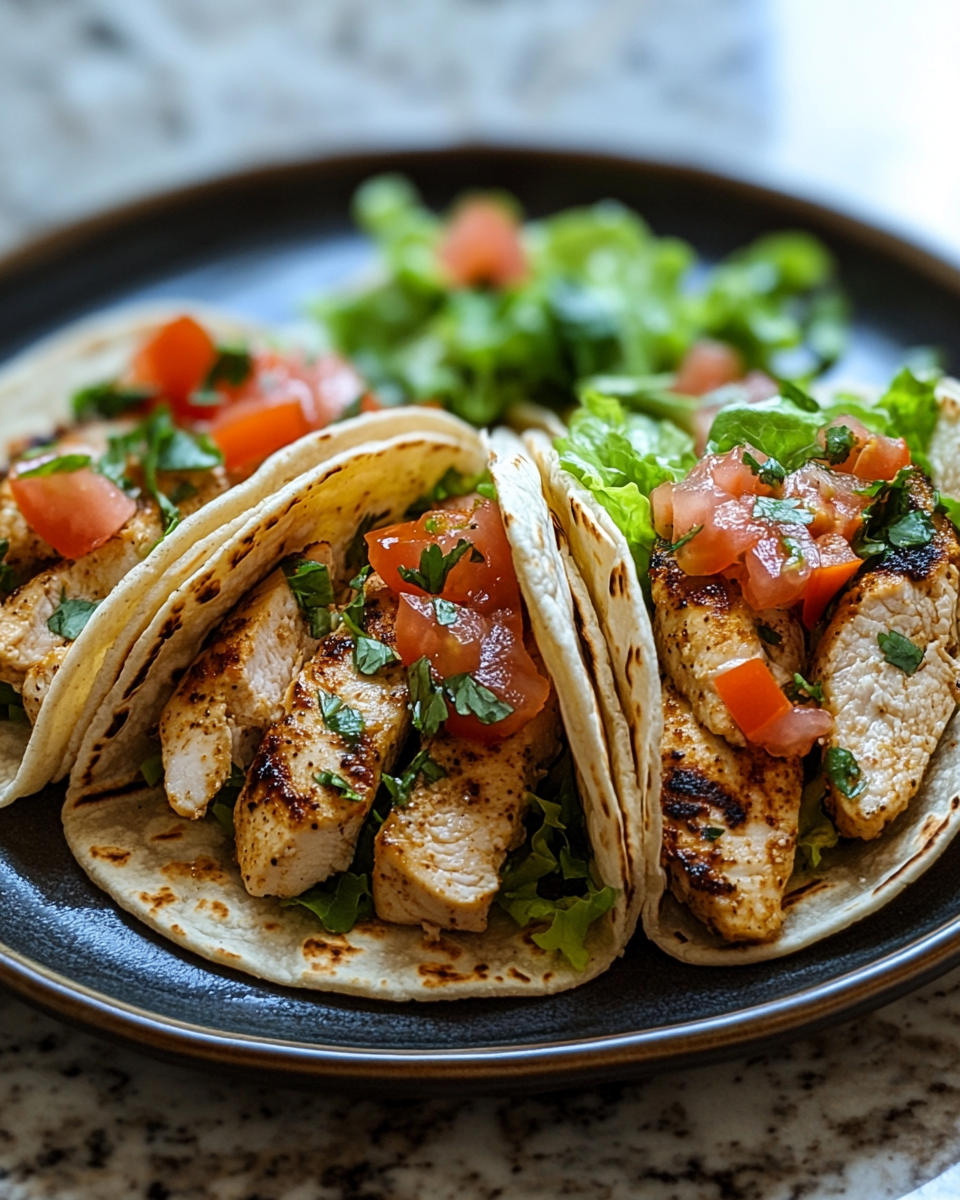
Healthy Chicken Breast Tacos Meal 7 Quick Fresh Delightful

Healthy Chicken Breast Tacos Meal 7 Quick Fresh Delightful

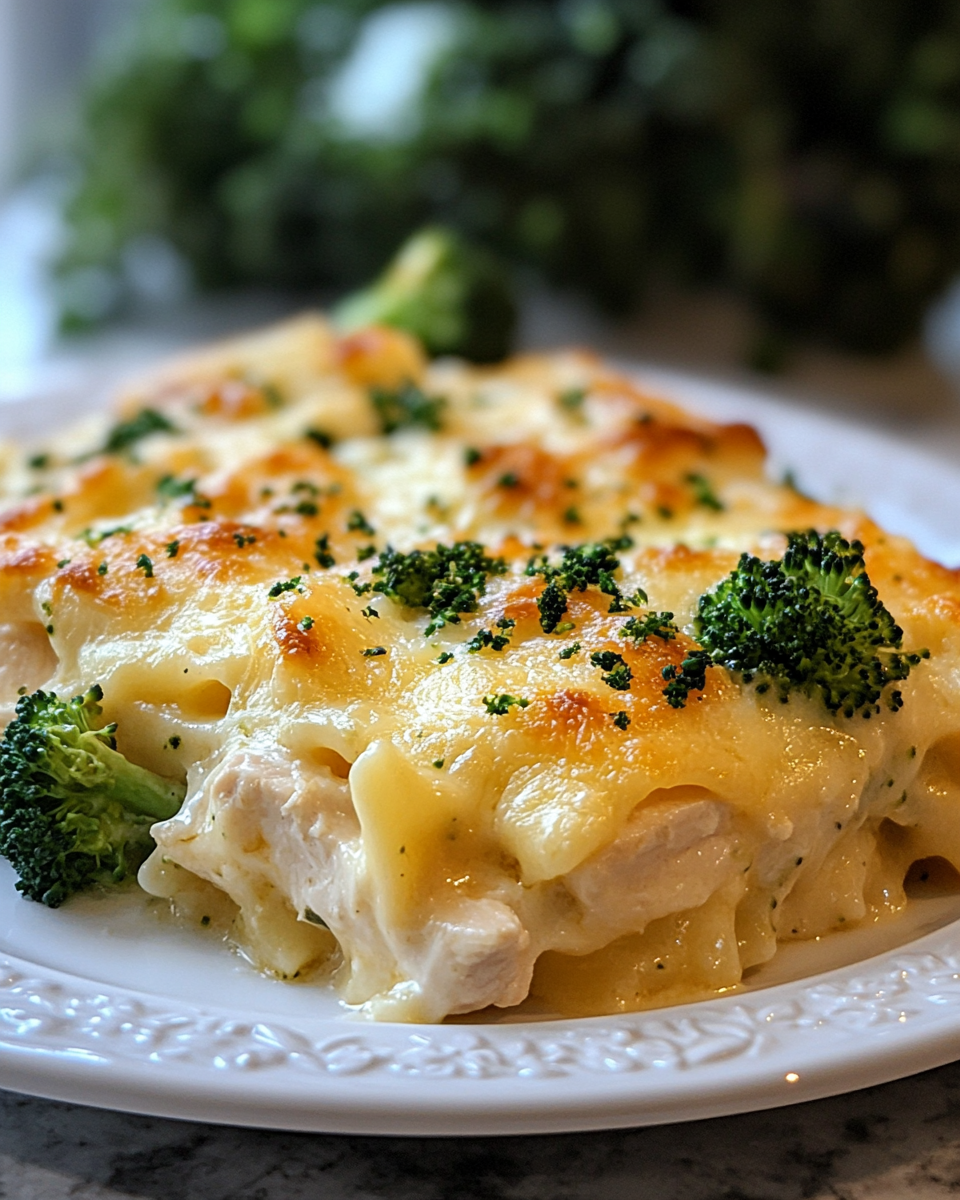
Cheesy Chicken Breast Casserole Recipe 5 Ultimate Surprising

Cheesy Chicken Breast Casserole Recipe 5 Ultimate Surprising

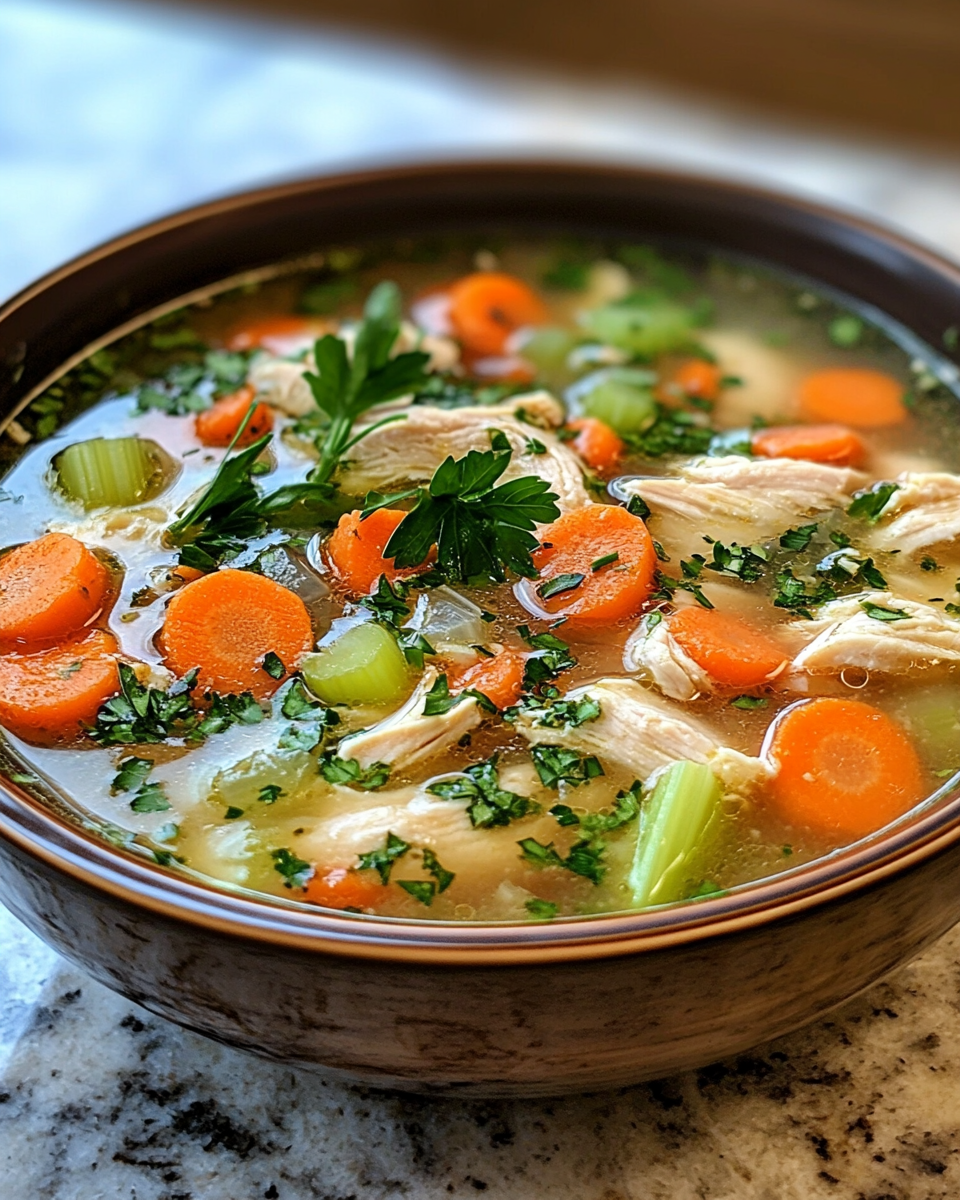
Easy Chicken Breast Soup Recipe 7 Simple Cozy Comforting Bowls

Easy Chicken Breast Soup Recipe 7 Simple Cozy Comforting Bowls

Tags:

You might also like these recipes

Leave a Comment