Roasted Salmon With Whipped Feta and Peas: 7 Stunning Reasons to Try

Posted on

Uncategorized

Difficulty

Prep time

Cooking time

Total time

Servings

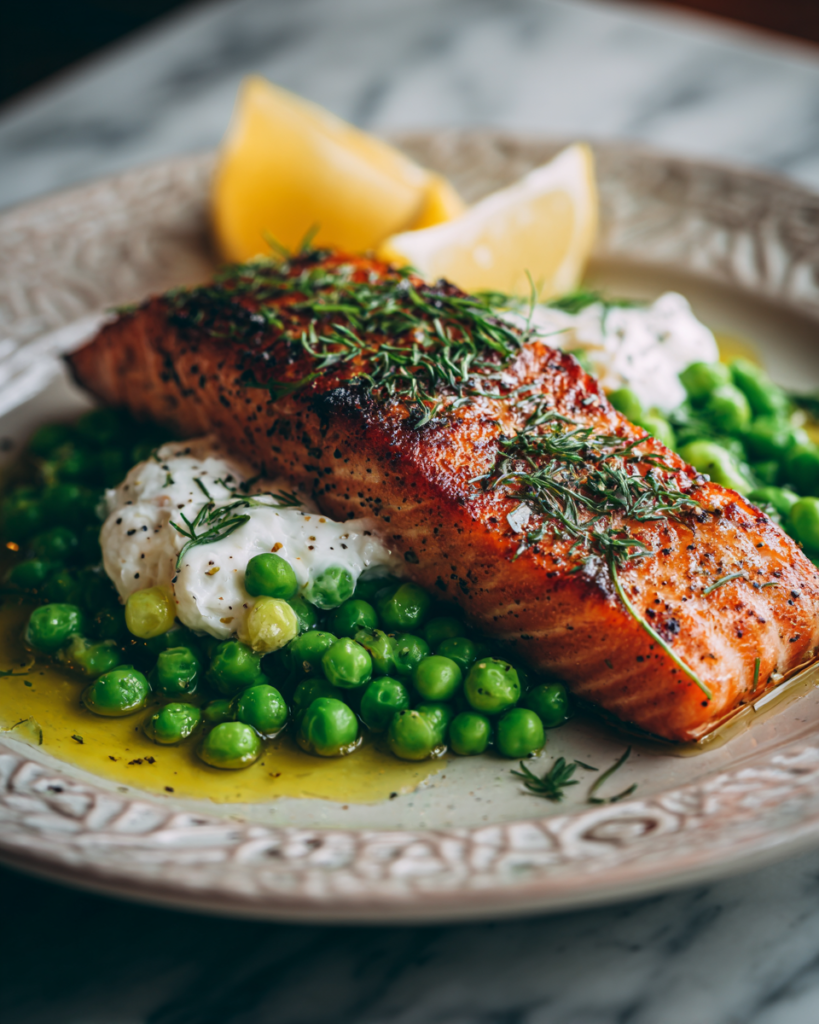
Roasted Salmon With Whipped Feta and Peas is a visually stunning and flavor-packed dish that blends tender, flaky salmon with a creamy, tangy whipped feta and vibrant, sweet peas. This recipe brings together the richness of perfectly roasted salmon, the luscious creaminess of whipped feta, and the fresh pop of peas in a way that’s both elegant and satisfying. Every bite balances textures and flavors—salty, creamy, fresh, and subtly earthy—making it a standout for weeknight dinners or special occasions.

The roasted salmon cooks quickly but maintains a rich, buttery texture, while the whipped feta adds a light, airy contrast that elevates the dish without overpowering the fish. Sweet peas bring brightness and color, offering a delightful counterpoint. This combination is a modern twist on classic Mediterranean flavors, designed to impress without being complicated.

Ingredients Overview

The success of Roasted Salmon With Whipped Feta and Peas lies in its ingredients. Salmon fillets provide a naturally rich, fatty base that roasts beautifully in the oven, producing a crisp exterior while keeping the inside tender. Choosing fresh, high-quality salmon is ideal, but farm-raised options also work well. Lemon zest and juice brighten the dish, cutting through the richness of the fish and feta while enhancing the natural flavors.

Whipped feta is a key player in this recipe. Traditional feta is crumbly and salty, but when whipped with cream cheese or Greek yogurt, it transforms into a fluffy, creamy spread. This texture pairs wonderfully with the firm salmon, giving each bite a luxurious mouthfeel. Garlic, olive oil, and a touch of lemon in the whipped feta deepen the flavor while keeping the dish light.

Peas are a subtle but crucial ingredient. Sweet and slightly earthy, they contrast the richness of the salmon and feta. Frozen peas can be used if fresh aren’t available, but quick blanching ensures they retain a bright green color and tender bite. Fresh herbs like dill or parsley add a fragrant finish, tying the components together.

For substitutions, goat cheese can replace feta for a milder tang, or ricotta can create a creamier, softer texture. If avoiding dairy, a cashew-based cream cheese alternative works surprisingly well for the whipped topping. Herbs can be varied depending on your taste—chives, tarragon, or mint all complement the peas and salmon beautifully. Salt, pepper, and olive oil are simple yet indispensable, unifying the flavors without overwhelming the freshness of the ingredients.

The combination of roasted salmon, whipped feta, and peas is versatile and forgiving. The creaminess of the feta balances the richness of the fish, while the peas introduce a pop of color and sweetness. Lemon and garlic act as aromatic enhancers, ensuring that each bite delivers harmony and satisfaction. This dish demonstrates how a few thoughtful ingredients can come together to create a restaurant-worthy meal that’s both easy to prepare and visually impressive.

Ingredients

4 salmon fillets, skin-on, about 6 ounces each
2 tablespoons olive oil
Salt and freshly ground black pepper, to taste
1 cup crumbled feta cheese
1/4 cup cream cheese, softened
1 garlic clove, minced
1 tablespoon lemon juice
1 teaspoon lemon zest
1/4 cup plain Greek yogurt
1 cup fresh or frozen peas
1 tablespoon unsalted butter
1 tablespoon chopped fresh dill, plus extra for garnish
Optional: lemon wedges, for serving

Step-by-Step Instructions

  1. Preheat the Oven: Set your oven to 400°F (200°C). Line a baking sheet with parchment paper or lightly oil it to prevent sticking.
  2. Prepare the Salmon: Pat salmon fillets dry with a paper towel to ensure a crispy finish. Rub each fillet with olive oil, then season generously with salt and pepper on both sides.
  3. Roast the Salmon: Place the salmon skin-side down on the baking sheet. Roast in the preheated oven for 12–15 minutes, depending on thickness. The salmon is done when it flakes easily with a fork but still retains moisture. Avoid overcooking, as salmon can dry out quickly.
  4. Cook the Peas: While the salmon roasts, bring a small pot of water to boil. Add the peas and blanch for 2–3 minutes until bright green and tender. Drain and transfer to a bowl. Stir in butter and chopped dill for added flavor and sheen.
  5. Make the Whipped Feta: In a medium bowl, combine crumbled feta, cream cheese, Greek yogurt, minced garlic, lemon juice, and lemon zest. Use an electric mixer or food processor to whip the mixture until smooth and fluffy. Taste and adjust seasoning with salt and pepper as needed. The whipped texture should be airy and spreadable.
  6. Assemble the Dish: Once salmon is cooked, transfer the fillets to serving plates. Spoon a generous dollop of whipped feta over each fillet. Arrange the peas on the side or around the salmon for a colorful presentation.
  7. Garnish and Serve: Sprinkle extra fresh dill over the top and, if desired, serve with lemon wedges. The citrus adds a refreshing brightness that complements the creamy feta and rich salmon. Serve immediately while warm.

Common mistakes include overcooking the salmon, which dries it out, and under-seasoning the whipped feta, which can taste flat. Ensure peas are not overcooked to retain their vibrant color and crisp-tender texture. Using fresh herbs makes a noticeable difference, so add them at the last moment to preserve their fragrance and color.

Tips, Variations & Substitutions

For optimal results, select salmon fillets of even thickness to ensure uniform cooking. A meat thermometer can be helpful—aim for an internal temperature of 125–130°F for medium-rare, which gives a moist, tender texture. You can also experiment with herb blends in the whipped feta, such as a pinch of smoked paprika, chives, or tarragon, for extra flavor.

Substitutions are easy if needed. Goat cheese, ricotta, or a non-dairy cream cheese alternative can replace feta. If fresh peas are unavailable, frozen peas work well; just thaw them briefly and cook lightly to avoid a mushy texture. For an extra layer of flavor, drizzle a bit of good-quality olive oil over the finished salmon or add a sprinkle of toasted pine nuts to the peas.

Variations include adding roasted cherry tomatoes for sweetness and color, or incorporating a squeeze of orange juice into the whipped feta for a subtle citrus twist. For a spicier kick, a pinch of crushed red pepper flakes can elevate the dish without overwhelming the delicate salmon flavor. These small adjustments keep the core recipe intact while adding versatility and creativity.

Serving Ideas & Occasions

Roasted Salmon With Whipped Feta and Peas is perfect for both casual dinners and celebratory meals. Serve it alongside a light quinoa salad, roasted fingerling potatoes, or garlic butter asparagus for a balanced and colorful plate. A crisp white wine, such as Sauvignon Blanc or Pinot Grigio, pairs beautifully with the richness of the salmon and the tang of the feta.

This dish shines at dinner parties, romantic meals, or family gatherings where presentation matters. Its vibrant colors and elegant plating make it a visual centerpiece. Quick enough for weeknights yet impressive enough for special occasions, it offers versatility and refinement without demanding hours in the kitchen.

Nutritional & Health Notes

Salmon is an excellent source of protein and omega-3 fatty acids, which support overall nutrition. Combining it with peas adds fiber, vitamins, and a natural sweetness, while the whipped feta contributes calcium and a creamy mouthfeel. Using moderate amounts of olive oil and butter balances healthy fats with flavor, keeping the dish rich but not heavy.

This recipe offers a combination of lean protein, healthy fats, and vegetables, making it both satisfying and well-rounded. For lighter versions, reduce butter in the peas or use low-fat Greek yogurt in the whipped feta. Seasonings like lemon, garlic, and fresh herbs add flavor without additional calories or sodium, keeping the dish bright, fresh, and nutrient-conscious.

FAQs

Can I use frozen salmon?

Yes, frozen salmon can be used, but it should be fully thawed in the refrigerator overnight before roasting. Pat it dry to remove excess moisture, which helps achieve a crisp exterior. Cooking time may vary slightly, so keep an eye on the fillets to prevent overcooking. Thawed salmon retains flavor and texture similar to fresh fillets when handled carefully.

How long can I store leftovers?

Leftovers can be stored in an airtight container in the refrigerator for up to 2 days. The whipped feta may firm up slightly, but can be brought back to room temperature or lightly whipped before serving. Reheat salmon gently in a low oven or enjoy cold slices in salads or sandwiches.

Can I make the whipped feta ahead of time?

Yes, the whipped feta can be prepared a day in advance. Store in a covered container in the refrigerator. Give it a quick stir or re-whip with a spatula before serving to restore its airy texture. Lemon juice can be adjusted slightly when reheating to keep the flavor fresh.

Can I use other vegetables instead of peas?

Absolutely. Asparagus, green beans, or roasted zucchini are excellent alternatives. Choose vegetables with a tender yet slightly crisp texture to complement the salmon and feta. Blanching or roasting ensures they retain color and flavor.

What type of salmon is best?

Wild-caught salmon such as sockeye or coho provides a richer flavor, but farm-raised Atlantic salmon is also suitable and widely available. The key is uniform thickness for even cooking. Skin-on fillets help retain moisture and add flavor during roasting.

How can I make this dish dairy-free?

Use a plant-based cream cheese alternative in place of the cream cheese, and swap feta for a vegan feta or a cashew-based cheese. Coconut yogurt can replace Greek yogurt if desired. Flavor with lemon, garlic, and fresh herbs as usual to maintain the dish’s bright and creamy profile.

What wine pairs best with this dish?

A crisp, light white wine is ideal. Sauvignon Blanc offers citrus notes that complement the salmon and feta, while Pinot Grigio provides a clean, bright contrast. For non-alcoholic options, sparkling water with a twist of lemon or a chilled herbal iced tea enhances the freshness of the meal.

[rank_math_breadcrumb]

Roasted Salmon With Whipped Feta and Peas: 7 Stunning Reasons to Try

Photo of author
Author: Sophia
Published:

Roasted Salmon With Whipped Feta and Peas is a visually stunning and flavor-packed dish that blends tender, flaky salmon with a creamy, tangy whipped feta and vibrant, sweet peas. This recipe brings together the richness of perfectly roasted salmon, the luscious creaminess of whipped feta, and the fresh pop of peas in a way that’s both elegant and satisfying. Every bite balances textures and flavors—salty, creamy, fresh, and subtly earthy—making it a standout for weeknight dinners or special occasions.

The roasted salmon cooks quickly but maintains a rich, buttery texture, while the whipped feta adds a light, airy contrast that elevates the dish without overpowering the fish. Sweet peas bring brightness and color, offering a delightful counterpoint. This combination is a modern twist on classic Mediterranean flavors, designed to impress without being complicated.

Ingredients Overview

The success of Roasted Salmon With Whipped Feta and Peas lies in its ingredients. Salmon fillets provide a naturally rich, fatty base that roasts beautifully in the oven, producing a crisp exterior while keeping the inside tender. Choosing fresh, high-quality salmon is ideal, but farm-raised options also work well. Lemon zest and juice brighten the dish, cutting through the richness of the fish and feta while enhancing the natural flavors.

Whipped feta is a key player in this recipe. Traditional feta is crumbly and salty, but when whipped with cream cheese or Greek yogurt, it transforms into a fluffy, creamy spread. This texture pairs wonderfully with the firm salmon, giving each bite a luxurious mouthfeel. Garlic, olive oil, and a touch of lemon in the whipped feta deepen the flavor while keeping the dish light.

Peas are a subtle but crucial ingredient. Sweet and slightly earthy, they contrast the richness of the salmon and feta. Frozen peas can be used if fresh aren’t available, but quick blanching ensures they retain a bright green color and tender bite. Fresh herbs like dill or parsley add a fragrant finish, tying the components together.

For substitutions, goat cheese can replace feta for a milder tang, or ricotta can create a creamier, softer texture. If avoiding dairy, a cashew-based cream cheese alternative works surprisingly well for the whipped topping. Herbs can be varied depending on your taste—chives, tarragon, or mint all complement the peas and salmon beautifully. Salt, pepper, and olive oil are simple yet indispensable, unifying the flavors without overwhelming the freshness of the ingredients.

The combination of roasted salmon, whipped feta, and peas is versatile and forgiving. The creaminess of the feta balances the richness of the fish, while the peas introduce a pop of color and sweetness. Lemon and garlic act as aromatic enhancers, ensuring that each bite delivers harmony and satisfaction. This dish demonstrates how a few thoughtful ingredients can come together to create a restaurant-worthy meal that’s both easy to prepare and visually impressive.

Ingredients

4 salmon fillets, skin-on, about 6 ounces each
2 tablespoons olive oil
Salt and freshly ground black pepper, to taste
1 cup crumbled feta cheese
1/4 cup cream cheese, softened
1 garlic clove, minced
1 tablespoon lemon juice
1 teaspoon lemon zest
1/4 cup plain Greek yogurt
1 cup fresh or frozen peas
1 tablespoon unsalted butter
1 tablespoon chopped fresh dill, plus extra for garnish
Optional: lemon wedges, for serving

Step-by-Step Instructions

  1. Preheat the Oven: Set your oven to 400°F (200°C). Line a baking sheet with parchment paper or lightly oil it to prevent sticking.
  2. Prepare the Salmon: Pat salmon fillets dry with a paper towel to ensure a crispy finish. Rub each fillet with olive oil, then season generously with salt and pepper on both sides.
  3. Roast the Salmon: Place the salmon skin-side down on the baking sheet. Roast in the preheated oven for 12–15 minutes, depending on thickness. The salmon is done when it flakes easily with a fork but still retains moisture. Avoid overcooking, as salmon can dry out quickly.
  4. Cook the Peas: While the salmon roasts, bring a small pot of water to boil. Add the peas and blanch for 2–3 minutes until bright green and tender. Drain and transfer to a bowl. Stir in butter and chopped dill for added flavor and sheen.
  5. Make the Whipped Feta: In a medium bowl, combine crumbled feta, cream cheese, Greek yogurt, minced garlic, lemon juice, and lemon zest. Use an electric mixer or food processor to whip the mixture until smooth and fluffy. Taste and adjust seasoning with salt and pepper as needed. The whipped texture should be airy and spreadable.
  6. Assemble the Dish: Once salmon is cooked, transfer the fillets to serving plates. Spoon a generous dollop of whipped feta over each fillet. Arrange the peas on the side or around the salmon for a colorful presentation.
  7. Garnish and Serve: Sprinkle extra fresh dill over the top and, if desired, serve with lemon wedges. The citrus adds a refreshing brightness that complements the creamy feta and rich salmon. Serve immediately while warm.

Common mistakes include overcooking the salmon, which dries it out, and under-seasoning the whipped feta, which can taste flat. Ensure peas are not overcooked to retain their vibrant color and crisp-tender texture. Using fresh herbs makes a noticeable difference, so add them at the last moment to preserve their fragrance and color.

Tips, Variations & Substitutions

For optimal results, select salmon fillets of even thickness to ensure uniform cooking. A meat thermometer can be helpful—aim for an internal temperature of 125–130°F for medium-rare, which gives a moist, tender texture. You can also experiment with herb blends in the whipped feta, such as a pinch of smoked paprika, chives, or tarragon, for extra flavor.

Substitutions are easy if needed. Goat cheese, ricotta, or a non-dairy cream cheese alternative can replace feta. If fresh peas are unavailable, frozen peas work well; just thaw them briefly and cook lightly to avoid a mushy texture. For an extra layer of flavor, drizzle a bit of good-quality olive oil over the finished salmon or add a sprinkle of toasted pine nuts to the peas.

Variations include adding roasted cherry tomatoes for sweetness and color, or incorporating a squeeze of orange juice into the whipped feta for a subtle citrus twist. For a spicier kick, a pinch of crushed red pepper flakes can elevate the dish without overwhelming the delicate salmon flavor. These small adjustments keep the core recipe intact while adding versatility and creativity.

Serving Ideas & Occasions

Roasted Salmon With Whipped Feta and Peas is perfect for both casual dinners and celebratory meals. Serve it alongside a light quinoa salad, roasted fingerling potatoes, or garlic butter asparagus for a balanced and colorful plate. A crisp white wine, such as Sauvignon Blanc or Pinot Grigio, pairs beautifully with the richness of the salmon and the tang of the feta.

This dish shines at dinner parties, romantic meals, or family gatherings where presentation matters. Its vibrant colors and elegant plating make it a visual centerpiece. Quick enough for weeknights yet impressive enough for special occasions, it offers versatility and refinement without demanding hours in the kitchen.

Nutritional & Health Notes

Salmon is an excellent source of protein and omega-3 fatty acids, which support overall nutrition. Combining it with peas adds fiber, vitamins, and a natural sweetness, while the whipped feta contributes calcium and a creamy mouthfeel. Using moderate amounts of olive oil and butter balances healthy fats with flavor, keeping the dish rich but not heavy.

This recipe offers a combination of lean protein, healthy fats, and vegetables, making it both satisfying and well-rounded. For lighter versions, reduce butter in the peas or use low-fat Greek yogurt in the whipped feta. Seasonings like lemon, garlic, and fresh herbs add flavor without additional calories or sodium, keeping the dish bright, fresh, and nutrient-conscious.

FAQs

Can I use frozen salmon?

Yes, frozen salmon can be used, but it should be fully thawed in the refrigerator overnight before roasting. Pat it dry to remove excess moisture, which helps achieve a crisp exterior. Cooking time may vary slightly, so keep an eye on the fillets to prevent overcooking. Thawed salmon retains flavor and texture similar to fresh fillets when handled carefully.

How long can I store leftovers?

Leftovers can be stored in an airtight container in the refrigerator for up to 2 days. The whipped feta may firm up slightly, but can be brought back to room temperature or lightly whipped before serving. Reheat salmon gently in a low oven or enjoy cold slices in salads or sandwiches.

Can I make the whipped feta ahead of time?

Yes, the whipped feta can be prepared a day in advance. Store in a covered container in the refrigerator. Give it a quick stir or re-whip with a spatula before serving to restore its airy texture. Lemon juice can be adjusted slightly when reheating to keep the flavor fresh.

Can I use other vegetables instead of peas?

Absolutely. Asparagus, green beans, or roasted zucchini are excellent alternatives. Choose vegetables with a tender yet slightly crisp texture to complement the salmon and feta. Blanching or roasting ensures they retain color and flavor.

What type of salmon is best?

Wild-caught salmon such as sockeye or coho provides a richer flavor, but farm-raised Atlantic salmon is also suitable and widely available. The key is uniform thickness for even cooking. Skin-on fillets help retain moisture and add flavor during roasting.

How can I make this dish dairy-free?

Use a plant-based cream cheese alternative in place of the cream cheese, and swap feta for a vegan feta or a cashew-based cheese. Coconut yogurt can replace Greek yogurt if desired. Flavor with lemon, garlic, and fresh herbs as usual to maintain the dish’s bright and creamy profile.

What wine pairs best with this dish?

A crisp, light white wine is ideal. Sauvignon Blanc offers citrus notes that complement the salmon and feta, while Pinot Grigio provides a clean, bright contrast. For non-alcoholic options, sparkling water with a twist of lemon or a chilled herbal iced tea enhances the freshness of the meal.
Name

Lorem ipsum dolor sit amet, consectetur adipiscing elit. Suspendisse varius enim in eros elementum tristique. Duis cursus, mi quis viverra ornare, eros dolor interdum nulla, ut commodo diam libero vitae erat.

You Might Also Like...

Simple Chicken Breast Dinner Recipes 5 Easy Delicious Meals

Simple Chicken Breast Dinner Recipes 5 Easy Delicious Meals

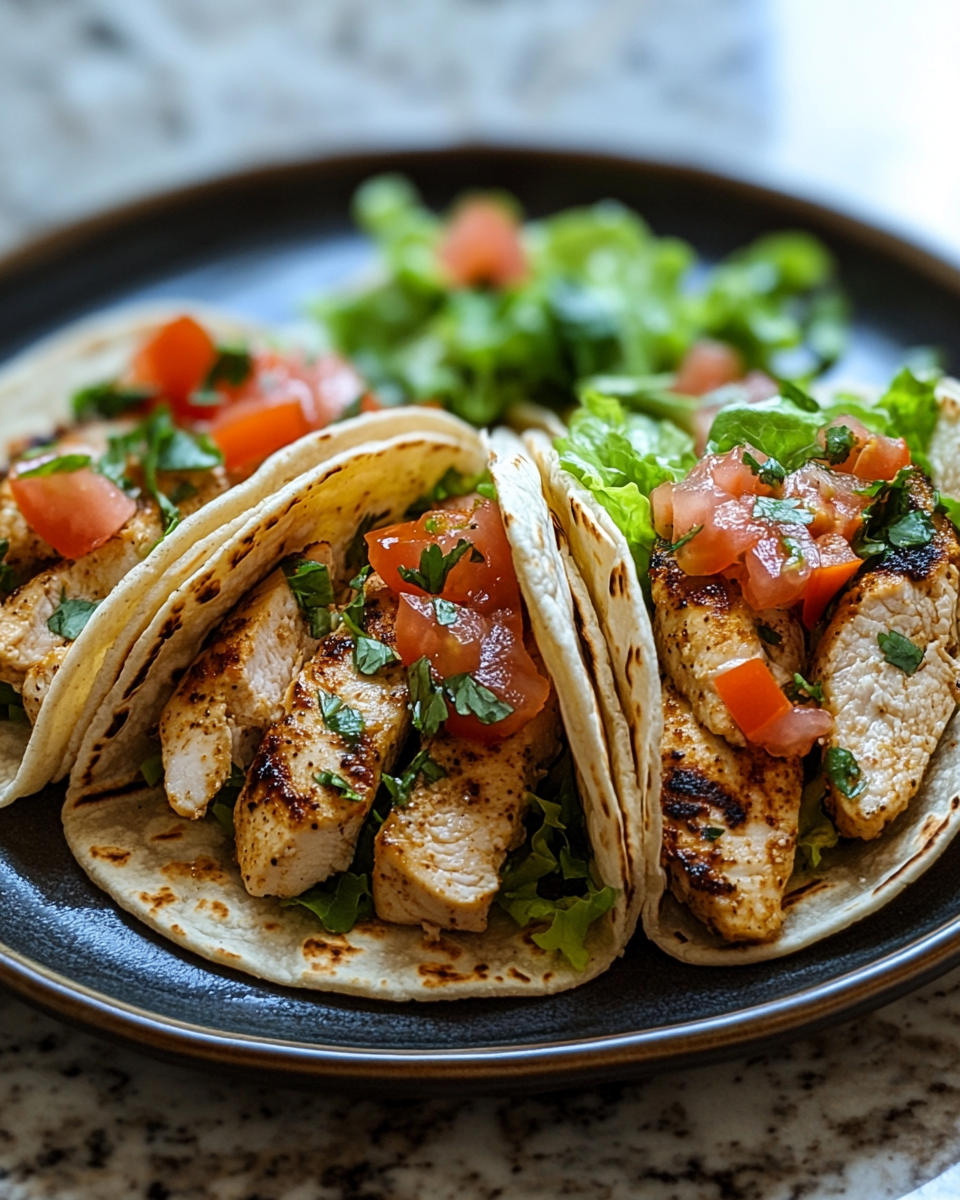
Healthy Chicken Breast Tacos Meal 7 Quick Fresh Delightful

Healthy Chicken Breast Tacos Meal 7 Quick Fresh Delightful

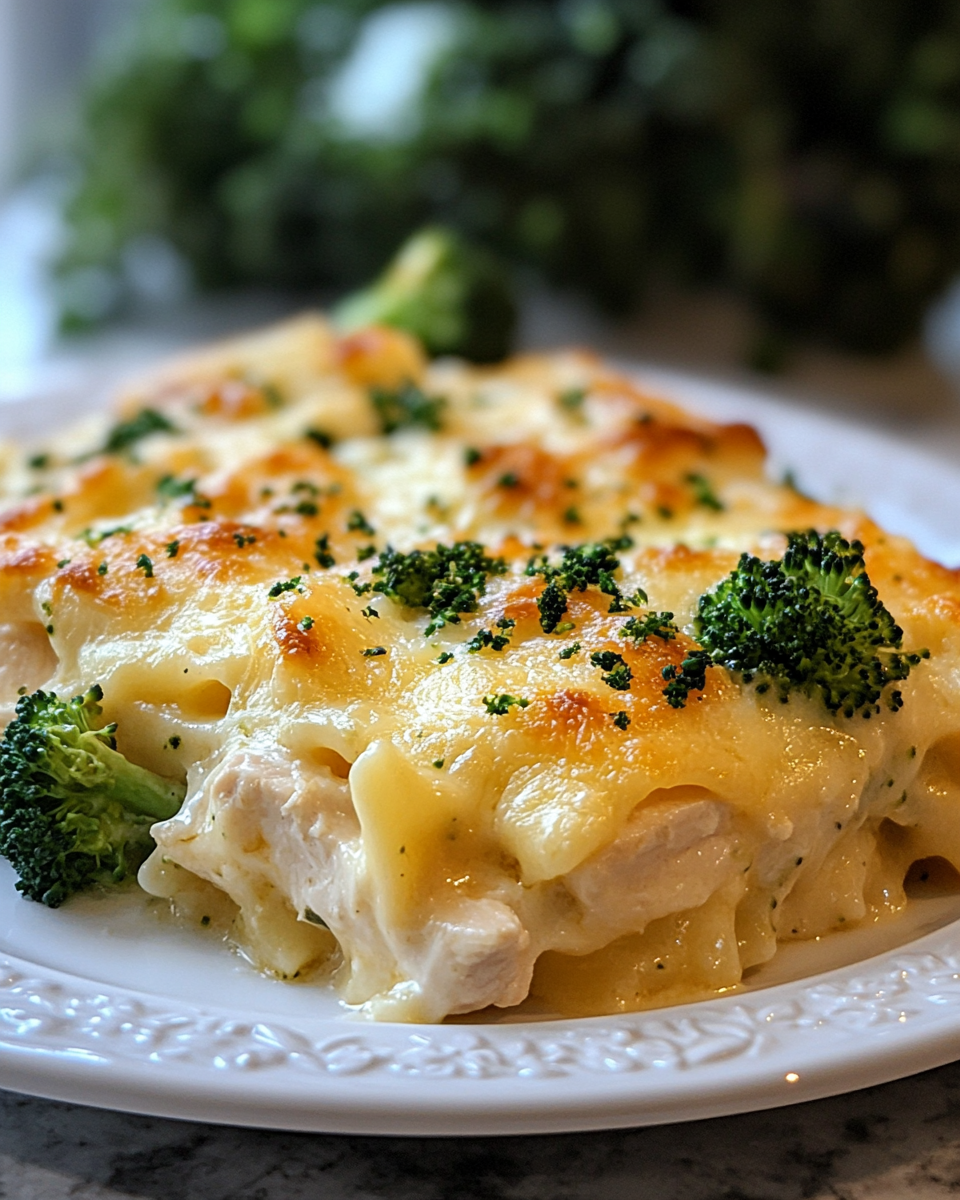
Cheesy Chicken Breast Casserole Recipe 5 Ultimate Surprising

Cheesy Chicken Breast Casserole Recipe 5 Ultimate Surprising

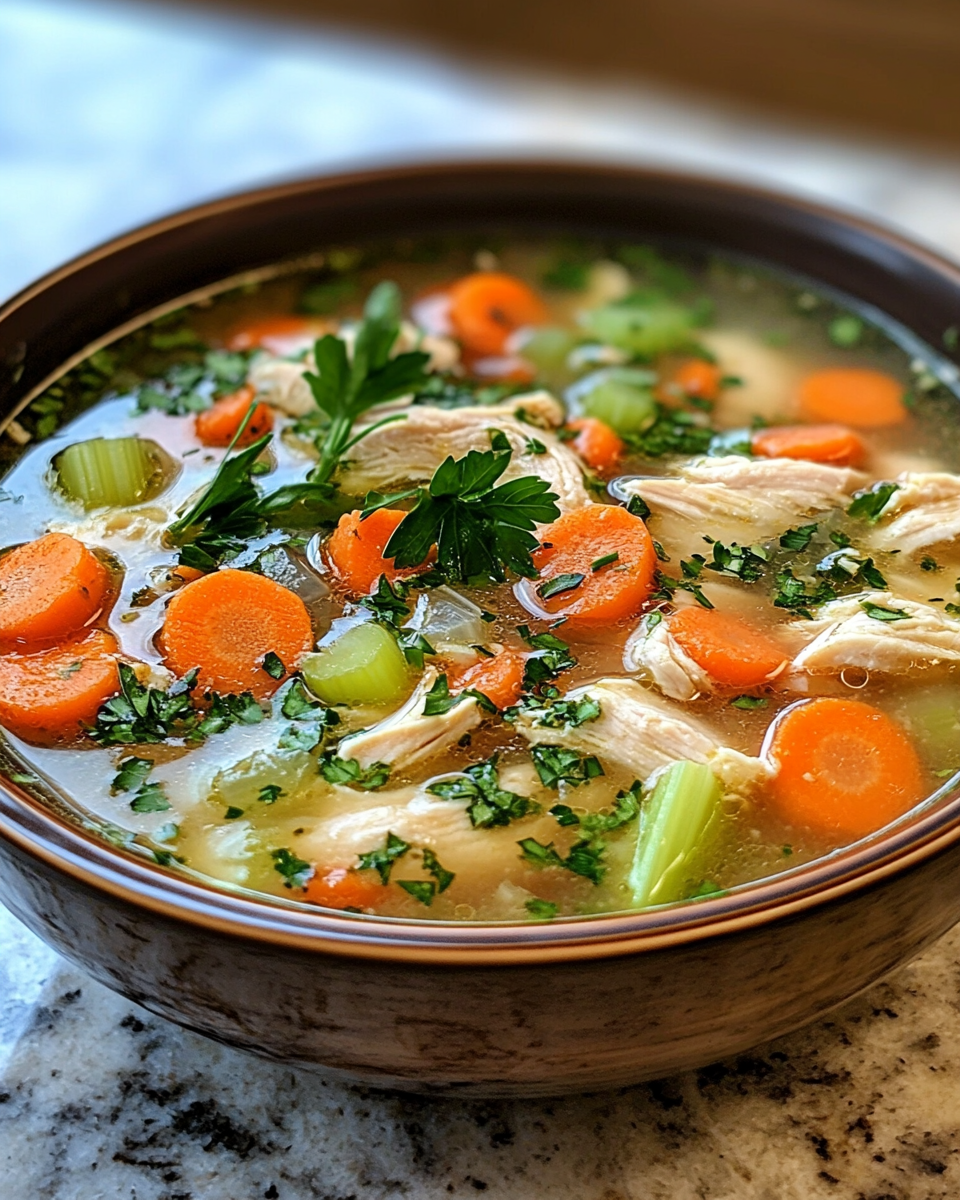
Easy Chicken Breast Soup Recipe 7 Simple Cozy Comforting Bowls

Easy Chicken Breast Soup Recipe 7 Simple Cozy Comforting Bowls

Tags:

You might also like these recipes

Leave a Comment