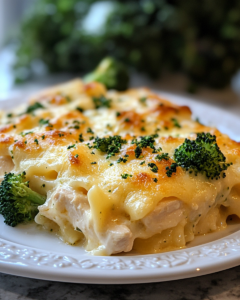
Salmon Rice Bowl Recipe: 5 Ultimate Happy Flavors

Posted on

Uncategorized

Difficulty

Prep time

Cooking time

Total time

Servings

Salmon Rice Bowl Recipe is a comforting, balanced dish that brings together tender, flavorful salmon, fluffy rice, and a mix of fresh toppings in one satisfying bowl. Inspired by simple home cooking and modern meal trends, this dish is both nourishing and easy to prepare, making it ideal for busy weekdays or relaxed weekend meals.

The beauty of a Salmon Rice Bowl Recipe lies in its versatility. The rich, slightly crisp salmon pairs beautifully with warm rice, while toppings like avocado, cucumber, and a savory sauce add layers of texture and flavor. Each bite offers a combination of soft, crunchy, and creamy elements, creating a meal that feels complete and deeply satisfying.

Ingredients Overview

A well-made Salmon Rice Bowl Recipe depends on fresh, balanced ingredients that complement one another. The salmon is the centerpiece, providing a rich, slightly buttery flavor. Fresh fillets with firm flesh work best, and they can be baked, pan-seared, or air-fried depending on your preference. A simple seasoning of salt, pepper, and soy sauce enhances the natural taste without overpowering it.

Rice serves as the base of the bowl. Short-grain white rice is a popular choice because of its slightly sticky texture, which holds toppings well. Brown rice or jasmine rice can also be used for a different texture or added fiber. Properly cooked rice should be soft but not mushy, allowing it to absorb the flavors of the toppings and sauces.

The toppings bring freshness and contrast. Avocado adds creaminess, cucumber offers a crisp bite, and shredded carrots contribute a mild sweetness. A drizzle of soy sauce, spicy mayo, or sesame dressing ties everything together. Garnishes like sesame seeds and green onions add subtle flavor and visual appeal, making the dish both delicious and inviting.

Ingredients

2 salmon fillets (about 6 ounces each)
2 cups cooked white rice
1 tablespoon soy sauce
1 tablespoon olive oil
1/2 teaspoon salt
1/4 teaspoon black pepper
1 avocado, sliced
1/2 cucumber, thinly sliced
1/2 cup shredded carrots
2 tablespoons mayonnaise
1 teaspoon sriracha (optional)
1 teaspoon sesame oil
1 tablespoon sesame seeds
2 green onions, sliced
1 sheet nori, cut into strips (optional)

Step-by-Step Instructions

Start by preparing the rice. Rinse 1 cup of uncooked rice under cold water until the water runs clear. Cook according to package instructions, then let it rest covered for a few minutes to finish steaming. Fluff with a fork before serving to achieve a light, tender texture.

While the rice cooks, prepare the salmon. Pat the fillets dry with paper towels and season both sides with salt and black pepper. Heat olive oil in a skillet over medium heat. Place the salmon skin-side down and cook for about 4–5 minutes, allowing the skin to become crisp. Flip carefully and cook for another 3–4 minutes until the fish is opaque and flakes easily with a fork. Avoid overcooking, as this can make the salmon dry.

In a small bowl, mix mayonnaise with sriracha and sesame oil to create a creamy, slightly spicy sauce. Adjust the heat level by adding more or less sriracha based on preference. This sauce adds richness and ties the bowl together.

Assemble the bowl by placing a generous portion of warm rice at the base. Add the cooked salmon on top, either whole or gently flaked into large pieces. Arrange avocado slices, cucumber, and shredded carrots around the salmon for a balanced presentation.

Finish by drizzling the sauce over the bowl. Sprinkle sesame seeds and sliced green onions on top. Add nori strips if desired for an extra layer of flavor. Serve immediately while the rice is warm and the salmon is freshly cooked.

Tips, Variations & Substitutions

For the best results, choose high-quality salmon with a bright color and firm texture. If you prefer a different cooking method, baking the salmon at 400°F (200°C) for 10–12 minutes works well and requires less attention. Air frying is another option that produces a lightly crisp exterior.

Rice can be swapped based on preference. Brown rice adds a nutty flavor and extra fiber, while cauliflower rice offers a lower-carb alternative. Quinoa can also be used for a protein-rich variation.

Toppings are highly adaptable. Add edamame, pickled ginger, or radishes for more variety. Mango or pineapple can introduce a touch of sweetness. For a dairy-free sauce, replace mayonnaise with a blend of tahini and lemon juice. These variations allow you to tailor the bowl to your taste while keeping the core idea intact.

Serving Ideas & Occasions

Salmon Rice Bowl Recipe is suitable for a wide range of occasions. It works well as a quick lunch, a satisfying dinner, or even a meal prep option for the week. The ingredients can be prepared ahead of time and assembled when ready to eat, making it convenient for busy schedules.

Serve it with a side of miso soup or a light seaweed salad for a more complete meal. A refreshing drink like iced green tea or sparkling water pairs nicely with the flavors. Its balanced composition makes it appealing for both casual meals and slightly more refined dining settings.

Nutritional & Health Notes

This dish offers a balanced mix of protein, healthy fats, and carbohydrates. Salmon is rich in omega-3 fatty acids, which support overall wellness. Rice provides energy, while vegetables contribute fiber, vitamins, and minerals.

To make the dish lighter, reduce the amount of sauce or use a yogurt-based alternative. Increasing the vegetable portion can also boost nutritional value without adding many calories. This bowl is a practical way to enjoy a wholesome meal that feels both satisfying and nourishing.

FAQs

Can I use canned salmon instead of fresh?

Yes, canned salmon can be used as a convenient alternative. Drain it well and remove any large bones or skin if present. While the texture will differ slightly from fresh salmon, it still provides good flavor and nutrition. Mixing the canned salmon with a bit of sauce before adding it to the bowl can improve moisture and taste. This option works well for quick meals when fresh fish is not available.

What type of rice works best?

Short-grain white rice is often preferred because of its slightly sticky texture, which holds toppings together nicely. However, jasmine rice, brown rice, or even sushi rice are all suitable options. Each type brings a different texture and flavor. Brown rice adds more fiber, while jasmine rice offers a fragrant aroma. The choice depends on personal preference and dietary needs.

How do I keep salmon from drying out?

Cooking salmon over medium heat and avoiding overcooking are key. Remove it from heat as soon as it flakes easily with a fork. Leaving the skin on during cooking can help retain moisture. Resting the salmon briefly after cooking also allows juices to redistribute, keeping the fish tender and flavorful.

Can I make this dish ahead of time?

Yes, you can prepare the components in advance. Cook the rice and salmon, then store them separately in airtight containers in the refrigerator. When ready to eat, reheat the rice and salmon gently and assemble the bowl with fresh toppings. This method works well for meal prep and saves time during busy days.

What sauces can I use besides spicy mayo?

There are many options to suit different tastes. Soy sauce, teriyaki sauce, sesame dressing, or a simple mix of soy sauce and honey all work well. For a tangy flavor, try a light vinaigrette with rice vinegar. Each sauce brings a unique character to the bowl while complementing the salmon and rice.

Is this recipe suitable for a low-carb diet?

To make a lower-carb version, replace the rice with cauliflower rice or a bed of mixed greens. These alternatives reduce carbohydrate content while still providing a satisfying base. Adjust the toppings and sauce accordingly to maintain balance and flavor.

Can I add more protein to the bowl?

Yes, you can increase the protein by adding ingredients like a soft-boiled egg, tofu, or edamame. These additions complement the salmon and enhance the overall nutritional profile. Combining multiple protein sources can make the dish more filling and suitable for higher energy needs.

[rank_math_breadcrumb]

Salmon Rice Bowl Recipe: 5 Ultimate Happy Flavors

Photo of author
Author: Sophia
Published:

Salmon Rice Bowl Recipe is a comforting, balanced dish that brings together tender, flavorful salmon, fluffy rice, and a mix of fresh toppings in one satisfying bowl. Inspired by simple home cooking and modern meal trends, this dish is both nourishing and easy to prepare, making it ideal for busy weekdays or relaxed weekend meals.

The beauty of a Salmon Rice Bowl Recipe lies in its versatility. The rich, slightly crisp salmon pairs beautifully with warm rice, while toppings like avocado, cucumber, and a savory sauce add layers of texture and flavor. Each bite offers a combination of soft, crunchy, and creamy elements, creating a meal that feels complete and deeply satisfying.

Ingredients Overview

A well-made Salmon Rice Bowl Recipe depends on fresh, balanced ingredients that complement one another. The salmon is the centerpiece, providing a rich, slightly buttery flavor. Fresh fillets with firm flesh work best, and they can be baked, pan-seared, or air-fried depending on your preference. A simple seasoning of salt, pepper, and soy sauce enhances the natural taste without overpowering it.

Rice serves as the base of the bowl. Short-grain white rice is a popular choice because of its slightly sticky texture, which holds toppings well. Brown rice or jasmine rice can also be used for a different texture or added fiber. Properly cooked rice should be soft but not mushy, allowing it to absorb the flavors of the toppings and sauces.

The toppings bring freshness and contrast. Avocado adds creaminess, cucumber offers a crisp bite, and shredded carrots contribute a mild sweetness. A drizzle of soy sauce, spicy mayo, or sesame dressing ties everything together. Garnishes like sesame seeds and green onions add subtle flavor and visual appeal, making the dish both delicious and inviting.

Ingredients

2 salmon fillets (about 6 ounces each)
2 cups cooked white rice
1 tablespoon soy sauce
1 tablespoon olive oil
1/2 teaspoon salt
1/4 teaspoon black pepper
1 avocado, sliced
1/2 cucumber, thinly sliced
1/2 cup shredded carrots
2 tablespoons mayonnaise
1 teaspoon sriracha (optional)
1 teaspoon sesame oil
1 tablespoon sesame seeds
2 green onions, sliced
1 sheet nori, cut into strips (optional)

Step-by-Step Instructions

Start by preparing the rice. Rinse 1 cup of uncooked rice under cold water until the water runs clear. Cook according to package instructions, then let it rest covered for a few minutes to finish steaming. Fluff with a fork before serving to achieve a light, tender texture.

While the rice cooks, prepare the salmon. Pat the fillets dry with paper towels and season both sides with salt and black pepper. Heat olive oil in a skillet over medium heat. Place the salmon skin-side down and cook for about 4–5 minutes, allowing the skin to become crisp. Flip carefully and cook for another 3–4 minutes until the fish is opaque and flakes easily with a fork. Avoid overcooking, as this can make the salmon dry.

In a small bowl, mix mayonnaise with sriracha and sesame oil to create a creamy, slightly spicy sauce. Adjust the heat level by adding more or less sriracha based on preference. This sauce adds richness and ties the bowl together.

Assemble the bowl by placing a generous portion of warm rice at the base. Add the cooked salmon on top, either whole or gently flaked into large pieces. Arrange avocado slices, cucumber, and shredded carrots around the salmon for a balanced presentation.

Finish by drizzling the sauce over the bowl. Sprinkle sesame seeds and sliced green onions on top. Add nori strips if desired for an extra layer of flavor. Serve immediately while the rice is warm and the salmon is freshly cooked.

Tips, Variations & Substitutions

For the best results, choose high-quality salmon with a bright color and firm texture. If you prefer a different cooking method, baking the salmon at 400°F (200°C) for 10–12 minutes works well and requires less attention. Air frying is another option that produces a lightly crisp exterior.

Rice can be swapped based on preference. Brown rice adds a nutty flavor and extra fiber, while cauliflower rice offers a lower-carb alternative. Quinoa can also be used for a protein-rich variation.

Toppings are highly adaptable. Add edamame, pickled ginger, or radishes for more variety. Mango or pineapple can introduce a touch of sweetness. For a dairy-free sauce, replace mayonnaise with a blend of tahini and lemon juice. These variations allow you to tailor the bowl to your taste while keeping the core idea intact.

Serving Ideas & Occasions

Salmon Rice Bowl Recipe is suitable for a wide range of occasions. It works well as a quick lunch, a satisfying dinner, or even a meal prep option for the week. The ingredients can be prepared ahead of time and assembled when ready to eat, making it convenient for busy schedules.

Serve it with a side of miso soup or a light seaweed salad for a more complete meal. A refreshing drink like iced green tea or sparkling water pairs nicely with the flavors. Its balanced composition makes it appealing for both casual meals and slightly more refined dining settings.

Nutritional & Health Notes

This dish offers a balanced mix of protein, healthy fats, and carbohydrates. Salmon is rich in omega-3 fatty acids, which support overall wellness. Rice provides energy, while vegetables contribute fiber, vitamins, and minerals.

To make the dish lighter, reduce the amount of sauce or use a yogurt-based alternative. Increasing the vegetable portion can also boost nutritional value without adding many calories. This bowl is a practical way to enjoy a wholesome meal that feels both satisfying and nourishing.

FAQs

Can I use canned salmon instead of fresh?

Yes, canned salmon can be used as a convenient alternative. Drain it well and remove any large bones or skin if present. While the texture will differ slightly from fresh salmon, it still provides good flavor and nutrition. Mixing the canned salmon with a bit of sauce before adding it to the bowl can improve moisture and taste. This option works well for quick meals when fresh fish is not available.

What type of rice works best?

Short-grain white rice is often preferred because of its slightly sticky texture, which holds toppings together nicely. However, jasmine rice, brown rice, or even sushi rice are all suitable options. Each type brings a different texture and flavor. Brown rice adds more fiber, while jasmine rice offers a fragrant aroma. The choice depends on personal preference and dietary needs.

How do I keep salmon from drying out?

Cooking salmon over medium heat and avoiding overcooking are key. Remove it from heat as soon as it flakes easily with a fork. Leaving the skin on during cooking can help retain moisture. Resting the salmon briefly after cooking also allows juices to redistribute, keeping the fish tender and flavorful.

Can I make this dish ahead of time?

Yes, you can prepare the components in advance. Cook the rice and salmon, then store them separately in airtight containers in the refrigerator. When ready to eat, reheat the rice and salmon gently and assemble the bowl with fresh toppings. This method works well for meal prep and saves time during busy days.

What sauces can I use besides spicy mayo?

There are many options to suit different tastes. Soy sauce, teriyaki sauce, sesame dressing, or a simple mix of soy sauce and honey all work well. For a tangy flavor, try a light vinaigrette with rice vinegar. Each sauce brings a unique character to the bowl while complementing the salmon and rice.

Is this recipe suitable for a low-carb diet?

To make a lower-carb version, replace the rice with cauliflower rice or a bed of mixed greens. These alternatives reduce carbohydrate content while still providing a satisfying base. Adjust the toppings and sauce accordingly to maintain balance and flavor.

Can I add more protein to the bowl?

Yes, you can increase the protein by adding ingredients like a soft-boiled egg, tofu, or edamame. These additions complement the salmon and enhance the overall nutritional profile. Combining multiple protein sources can make the dish more filling and suitable for higher energy needs.
Name

Lorem ipsum dolor sit amet, consectetur adipiscing elit. Suspendisse varius enim in eros elementum tristique. Duis cursus, mi quis viverra ornare, eros dolor interdum nulla, ut commodo diam libero vitae erat.

You Might Also Like...

Simple Chicken Breast Dinner Recipes 5 Easy Delicious Meals

Simple Chicken Breast Dinner Recipes 5 Easy Delicious Meals

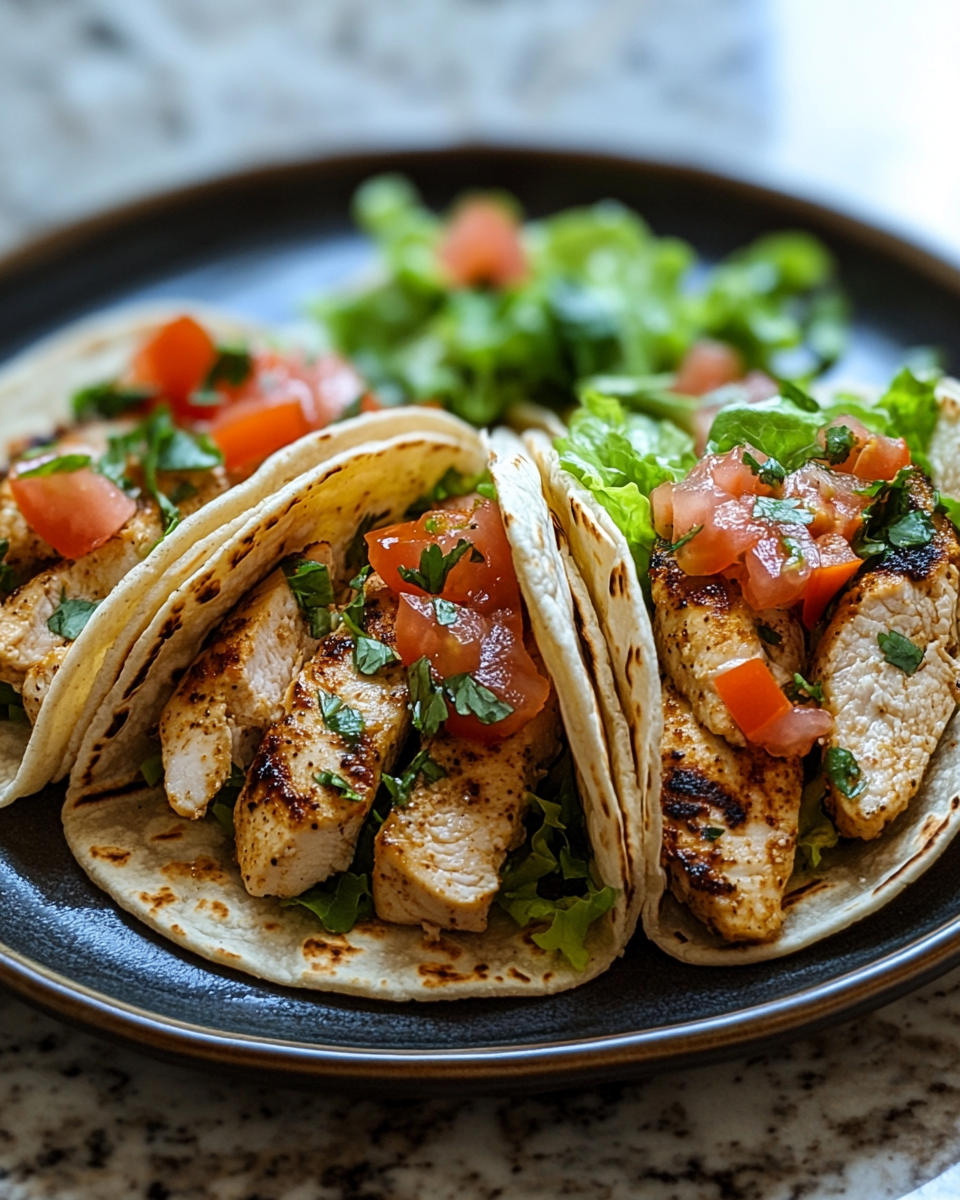
Healthy Chicken Breast Tacos Meal 7 Quick Fresh Delightful

Healthy Chicken Breast Tacos Meal 7 Quick Fresh Delightful

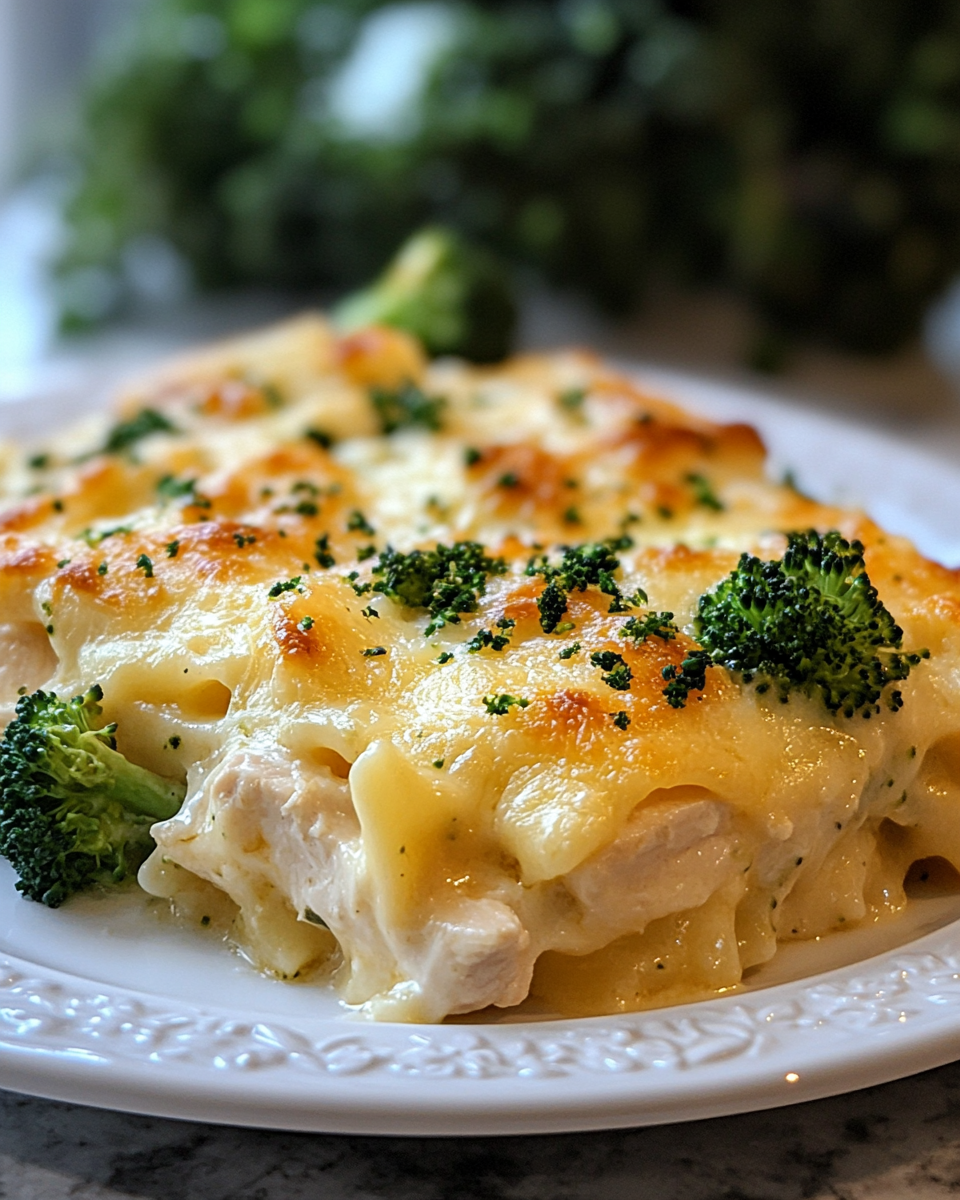
Cheesy Chicken Breast Casserole Recipe 5 Ultimate Surprising

Cheesy Chicken Breast Casserole Recipe 5 Ultimate Surprising

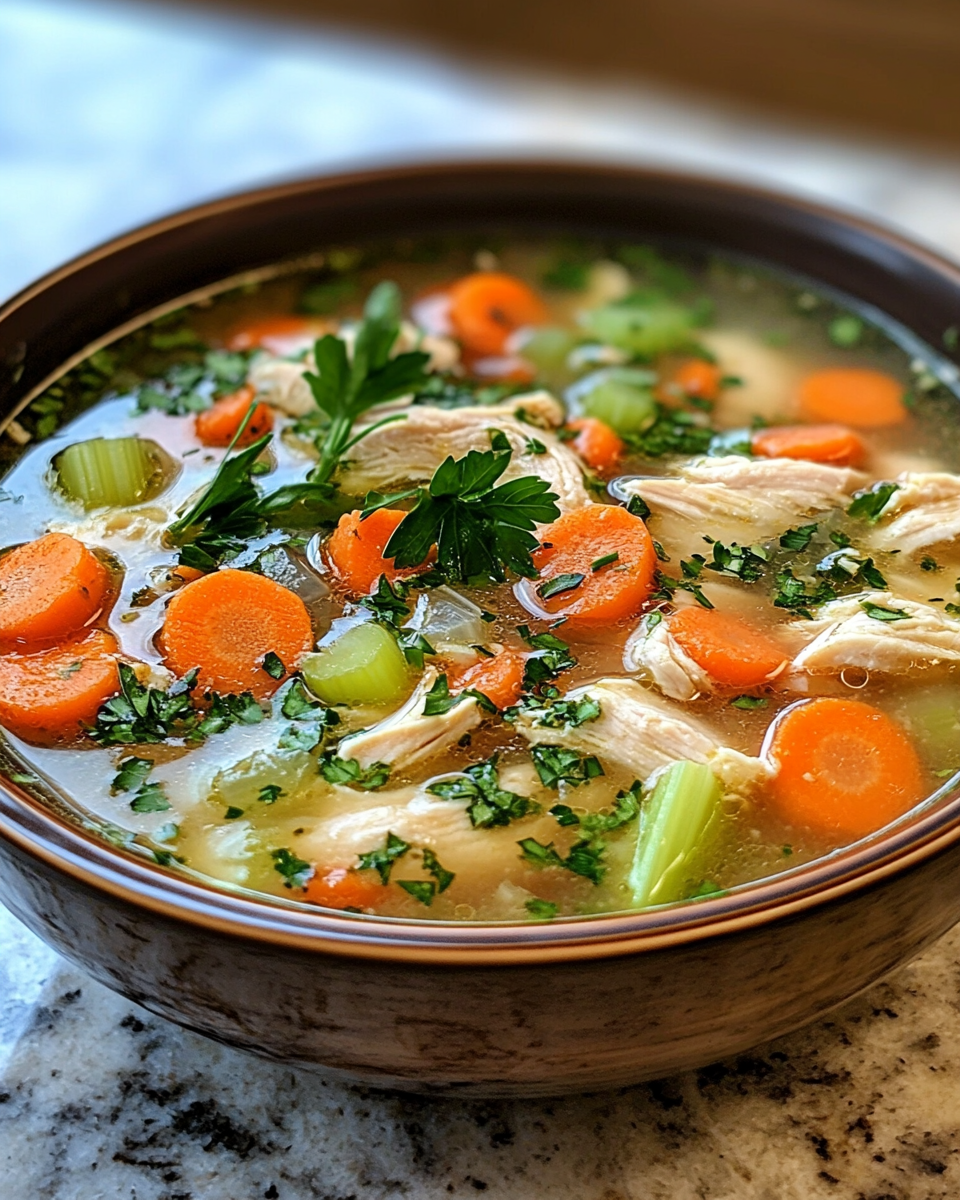
Easy Chicken Breast Soup Recipe 7 Simple Cozy Comforting Bowls

Easy Chicken Breast Soup Recipe 7 Simple Cozy Comforting Bowls

Tags:

You might also like these recipes

Leave a Comment