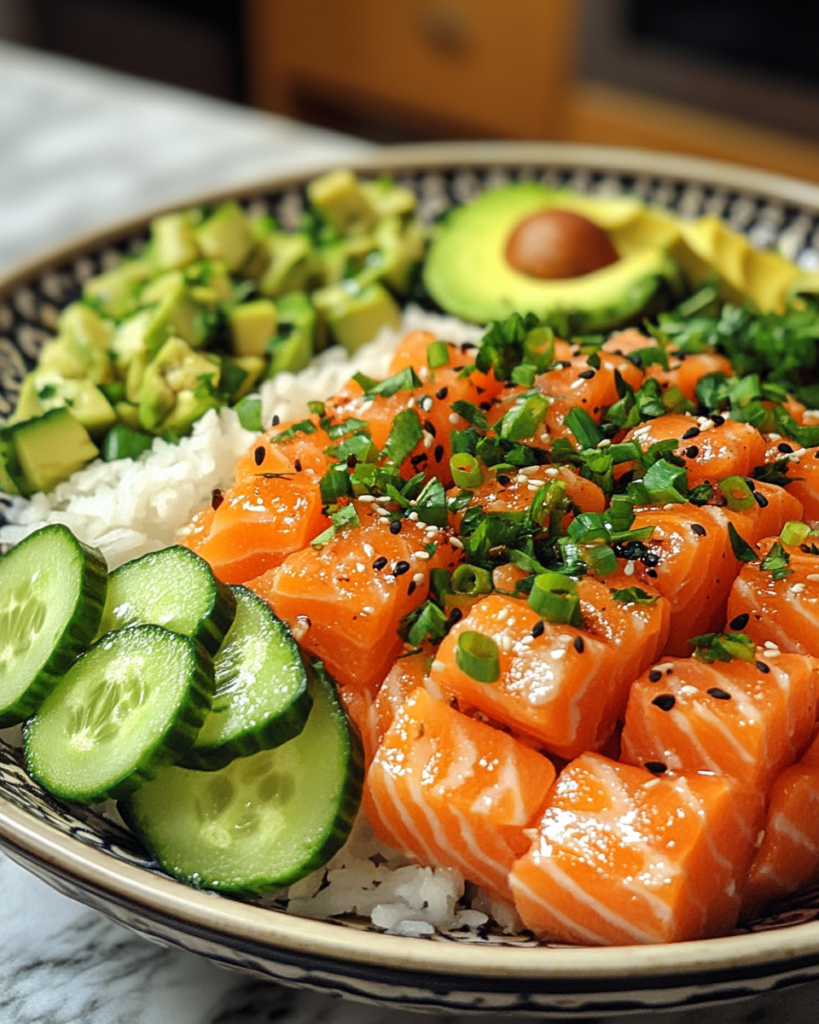
A Salmon Rice Bowl Recipe is a perfect blend of wholesome grains, fresh vegetables, and tender, flaky salmon. This dish balances flavors and textures, offering a comforting yet vibrant meal that can be enjoyed any day of the week. The combination of perfectly cooked rice with juicy, well-seasoned salmon creates a harmonious flavor profile that is both satisfying and nutritious. Fresh vegetables, crisp and colorful, add contrast while sauces and garnishes elevate every bite.
This Salmon Rice Bowl Recipe is versatile, allowing you to customize ingredients to your preference while keeping the core essence intact. From weeknight dinners to casual lunch options, this bowl brings freshness and simplicity to your table. The step-by-step process ensures that even beginners can create a restaurant-quality meal at home.
Ingredients Overview
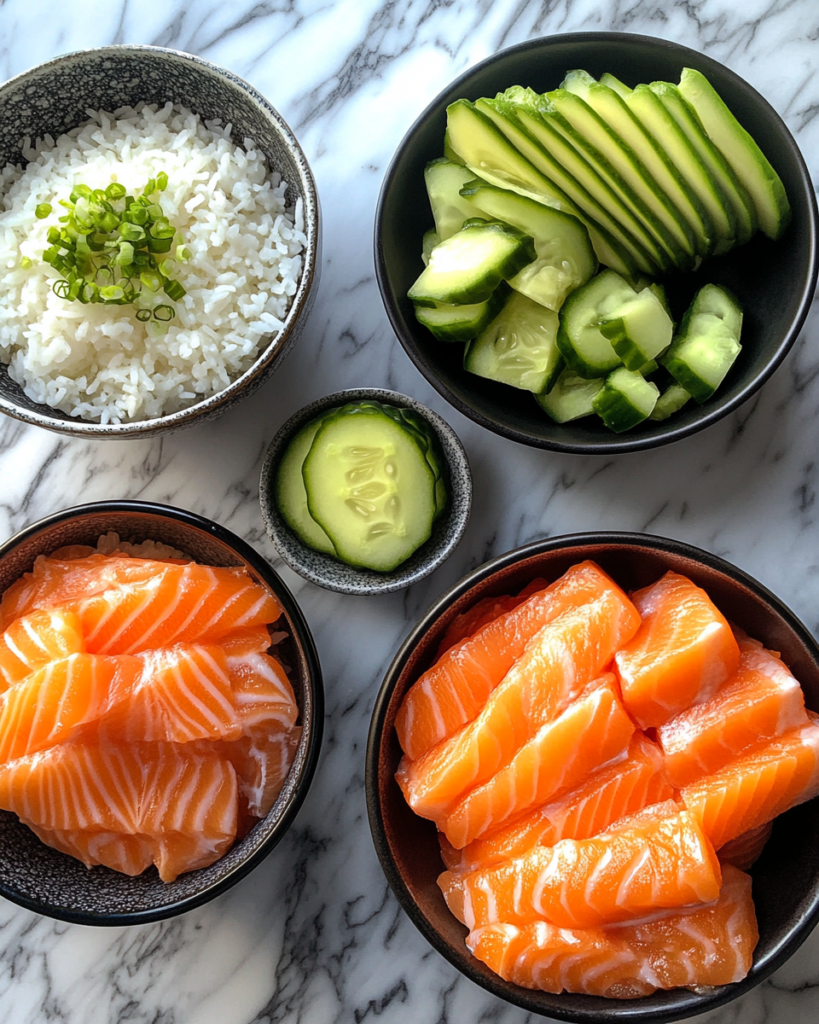
The foundation of a Salmon Rice Bowl Recipe lies in its key ingredients: salmon, rice, vegetables, and seasonings. Fresh salmon fillets are the star of the dish, offering a rich, buttery flavor with a tender texture that pairs beautifully with the subtle taste of steamed rice. Opt for wild-caught salmon for a more pronounced flavor, though farmed salmon is perfectly acceptable and more budget-friendly.
Rice acts as the neutral canvas, absorbing the savory and umami flavors from the salmon and sauce. Jasmine or sushi rice works best due to their soft, sticky texture, which allows each bite to hold together perfectly. Brown rice or cauliflower rice can serve as healthy alternatives for a heartier or low-carb option.
Vegetables introduce both color and crunch to the bowl. Crisp cucumbers, julienned carrots, and edamame are common choices, each adding freshness and subtle sweetness. Pickled vegetables can also be included for tanginess and complexity. Green onions, avocado slices, and sesame seeds contribute visual appeal and texture variety.
Sauces play a pivotal role in uniting the components. A soy-based dressing or teriyaki glaze can provide a salty-sweet dimension, while a hint of sesame oil or sriracha adds depth and warmth. Balancing flavors with a touch of citrus, like lime or lemon juice, can brighten the dish and enhance the natural richness of the salmon.
Realistic substitutions keep this recipe flexible. If salmon is unavailable, trout or cod fillets can replace it without compromising flavor. Quinoa or farro can be used instead of rice for a nutty twist. Each element works together to create a harmonious dish with layered textures, fresh flavors, and an irresistible appeal that is sure to delight.
Ingredients
1 pound fresh salmon fillet
2 cups cooked jasmine rice
1 cup edamame, shelled
1 medium carrot, julienned
1/2 cucumber, thinly sliced
1 avocado, sliced
2 green onions, chopped
2 tablespoons sesame seeds
2 tablespoons soy sauce
1 tablespoon mirin
1 teaspoon sesame oil
1 teaspoon rice vinegar
1 teaspoon honey
1 teaspoon sriracha (optional)
1/2 teaspoon freshly grated ginger
1/4 teaspoon black pepper
1 tablespoon vegetable oil
Step-by-Step Instructions
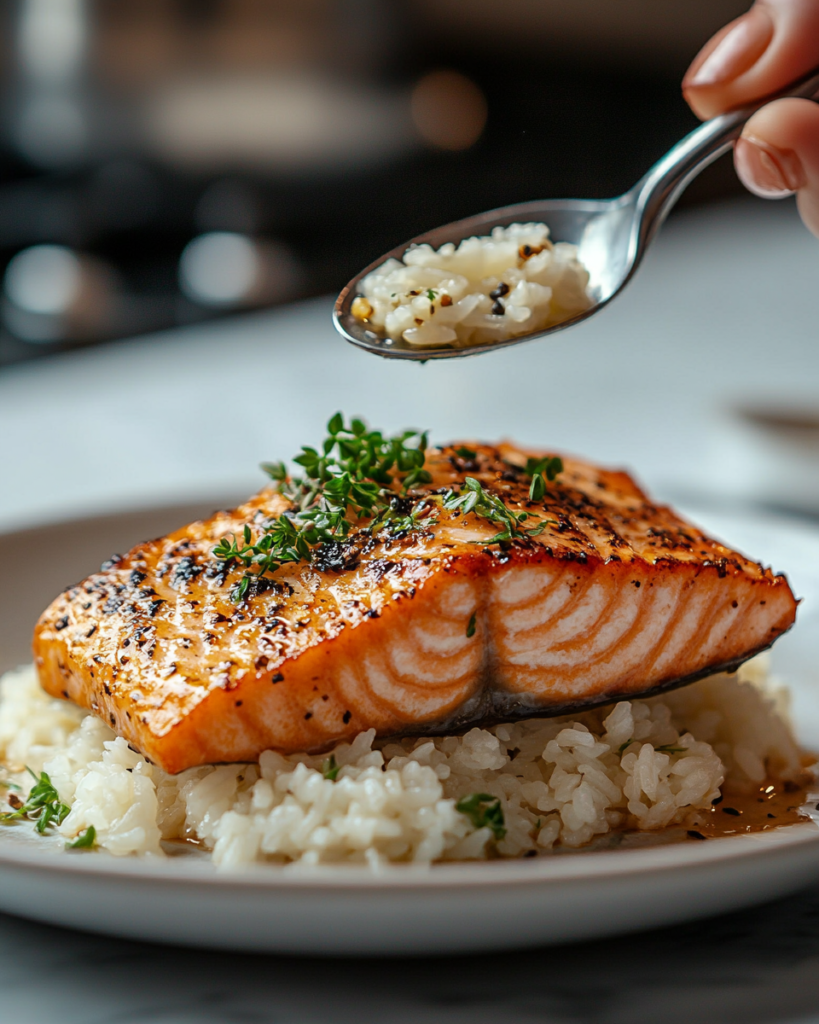
- Start by preparing the rice according to package instructions. Ensure it is fluffy and slightly sticky to hold together in the bowl. While the rice cooks, gather and prep the vegetables for easy assembly later.
- Heat a non-stick skillet over medium heat with vegetable oil. Pat the salmon dry and season it with black pepper and a small pinch of salt. Place the salmon skin-side down first to get a crispy texture. Cook for 4–5 minutes until the edges turn opaque.
- Flip the salmon gently and cook for another 3–4 minutes, depending on thickness. The internal temperature should reach 125–130°F for medium doneness. Avoid overcooking to maintain its moist, tender texture.
- While the salmon cooks, prepare the sauce. In a small bowl, mix soy sauce, mirin, sesame oil, rice vinegar, honey, grated ginger, and sriracha if desired. Taste and adjust sweetness or saltiness according to preference.
- Blanch the edamame in boiling water for 2–3 minutes, then drain and set aside. Julienne the carrots and slice the cucumber and avocado, keeping them fresh and crisp for assembly.
- Once the salmon is done, let it rest for a minute to lock in juices. Cut the salmon into bite-sized pieces for easier serving.
- To assemble, spoon the cooked rice into bowls as the base. Arrange the salmon pieces on top, followed by edamame, carrots, cucumber, and avocado slices. Drizzle the prepared sauce over the bowl and sprinkle sesame seeds and chopped green onions.
- Serve immediately while warm, and offer extra sauce on the side. For added flair, sprinkle a few chili flakes or a drizzle of extra sesame oil.
Common mistakes to avoid include overcooking the salmon, under-seasoning, and preparing vegetables too early, which can lead to sogginess. Always use fresh, firm salmon and maintain precise cooking times for the best results.
Tips, Variations & Substitutions
A Salmon Rice Bowl Recipe allows numerous adaptations. Try marinating the salmon in soy sauce, garlic, and ginger for 15–20 minutes before cooking to infuse flavor. For a spicy kick, add a dab of sriracha mayo or a sprinkle of chili flakes.
Vegetables can be swapped based on seasonality or preference. Bell peppers, snap peas, or radishes provide crunch and color. Pickled daikon or kimchi can offer a tangy dimension that contrasts beautifully with the richness of salmon.
Dietary substitutions are simple. For a low-carb version, replace rice with cauliflower rice or shirataki rice. Gluten-free soy sauce or tamari ensures the dish is safe for those avoiding gluten. Avocado adds healthy fats, but can be replaced with sliced mango or roasted sweet potato for a sweeter note.
Presentation can be enhanced by layering ingredients rather than mixing them. This keeps each element visible and makes the bowl visually appealing. Fresh herbs such as cilantro or shiso leaves can also provide aromatic depth.
For a lighter bowl, use half the sauce or reduce honey. Toasting sesame seeds before sprinkling adds a nutty aroma and crunch that elevates each bite.
Serving Ideas & Occasions
Salmon Rice Bowl Recipe is ideal for lunch, casual dinners, or a quick weeknight meal. It works wonderfully as a packed lunch or a light dinner paired with miso soup. The dish’s vibrant colors and textures make it suitable for gatherings where presentation matters, such as brunches or family meals.
Side dishes like steamed greens, pickled vegetables, or a small seaweed salad complement the salmon without overpowering its flavor. Drinks such as green tea, sparkling water, or a crisp white wine pair beautifully, balancing richness with freshness.
This recipe is versatile enough to be enjoyed in various settings, from solo meals to casual dinner parties. Its ease of preparation makes it a favorite for busy weekdays while still feeling indulgent and satisfying.
Nutritional & Health Notes
Salmon provides high-quality protein and is rich in omega-3 fatty acids, which contribute to heart and brain health. Edamame and vegetables add fiber, vitamins, and minerals, creating a well-rounded meal that nourishes the body while remaining light.
Rice offers a source of complex carbohydrates for energy, and avocado contributes healthy fats for satiety. Using moderate amounts of sauce keeps sodium and sugar levels in check while maintaining flavor.
By including a variety of colorful vegetables, this bowl supplies antioxidants and phytonutrients, supporting overall wellness. The balance of macronutrients ensures that each serving is satisfying without being overly heavy, making it an excellent choice for maintaining energy throughout the day.
This Salmon Rice Bowl Recipe is both indulgent and mindful, combining nutrient-dense ingredients with delicious flavors that appeal to all ages. Customizable substitutions make it suitable for various dietary preferences, whether low-carb, gluten-free, or plant-forward.
FAQs
Can I use frozen salmon?
Yes, frozen salmon works well for a Salmon Rice Bowl Recipe. Thaw it overnight in the refrigerator or use the defrost setting on your microwave. Pat it dry before cooking to avoid excess moisture, which can affect texture. Cooking times may slightly increase depending on thickness. Frozen salmon is convenient and retains much of its flavor and nutritional value.
How do I make the rice fluffy?
Rinse the rice under cold water until the water runs clear to remove excess starch. Use the recommended water-to-rice ratio and let it rest covered for 5–10 minutes after cooking. Fluff gently with a fork before serving to maintain a soft, slightly sticky texture perfect for a rice bowl.
Can I substitute other fish for salmon?
Yes, trout or cod are good alternatives. Choose firm, fresh fillets and follow the same cooking method. Adjust cooking times according to thickness, and ensure the fish remains tender and juicy. Flavor profiles will vary slightly, but the overall dish remains satisfying and balanced.
How do I make it spicy?
Incorporate sriracha, chili flakes, or a drizzle of spicy mayo to your sauce. You can also marinate the salmon with a touch of chili paste before cooking. Adjust the amount to your taste preference. A balance of heat with sweet and savory elements works best.
Can I prepare the bowl ahead of time?
Yes, you can prep ingredients in advance. Cook the rice and salmon separately, and store vegetables in airtight containers. Assemble the bowls just before serving to maintain freshness and texture. Sauces can be kept separately and added as needed.
What is the best way to store leftovers?
Store leftover salmon and rice in airtight containers in the refrigerator for up to 2 days. Reheat gently in a skillet or microwave. Avoid overcooking when reheating the salmon. Keep fresh vegetables separate to prevent sogginess.
Can I make this recipe gluten-free?
Absolutely. Use tamari or a certified gluten-free soy sauce. Ensure all other ingredients, such as mirin or condiments, are gluten-free. The dish remains flavorful and satisfying while accommodating gluten-free dietary needs.