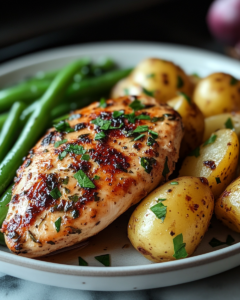
Fresh Simple Healthy Salmon Meal brings tender fish, bright vegetables, and gentle seasoning together for a balanced plate that feels light yet filling. Salmon delivers rich natural oils, while fresh produce adds color, texture, and contrast. This dish works for weekday cooking or relaxed weekend plates when a lighter meal is preferred without heavy sauces or complicated steps.
Oven baking keeps the salmon moist and soft inside with a lightly crisp surface. Lemon, olive oil, garlic, and herbs build a clean flavor base that pairs well with grains or greens. Each component cooks in a short window, making preparation smooth and steady. The result is a plate that feels bright, nourishing, and easy to prepare with everyday ingredients found in most kitchens.
This meal fits well with varied serving styles, from grain bowls to plate-style dinners. The flexibility of seasoning and sides allows adaptation based on seasonal produce. The focus stays on clean taste, gentle cooking, and simple preparation steps that support a steady home cooking routine without complexity.
Ingredients Overview

Salmon serves as the core ingredient, offering a rich texture and natural oils that keep the dish moist during cooking. Fresh fillets with skin help retain structure in the oven, while skinless cuts provide a softer finish. Both work well depending on preference and availability.
Olive oil supports even browning and prevents dryness. It also carries seasoning across the fish surface. Lemon juice adds brightness and balances the natural richness of salmon. Fresh garlic contributes depth without overpowering the main protein.
Herbs such as parsley or dill add aroma and a light herbal note. Salt and black pepper form the base seasoning layer. Vegetables such as asparagus, broccoli, or zucchini bring texture and color contrast. These vegetables roast well beside salmon and absorb mild seasoning from the pan.
Optional grains like brown rice, quinoa, or couscous create a filling base for the meal. Each grain adds a different texture profile and supports balanced plating. Substitutions are flexible: avocado oil can replace olive oil, lime can replace lemon, and dried herbs can stand in for fresh ones when needed.
The combination of protein, vegetables, and grains creates a balanced plate with varied texture. Each ingredient plays a distinct role while supporting a clean, cohesive flavor profile without heavy sauces or complex preparation techniques.
Ingredients
1 1/2 pounds salmon fillets
2 tablespoons olive oil
1 tablespoon lemon juice
2 cloves garlic, minced
1 teaspoon salt
1/2 teaspoon black pepper
1 teaspoon dried dill
1 teaspoon paprika
1 bunch asparagus, trimmed
1 cup broccoli florets
1 medium zucchini, sliced
1 tablespoon olive oil (for vegetables)
1 cup cooked quinoa
1 tablespoon chopped fresh parsley
Step-by-Step Instructions

Heat oven to 400°F and prepare a large baking sheet with parchment paper. This helps prevent sticking and supports even roasting. Pat salmon dry using paper towels to remove surface moisture, which allows better texture during baking.
Place salmon fillets on one side of the baking sheet. Drizzle olive oil over each piece, followed by lemon juice. Sprinkle minced garlic evenly across the surface. Season with salt, black pepper, paprika, and dried dill. Coat gently so seasoning spreads across the fish without clumping.
Arrange asparagus, broccoli, and zucchini on the remaining space of the baking sheet. Drizzle vegetables with olive oil and sprinkle a small amount of salt and pepper. Spread them in a single layer to allow steady roasting.
Place tray into oven and bake for about 12 to 15 minutes. Salmon is ready when it flakes easily with a fork and appears opaque in the center. Vegetables should show light browning at the edges while staying slightly firm.
Avoid overcooking salmon, as extended heat leads to dryness and loss of texture. Check doneness at the lower end of cooking duration for thinner fillets. Thicker cuts may require a few additional minutes.
Remove tray from oven and rest for 2 to 3 minutes. This resting period allows juices to settle inside the fish, improving texture. Fluff cooked quinoa and prepare serving plates.
Place quinoa on each plate, add salmon fillet, and arrange roasted vegetables alongside. Sprinkle fresh parsley over the top for added aroma and color contrast.
Tips, Variations & Substitutions
Salmon thickness influences cooking duration, so adjust oven time based on cut size. Thinner pieces cook faster, while thicker portions require additional minutes for even doneness. Keeping fillets similar in size supports consistent results across the tray.
Flavor variations can include a light honey glaze brushed on salmon before baking for a mild sweetness. A mustard-based coating can also add tangy depth. For a spicier profile, increase paprika or add a pinch of chili flakes.
Vegetable choices can shift based on season. Green beans, carrots, or Brussels sprouts work well with the same roasting method. Each vegetable brings a different texture and mild flavor change without altering the core structure of the dish.
For grain-free plating, replace quinoa with cauliflower rice or extra roasted vegetables. Dairy-free and gluten-free versions are naturally supported since no wheat or dairy ingredients are required in the base preparation.
Serving Ideas & Occasions
This meal pairs well with light side salads such as cucumber and tomato mix or citrus-based slaws. A small bowl of yogurt-based dip with herbs can add creamy contrast without heaviness. Lemon water or herbal tea complements the fresh profile of the dish.
The dish fits weekday dinner routines due to short cooking duration and minimal preparation steps. It also works well for meal preparation since components hold texture when stored separately.
For gatherings, the tray-style presentation allows easy serving without complex plating. Guests can build plates based on preferred portions of salmon, vegetables, and grains, making it flexible for varied tastes.
Nutritional & Health Notes
Salmon provides protein along with omega-rich fats that support general dietary balance. These fats contribute to satiety and steady energy release across the meal. Vegetables supply fiber, vitamins, and minerals that support daily nutrition needs.
Olive oil adds healthy fats while supporting roasting without heavy coatings. Grains such as quinoa provide additional protein and complex carbohydrates, creating a balanced plate structure.
Portion control supports balanced intake, especially when combining salmon with grains and vegetables. The meal naturally avoids heavy sauces, which keeps overall calorie density moderate while maintaining satisfying texture and flavor variety.
FAQs
Can frozen salmon be used?
Frozen salmon works after full thawing in a refrigerator. Excess moisture should be removed before seasoning. Texture remains steady when thawing occurs slowly. Quick thawing methods using warm water are not recommended, as they affect structure. Once thawed, seasoning and baking steps remain unchanged.
What vegetables pair well with salmon?
Asparagus, broccoli, zucchini, green beans, and carrots pair well due to similar roasting times and mild flavors. These vegetables absorb light seasoning and develop soft edges during baking. Mixing two or three varieties creates color contrast and texture variation on the plate.
Can other oils be used instead of olive oil?
Avocado oil or grapeseed oil can replace olive oil. Both handle oven heat well and provide neutral flavor profiles. Butter can also be used in small amounts, though it changes the flavor and browning slightly.
How can dryness in salmon be avoided?
Avoiding long cooking duration is key. Monitoring texture during baking helps maintain moisture. Removing salmon once it flakes easily prevents overcooking. Adding a small amount of oil before baking also supports moisture retention.
Can this meal be prepared ahead of cooking?
Ingredients can be prepped earlier in the day. Salmon can be seasoned and refrigerated for a few hours before baking. Vegetables can be chopped and stored separately. Cooking should still occur close to serving for best texture.
What grains pair well with this dish?
Quinoa, brown rice, couscous, and farro pair well with salmon. Each grain adds different texture and absorbs light seasoning from the fish and vegetables. Quinoa offers a lighter profile, while brown rice provides a firmer bite.
Can air fryer be used instead of oven?
An air fryer can cook salmon at similar temperature ranges. Cooking duration is shorter, usually around 8 to 10 minutes depending on thickness. Vegetables may require separate batches due to space limitations.