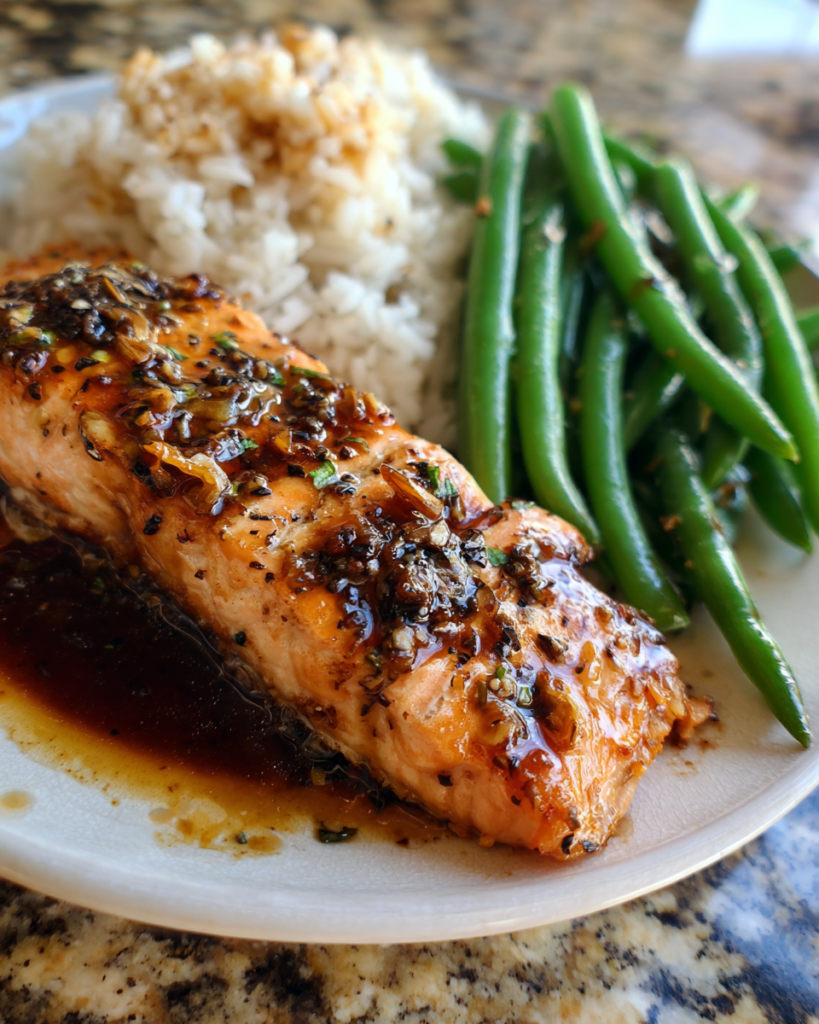
Sweet and Savory Salmon Recipe brings together rich, tender fish with a perfect balance of sweetness and saltiness, creating a dish that feels both comforting and refined. The natural richness of salmon pairs beautifully with ingredients like honey, garlic, soy sauce, and citrus, resulting in layers of flavor that develop with every bite. This recipe highlights how simple ingredients can transform a piece of salmon into a memorable meal.
The beauty of this dish lies in its versatility. It can be prepared for a quick weeknight dinner or served as an elegant main course for special occasions. The glaze caramelizes slightly during cooking, forming a delicate coating that locks in moisture while enhancing the salmon’s natural taste. Whether baked, pan-seared, or grilled, this sweet and savory approach delivers consistent, delicious results.
Ingredients Overview
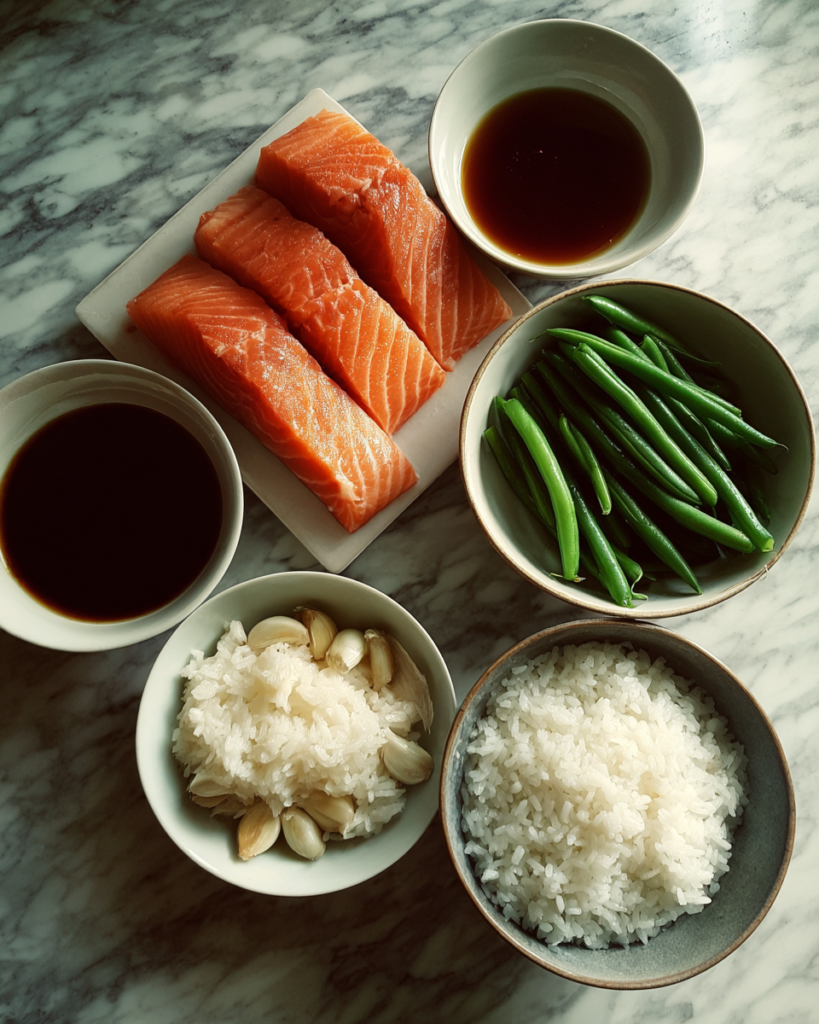
The foundation of a Sweet and Savory Salmon Recipe starts with high-quality salmon fillets. Fresh salmon offers a clean, rich flavor and tender texture, while frozen fillets can also work well if properly thawed. Skin-on fillets help retain moisture during cooking and add a crisp texture when seared.
The sweet component typically comes from honey, brown sugar, or maple syrup. These ingredients create a gentle sweetness that balances the savory elements without overpowering the fish. They also contribute to the caramelization process, forming a glossy coating on the salmon.
Savory depth is achieved through ingredients like soy sauce, garlic, and a touch of Dijon mustard. Soy sauce adds saltiness and umami, while garlic provides aromatic warmth. A splash of lemon juice or vinegar introduces acidity, cutting through the richness of the fish and rounding out the flavor profile.
Optional additions such as ginger, chili flakes, or sesame oil can introduce subtle complexity. These elements work together to create a harmonious dish where no single flavor dominates, allowing the salmon to remain the centerpiece.
Ingredients
4 salmon fillets (about 6 ounces each)
2 tablespoons olive oil
3 tablespoons honey
2 tablespoons soy sauce
2 cloves garlic, minced
1 tablespoon Dijon mustard
1 tablespoon lemon juice
1/2 teaspoon black pepper
1/4 teaspoon salt
1/2 teaspoon paprika
1/2 teaspoon chili flakes (optional)
1 teaspoon grated fresh ginger (optional)
1 teaspoon sesame oil (optional)
2 tablespoons chopped fresh parsley or green onions
Step-by-Step Instructions
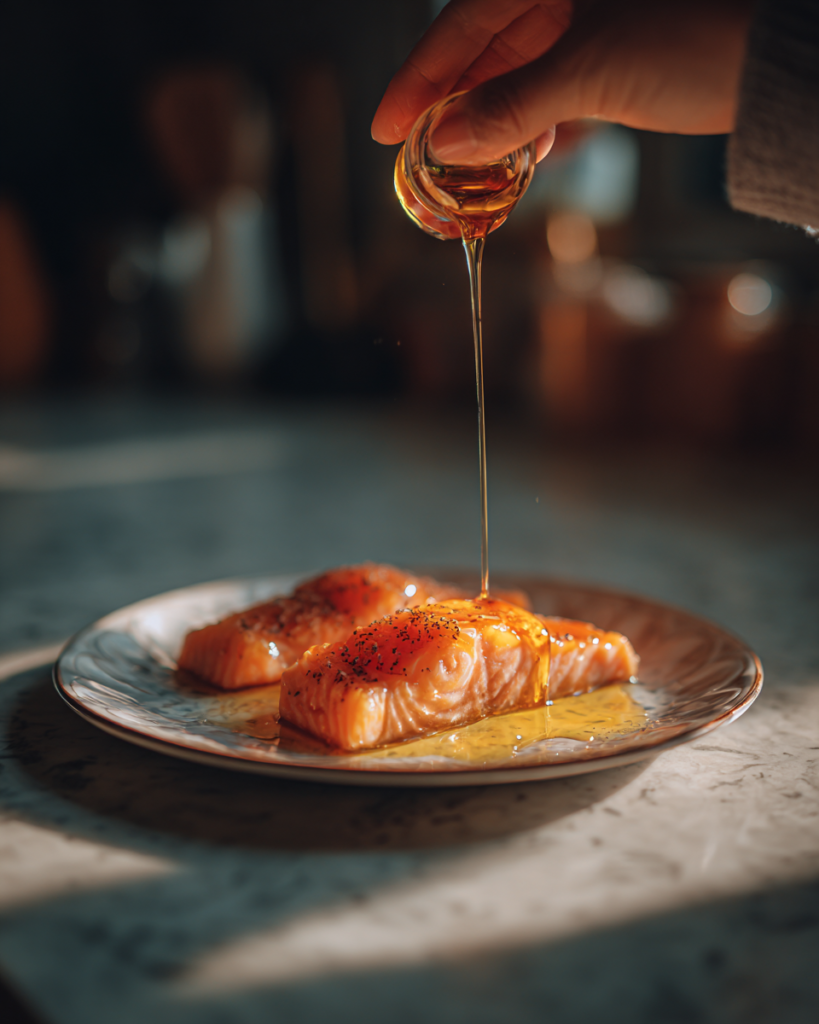
Begin by preparing the salmon. Pat each fillet dry with paper towels to remove excess moisture. This step is essential for achieving a proper sear and preventing steaming. Season both sides lightly with salt, pepper, and paprika.
In a small bowl, whisk together honey, soy sauce, minced garlic, Dijon mustard, lemon juice, and any optional ingredients such as ginger or chili flakes. This mixture should be smooth and slightly thick, with a balanced aroma of sweet and savory notes.
Heat olive oil in a large skillet over medium heat. Once the oil is hot but not smoking, place the salmon fillets skin-side down. Allow them to cook undisturbed for about 4–5 minutes. This helps develop a crisp skin and prevents sticking. Carefully flip the fillets using a spatula.
Reduce the heat slightly and pour the prepared sauce into the skillet. As the sauce heats, it will begin to bubble and thicken. Spoon the sauce over the salmon repeatedly, allowing it to coat the surface and infuse the fish with flavor. Continue cooking for another 3–5 minutes, depending on the thickness of the fillets.
The salmon is done when it flakes easily with a fork and reaches an internal temperature of 145°F (63°C). The glaze should appear glossy and slightly caramelized, clinging to the fish without being overly thick.
Remove the salmon from the heat and let it rest for a couple of minutes. This allows the juices to redistribute, keeping the fish moist and tender. Garnish with chopped parsley or green onions before serving.
Avoid overcooking, as salmon can quickly become dry. Keep an eye on the sauce as well, ensuring it does not burn or reduce too much. Maintaining moderate heat is key to achieving the perfect texture and flavor.
Tips, Variations & Substitutions
For a deeper flavor, marinate the salmon in the sauce for 20–30 minutes before cooking. This allows the ingredients to penetrate the fish, resulting in a more pronounced taste.
If you prefer baking, place the salmon in a lined baking dish, pour the sauce over it, and bake at 400°F (200°C) for 12–15 minutes. Broil for an additional 2 minutes to achieve a lightly caramelized top.
Maple syrup can replace honey for a slightly different sweetness, while tamari or coconut aminos can be used instead of soy sauce for dietary preferences.
Add a citrus twist by incorporating orange juice or zest into the sauce. For a richer finish, a small pat of butter stirred into the sauce at the end creates a silky texture.
Vegetable pairings such as asparagus, broccoli, or green beans can be cooked in the same pan, absorbing the flavorful glaze.
Serving Ideas & Occasions
Sweet and Savory Salmon Recipe pairs well with a variety of sides, making it suitable for both casual meals and special occasions. Serve it over steamed rice, quinoa, or mashed potatoes to soak up the flavorful glaze.
For a lighter option, pair the salmon with a crisp salad or roasted vegetables. The balance of flavors makes it a great choice for dinner parties, family meals, or even meal prep for the week.
This dish is especially fitting for gatherings where you want something elegant yet simple to prepare. Its appealing presentation and rich aroma make it a centerpiece that draws attention without requiring complicated techniques.
Nutritional & Health Notes
Salmon is a nutrient-dense protein, rich in omega-3 fatty acids, which support heart health and overall wellness. It also provides essential vitamins such as B12 and D, along with high-quality protein that helps maintain muscle and energy levels.
The combination of sweet and savory ingredients adds flavor without excessive calories when used in moderation. Adjusting the amount of honey or soy sauce allows for better control over sugar and sodium levels.
Pairing the salmon with vegetables or whole grains creates a balanced meal that offers both nourishment and satisfaction. Choosing fresh ingredients and mindful preparation keeps the dish wholesome and flavorful.
FAQs
Can I use frozen salmon for this recipe?
Yes, frozen salmon works well as long as it is properly thawed before cooking. Place the salmon in the refrigerator overnight or use a cold water method for quicker thawing. Pat the fillets dry thoroughly before seasoning to remove excess moisture. This step helps achieve better browning and prevents the fish from becoming watery during cooking. While fresh salmon often has a slightly better texture, frozen salmon can still produce excellent results when handled correctly.
How do I know when the salmon is fully cooked?
Salmon is done when it flakes easily with a fork and appears opaque throughout. The internal temperature should reach 145°F (63°C) for safe consumption. Avoid relying solely on cooking time, as thickness can vary. Overcooking can result in dry fish, so it’s best to check a minute or two before the estimated time. The center should remain slightly moist for the best texture.
Can I grill the salmon instead of pan-searing?
Grilling is a great alternative and adds a subtle smoky flavor. Preheat the grill to medium heat and lightly oil the grates to prevent sticking. Place the salmon skin-side down and cook for about 5–6 minutes per side. Brush the glaze onto the salmon during the last few minutes of cooking to prevent burning. This method creates a slightly charred exterior while keeping the inside tender.
What can I use instead of soy sauce?
If you prefer a substitute, tamari is a good gluten-free option with a similar flavor. Coconut aminos offer a milder, slightly sweeter taste and are lower in sodium. Both alternatives work well in maintaining the balance of sweet and savory elements in the recipe. Adjust quantities to suit your taste preferences.
Can I prepare the sauce ahead of time?
Yes, the sauce can be made in advance and stored in the refrigerator for up to three days. Keeping it ready saves time during meal preparation. Before using, give it a quick stir to recombine the ingredients. Having the sauce prepared ahead allows you to focus on cooking the salmon perfectly without rushing.
What sides pair best with this dish?
This salmon pairs well with rice, roasted vegetables, or a light salad. Steamed broccoli, asparagus, or green beans complement the flavors nicely. For a heartier meal, mashed potatoes or quinoa work well to absorb the sauce. The versatility of this dish makes it easy to match with a variety of sides depending on the occasion.
Can I make this recipe healthier?
To make a lighter version, reduce the amount of honey or use a natural sweetener alternative. Low-sodium soy sauce can help control salt levels. Cooking methods such as baking or grilling instead of pan-frying can also reduce added fats. Pairing the salmon with fresh vegetables or whole grains further enhances the nutritional value while keeping the dish satisfying.