A Teriyaki Chicken Bowl brings together tender glazed chicken, warm rice, and crisp vegetables in a balanced, satisfying dish that works well for a quick dinner. The glossy sauce coats every piece of chicken, giving each bite a savory-sweet finish that pairs naturally with fluffy rice.
This dish is flexible, easy to prepare, and fits into many meal routines. It can be adjusted with different vegetables or rice types depending on preference, while still keeping its signature flavor profile intact.
Ingredients Overview
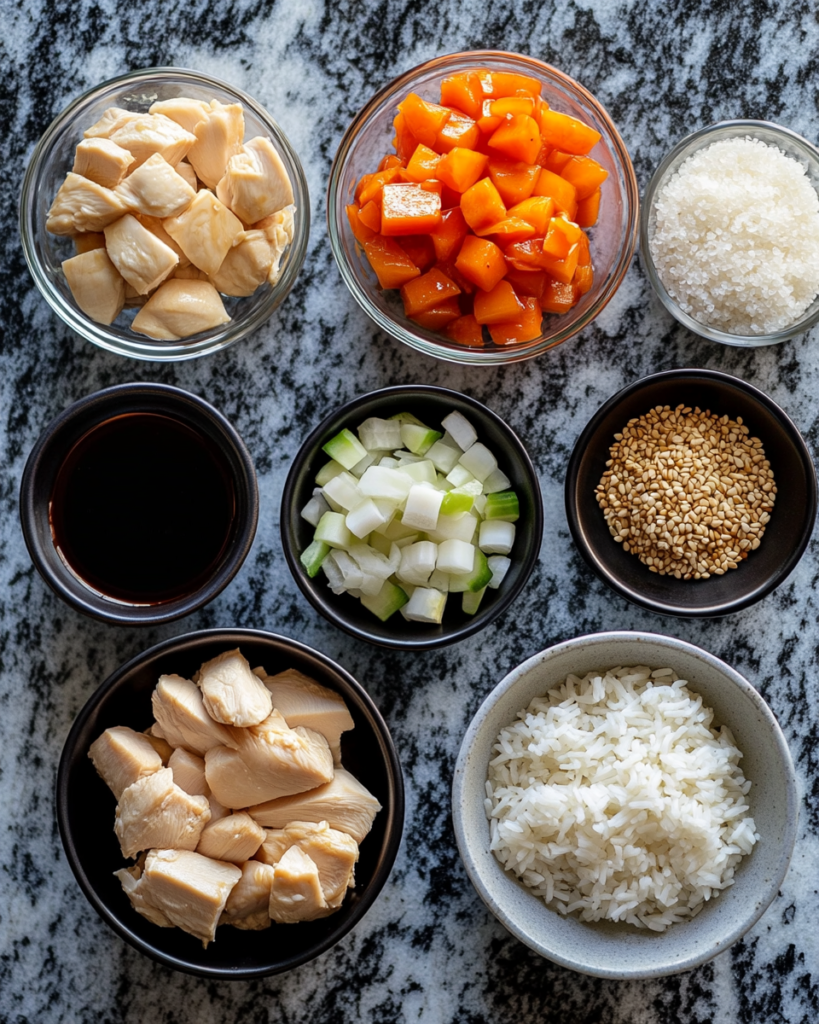
Teriyaki chicken bowls rely on a handful of simple ingredients that work together to create a layered flavor profile. Chicken is the main protein, typically boneless thighs or breast, chosen for their tenderness and ability to absorb the sauce. Thigh meat tends to stay juicier during cooking, while breast meat offers a leaner option.
The teriyaki sauce is a mix of soy sauce, sugar or honey, garlic, ginger, and a thickening component such as cornstarch. This combination creates a glossy coating that clings to the chicken and lightly caramelizes during cooking. The balance between salty and sweet defines the dish’s signature taste.
Rice serves as the base, often jasmine or short-grain white rice, which absorbs extra sauce and provides a soft contrast to the chicken. Brown rice can be used for a nuttier flavor and firmer texture.
Vegetables such as broccoli, carrots, or snap peas add color, crunch, and freshness. They also help balance the richness of the sauce. Optional toppings like sesame seeds or sliced green onions add aroma and subtle texture differences.
Ingredient substitutions are straightforward. Tamari can replace soy sauce for a gluten-free version. Maple syrup can replace sugar or honey. Vegetables can be swapped depending on seasonality or preference, making the bowl adaptable to different kitchens.
Ingredients
1 1/2 pounds boneless chicken thighs, cut into bite-sized pieces
2 cups cooked jasmine rice
1 cup broccoli florets
1/2 cup sliced carrots
1/2 cup snap peas
3 tablespoons soy sauce
2 tablespoons honey
1 tablespoon brown sugar
2 cloves garlic, minced
1 teaspoon grated fresh ginger
1 tablespoon cornstarch
2 tablespoons water
1 tablespoon sesame oil
1 tablespoon vegetable oil
1 teaspoon rice vinegar
1 tablespoon sesame seeds
2 green onions, sliced
Step-by-Step Instructions

Start by preparing the rice so it is ready when the chicken finishes cooking. Jasmine rice works well due to its soft texture and light aroma. Cook it according to package directions and keep it warm.
In a small bowl, mix soy sauce, honey, brown sugar, garlic, ginger, and rice vinegar. Stir until the sugar dissolves. In a separate cup, combine cornstarch with water to create a slurry that will thicken the sauce later.
Heat vegetable oil in a large skillet over medium-high heat. Add chicken pieces in a single layer. Allow them to cook without moving too much at first so they develop a light golden surface. Stir occasionally until all sides are cooked through and the internal texture is firm and no longer pink.
Reduce heat to medium. Pour the prepared sauce mixture over the chicken. Stir well so each piece is coated evenly. Allow the mixture to simmer gently so the flavors blend.
Add the cornstarch slurry while stirring continuously. The sauce will begin to thicken and turn glossy within a few minutes. If it becomes too thick, add a small splash of water.
In a separate pan or steamer, cook broccoli, carrots, and snap peas until tender but still slightly crisp. This keeps their texture distinct from the soft rice and chicken.
To assemble the bowl, place a portion of warm rice at the base. Add teriyaki chicken on top, followed by the vegetables arranged around the edges. Spoon extra sauce from the pan over the contents for added flavor.
Finish with sesame seeds and sliced green onions. The final bowl should have a mix of soft rice, coated chicken, and crisp vegetables in each serving.
Tips, Variations & Substitutions
Chicken thighs offer more moisture, while chicken breast provides a leaner result. Both work well, though cooking time may vary slightly depending on thickness.
For a deeper flavor, allow the chicken to marinate in a small portion of the sauce for 20–30 minutes before cooking. This step adds extra seasoning throughout the meat.
Vegetables can be changed based on availability. Zucchini, bell peppers, or mushrooms also fit well into the bowl and cook quickly in a skillet.
For a lower-sugar version, reduce the honey and brown sugar slightly while adding a bit more soy sauce and ginger for balance.
Quinoa or cauliflower rice can replace white rice for different dietary preferences. Each option changes the texture but still supports the sauce well.
A small drizzle of toasted sesame oil at the end adds aroma and depth without overpowering the dish.
Serving Ideas & Occasions
Teriyaki chicken bowls work well for weekday dinners due to their straightforward preparation and balanced composition. They also fit meal prep routines since the components store well when kept separate.
This dish pairs well with light sides such as cucumber salad or miso soup. A chilled green tea or sparkling water complements the savory-sweet flavor.
It is often served in casual dining settings, lunch containers, or quick family meals. The bowl format makes portioning simple and visually appealing without extra plating effort.
Nutritional & Health Notes
A teriyaki chicken bowl provides a balance of protein, carbohydrates, and vegetables. Chicken contributes protein, which supports muscle maintenance and satiety. Rice offers energy through carbohydrates, while vegetables add fiber and micronutrients.
The sauce contains sugar and sodium, so portion control can help manage intake. Using low-sodium soy sauce can reduce salt levels without altering flavor significantly.
Adding more vegetables increases fiber content and improves the overall nutritional balance of the dish. Choosing brown rice instead of white rice adds additional fiber and a slightly different nutrient profile.
This meal can fit into a varied diet when paired with lighter meals throughout the day.
FAQs
What type of chicken works best for this dish?
Boneless chicken thighs are commonly used because they remain tender during cooking and absorb the teriyaki sauce well. Chicken breast is also suitable for a leaner option, though it may cook slightly faster and can dry out if overcooked. Cutting the chicken into even pieces helps it cook uniformly, regardless of the cut selected.
Can I prepare the sauce in advance?
Yes, the sauce can be prepared ahead of cooking and stored in a sealed container in the refrigerator for up to three days. This allows the flavors to blend together more deeply. Before using, stir or shake the mixture well since some separation may occur during storage.
What vegetables work well in this bowl?
Broccoli, carrots, and snap peas are commonly used because they hold their texture during cooking. Other options include bell peppers, zucchini, or mushrooms. Each vegetable adds its own texture and flavor, allowing flexibility based on what is available.
Can this dish be made without sugar?
The sugar in the sauce balances the saltiness of the soy sauce, but it can be reduced or replaced with alternatives such as honey or maple syrup. Using less sweetener will result in a more savory flavor profile, while still maintaining the glossy texture of the sauce.
What rice works best for serving?
Jasmine rice is a common choice due to its soft texture and light aroma. Short-grain rice also works well because it absorbs the sauce effectively. Brown rice can be used for a firmer texture and slightly nutty flavor.
How should leftovers be stored?
Leftovers should be placed in airtight containers and stored in a refrigerator. Keeping rice, chicken, and vegetables separate helps maintain texture when reheating. When ready to eat, warm each component gently to avoid drying out the chicken.
Can this dish be used for meal preparation?
Yes, this dish is well-suited for meal preparation. The chicken and vegetables can be cooked in advance and portioned with rice into containers. When stored properly, the components maintain their texture for several days, making it convenient for ready-to-eat meals.