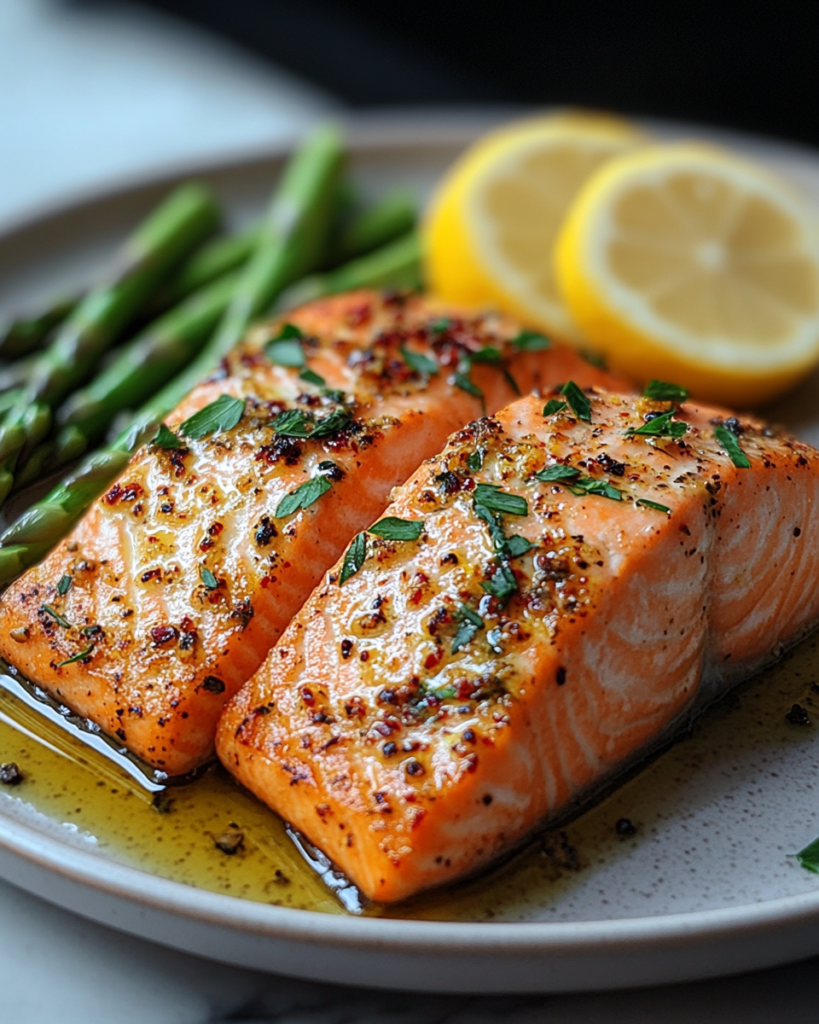
Salmon fits naturally into a balanced eating plan thanks to its rich texture and satisfying flavor. This Weight Loss Salmon Recipe focuses on simple cooking methods that highlight the natural taste of salmon while keeping the dish light, nourishing, and easy to prepare any day of the week.
This meal works well for lunch or dinner and brings together lean protein, fresh herbs, and wholesome ingredients that support a lighter eating style without sacrificing satisfaction. Each element in the recipe is chosen to complement salmon’s natural richness while keeping the overall dish balanced and easy to digest.
The cooking approach uses gentle heat and minimal added fats, allowing the natural oils in salmon to contribute flavor and moisture. Paired with vegetables and simple seasonings, this dish becomes a dependable option for those looking for a steady, balanced meal routine.
Ingredients Overview
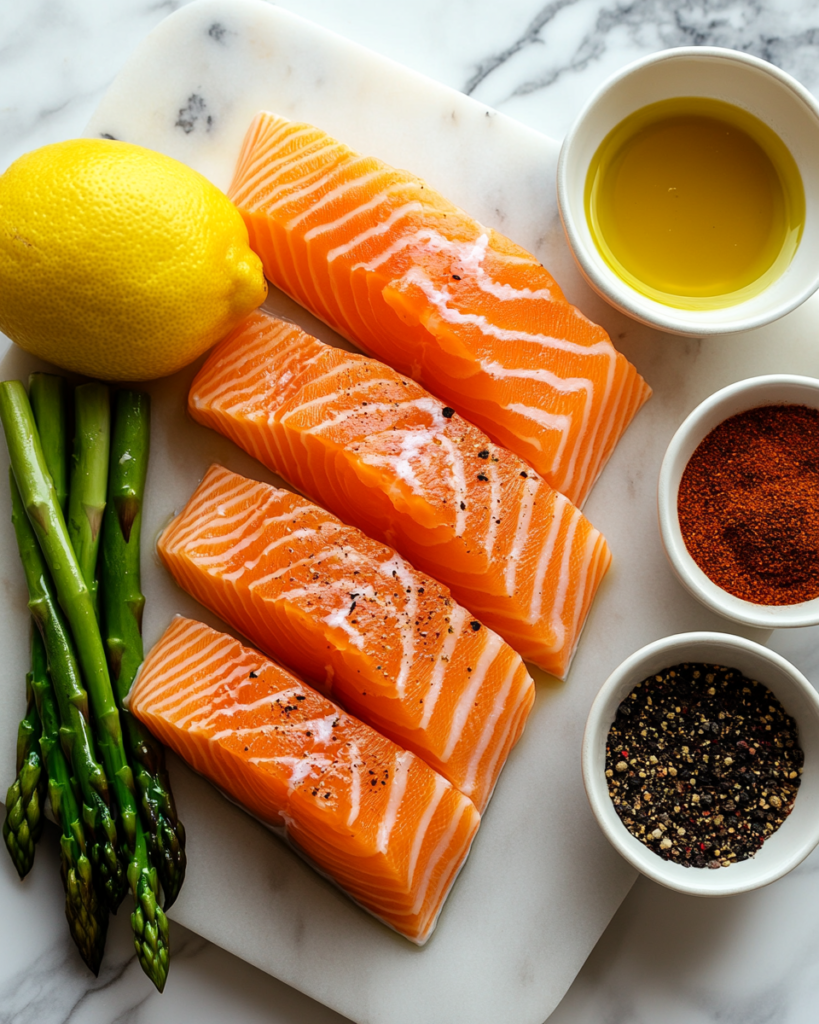
Salmon is the star of this dish, offering a naturally rich texture and satisfying flavor that works well in lighter meal plans. Its natural fats contribute moisture, meaning you do not need heavy sauces or excess oil to create a flavorful result. Choosing fresh or properly thawed fillets is important for texture and even cooking.
Olive oil plays a supporting role by helping the seasonings adhere to the fish while also assisting in achieving a light golden finish. Lemon juice adds brightness that balances the richness of salmon, keeping each bite clean and refreshing. Garlic and black pepper provide depth without overpowering the main ingredient.
Fresh herbs such as parsley or dill add a layer of aroma that lifts the entire dish. These herbs work especially well with salmon because they complement its natural ocean flavor. Salt is used in moderation to bring all the elements together without making the dish heavy.
On the side, vegetables like asparagus or zucchini help round out the plate. These vegetables roast or steam easily and absorb mild seasoning well. A small portion of quinoa or brown rice can be added for steady energy, depending on personal preference.
For substitutions, avocado oil can replace olive oil if preferred. Lime juice can be used instead of lemon for a slightly sharper taste. Any mild herb such as chives can replace parsley or dill, depending on availability. The ingredients work together to create a balanced, simple meal that supports a lighter eating approach.
Ingredients
2 salmon fillets (about 6 ounces each)
1 tablespoon olive oil
1 tablespoon lemon juice
2 cloves garlic, minced
1/2 teaspoon salt
1/4 teaspoon black pepper
1 teaspoon dried oregano or Italian seasoning
1 tablespoon fresh parsley, chopped
1 bunch asparagus, trimmed
1 small zucchini, sliced
1 teaspoon olive oil (for vegetables)
1/2 cup cooked quinoa (optional)
Lemon slices for serving
Step-by-Step Instructions
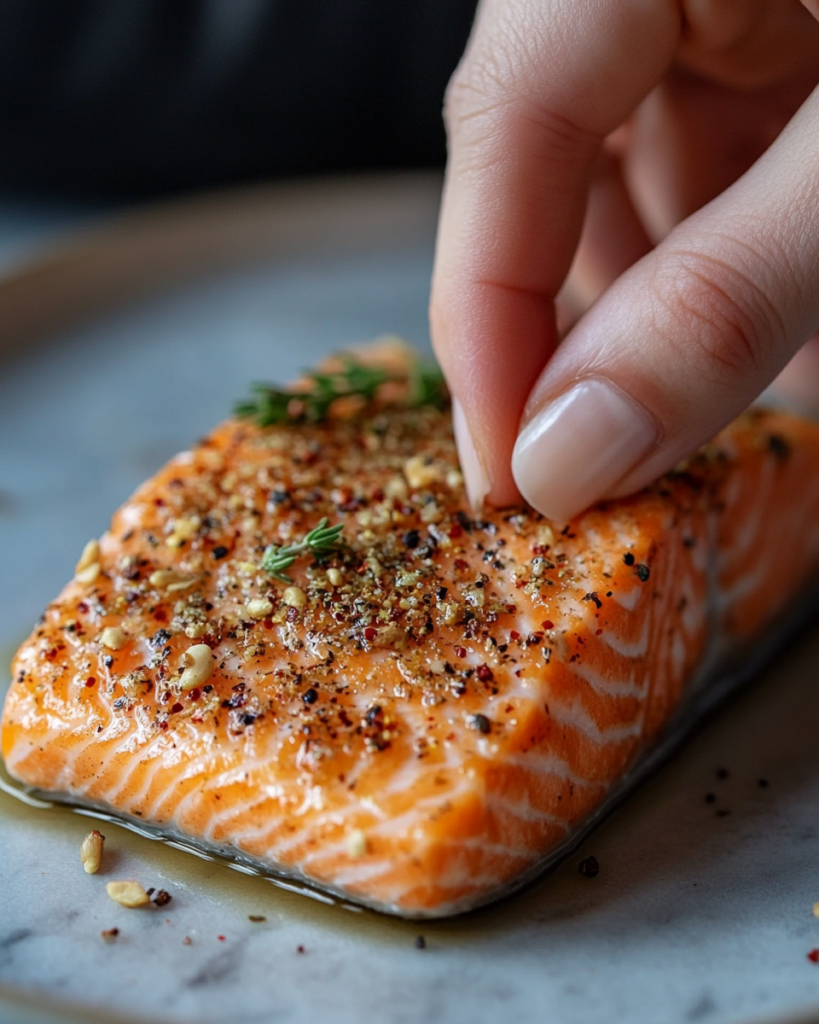
Start by preparing the salmon fillets. Pat them dry with a paper towel to remove excess moisture. This step helps the surface cook evenly and develop a light golden finish. Place the fillets on a clean plate while preparing the seasoning mixture.
In a small bowl, mix olive oil, lemon juice, minced garlic, salt, black pepper, and dried herbs. Stir until well combined. Brush this mixture evenly over both sides of the salmon fillets. Allow the salmon to sit for about 10 minutes so the flavors can absorb gently into the surface.
While the salmon rests, prepare the vegetables. Toss asparagus and zucchini with a small amount of olive oil, salt, and pepper. Spread them evenly on a baking tray so they cook at the same rate.
Preheat the oven to 400°F (200°C). Place the vegetables in the oven first and roast for about 10 minutes. After that, add the salmon to the same tray or a separate lined tray. Continue cooking for 12–15 minutes depending on thickness. The salmon is ready when it flakes easily with a fork and appears opaque in the center.
Avoid overcooking, as this can dry out the texture. A common mistake is leaving salmon in the oven too long, which reduces its natural tenderness. Checking a few minutes early helps maintain a moist result.
Once cooked, remove everything from the oven and let the salmon rest for a few minutes. This short resting time allows the juices to settle within the fish. Sprinkle fresh parsley over the top and add lemon slices for serving.
Serve the salmon alongside roasted vegetables. If using quinoa, spoon it onto the plate as a base. The combination creates a balanced meal with protein, fiber, and natural flavor in every bite.
Tips, Variations & Substitutions
For a slightly different flavor, try adding smoked paprika or crushed red pepper to the seasoning mix. These spices add depth without changing the simplicity of the dish. If you prefer a milder taste, reduce the garlic and increase lemon juice slightly.
Cooking the salmon in an air fryer is another option. Set the temperature to 380°F (193°C) and cook for about 8–10 minutes depending on thickness. This method creates a lightly crisp exterior while keeping the inside tender.
For a dairy-free creamy side, mashed cauliflower works well alongside salmon and vegetables. It keeps the meal light while adding a smooth texture contrast.
If asparagus is not available, green beans or broccoli florets can be used instead. Both vegetables roast well and pair naturally with salmon’s flavor. Zucchini can also be replaced with bell peppers for a slightly sweeter taste.
Herb variations can change the character of the dish. Dill brings a soft, fresh aroma, while parsley keeps things clean and bright. Chives add a mild onion note without overpowering the salmon.
Serving Ideas & Occasions
This salmon dish fits well into weekday meal plans because it is simple to prepare and pairs easily with different sides. It works for lunch when you want something light but filling, or for dinner when you need a balanced plate without heavy ingredients.
For a more complete meal, pair it with a simple cucumber salad or roasted root vegetables. A light broth-based soup can also serve as a starter when serving this dish for dinner.
Beverage pairings can include sparkling water with lemon or a lightly brewed herbal tea. These drinks complement the fresh flavors without overpowering the meal.
This recipe also works well for meal prep. Cooked salmon can be stored and enjoyed cold or gently reheated, making it a practical option for busy days.
Nutritional & Health Notes
Salmon provides a strong source of protein, which supports steady energy throughout the day. It also contains natural fats that contribute to satiety, helping you feel satisfied after eating. This makes it a solid choice for balanced eating patterns.
The vegetables in this recipe add fiber and volume, which support digestion and create a more complete meal without adding heaviness. Olive oil provides a moderate amount of healthy fat that supports flavor and texture.
Lemon juice and herbs add flavor without extra calories, allowing the dish to remain light while still tasting satisfying. Quinoa, if included, adds complex carbohydrates that provide steady energy.
Overall, this meal focuses on balance rather than restriction, combining protein, fiber, and natural fats in a simple way that fits into everyday routines.
FAQs
What type of salmon works for this recipe?
Fresh Atlantic or wild-caught salmon both work well in this recipe. Atlantic salmon has a slightly richer texture, while wild salmon tends to have a firmer bite. Both options cook evenly in the oven and absorb seasoning well. Choose fillets that look moist and firm with a consistent color. Avoid pieces that appear dry or have a strong odor. Skin-on fillets can also be used, as the skin helps retain moisture during cooking and can be removed easily after cooking if preferred.
Can I cook this salmon on a stovetop instead of an oven?
Yes, stovetop cooking works well. Heat a non-stick skillet over medium heat and add a small amount of olive oil. Place the salmon fillets skin-side down and cook for about 4–5 minutes per side depending on thickness. The salmon is ready when it flakes easily and has an even color throughout. This method creates a slightly crisp exterior while keeping the inside tender. Be careful not to use high heat, as it can dry out the fish quickly.
Can I prepare this meal ahead of time?
Yes, this recipe is suitable for meal preparation. You can season the salmon in advance and store it in the refrigerator for up to 24 hours before cooking. Vegetables can also be chopped ahead of time. Once cooked, the salmon can be stored in an airtight container for up to three days. When reheating, use low heat to preserve texture. It also tastes good served cold in salads or grain bowls, making it flexible for different meals.
What vegetables pair well with salmon?
Asparagus and zucchini work well in this recipe, but many other vegetables also pair nicely. Broccoli, green beans, bell peppers, and Brussels sprouts are all good options. These vegetables roast well and absorb mild seasoning without overpowering the salmon. Leafy greens such as spinach can also be used as a base when serving the dish. The goal is to choose vegetables that balance texture and flavor while keeping the meal light and satisfying.
Can I use frozen salmon?
Frozen salmon can be used if it is thawed properly before cooking. Place it in the refrigerator overnight for best results. Pat it dry before seasoning to remove excess moisture. This helps achieve even cooking and better texture. Avoid cooking salmon directly from frozen, as it can lead to uneven doneness. Once thawed, treat it the same way as fresh salmon for seasoning and cooking.
How do I know when salmon is cooked properly?
Salmon is done when it turns opaque and flakes easily with a fork. The center should be slightly moist but not raw. Overcooking can lead to a dry texture, so it is best to check a few minutes before the suggested cooking time ends. If using a thermometer, the internal temperature should reach about 145°F (63°C). Letting it rest for a few minutes after cooking helps maintain moisture.
Can I add sauces to this recipe?
Yes, light sauces can be added if desired. A simple yogurt-based sauce with lemon and herbs works well without adding heaviness. A light mustard glaze or garlic lemon drizzle can also complement the salmon. Keep sauces minimal so they do not overpower the natural flavor of the fish. The recipe is designed to remain light, so any added sauce should stay simple and fresh.